Election Security 2026: New Federal Guidelines for Midterm Safeguards
The integrity of our democratic process hinges on the security of our elections. As we look towards the 2026 midterm elections, the need for robust and comprehensive Election Security Guidelines has never been more critical. Recent geopolitical events, the rapid evolution of technology, and persistent threats from various adversaries necessitate a proactive and unified approach to safeguarding the ballot. This article delves into the new federal guidelines designed to fortify our electoral systems, offering practical solutions that states and localities can implement to ensure fair, transparent, and secure elections. Understanding these guidelines is not just for election officials; it’s for every citizen who believes in the foundational principle of a free and fair vote.
The landscape of election threats is constantly shifting. From sophisticated cyberattacks targeting voter registration databases and voting machines to disinformation campaigns aimed at eroding public trust, the challenges are multifaceted. The federal government, recognizing these evolving threats, has introduced a new set of Election Security Guidelines for the 2026 midterms. These guidelines are not just recommendations; they represent a concerted effort to establish a baseline of security measures, share best practices, and provide resources to ensure that every vote cast is counted accurately and securely. This comprehensive framework covers everything from cybersecurity protocols to physical security at polling places, voter education, and incident response planning. Our goal here is to break down these crucial guidelines and highlight their practical applications, ensuring that stakeholders at all levels are equipped to meet the challenges ahead.
Understanding the Evolving Threat Landscape for Election Security
Before diving into the specifics of the new Election Security Guidelines, it’s essential to grasp the complex and ever-changing nature of election threats. The adversaries attempting to undermine our elections are diverse, ranging from foreign state actors with advanced cyber capabilities to domestic groups seeking to sow discord and distrust. These threats manifest in several key areas:
Cyberattacks on Election Infrastructure
Cybersecurity remains at the forefront of election security concerns. Adversaries continually seek vulnerabilities in voter registration systems, election management systems, and even voting machines themselves. These attacks can aim to:
- Disrupt operations: Deny access to election systems, preventing voter registration or tabulation.
- Manipulate data: Alter voter records, change vote counts, or compromise election results.
- Exfiltrate sensitive data: Steal personal information of voters or election officials.
- Spread disinformation: Use compromised systems to disseminate false information about election procedures or results.
The sophistication of these attacks is growing, often employing advanced persistent threats (APTs) and zero-day exploits, making continuous vigilance and adaptive defense mechanisms paramount for robust Election Security Guidelines.
Disinformation and Misinformation Campaigns
Beyond direct cyberattacks, the manipulation of public perception through disinformation and misinformation poses a significant threat to Election Security. These campaigns often leverage social media and other digital platforms to:
- Undermine voter confidence: Create doubts about the fairness and legitimacy of elections.
- Suppress voter turnout: Spread false information about polling locations, dates, or eligibility requirements.
- Polarize the electorate: Exacerbate societal divisions and distrust in democratic institutions.
Combating these campaigns requires a multi-pronged approach, including rapid fact-checking, public education, and collaboration with social media platforms.
Physical Security Threats
While often overshadowed by cyber threats, physical security remains a critical component of Election Security. Threats include:
- Tampering with voting equipment: Unauthorized access to voting machines or ballot boxes.
- Intimidation at polling places: Attempts to prevent eligible voters from casting their ballots.
- Supply chain attacks: Introduction of malicious hardware or software during the manufacturing or distribution of election equipment.
The new federal Election Security Guidelines address these physical vulnerabilities with equal importance, recognizing that a truly secure election environment requires protection on all fronts.
Key Pillars of the New Federal Election Security Guidelines 2026
The federal government’s updated Election Security Guidelines for 2026 are built upon several foundational pillars, each designed to address specific threat vectors and enhance overall election resilience. These pillars represent a holistic strategy to protect the democratic process.
1. Enhanced Cybersecurity Measures for Election Infrastructure
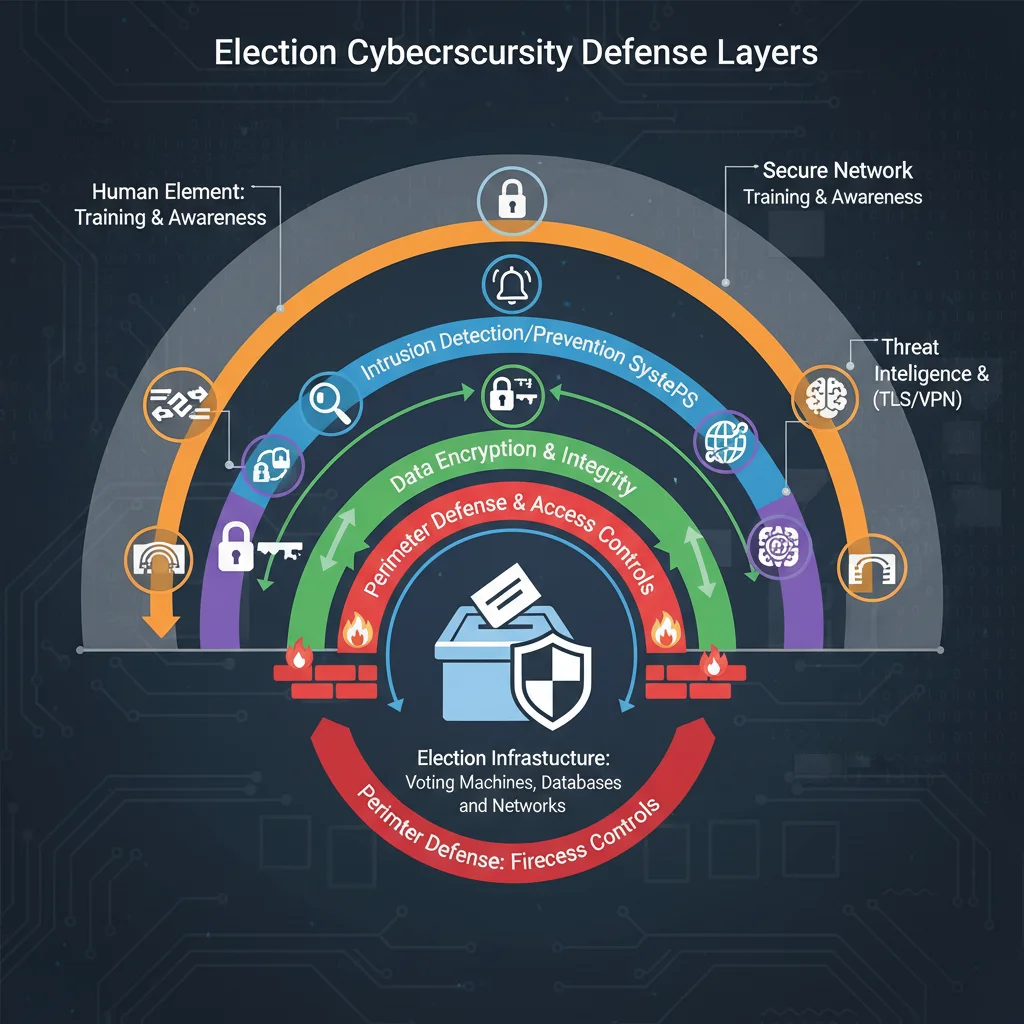
At the core of the new guidelines is a significant emphasis on bolstering cybersecurity defenses. This includes:
- Mandatory Vulnerability Assessments and Penetration Testing: States and localities are encouraged, and in some cases mandated, to conduct regular security audits and penetration tests on all election-related systems. This proactive approach helps identify and remediate weaknesses before they can be exploited.
- Multi-Factor Authentication (MFA): Implementing MFA for all access points to critical election systems is a non-negotiable requirement. This adds an essential layer of security, making it significantly harder for unauthorized users to gain access even if they compromise a password.
- Advanced Threat Detection and Incident Response Plans: The guidelines stress the importance of robust systems for detecting cyber threats in real-time and having well-rehearsed incident response plans. This includes clear communication protocols, forensic capabilities, and strategies for rapid recovery and restoration of services.
- Secure Software Development and Supply Chain Integrity: A focus on ensuring the security of election software from its inception and verifying the integrity of the supply chain for voting equipment is crucial. This helps prevent the introduction of malicious code or hardware.
- Information Sharing and Collaboration: Encouraging greater information sharing between federal, state, and local election officials, as well as with cybersecurity agencies like CISA (Cybersecurity and Infrastructure Security Agency), is vital for staying ahead of emerging threats.
2. Strengthening Physical Security at Polling Places and Election Offices
The guidelines recognize that Election Security extends beyond the digital realm. Practical solutions for physical security include:
- Access Control and Surveillance: Implementing strict access control measures at election offices and polling places, coupled with surveillance systems, helps deter and detect unauthorized entry or tampering.
- Secure Storage for Voting Equipment and Ballots: Protocols for the secure storage of voting machines, ballot boxes, and sensitive election materials are outlined, including requirements for tamper-evident seals and chain-of-custody documentation.
- Poll Worker Training on Security Protocols: Comprehensive training for poll workers on identifying and responding to physical security threats, as well as proper handling of voting equipment and ballots, is emphasized.
- Collaboration with Law Enforcement: Establishing clear lines of communication and cooperation with local law enforcement agencies to ensure rapid response to any physical security incidents.
3. Enhancing Voter Confidence and Education
A secure election is not just about technical safeguards; it’s also about ensuring the public trusts the process. The Election Security Guidelines incorporate measures to build and maintain voter confidence:
- Transparent Communication: Promoting clear, consistent, and transparent communication with the public about election procedures, security measures, and how votes are protected.
- Voter Education Campaigns: Launching comprehensive campaigns to educate voters about reliable sources of election information, how to spot disinformation, and their rights as voters.
- Post-Election Audits: Mandating robust post-election audits, such as risk-limiting audits, to verify election results and demonstrate the accuracy of the vote count. These audits are crucial for proving the integrity of the process.
- Accessibility and Equity: Ensuring that all eligible voters have equal access to voting, including provisions for voters with disabilities, which also contributes to overall trust in the system.
4. Robust Incident Response and Recovery Planning
No system is entirely impervious to attack. Therefore, the Election Security Guidelines place a strong emphasis on preparedness for inevitable incidents:
- Developing Comprehensive Incident Response Plans: States and localities must have detailed plans for responding to a wide range of incidents, from cyberattacks to physical disruptions. These plans should include roles and responsibilities, communication strategies, and legal considerations.
- Regular Drills and Exercises: Conducting regular drills and exercises to test incident response plans and ensure that election officials and staff are prepared to act effectively under pressure.
- Business Continuity and Disaster Recovery: Establishing robust business continuity plans to ensure that essential election functions can continue even in the event of a significant disruption, and disaster recovery plans to restore systems and data quickly.
- Forensic Capabilities: Training and equipping election officials with the ability to conduct forensic analysis of incidents to understand their scope, identify perpetrators, and prevent future occurrences.
Practical Solutions for Implementing Election Security Guidelines at the State and Local Levels
Translating federal Election Security Guidelines into actionable strategies at the state and local levels requires careful planning, resource allocation, and sustained effort. Here are practical solutions for effective implementation:
For Cybersecurity Enhancement:
- Leverage Federal Resources: Actively engage with federal agencies like CISA, the Election Assistance Commission (EAC), and the FBI, which offer free cybersecurity services, threat intelligence, and training programs.
- Invest in Skilled Personnel: Recruit or train dedicated cybersecurity staff within election offices, or partner with IT departments and external security experts. The human element is often the strongest or weakest link in security.
- Regular Software and Hardware Updates: Establish strict protocols for timely patching and updating of all election software and operating systems. This closes known vulnerabilities that attackers frequently exploit.
- Network Segmentation: Isolate critical election systems from general administrative networks to limit the potential impact of a breach. This ‘air gap’ or logical separation adds a significant layer of defense.
- Endpoint Detection and Response (EDR): Implement EDR solutions on all election-related workstations and servers to continuously monitor for malicious activity and respond swiftly to threats.
- Data Backup and Recovery: Regularly back up all critical election data and store backups securely, both on-site and off-site. Test recovery processes periodically to ensure data can be restored efficiently.
For Physical Security Enhancement:
- Develop Site-Specific Security Plans: Each polling place and election office has unique vulnerabilities. Develop tailored security plans that address specific layouts, entry points, and local risks.
- Controlled Access Points: Implement strict control over who can access secure areas, using key cards, biometric scanners, or detailed logbooks. Limit physical access to voting equipment to authorized personnel only.
- Tamper-Evident Procedures: Utilize tamper-evident seals on voting machines, ballot boxes, and storage containers. Train personnel to inspect these seals meticulously before and after use.
- Secure Transportation of Ballots and Equipment: Establish clear, secure protocols for transporting ballots and voting equipment, often involving dual custody and GPS tracking.
- Emergency Readiness Kits: Prepare kits for each polling place containing emergency contact information, backup power supplies, and manual ballot procedures in case of system failures or disruptions.
For Voter Confidence and Education:
- Dedicated Communication Channels: Establish official, easily accessible channels (websites, social media, hotlines) for voters to get accurate election information and report concerns.
- Partnerships with Community Organizations: Collaborate with local community groups, libraries, and educational institutions to disseminate accurate information and conduct voter education workshops.
- Visual Aids and Explanations: Use infographics, videos, and clear language to explain complex election processes and security measures to the public.
- Poll Worker Diversity and Training: Recruit a diverse pool of poll workers who reflect the community and provide them with thorough, standardized training on procedures, voter assistance, and security protocols.
- Public Observation of Audits: Allow for public observation of post-election audits to enhance transparency and build trust in the verification process.
For Incident Response and Recovery:
- Tabletop Exercises: Regularly conduct tabletop exercises with all relevant stakeholders (election officials, IT staff, law enforcement, legal counsel) to simulate various incident scenarios and practice response protocols.
- Communication Trees: Develop clear communication trees for internal and external stakeholders, ensuring that information flows efficiently during an incident.
- Designated Spokespersons: Identify and train designated spokespersons to communicate with the media and the public during an election security incident, ensuring consistent and accurate messaging.
- Legal Counsel Involvement: Include legal counsel in incident response planning to ensure compliance with relevant laws and regulations, and to advise on potential legal ramifications.
- Post-Incident Review: After any incident or drill, conduct a thorough post-mortem review to identify lessons learned and improve future response plans.
Challenges and Opportunities in Implementing Election Security Guidelines
Implementing these comprehensive Election Security Guidelines is not without its challenges, but it also presents significant opportunities for strengthening our democratic institutions.
Challenges:
- Funding and Resources: Many state and local election offices operate on limited budgets, making it challenging to invest in new technologies, personnel, and training required by the guidelines.
- Workforce Development: There’s a shortage of cybersecurity professionals, and attracting and retaining skilled individuals in the public sector can be difficult.
- Information Overload: The sheer volume of information, threats, and recommended best practices can be overwhelming for election officials, especially in smaller jurisdictions.
- Political Polarization: Election security measures can sometimes become politicized, making it harder to achieve bipartisan consensus and implement necessary changes.
- Rapid Technological Change: The pace of technological innovation, both in voting systems and in adversarial tactics, means that guidelines must be continuously updated and adapted.
Opportunities:
- Increased Federal Support: The new guidelines often come with increased federal funding opportunities and technical assistance, providing a crucial lifeline for state and local efforts.
- Enhanced Collaboration: The emphasis on information sharing fosters greater collaboration among different levels of government and with private sector security experts, creating a stronger collective defense.
- Innovation in Election Technology: Demand for more secure and resilient voting systems can drive innovation, leading to the development of better and more trustworthy election technologies.
- Public Engagement: Proactive communication about election security can increase public engagement and trust, empowering citizens to become part of the solution rather than victims of disinformation.
- Standardization of Best Practices: The guidelines offer an opportunity to standardize best practices across jurisdictions, leading to a more consistent and robust national election security posture.
The Role of Continuous Improvement and Adaptability in Election Security
Election Security is not a static state; it is a continuous process of improvement and adaptation. The threats evolve, technology changes, and new vulnerabilities emerge. Therefore, the new federal Election Security Guidelines implicitly, and often explicitly, call for a culture of ongoing vigilance and learning.
Regular Review and Updates:
The guidelines themselves are subject to regular review and updates based on new intelligence, technological advancements, and lessons learned from past elections. State and local jurisdictions should mirror this approach, continuously assessing their own security posture and updating their plans accordingly.
Feedback Mechanisms:
Establishing robust feedback mechanisms is crucial. This includes post-election reviews, after-action reports for any security incidents, and ongoing communication channels with federal partners and peer jurisdictions. Sharing experiences, both successes and failures, allows the entire election security community to learn and improve.
Training and Education:
Ongoing training and education for election officials, IT staff, and poll workers are paramount. This is not a one-time event but a continuous process to keep personnel informed about the latest threats, technologies, and best practices. Cybersecurity awareness training, specifically, should be a recurring module for all election personnel.
Embracing New Technologies Responsibly:
While new technologies can introduce new risks, they also offer opportunities to enhance security. The guidelines encourage a responsible approach to adopting new voting systems and security tools, emphasizing thorough testing, certification, and independent verification before deployment.
Building a Culture of Security:
Ultimately, effective Election Security involves building a pervasive culture of security within all election-related organizations. This means that every individual, from the highest-ranking election official to the temporary poll worker, understands their role in safeguarding the democratic process and adheres to security protocols as a matter of routine.
Conclusion: A Secure Future for Midterm Elections with New Election Security Guidelines
The 2026 midterm elections present a critical juncture for demonstrating the resilience and integrity of our democratic institutions. The new federal Election Security Guidelines provide a comprehensive and actionable framework for achieving this goal. By prioritizing enhanced cybersecurity, strengthening physical security, fostering voter confidence, and implementing robust incident response plans, states and localities can significantly reduce their vulnerability to a wide array of threats. While the challenges are substantial, the commitment and collaboration across all levels of government, coupled with active public engagement, offer a clear path towards securing our elections.
These guidelines are more than just a checklist; they represent a living document designed to adapt to an ever-changing threat landscape. The success of Election Security 2026 will depend on continuous vigilance, proactive measures, and a shared understanding that safeguarding the vote is a collective responsibility. By embracing these practical solutions and fostering a culture of security, we can ensure that every eligible citizen has the opportunity to cast their ballot securely and confidently, thereby upholding the very foundation of our democracy.