Affordable Housing 2026: Comparing 4 Innovative National Models
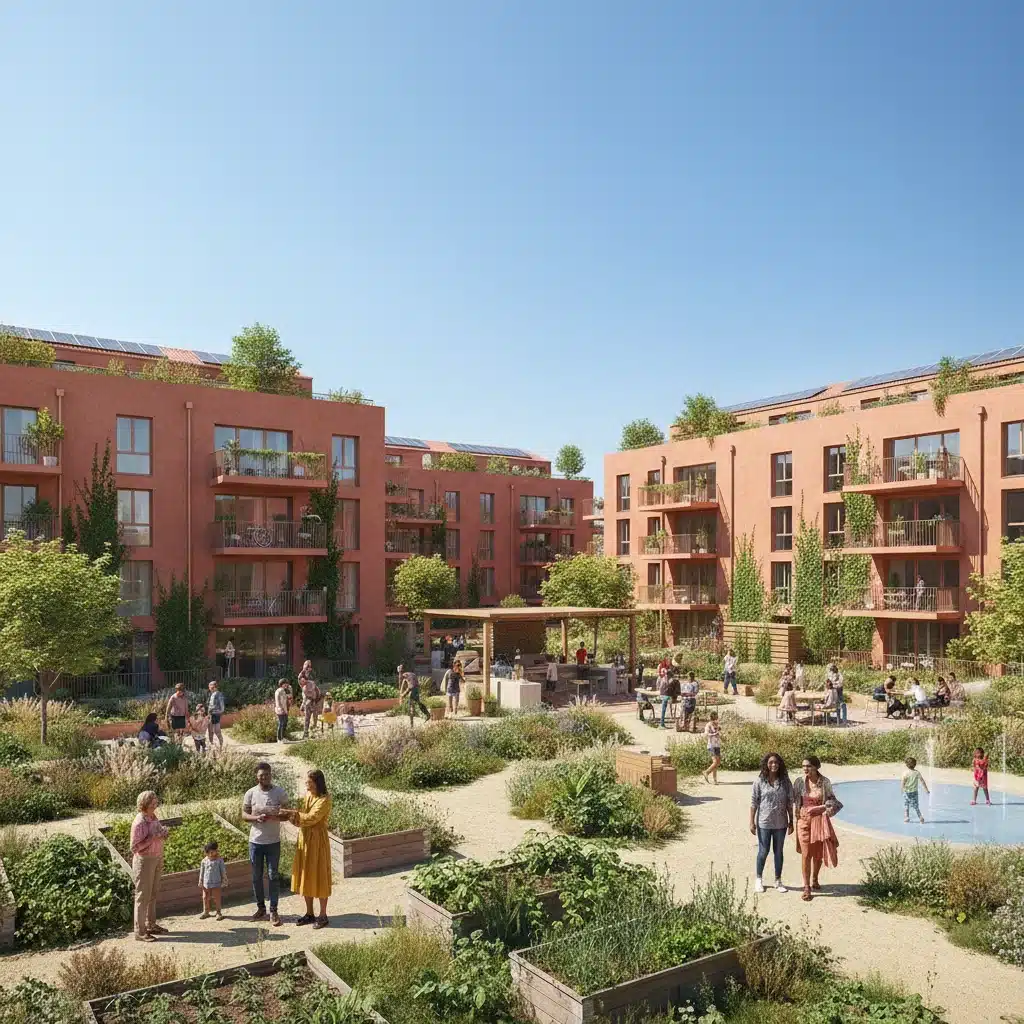
The 2026 Landscape of Affordable Housing: A Comparison of 4 Innovative National Models
The global challenge of affordable housing continues to escalate, making headlines and impacting millions of lives. As we look towards 2026, many nations are grappling with soaring property prices, stagnant wages, and an ever-widening gap between housing supply and demand. The dream of homeownership or even secure, affordable rental accommodation remains elusive for a significant portion of the population. This crisis isn’t just about brick and mortar; it’s about social equity, economic stability, and the fundamental right to dignified living. Without adequate affordable housing, communities suffer from increased homelessness, reduced social mobility, and heightened economic inequality. The implications extend to public health, education, and overall societal well-being. Recognizing the urgency, governments, non-profits, and private sector entities worldwide are exploring and implementing innovative strategies to address this multifaceted problem. While there’s no one-size-fits-all solution, examining successful and experimental approaches from different countries can provide invaluable insights and potential blueprints for future action. This article delves into the proactive measures being taken globally, focusing on four distinct and innovative national models that offer promising avenues for creating more equitable and accessible housing landscapes by 2026 and beyond. Understanding these diverse strategies is crucial for anyone interested in the future of urban development, social policy, and sustainable communities.
The Global Affordable Housing Crisis: A Pre-2026 Overview
Before diving into specific models, it’s essential to understand the pervasive nature of the affordable housing crisis. Factors contributing to this global predicament are numerous and interconnected. Rapid urbanization has led to an influx of people into cities, increasing demand for housing in already dense areas. Speculative real estate markets, often fueled by international investors, drive up property values, making them unaffordable for local residents. The rise of short-term rental platforms has also removed a significant portion of housing stock from the long-term rental market, further exacerbating scarcity. Additionally, construction costs, including land, materials, and labor, continue to climb, making it difficult for developers to build affordable units profitably without substantial subsidies. Income inequality plays a crucial role; as the gap between the rich and the poor widens, a larger segment of the population struggles to afford housing that meets basic standards of living. Regulatory hurdles, such as restrictive zoning laws and lengthy approval processes, can also impede the development of new housing units, especially those designated as affordable. The COVID-19 pandemic further exposed the fragility of housing systems, highlighting the disproportionate impact on vulnerable populations and underscoring the critical need for secure, stable housing. As we approach 2026, these challenges are not abating; in many regions, they are intensifying, demanding more creative and robust solutions. This complex interplay of economic, social, and political factors creates a landscape where traditional approaches are often insufficient, paving the way for the innovative models we will explore.
Defining Affordable Housing: More Than Just Low Rent
The term "affordable housing" often evokes images of subsidized apartments or social housing projects. However, its definition is far more nuanced and varies by context. Generally, housing is considered affordable if a household pays no more than 30% of its gross income on housing costs, including rent or mortgage payments, utilities, and insurance. When housing costs exceed this threshold, households are classified as "cost-burdened," and if they spend more than 50%, they are "severely cost-burdened." This definition ensures that residents have sufficient income remaining for other essential needs like food, healthcare, transportation, and education. Beyond mere cost, affordable housing encompasses several critical dimensions: adequacy, suitability, and security. Adequacy refers to the physical condition and amenities of the housing unit, ensuring it is safe, well-maintained, and equipped with necessary facilities. Suitability relates to the size and composition of the housing unit in relation to the household’s needs, preventing overcrowding. Security implies tenure stability, protecting residents from arbitrary eviction or displacement. Therefore, effective affordable housing models do not just focus on reducing costs; they also aim to provide quality, stable, and appropriate living environments that contribute to the overall well-being of individuals and families. The innovative national models we will examine understand these broader implications and strive to deliver comprehensive housing solutions that go beyond simply providing a roof over one’s head.
Model 1: The Vienna Model (Austria) – Public Housing at Scale
One of the most celebrated and enduring examples of successful affordable housing is the Vienna Model. Austria’s capital has a long-standing tradition of robust public housing provision, dating back to the "Red Vienna" era of the 1920s. Today, approximately 60% of Vienna’s population lives in municipally owned or subsidized housing, making it a global leader in accessible urban living. The core principle of the Vienna Model is that housing is a fundamental right, not merely a commodity. This philosophy underpins a system where the city actively engages in planning, financing, and managing a vast network of social housing. New developments are often built on publicly owned land, which significantly reduces costs. The city also employs a "developer competition" system, where private developers bid for contracts based not just on price, but also on architectural quality, ecological sustainability, social integration, and most importantly, the affordability of the proposed units. This ensures that new housing meets high standards while remaining accessible. Rent controls are strictly enforced, and tenants’ rights are strongly protected, providing long-term security. Furthermore, Vienna’s social housing is intentionally integrated into diverse neighborhoods, avoiding the creation of isolated "ghettos." These buildings often include mixed-income residents, fostering social cohesion. The city’s commitment to continuous investment, transparent governance, and a strong regulatory framework has allowed the Vienna Model to consistently deliver high-quality, truly affordable housing for the majority of its citizens, setting a benchmark for other cities worldwide struggling with similar challenges. Its success lies in its comprehensive, long-term approach and the political will to prioritize housing as a public good.
Key Components of the Vienna Model’s Success
- Extensive Public Land Ownership: The city’s ownership of significant land parcels allows it to control development costs and direct where and what type of housing is built. This minimizes speculative land price increases, a major driver of unaffordable housing in other cities.
- Developer Competitions with Quality Criteria: Instead of simply awarding contracts to the lowest bidder, Vienna evaluates proposals based on a holistic set of criteria including architectural design, ecological standards, social sustainability, and affordability. This ensures high-quality, livable, and integrated communities.
- Strict Rent Controls and Tenant Protections: Rents in social housing are set at affordable levels and are subject to strict regulations, preventing landlords from arbitrary increases. Long-term leases and strong tenant rights provide residents with security and stability.
- Mixed-Income and Socially Integrated Housing: Vienna consciously avoids segregating social housing. New developments are designed to accommodate a mix of income levels, fostering diverse communities and reducing social stigma often associated with affordable housing.
- Continuous Investment and Long-Term Vision: The city consistently invests in the construction and maintenance of its public housing stock, viewing it as a long-term asset and a public service. This sustained commitment ensures the system remains robust and responsive to evolving needs.
- Non-Profit Housing Associations: While the city owns a large portion, non-profit housing associations also play a crucial role in developing and managing affordable units, often with significant public subsidies and oversight.
Model 2: Singapore’s Housing & Development Board (HDB) – Home Ownership for All
Singapore, a small island nation with limited land, has achieved remarkable success in providing affordable housing through its Housing & Development Board (HDB) program. Established in 1960, the HDB’s mission is to provide quality and affordable public housing for Singaporeans. Today, over 80% of Singapore’s resident population lives in HDB flats, and a staggering 90% of these residents own their homes. This is a stark contrast to many developed nations where homeownership rates are significantly lower. The HDB model is unique because it primarily focuses on homeownership rather than rental, making it a powerful tool for wealth accumulation and social stability. The government acquires land, plans entire towns and estates, and constructs high-rise apartment blocks, which are then sold to eligible citizens at subsidized prices. Strict eligibility criteria ensure that HDB flats are reserved for Singaporean families, often with income ceilings and restrictions on owning other properties. A crucial aspect of the HDB system is the use of the Central Provident Fund (CPF), Singapore’s compulsory comprehensive savings plan. Citizens can use their CPF savings to pay for their HDB flat, making homeownership accessible even to lower-income households. The government also provides various grants and subsidies to further reduce the cost of flats, especially for first-time buyers and those from lower-income brackets. The HDB model is not without its critics, particularly regarding the long leasehold terms (99 years) and the potential for a "lease decay" issue as flats age. However, its undeniable success in providing a safe, clean, and affordable living environment for the vast majority of its citizens, coupled with a strong sense of community and national pride, makes it a compelling model for other land-scarce nations. The HDB’s integrated approach to urban planning, including amenities like schools, clinics, and hawker centers within estates, contributes to self-sufficient and vibrant communities.
How Singapore’s HDB Achieves Widespread Home Ownership
- Government-Led Development: The HDB is a statutory board under the Ministry of National Development, responsible for planning, designing, and building the majority of public housing. This centralized approach allows for efficient land acquisition and large-scale construction.
- Subsidized Sale Prices: HDB flats are sold at prices significantly below market rates, made possible through government subsidies and the use of publicly owned land. This makes homeownership attainable for a wide range of income groups.
- Central Provident Fund (CPF) Utilization: Singaporeans can use their mandatory CPF savings, which include contributions from both employees and employers, to fund their HDB flat purchases. This built-in savings mechanism is a cornerstone of the affordability strategy.
- Eligibility Criteria and Grants: Strict rules ensure that HDB flats primarily serve Singaporean citizens, with income ceilings and family nucleus requirements. Various grants are available, especially for first-time buyers, lower-income families, and those wishing to live near their parents.
- Integrated Town Planning: HDB estates are designed as self-contained towns with a full range of amenities, including schools, healthcare facilities, parks, and commercial centers. This holistic approach creates livable and convenient communities.
- Resale Market Regulation: While HDB flats can be resold on the open market after a minimum occupation period, certain rules and grants influence the resale prices, helping to maintain a degree of affordability and prevent excessive speculation.
Model 3: Germany’s "Wohnungsgenossenschaften" (Housing Cooperatives) – Member-Owned Affordability
Germany presents a distinct approach to affordable housing through its robust system of "Wohnungsgenossenschaften," or housing cooperatives. These cooperatives are member-owned, non-profit organizations that build, own, and manage rental housing for their members. Dating back to the 19th century, these cooperatives emerged as a response to poor living conditions and high rents during industrialization. Today, approximately 10% of German households live in cooperative housing, representing around 2 million units. The defining characteristic of these cooperatives is that members are both tenants and shareholders. By purchasing a share in the cooperative (which is often a manageable amount, refundable upon leaving), members gain the right to rent a cooperative apartment for life. This provides an unparalleled level of tenure security, as members cannot be evicted as long as they adhere to the cooperative’s rules and pay their "user fees" (rent). Rents in cooperative housing are typically significantly lower than market rates because the cooperatives are not driven by profit maximization. Any surplus generated is reinvested into maintaining and improving the housing stock or used to build new units. Furthermore, members have a democratic say in the cooperative’s decisions, fostering a strong sense of community and collective responsibility. The model encourages long-term residency and community engagement, contributing to stable and well-maintained neighborhoods. While requiring an initial capital outlay, the long-term benefits of secure, affordable, and high-quality housing, coupled with democratic participation, make German housing cooperatives a highly attractive and sustainable model for providing affordable housing. The cooperative model emphasizes solidarity and mutual aid, offering a powerful alternative to purely market-driven housing systems.
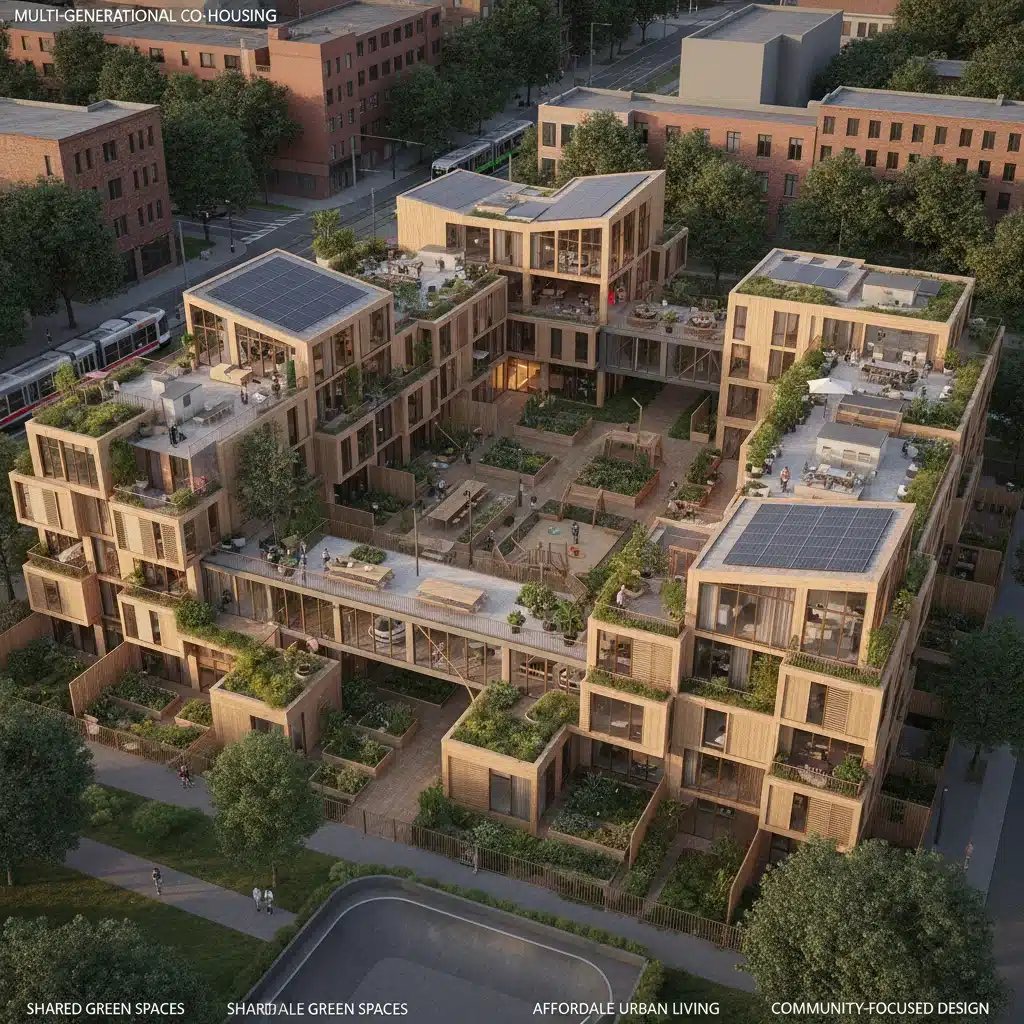
Advantages of the German Housing Cooperative Model
- Lifetime Tenure Security: Members have a right to live in their cooperative apartment for life, providing extreme stability and peace of mind, a stark contrast to typical rental markets.
- Affordable Rents: As non-profit entities, cooperatives prioritize affordability. Rents are typically lower than market rates, and increases are tightly controlled, often only to cover maintenance and operating costs.
- Democratic Participation: Members are owners and have voting rights in the cooperative’s general assembly, allowing them to influence decisions regarding their housing and community. This fosters a strong sense of ownership and engagement.
- Community Building: Cooperatives often feature shared spaces and encourage communal activities, leading to strong social bonds and supportive neighborhood environments.
- High Quality and Maintenance: With long-term residents and a focus on reinvestment, cooperative housing is generally well-maintained and built to last, benefiting from collective stewardship.
- Protection Against Speculation: The cooperative structure inherently protects housing from market speculation, as units are not bought and sold on the open market in the traditional sense.
Model 4: The Community Land Trust (CLT) Model (United States & UK) – Grounding Affordability in Perpetuity
The Community Land Trust (CLT) model, gaining significant traction in the United States and the UK, offers an innovative approach to ensuring long-term affordable housing. Unlike other models that focus on direct provision or subsidies for individual units, CLTs address the fundamental issue of land speculation. In a CLT, a non-profit organization acquires and holds land in perpetuity, removing it from the speculative market. The land is then leased to individuals or families who build or purchase homes on it. The key innovation lies in the ground lease: while the homeowner owns the building, the CLT retains ownership of the land. This separation of land and building ownership is crucial for maintaining affordability. When a homeowner decides to sell their CLT home, there are restrictions on the resale price, typically tied to a formula that allows the homeowner to gain some equity while ensuring the home remains affordable for the next low- or moderate-income buyer. This "resale formula" is designed to balance individual wealth creation with the preservation of long-term affordability for the community. CLTs are democratically governed, often with boards comprised of residents, community members, and public representatives, ensuring that decisions reflect the needs and interests of the community. Beyond housing, CLTs can also be used to steward land for community gardens, commercial spaces, and other public assets, fostering holistic community development. The CLT model is particularly appealing because it creates a permanent stock of affordable housing, immune to market fluctuations, and empowers communities to control their own development. While requiring initial funding for land acquisition and strong organizational capacity, CLTs represent a powerful, equitable, and sustainable strategy for combating the affordable housing crisis, especially in rapidly gentrifying areas. Their ability to deliver affordability across generations makes them a vital tool in the 2026 landscape of housing solutions.
Core Principles and Benefits of the CLT Model
- Permanent Affordability: By retaining ownership of the land and using a resale formula, CLTs ensure that homes remain affordable for successive generations of low- and moderate-income buyers, decoupling housing costs from market speculation.
- Stewardship of Land: CLTs view land as a common good rather than a commodity. They act as stewards, managing land for the long-term benefit of the community, not just for housing but potentially for other community assets.
- Community Control and Governance: CLTs are typically governed by a tripartite board (residents, community members, and public representatives), ensuring democratic decision-making and responsiveness to local needs.
- Individual Homeownership: While the land is owned by the CLT, residents own their homes, allowing them to build equity, enjoy the benefits of homeownership, and exercise control over their living spaces.
- Mixed-Income Communities: CLTs can be strategically developed to integrate affordable housing within broader neighborhoods, promoting social diversity and avoiding concentrations of poverty.
- Long-Term Stability: The model provides homeowners with secure tenure and protection from predatory lending or market volatility, contributing to stable communities.
- Flexible Applications: CLTs can be adapted to various contexts, from urban infill projects to rural developments, and can be used for rental housing, commercial spaces, and even agricultural land.
Comparing the Innovative Affordable Housing Models
Each of these four innovative national models offers a distinct approach to tackling the affordable housing crisis, reflecting different historical contexts, political ideologies, and economic realities. While they all aim to increase access to affordable housing, their mechanisms, beneficiaries, and scale differ significantly. The Vienna Model stands out for its massive scale of public provision, with the city government directly owning and managing a vast proportion of the housing stock. Its strength lies in its comprehensive, top-down planning and long-term commitment to housing as a public good, ensuring broad access to high-quality, genuinely affordable rental units for a majority of its citizens. The focus is on universal access and social integration through meticulously planned, mixed-income developments. The Singapore HDB Model, in contrast, prioritizes widespread homeownership, viewing it as a cornerstone of national identity and wealth creation. Its centralized, government-led approach to land acquisition, construction, and subsidized sales has successfully housed over 80% of its population, largely through a unique integration with the national CPF savings scheme. It’s a model of efficiency and scale, tailored to a land-scarce city-state. Germany’s Wohnungsgenossenschaften (housing cooperatives) represent a bottom-up, member-driven solution. They offer unparalleled tenure security and genuinely affordable rents through collective ownership and democratic governance, fostering strong communities and insulating housing from market speculation. This model emphasizes solidarity and mutual aid, providing a stable alternative for those seeking long-term rental security without the direct government control seen in Vienna or Singapore. Finally, the Community Land Trust (CLT) Model, while smaller in scale, offers a powerful tool for perpetual affordability by separating land and home ownership. It ensures that homes remain affordable for future generations, countering the effects of land speculation and empowering local communities through democratic stewardship of land. CLTs are particularly effective in preserving affordability in gentrifying areas and building community wealth. Each model demonstrates that with political will, innovative financing, and a commitment to social equity, it is possible to create more just and sustainable housing systems. The choice of which model or combination of models to adopt often depends on a nation’s unique circumstances, including its legal framework, economic structure, and cultural values. However, the success stories of Vienna, Singapore, Germany, and the growing impact of CLTs provide a rich tapestry of strategies for the global fight for affordable housing in 2026.
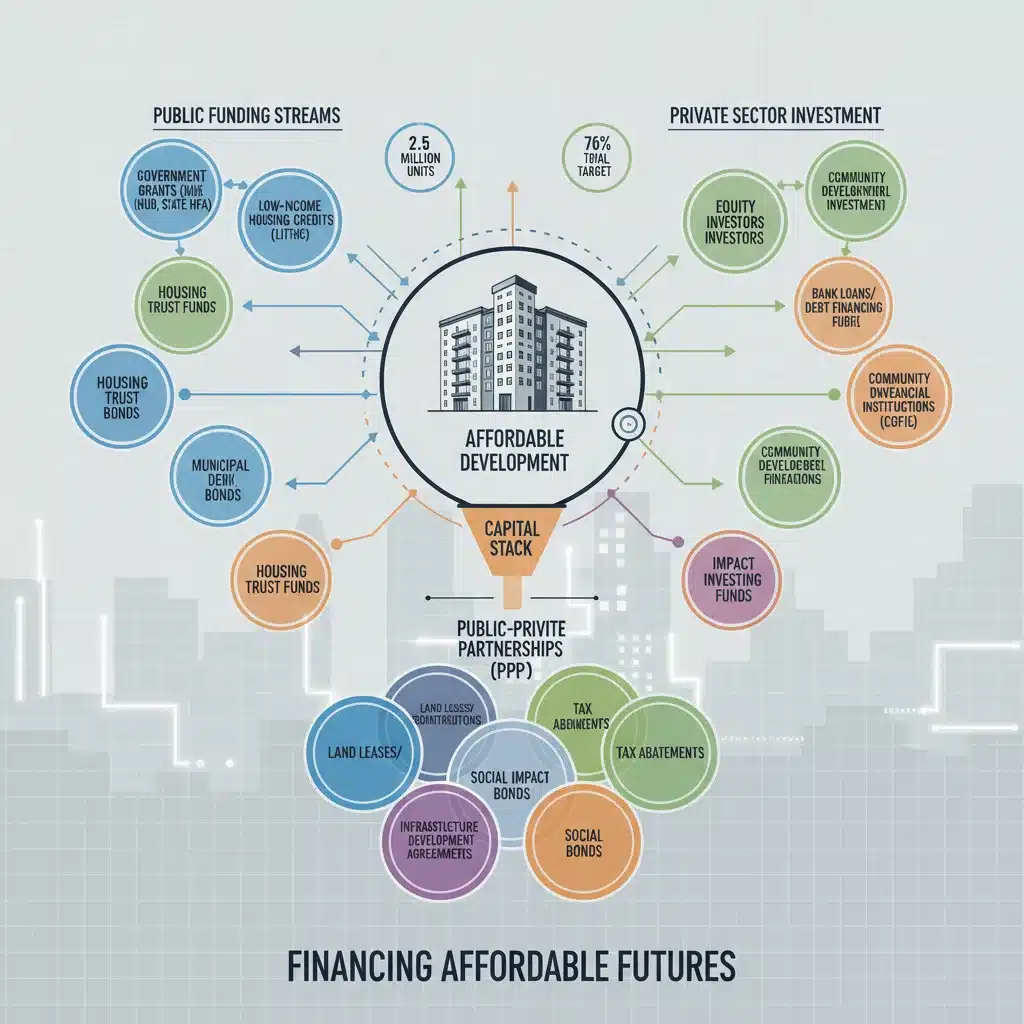
Challenges and Adaptability of Affordable Housing Models in 2026
While these innovative affordable housing models offer compelling solutions, their implementation and scalability come with their own set of challenges, particularly as we look towards 2026. The Vienna Model, for instance, requires significant and sustained public investment, extensive public land ownership, and strong political consensus to prioritize housing as a public good. Replicating this model in nations with different political economies, particularly those with strong private property rights and market-driven housing policies, would necessitate fundamental shifts in governance and resource allocation. The sheer scale of Vienna’s public housing stock is a result of decades of consistent policy, a timeframe many governments might find challenging to commit to. Similarly, the Singapore HDB Model, while highly effective, relies on a unique national savings scheme (CPF) and a highly centralized government structure that can acquire and develop land at a national scale. Such extensive state control over land and housing development might be difficult to implement in democratic societies with decentralized governance or strong individual property rights. Moreover, the long-term implications of 99-year leases and "lease decay" on property values and intergenerational wealth transfer remain a subject of ongoing debate and policy adjustment in Singapore. The German Housing Cooperative Model, while fostering community and affordability, typically requires an initial capital outlay from members (shares), which might be a barrier for the very lowest-income households. Its growth is also organic and decentralized, making rapid, large-scale expansion challenging compared to government-led initiatives. Furthermore, maintaining democratic engagement and strong governance within a large number of independent cooperatives requires ongoing effort and member participation. The Community Land Trust (CLT) Model, despite its perpetual affordability mechanism, faces hurdles in scaling up. Land acquisition, especially in high-cost urban areas, requires substantial upfront funding, often from philanthropic sources or government grants. Building organizational capacity and expertise within CLTs, which are often small non-profits, can also be a slow process. Integrating CLTs into existing planning and financing frameworks, which are often designed for conventional market-rate development, also presents a bureaucratic challenge. Furthermore, the "resale formula" needs careful calibration to ensure it remains fair to both current and future homeowners. Despite these challenges, the adaptability of these models is key. Elements of the Vienna Model, such as developer competitions with social criteria, can be adopted by cities. Singapore’s focus on integrating amenities within housing developments is a universal lesson in urban planning. The cooperative principles of Germany can inspire new forms of collective housing. And the CLT’s land stewardship approach can be a powerful tool in specific neighborhoods. Hybrid models, combining aspects of public provision, cooperative ownership, and land trusts, are likely to emerge as the most pragmatic and effective solutions for different contexts, demonstrating that while direct replication might be difficult, the underlying principles of these innovative models offer valuable lessons for a more equitable housing future in 2026.
The Future of Affordable Housing: Lessons for 2026 and Beyond
As we navigate the complexities of the affordable housing crisis towards 2026 and beyond, the four innovative national models discussed offer crucial lessons and potential pathways for action. While no single model is a panacea, their collective insights highlight several recurring themes vital for successful housing strategies. Firstly, a strong and sustained political will is paramount. Whether it’s Vienna’s century-long commitment to public housing, Singapore’s national imperative for homeownership, Germany’s support for cooperatives, or the grassroots efforts behind CLTs, consistent policy and financial backing from governments and communities are indispensable. Housing must be seen not just as a market commodity but as a fundamental human right and a cornerstone of social and economic stability. Secondly, innovative financing mechanisms are essential. Relying solely on market forces has proven insufficient. The use of public land, dedicated housing funds, integrated savings schemes like Singapore’s CPF, and creative public-private partnerships are critical for bridging the affordability gap. These mechanisms must be designed to reduce upfront costs, subsidize rents or purchase prices, and ensure long-term sustainability. Thirdly, the importance of community and social integration cannot be overstated. Models that prioritize mixed-income developments, foster democratic participation, and provide comprehensive amenities within neighborhoods tend to create more resilient and vibrant communities. Affordable housing should not lead to segregation but rather enhance social cohesion. Fourthly, long-term affordability and tenure security are key. Mechanisms like perpetual land trusts, strict rent controls, and lifetime tenancy in cooperatives are crucial for protecting residents from market volatility and ensuring that housing remains affordable for future generations. This long-term vision prevents the erosion of affordable housing stock over time. Finally, adaptability and a willingness to experiment with hybrid models will be crucial. Direct replication of a model from one country to another may not always be feasible due to differing legal, economic, and cultural contexts. However, extracting successful principles and adapting them to local conditions, perhaps combining elements of public provision with cooperative ownership or land trusts, offers the most promising path forward. For instance, cities could establish public land banks (inspired by Vienna) to reduce land costs for CLT developments or incentivize cooperative housing through favorable financing. The challenges of affordable housing are immense, but the successes of these innovative national models demonstrate that solutions are within reach. By learning from these diverse approaches and fostering a collaborative, long-term vision, we can work towards a 2026 where more people have access to safe, secure, and genuinely affordable housing, laying the foundation for more equitable and sustainable societies worldwide. The journey ahead requires courage, collaboration, and a unwavering commitment to the belief that everyone deserves a place to call home.
Conclusion: A Multifaceted Approach to Affordable Housing
The global affordable housing crisis is a multifaceted challenge demanding equally multifaceted solutions. Our exploration of four innovative national models – the public housing dominance of Vienna, the widespread homeownership facilitated by Singapore’s HDB, the member-owned security of German housing cooperatives, and the perpetual affordability offered by Community Land Trusts – reveals a rich tapestry of strategies. Each model, while distinct in its implementation and scale, shares a common thread: a deliberate and often systemic effort to counteract the speculative forces of the market and prioritize housing as a social good. The Vienna Model showcases the power of extensive public investment and planning, demonstrating how a city can provide high-quality, integrated housing for the majority of its citizens. Singapore’s HDB illustrates how a centralized, government-led approach, coupled with innovative financing, can achieve remarkable rates of homeownership in a land-scarce environment. Germany’s housing cooperatives highlight the enduring strength of collective ownership and democratic governance in delivering secure, affordable rental options. And the Community Land Trust model offers a powerful, community-driven mechanism for safeguarding long-term affordability by separating land from speculative markets. As we look to 2026, the lessons from these models are clear. A successful approach to affordable housing often requires a combination of strong political will, innovative and sustained financing, thoughtful urban planning that fosters social integration, and legal frameworks that prioritize long-term affordability and tenure security. There is no single magic bullet; instead, a blend of public, cooperative, and community-led initiatives, tailored to local contexts, is likely to yield the most impactful results. The future of affordable housing lies in embracing these diverse strategies, adapting them to new challenges like climate change and technological advancements, and fostering collaboration across all sectors. By understanding and drawing inspiration from these innovative national models, policymakers, urban planners, community organizers, and citizens can collectively work towards a future where affordable, dignified housing is not a privilege, but a reality for all.