Cybersecurity Threats 2026: 3 Insider Strategies to Protect Your Data from Advanced Persistent Threats (APTs)

Cybersecurity Threats 2026: 3 Insider Strategies to Protect Your Data from Advanced Persistent Threats (APTs)
In the rapidly evolving landscape of digital threats, businesses and governments face an unprecedented challenge: Advanced Persistent Threats (APTs). These sophisticated, stealthy, and prolonged attacks are designed to infiltrate networks, evade detection, and exfiltrate sensitive data over extended periods. Unlike opportunistic malware, APTs are meticulously planned, often backed by nation-states or highly organized criminal groups, and target specific organizations with high-value information. As we look towards 2026, the complexity and frequency of these attacks are only expected to escalate, making robust defense strategies not just a recommendation, but an absolute necessity.
Understanding the nature of Advanced Persistent Threats is the first step towards effective defense. These aren’t your typical smash-and-grab cyberattacks. APTs involve a multi-stage process: initial reconnaissance, gaining access (often through spear-phishing or zero-day exploits), establishing a foothold, escalating privileges, lateral movement within the network, and finally, data exfiltration. The ‘persistent’ aspect means attackers are prepared to maintain their presence for months or even years, continuously adapting their tactics to remain undetected while achieving their objectives. This makes traditional, perimeter-based security insufficient. Organizations must adopt a proactive, multi-layered approach that anticipates, detects, and responds to these advanced threats.
The financial and reputational costs associated with an APT breach can be catastrophic. Beyond the immediate monetary losses from data theft or operational disruption, there are long-term consequences such as loss of intellectual property, erosion of customer trust, regulatory fines, and competitive disadvantage. Therefore, investing in cutting-edge cybersecurity measures and developing a resilient security posture against Advanced Persistent Threats is paramount for any entity operating in the digital realm. This article will delve into three insider strategies that can significantly bolster your defenses and help protect your invaluable data from the most sophisticated attackers in 2026 and beyond.
Strategy 1: Proactive Threat Hunting and Continuous Monitoring
One of the most effective ways to combat Advanced Persistent Threats is to shift from a reactive to a proactive security model. Instead of waiting for an alert, organizations must actively hunt for threats within their networks. This involves dedicated security teams (or managed security service providers) constantly searching for anomalous activities, indicators of compromise (IoCs), and unusual patterns that might signify an ongoing attack or the presence of an APT actor. This proactive approach goes beyond automated defenses, leveraging human expertise and advanced analytical tools to uncover hidden threats.
Threat hunting is an iterative process that begins with hypotheses based on threat intelligence, industry trends, or internal observations. For example, a hypothesis might be: ‘Are there any unauthorized processes attempting to establish outbound connections to known command-and-control (C2) servers?’ Security analysts then use various tools – including Endpoint Detection and Response (EDR) solutions, Security Information and Event Management (SIEM) systems, and network traffic analysis tools – to test these hypotheses. They look for subtle deviations from normal behavior, such as unusual login times, elevated privileges for standard users, or unexpected data transfers to external locations. The goal is to detect the stealthy activities characteristic of Advanced Persistent Threats before they can cause significant damage.
Continuous monitoring complements threat hunting by providing real-time visibility into the network. This involves deploying robust SIEM solutions that aggregate logs from all critical systems, applications, and network devices. Advanced SIEM platforms, especially those augmented with Artificial Intelligence (AI) and Machine Learning (ML) capabilities, can analyze vast amounts of data to identify suspicious activities and behavioral anomalies that human analysts might miss. For instance, an AI-powered SIEM can detect a user account attempting to access sensitive files it has never accessed before, especially if this occurs outside of typical working hours – a classic indicator of an APT’s lateral movement or privilege escalation phase. The sheer volume of data generated in modern IT environments makes AI/ML indispensable for effective continuous monitoring against sophisticated Advanced Persistent Threats.
Furthermore, organizations should implement User and Entity Behavior Analytics (UEBA) solutions. UEBA tools baseline normal behavior for users and entities (e.g., servers, applications) and flag deviations that could indicate malicious activity. If an employee who typically accesses sales data suddenly starts trying to access HR records or server configurations, a UEBA system will detect this anomaly, providing an early warning sign of a potential APT intrusion. The combination of proactive threat hunting, continuous monitoring with advanced SIEM/AI, and UEBA forms a formidable first line of defense against the persistent nature of these advanced threats.
To make this strategy truly effective, regular training for security teams is crucial. Analysts must be proficient in using advanced analytics tools, understanding threat actor tactics, techniques, and procedures (TTPs), and developing strong investigative skills. Simulating APT attacks through red teaming exercises can also help security teams refine their threat hunting methodologies and improve their ability to detect sophisticated intrusions. This holistic approach ensures that the organization is not just reacting to known threats but actively seeking out and neutralizing emerging Advanced Persistent Threats.
Strategy 2: Robust Threat Intelligence Integration and Sharing
Knowledge is power, especially in cybersecurity. Integrating and actively utilizing robust threat intelligence is a cornerstone of defending against Advanced Persistent Threats. Threat intelligence provides context, indicators, and actionable insights into current and emerging threats, allowing organizations to anticipate attacks and strengthen their defenses proactively. This isn’t just about receiving a list of malicious IP addresses; it’s about understanding the ‘who, what, when, where, why, and how’ of cyberattacks.
Effective threat intelligence encompasses several categories: strategic, operational, and tactical. Strategic threat intelligence provides high-level insights into the global threat landscape, geopolitical motivations, and long-term trends, helping executives make informed security investments. Operational threat intelligence focuses on the TTPs of specific threat groups, their preferred attack vectors, and target industries. This is invaluable for security teams to understand how Advanced Persistent Threats operate and how to configure their defenses accordingly. Tactical threat intelligence consists of immediate, actionable indicators of compromise (IoCs) such as malicious IP addresses, domain names, file hashes, and specific malware signatures that can be fed directly into security tools like firewalls, IDS/IPS, and EDR solutions for automated blocking and detection.

Integrating threat intelligence into your security operations means more than just subscribing to a feed. It involves using platforms like Threat Intelligence Platforms (TIPs) that can ingest, normalize, and correlate intelligence from multiple sources. These platforms enrich raw data with context, prioritize threats, and integrate with existing security tools to automate detection and response. For instance, if a new zero-day exploit is being leveraged by a known APT group, timely threat intelligence can inform your vulnerability management team to patch critical systems immediately and update your intrusion detection systems to look for specific attack signatures, thereby preempting a potential attack by Advanced Persistent Threats.
Furthermore, participation in industry-specific Information Sharing and Analysis Centers (ISACs) or Information Sharing and Analysis Organizations (ISAOs) is crucial. These communities facilitate the secure sharing of threat intelligence among peers, allowing organizations to learn from each other’s experiences and collectively raise their defenses against common adversaries. When one member organization detects a new APT campaign or TTP, sharing this information quickly can enable others to protect themselves before they become targets. This collaborative defense model significantly enhances the collective resilience against sophisticated Advanced Persistent Threats.
In 2026, the maturity of AI and ML in threat intelligence will be even more pronounced. AI-powered threat intelligence platforms can analyze vast datasets, identify emerging attack patterns, and even predict potential APT campaigns based on historical data and geopolitical events. This predictive capability allows organizations to not only react faster but also to proactively harden their systems against anticipated attacks, moving beyond just blocking known IoCs to understanding and mitigating the underlying TTPs of Advanced Persistent Threats. The goal is to build a defense that is as adaptive and intelligent as the adversaries themselves.
Strategy 3: Robust Incident Response and Recovery Planning
Even with the most advanced preventative measures, no organization is entirely immune to Advanced Persistent Threats. The ‘persistent’ nature of APTs means that, given enough time and resources, a determined attacker may eventually breach defenses. Therefore, having a robust, well-tested incident response (IR) and recovery plan is not just a best practice; it is a critical component of a resilient security strategy. A strong IR plan minimizes the impact of a breach, facilitates rapid containment, and ensures business continuity.
An effective incident response plan for Advanced Persistent Threats must be comprehensive, covering preparation, identification, containment, eradication, recovery, and post-incident analysis. During the preparation phase, organizations must establish a dedicated IR team, define roles and responsibilities, develop communication protocols, and ensure all necessary tools and resources are in place. This includes forensic tools, secure communication channels, and legal counsel. Regular training and tabletop exercises are essential to ensure the IR team can execute the plan effectively under pressure. Understanding the specific TTPs of APTs allows the IR team to tailor their response strategies to these unique threats.
The identification phase focuses on detecting the breach. This is where the continuous monitoring and threat hunting discussed in Strategy 1 become critical. Once an anomaly is detected, the IR team must quickly determine if it’s a false positive or a genuine security incident. For APTs, identification often involves deep forensic analysis to confirm the presence of an attacker, understand their entry point, and assess the scope of the compromise. This often requires highly specialized skills to uncover the stealthy tactics employed by Advanced Persistent Threats.
Containment is about limiting the damage and preventing further spread. This might involve isolating affected systems, segmenting network segments, or even temporarily taking systems offline. For APTs, containment is particularly challenging because attackers are often deeply embedded and have established multiple footholds. The IR team must meticulously identify all compromised systems and eliminate all backdoors and persistence mechanisms. This phase requires a delicate balance between containing the threat and maintaining critical business operations.
Eradication involves removing the threat entirely from the environment. This means cleaning all infected systems, patching vulnerabilities that were exploited, and revoking compromised credentials. For Advanced Persistent Threats, eradication can be a complex process, as attackers often use sophisticated techniques to maintain persistence and may attempt to re-enter the network if not thoroughly removed. This phase often requires rebuilding compromised systems from trusted backups to ensure complete removal of malicious code.
Recovery focuses on restoring systems and services to full operation, ensuring data integrity, and verifying that the threat has been completely neutralized. This includes restoring data from clean backups, bringing systems back online in a controlled manner, and rigorously testing security controls. The goal is to resume normal business operations with minimal disruption and ensure that the organization is more resilient against future attacks by Advanced Persistent Threats. The recovery process should be carefully documented and verified to prevent re-infection.
Finally, post-incident analysis is a crucial step that is often overlooked. This involves a thorough review of the incident to identify root causes, understand what worked well, and pinpoint areas for improvement in the security posture and IR plan. Lessons learned from an APT incident can be invaluable in refining defenses, updating threat intelligence, and improving the overall resilience of the organization against future Advanced Persistent Threats. This continuous improvement loop is vital for staying ahead of sophisticated adversaries.
Regular testing of the IR plan through simulations and drills is non-negotiable. Tabletop exercises, functional exercises, and full-scale simulations help identify weaknesses in the plan, train personnel, and ensure that all stakeholders understand their roles. For APTs, these exercises should specifically simulate the multi-stage, stealthy nature of such attacks, challenging the IR team to detect and respond to persistent threats over an extended period. This preparedness is key to effectively managing the inevitable.
The Evolving Landscape of Advanced Persistent Threats in 2026
Looking ahead to 2026, several trends will shape the landscape of Advanced Persistent Threats. We can anticipate an increased use of AI and machine learning by attackers to automate reconnaissance, develop more sophisticated malware, and evade detection. Supply chain attacks, where APT actors compromise a trusted vendor to gain access to their clients, will likely become even more prevalent. The proliferation of IoT devices and the expansion of cloud infrastructure will also introduce new attack surfaces that APTs will readily exploit.
Furthermore, the geopolitical environment will continue to fuel nation-state sponsored APT activities, targeting critical infrastructure, intellectual property, and government agencies. The line between cyber espionage and cyber warfare will blur even further, making the defense against Advanced Persistent Threats a matter of national security and economic stability. Ransomware, already a significant threat, may evolve to become a component of APT campaigns, where data exfiltration is followed by encryption, adding another layer of extortion.
To counteract these evolving threats, organizations must continuously adapt their security strategies. This means not only implementing the three insider strategies discussed but also investing in emerging technologies like Zero Trust Architecture, advanced data loss prevention (DLP) solutions, and robust identity and access management (IAM) systems. The principle of ‘assume breach’ must permeate security thinking, driving a focus on detection and response capabilities rather than solely relying on prevention.
Zero Trust, in particular, is gaining traction as a fundamental shift in security philosophy. Instead of trusting anything inside the network perimeter, Zero Trust requires strict identity verification for every person and device attempting to access resources, regardless of whether they are inside or outside the network. This approach significantly hampers the lateral movement capabilities of Advanced Persistent Threats, as attackers cannot simply move unchallenged once they gain initial access.
Moreover, employee education and awareness remain a critical, yet often underestimated, defense layer. Many APTs begin with social engineering tactics, such as spear-phishing. Equipping employees with the knowledge to recognize and report suspicious emails or activities can act as an early warning system, preventing the initial breach that APTs rely upon. Regular, engaging security awareness training that simulates real-world phishing attempts is essential to build a human firewall against Advanced Persistent Threats.
Conclusion
Protecting data from Advanced Persistent Threats in 2026 demands a sophisticated, multi-faceted approach. The three insider strategies discussed – proactive threat hunting and continuous monitoring, robust threat intelligence integration and sharing, and comprehensive incident response and recovery planning – form the bedrock of an effective defense. These strategies move beyond traditional reactive security, embracing a proactive, intelligent, and resilient posture designed to withstand the most determined adversaries.
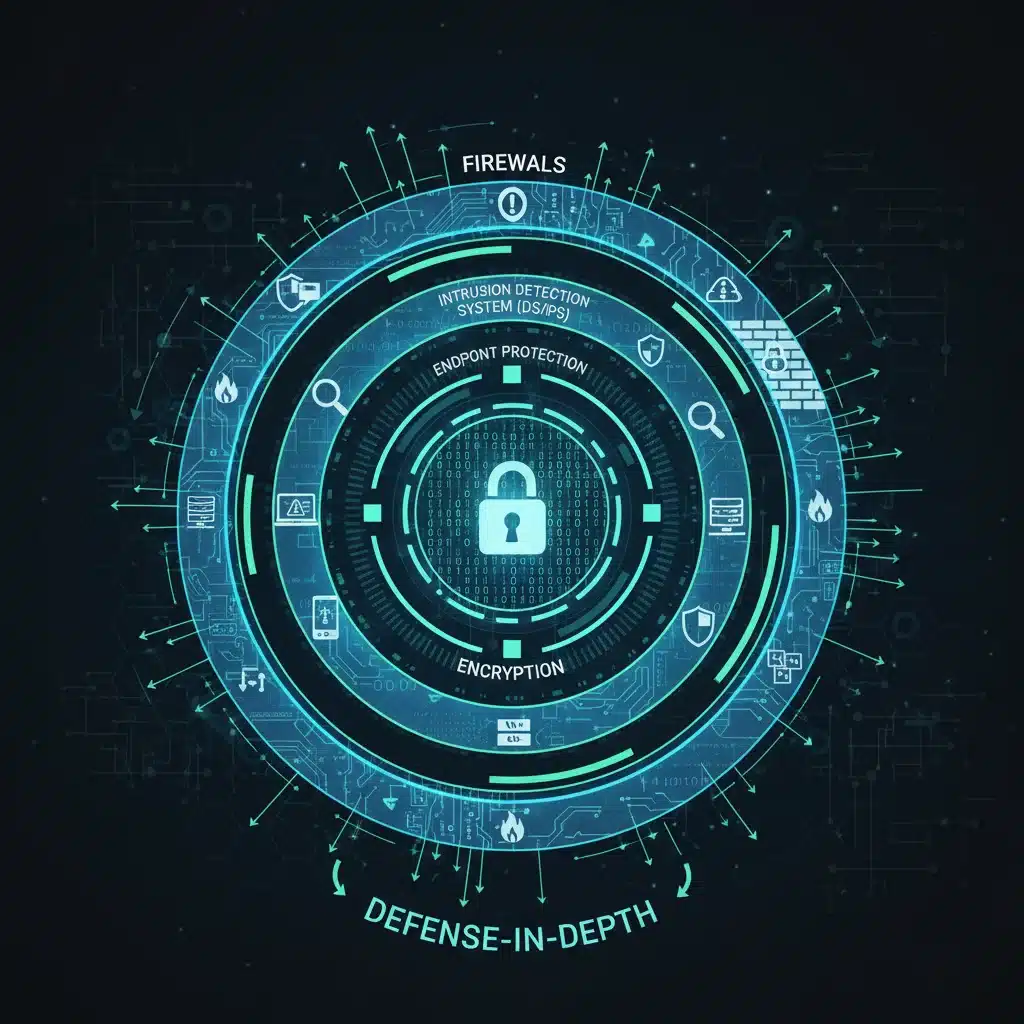
No single tool or technique can guarantee complete immunity from APTs. Instead, a layered defense-in-depth strategy, combining advanced technology with human expertise, continuous improvement, and collaborative intelligence sharing, is essential. Organizations must foster a culture of security, where every employee understands their role in protecting sensitive information. By implementing these insider strategies, businesses and governments can significantly enhance their resilience, safeguard their invaluable data, and navigate the complex cybersecurity landscape of 2026 with greater confidence against the ever-present threat of Advanced Persistent Threats.
The battle against APTs is ongoing and constantly evolving. Staying informed, adaptable, and proactive is not just an advantage; it is a necessity for survival in the digital age. Embrace these strategies, continuously refine your defenses, and empower your teams to become the frontline guardians against the sophisticated and persistent threats that lie ahead.