Global Hotspots 2026: US Foreign Policy Implications
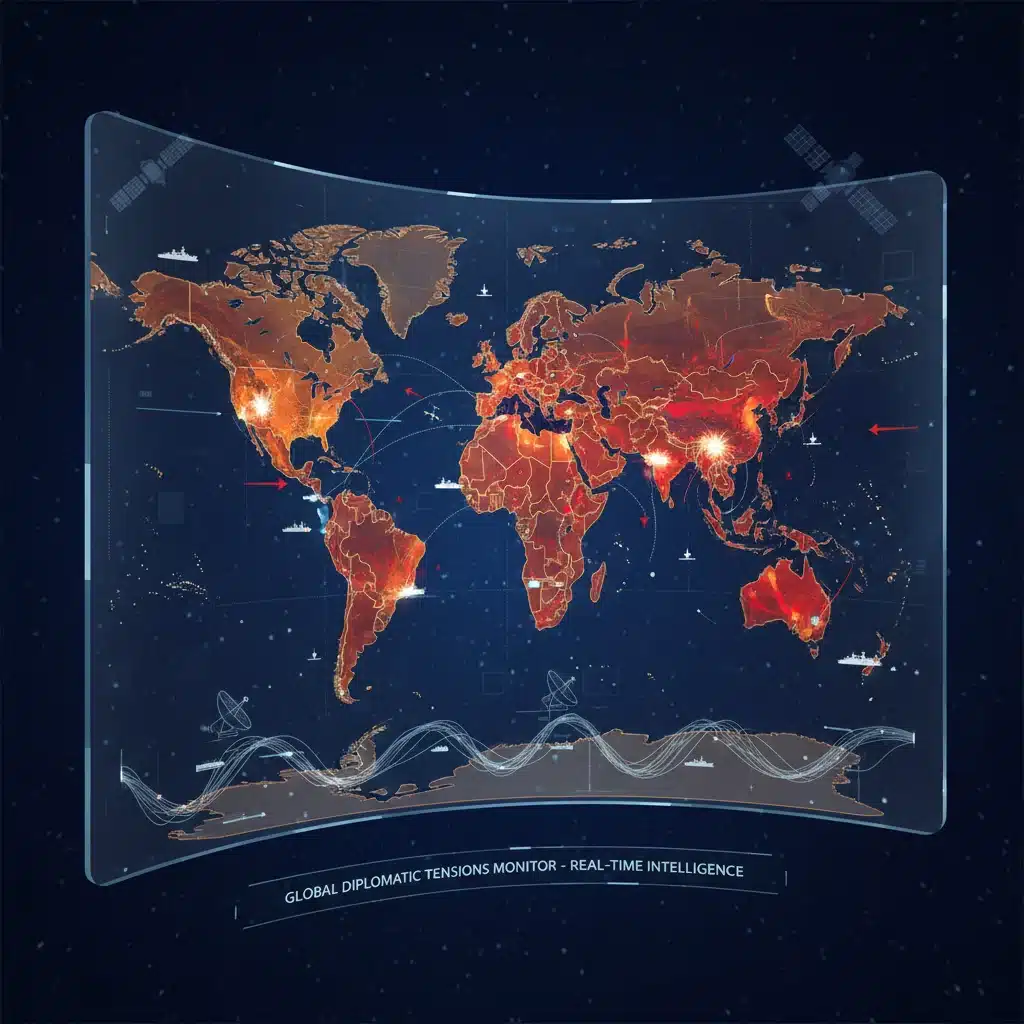
The geopolitical landscape is a constantly shifting tableau, and as we look towards 2026, several regions stand out as critical global hotspots 2026, demanding focused attention from policymakers and international observers alike. These areas, characterized by complex historical grievances, competing national interests, and the ever-present shadow of great power competition, hold significant implications for U.S. foreign policy. Understanding these dynamics is not merely an academic exercise; it is essential for safeguarding international stability, promoting economic prosperity, and protecting American interests abroad. This comprehensive analysis will delve into five key global hotspots, exploring their intricate challenges and the direct impact they are poised to have on U.S. diplomatic strategies, defense postures, and economic engagements in the coming years.
The United States, as a global superpower, has an inherent stake in maintaining a stable international order. The interconnectedness of our world means that conflicts or instability in seemingly distant regions can quickly ripple across continents, affecting everything from energy prices and trade routes to humanitarian crises and the spread of extremist ideologies. Therefore, proactively identifying and analyzing these global hotspots 2026 is a cornerstone of effective foreign policy. This article aims to provide a detailed overview of these critical regions, offering insights into the underlying causes of tension, potential future trajectories, and the strategic choices facing Washington.
The Enduring Conflict in Eastern Europe: A Test of Resolve
The ongoing conflict in Eastern Europe remains a paramount concern and a defining global hotspot 2026. The Russian aggression against Ukraine has fundamentally reshaped the European security architecture and forced a re-evaluation of post-Cold War assumptions. As we approach 2026, the conflict’s trajectory will continue to dictate much of U.S. and NATO strategy. The implications for U.S. foreign policy are multifaceted, touching upon military aid, economic sanctions, alliance cohesion, and the broader contest between democratic values and authoritarian expansionism.
Military and Security Implications
For the U.S., the primary implication is the sustained commitment to bolstering NATO’s eastern flank. This involves increased troop deployments, enhanced military exercises, and continued provision of advanced weaponry to Ukraine and other frontline states. The goal is deterrence – to prevent further Russian expansion and to signal an unwavering commitment to Article 5 of the NATO treaty. This commitment places a significant strain on defense budgets and requires a delicate balance between providing sufficient support and avoiding direct escalation with a nuclear power. The U.S. will need to continue investing in intelligence gathering and cyber defense capabilities, as this conflict has highlighted the critical role of hybrid warfare tactics.
Economic Sanctions and Global Energy Markets
The extensive sanctions regime imposed on Russia by the U.S. and its allies has had a profound impact on the global economy, particularly energy markets. As we move into 2026, the U.S. will face ongoing challenges in managing these sanctions, ensuring their effectiveness, and mitigating their unintended consequences on global energy prices and supply chains. Diversifying energy sources, investing in renewable energy, and working with international partners to stabilize markets will be key priorities. Furthermore, the U.S. will need to counter Russian attempts to circumvent sanctions and to maintain a united front among allies, which can be challenging given varying national economic interests.
Diplomatic and Alliance Management
The conflict has reinvigorated NATO, but also exposed some internal divisions. U.S. foreign policy in 2026 will heavily focus on maintaining alliance cohesion, coordinating diplomatic efforts, and ensuring a unified message to Russia. This includes supporting Ukraine’s eventual reconstruction and integration into European structures, while also engaging in strategic dialogue with Moscow where necessary to de-escalate tensions and prevent miscalculation. The U.S. will also need to address concerns from countries in the Global South regarding the conflict’s impact on food and energy security, preventing Russia from exploiting these vulnerabilities to undermine international consensus.
The South China Sea: A Geopolitical Chessboard
The South China Sea remains a critical global hotspot 2026, characterized by competing territorial claims, strategic waterways, and a growing military presence from several nations, most notably China. This region is vital for global trade, with an estimated one-third of global shipping passing through its waters. The implications for U.S. foreign policy are centered on freedom of navigation, regional stability, and the credibility of U.S. alliances in the Indo-Pacific.
Freedom of Navigation Operations (FONOPs)
The U.S. will continue to conduct Freedom of Navigation Operations (FONOPs) in the South China Sea to challenge excessive maritime claims and uphold international law. These operations are crucial for demonstrating that the U.S. does not recognize China’s expansive claims and for reassuring allies in the region. However, FONOPs carry inherent risks of accidental confrontation, requiring careful planning and de-escalation protocols.
Alliance Reinforcement and Security Partnerships
A key pillar of U.S. strategy in the South China Sea is strengthening alliances and security partnerships with countries like the Philippines, Vietnam, and other ASEAN members. This involves joint military exercises, intelligence sharing, and capacity building to enhance their maritime defense capabilities. The AUKUS security pact (Australia, UK, U.S.) and the Quadrilateral Security Dialogue (Quad) are also vital components of this strategy, aiming to create a network of like-minded partners to counterbalance China’s growing influence. The challenge for U.S. foreign policy is to balance these security commitments with diplomatic engagement to prevent the region from becoming overly militarized.
Economic and Trade Considerations
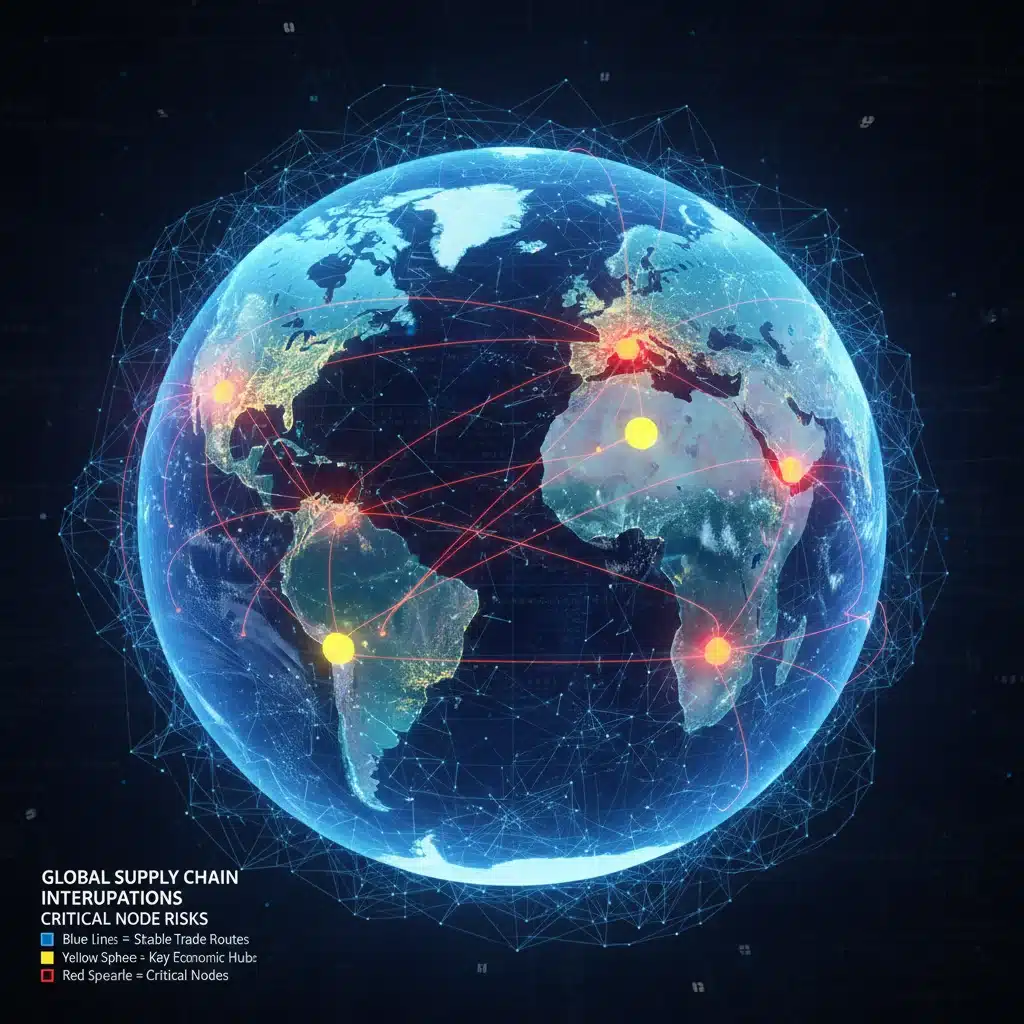
The South China Sea’s importance to global trade means that any significant disruption could have severe economic consequences worldwide. U.S. foreign policy will need to focus on ensuring the continued free flow of commerce through these waters. This includes diplomatic efforts to encourage peaceful resolution of disputes, as well as economic initiatives that offer alternatives to reliance on China, fostering resilience in global supply chains. The U.S. will also need to address the economic coercion tactics employed by China against its neighbors, supporting countries that stand up to such pressure.
The Middle East: Persistent Instability and Evolving Alliances
The Middle East, a historically volatile region, continues to be a significant global hotspot 2026. While the nature of the challenges may evolve, the underlying factors of sectarian divides, regional power struggles, and the lingering threat of terrorism persist. The implications for U.S. foreign policy are complex, ranging from energy security and counter-terrorism efforts to human rights and the promotion of regional stability.
Iran’s Nuclear Ambitions and Regional Proxy Wars
Iran’s nuclear program and its extensive network of proxy forces across the region remain a primary concern. U.S. foreign policy in 2026 will likely involve a combination of diplomatic pressure, sanctions, and credible deterrence to prevent Iran from acquiring nuclear weapons. Simultaneously, the U.S. will need to address Iran’s destabilizing activities through its proxies in Iraq, Syria, Lebanon, and Yemen, which fuel regional conflicts and humanitarian crises. This often involves supporting regional partners in their defense against these threats, while also seeking diplomatic off-ramps.
Israel-Palestine Conflict and Regional Normalization
The perennial Israel-Palestine conflict continues to be a source of instability and a major global hotspot 2026. While the Abraham Accords have opened avenues for normalization between Israel and several Arab states, the core issues of Palestinian statehood and security remain unresolved. U.S. foreign policy will face the challenge of encouraging a two-state solution while navigating complex regional dynamics and maintaining strong relations with both Israel and key Arab partners. The U.S. will need to leverage its diplomatic influence to de-escalate tensions and support initiatives that foster long-term peace and stability.

Counter-Terrorism and Humanitarian Concerns
Despite significant gains, the threat of extremist groups like ISIS and Al-Qaeda persists in various pockets of the Middle East and North Africa. U.S. foreign policy will continue to prioritize counter-terrorism efforts, often in partnership with local forces, through intelligence sharing, capacity building, and targeted operations. Alongside this, the region faces immense humanitarian challenges due to ongoing conflicts and displacement. The U.S. will need to sustain humanitarian aid efforts and advocate for the protection of civilians, often in coordination with international organizations.
The Sahel Region of Africa: A Crisis of Governance and Security
The Sahel region, stretching across Africa from Senegal to Sudan, has emerged as a critical global hotspot 2026, grappling with a complex interplay of poverty, climate change, weak governance, and the proliferation of extremist groups. This instability has profound implications for regional security, migration flows, and the broader fight against global terrorism, directly impacting U.S. foreign policy.
Rise of Extremist Groups and Security Challenges
The Sahel has become a fertile ground for various jihadist groups, including affiliates of ISIS and Al-Qaeda. These groups exploit local grievances, ethnic tensions, and the absence of state authority to establish footholds, launch attacks, and destabilize governments. U.S. foreign policy will be challenged to support regional counter-terrorism efforts, which often involve military training, intelligence support, and logistical assistance. However, the U.S. must also be mindful of the political sensitivities and potential for unintended consequences of military interventions, especially in countries with fragile democratic institutions.
Governance Deficits and Humanitarian Crises
Underlying the security crisis in the Sahel are deep-seated issues of poor governance, corruption, and lack of economic opportunity. These factors contribute to widespread discontent and make populations vulnerable to recruitment by extremist organizations. U.S. foreign policy in 2026 will need to emphasize good governance, rule of law, and democratic development. This involves diplomatic pressure, foreign aid programs focused on education, health, and economic development, and support for civil society organizations. The region also faces severe humanitarian crises, including food insecurity and mass displacement, exacerbated by climate change. The U.S. will play a crucial role in providing humanitarian assistance and advocating for sustainable solutions.
Migration and Regional Stability
The instability in the Sahel is a significant driver of internal displacement and international migration, impacting neighboring countries and even Europe. U.S. foreign policy will need to engage with regional and international partners to manage these migration flows, address their root causes, and support host communities. This requires a comprehensive approach that combines security measures with development aid and diplomatic engagement to foster long-term stability and resilience in the region.
The Indo-Pacific: Navigating Great Power Competition
Beyond the South China Sea, the broader Indo-Pacific region represents a vast and economically dynamic global hotspot 2026, where the strategic competition between the U.S. and China is most acutely felt. This region, home to over half the world’s population and a significant portion of global GDP, presents both immense opportunities and significant challenges for U.S. foreign policy. The implications extend to economic partnerships, technological competition, and regional security architectures.
Economic Engagement and Trade Alliances
The Indo-Pacific is central to global trade and economic growth. U.S. foreign policy in 2026 will prioritize strengthening economic ties with key partners in the region, such as Japan, South Korea, Australia, and India. This involves promoting open trade, investing in critical infrastructure, and fostering technological cooperation. Initiatives like the Indo-Pacific Economic Framework for Prosperity (IPEF) aim to provide an alternative to China’s economic influence, focusing on resilient supply chains, clean energy, and fair trade practices. The challenge is to ensure these economic engagements are robust enough to offer attractive alternatives and mitigate economic coercion.
Technological Competition and Cybersecurity
The Indo-Pacific is at the forefront of technological innovation, but also a battleground for technological supremacy. U.S. foreign policy will focus on safeguarding critical technologies, promoting secure 5G networks, and countering intellectual property theft. This also involves strengthening cybersecurity defenses with allies and partners to protect against state-sponsored cyberattacks and espionage. The U.S. will need to navigate the delicate balance of promoting technological collaboration while protecting national security interests and maintaining a competitive edge.
Regional Security Architectures and Deterrence
The U.S. will continue to reinforce its hub-and-spoke alliance system in the Indo-Pacific, strengthening bilateral treaties with countries like Japan, South Korea, and Australia. Simultaneously, it will invest in multilateral security frameworks like the Quad and AUKUS to create a more integrated and resilient regional security architecture. The goal is to deter aggression, maintain regional stability, and ensure a free and open Indo-Pacific. This requires significant military presence, advanced defense capabilities, and credible deterrence strategies, while also leaving room for diplomatic engagement with China on areas of mutual interest.
Conclusion: Navigating a Complex Global Landscape
The global hotspots 2026 outlined above represent significant challenges and opportunities for U.S. foreign policy. From the ongoing conflict in Eastern Europe to the strategic competition in the Indo-Pacific, the U.S. must navigate a complex and interconnected world with skill, foresight, and a commitment to its values and interests. The implications are profound, touching upon national security, economic prosperity, and the promotion of democratic governance worldwide.
Effective U.S. foreign policy in 2026 will require a multifaceted approach:
- Strengthening Alliances: Maintaining and building strong alliances remains the bedrock of U.S. global influence. Collaborative efforts with partners amplify diplomatic leverage and distribute the burden of global security.
- Strategic Deterrence: A credible and adaptable military posture is essential to deter aggression and protect U.S. interests, particularly in regions like Eastern Europe and the Indo-Pacific.
- Robust Diplomacy: Engaging in proactive and creative diplomacy is crucial for de-escalating tensions, resolving conflicts, and finding common ground even with adversaries.
- Economic Statecraft: Leveraging economic tools, including sanctions, trade agreements, and development aid, can promote stability, foster prosperity, and counter coercive economic practices.
- Addressing Root Causes: Acknowledging and addressing the underlying causes of instability – such as poverty, climate change, and weak governance – is vital for long-term solutions, particularly in regions like the Sahel.
- Technological Leadership: Maintaining a lead in critical technologies and safeguarding cyber infrastructure is paramount for both economic competitiveness and national security.
The challenges presented by these global hotspots 2026 are formidable, but not insurmountable. By adopting a comprehensive, agile, and values-driven foreign policy, the United States can continue to play a leading role in shaping a more secure, prosperous, and stable world. The decisions made and the actions taken in these critical regions will define the contours of international relations for years to come, underscoring the urgency and importance of informed engagement.