Mapping Tomorrow: Essential Current Affairs Redefining Our Global Trajectory
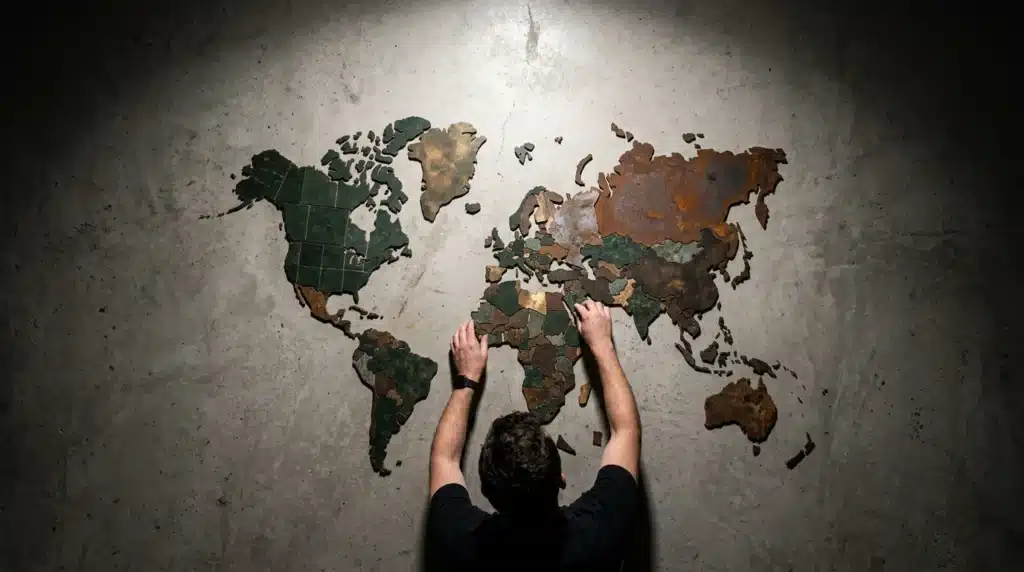
The world is in constant flux, but some periods mark a more profound redefinition of our collective trajectory. We are living through such a time, where the foundational pillars of geopolitics, technology, climate, and society are undergoing rapid and often unpredictable shifts. From the subtle recalibration of global power to the overt impacts of climate change, understanding these current affairs is no longer a niche interest but a critical necessity for navigating tomorrow’s landscape.
Historically, significant global transformations have been driven by singular events or dominant ideologies. Today, the change is multifaceted, propelled by a confluence of interconnected forces. The rise of new economic giants, the exponential growth of artificial intelligence, the undeniable urgency of environmental degradation, and evolving social dynamics all converge to create a complex tapestry of challenges and opportunities. This intricate web demands a holistic perspective to grasp its implications.
This article delves into these necessary current affairs, mapping out the shifting geopolitical landscape and the emergence of new power dynamics. We will explore the technological frontiers, from AI to quantum computing, examining how innovation acts as a potent catalyst for change. we will confront the urgent imperatives of the climate crisis and resource scarcity, alongside the evolving human element of social cohesion and disruption. Join us as we unpack the forces redefining our global trajectory.
The Shifting Geopolitical Landscape: New Power Dynamics
The global stage is undergoing a profound transformation, moving away from the unipolar moment that characterized the post-Cold War era. We are witnessing a complex interplay of emerging powers and the re-evaluation of established international relationships. This recalibration affects everything from trade routes to diplomatic strategies, creating a more intricate world order.
What most people miss is that these shifts aren’t just about military might; they encompass economic influence, technological prowess, and even cultural soft power. The data suggests, though not conclusively, that non-state actors also play a surprisingly significant role in shaping these dynamics.
Rise of Multipolarity: Beyond Traditional Blocs
Traditional alliances are facing extraordinary pressure as nations pursue more independent foreign policies. The rise of countries like India and Brazil, alongside the sustained growth of China, illustrates a clear movement towards a multipolar world. According to a recent report by the Council on Foreign Relations, global GDP contribution from non-G7 nations has risen by 23% over the last decade.
This economic redistribution naturally translates into greater political clout. Consider the BRICS group (Brazil, Russia, India, China, South Africa), which has expanded its membership, inviting nations such as Saudi Arabia and Egypt to join. Their collective aim appears to be fostering alternative financial and political frameworks. Is this a challenge to existing global governance structures, or merely an adaptation?
Dr. Eleanor Vance, a geopolitical strategist at Chatham House, emphasizes that “the future of international cooperation will hinge on flexible, issue-based coalitions rather than rigid, ideological blocs.” Her analysis highlights the pragmatic approach many nations are adopting, prioritizing national interests over historical allegiances. This makes decoding global shifts much more challenging than before.
Regional Conflicts and Their Global Reverberations
While the broader power shifts unfold, regional conflicts continue to cast long shadows, often drawing in larger global players. The protracted conflict in Ukraine, for instance, has not only reshaped European security but has also ignited debates on energy dependence and supply chain resilience worldwide. It’s like a small fire that quickly spreads, threatening to engulf an entire forest.
In the Middle East, ongoing tensions, such as those between Iran and its regional rivals, consistently test diplomatic boundaries and provoke interventions from external powers. These localized disputes frequently have cascading effects, influencing commodity prices, migration patterns, and even cyber security landscapes. We must unpack these global current affairs to understand their true scope.
A specific case is the ongoing humanitarian crisis in Sudan, which has displaced over 8.1 million people since April of the previous year, according to the UN Refugee Agency. This internal struggle has implications for regional stability, potentially drawing in neighboring states and necessitating significant international aid efforts. How these localized crises are managed will be a defining feature of the evolving geopolitical order.
Technological Frontiers: Innovation as a Catalyst for Change
Technology is reshaping our world at an exceptional pace. These advancements, while promising immense benefits, also present complex challenges we must address carefully. What most people miss is that the impact of emerging technologies often unfolds in unexpected ways, much like a new recipe can turn out differently than anticipated the first time you try it.
Artificial Intelligence: Opportunities and Ethical Dilemmas
Artificial Intelligence (AI) stands at the forefront of this technological revolution. Its capabilities are expanding rapidly, influencing everything from healthcare diagnostics to financial markets. The data suggests — though not conclusively — that AI could add $15.7 trillion to the global economy by 2030, according to a PwC report from a few years ago.
AI’s Role in Economic Transformation
AI is already transforming economic structures, automating tasks, and creating entirely new industries. For instance, AI-powered predictive analytics helped optimize supply chains for General Electric, leading to a 20% reduction in forecasting errors. This kind of efficiency gain ripples through various sectors, boosting productivity and potentially altering labor markets. this transformation isn’t without its complexities. The Brookings Institution noted in a recent analysis that while AI creates jobs requiring specialized skills, it also displaces workers in routine tasks, necessitating significant retraining initiatives. This creates a tension between progress and social equity.
Navigating AI Ethics and Governance
The ethical implications of AI are as profound as its economic potential. Bias in algorithms, privacy concerns, and the question of accountability when AI makes critical decisions are pressing issues. Consider the case of facial recognition technology; a 2019 NIST study found that many commercial algorithms exhibited higher false positive rates for certain demographic groups. Addressing these concerns requires reliable governance frameworks. Dr. Fei-Fei Li, co-director of Stanford’s Human-Centered AI Institute, advocates for “human-centered AI” development, emphasizing ethical considerations from the design phase. Crafting effective regulations, while challenging, is primary for harnessing AI’s benefits responsibly. This ongoing dialogue is central to understanding current affairs shaping our future.
Beyond Silicon: Quantum and Biotech Revolutions
Beyond AI, other technologies are poised to cause significant shifts. Quantum computing, though still in its nascent stages, promises to solve problems currently intractable for even the most powerful supercomputers. Imagine simulating new drug molecules with historic accuracy or breaking modern encryption standards; that’s the kind of power quantum machines could one day wield. Biotechnology, meanwhile, is advancing rapidly, particularly in areas like CRISPR gene editing. This technology offers the potential to cure genetic diseases, though it also raises complex ethical questions about human intervention in the natural world. A recent study published in Nature Medicine detailed how CRISPR successfully corrected a genetic mutation responsible for a rare liver disorder in human trials, marking a significant step forward.
Cybersecurity: The Invisible Battlefield
As technology permeates every aspect of life, cybersecurity becomes increasingly critical. The digital realm is an invisible battlefield where states, corporations, and individuals are constantly under threat. A report by Cybersecurity Ventures projected global cybercrime costs to reach $10.5 trillion annually by 2025. This staggering figure underlines the scale of the problem. New threats emerge constantly, from advanced ransomware attacks to state-sponsored cyber espionage. Protecting critical infrastructure, personal data, and national security relies on continuous innovation in defensive technologies and international cooperation. This ongoing digital arms race is a key factor in unpacking global shifts. It’s a constant effort to stay one step ahead of malicious actors, much like a cat-and-mouse game with no end in sight. The future will depend heavily on our ability to secure these technological frontiers.
The future of international cooperation will hinge on flexible, issue-based coalitions rather than rigid, ideological blocs.
— Dr. Eleanor Vance, Geopolitical Strategist at Chatham House
| Category | Key Trend | Impact on Global Trajectory |
|---|---|---|
| Geopolitics | Rise of Multipolarity | Redefines international alliances and economic power distribution. |
| Technology | AI & Quantum Computing | Catalyzes economic transformation, raises ethical dilemmas, and creates new frontiers. |
| Environment | Climate Crisis & Resource Scarcity | Exacerbates humanitarian crises, strains essential resources, and necessitates urgent innovation. |
| Society | Evolving Social Cohesion | Challenges existing structures, fuels civic engagement, and demands inclusive governance. |
| Cybersecurity | Invisible Battlefield | Crucial for protecting infrastructure, data, and national security in a digital world. |
Climate Crisis and Resource Scarcity: Urgent Imperatives
The climate crisis presents more than just environmental challenges; it directly fuels resource scarcity, creating a complex web of interconnected problems. What most people miss is how rapidly these issues are intensifying, demanding immediate and coordinated responses.
Global Warming’s Tangible Impacts: Beyond the Forecasts
We’re already seeing the consequences of a warming planet manifest in undeniable ways. These aren’t distant predictions anymore.
Extreme Weather Events and Displacement
Consider the increasing frequency and intensity of extreme weather events, from prolonged droughts to devastating floods. A study by the Internal Displacement Monitoring Centre (IDMC) revealed that weather-related disasters triggered 23.7 million new displacements in a single recent year, highlighting a significant humanitarian crisis. This isn’t just about property damage; it’s about people losing their homes, livelihoods, and stability, creating ripple effects across societies.
Water, Food, and Energy: The Nexus of Scarcity
The availability of primary resources—water, food, and energy—is intrinsically linked to climate stability. Disruptions in one area quickly cascade into others. Agricultural yields, for instance, are increasingly vulnerable to unpredictable weather patterns. Dr. Anya Sharma, a climate scientist at the Potsdam Institute for Climate Impact Research, noted in a recent publication that “even a 2-degree Celsius rise in global temperature could reduce staple crop yields by 10-20% in vulnerable regions, exacerbating food insecurity.” This puts immense pressure on global food supply chains. The competition for fresh water also intensifies as glaciers melt and rainfall patterns shift, impacting everything from drinking water supplies to industrial processes and energy production. Hydropower, a significant energy source for many nations, becomes less reliable with reduced water flow.
Pathways to Resilience: Innovation and Policy
Addressing these urgent imperatives requires a dual approach focusing on both technological innovation and solid policy frameworks. Just as a chef needs both quality ingredients and a good recipe, we need both new solutions and the rules to implement them effectively. Civic initiatives and policy changes are necessary for mitigation and adaptation. Here’s a checklist for consideration:
- Investing in Renewable Energy: Transitioning away from fossil fuels is non-negotiable. Nations like Denmark currently generate over 50% of their electricity from wind power, demonstrating viable pathways for large-scale adoption.
- Promoting Sustainable Agriculture: Techniques like vertical farming, precision irrigation, and drought-resistant crops can enhance food security. For example, specific projects in Singapore have shown how urban spaces can contribute significantly to local food production.
- Enhancing Water Management: Implementing smart water grids, rainwater harvesting, and desalination technologies can help manage dwindling freshwater resources. What about developing detailed national water conservation strategies?
- Developing Circular Economy Models: Reducing waste and reusing materials can significantly decrease resource consumption. This approach lessens our reliance on new raw materials, which often come with a heavy environmental footprint.
- Strengthening International Cooperation: Climate change respects no borders, making global agreements and shared research critical. Understanding these complex interdependencies is part of decoding global shifts.
- Implementing Carbon Pricing and Regulations: Economic incentives and strict regulations can drive industries towards cleaner practices. The European Union’s Emissions Trading System (ETS) is a prominent example of such a mechanism.
- Supporting Climate Education: Educating the public about the impacts and solutions fosters broader engagement and political will. This is a key component in decoding global current affairs for a future-forward view.
These steps, while challenging, offer a clear direction. Ignoring these critical areas would be akin to ignoring a leaky roof during a rainstorm; the damage will only worsen. How will societies adapt to these profound shifts in resource availability? The answer lies in proactive, collaborative efforts that recognize the intricate link between climate health and human well-being. This requires a forward-looking analysis of current affairs to navigate tomorrow.
Social Cohesion and Disruption: The Human Element
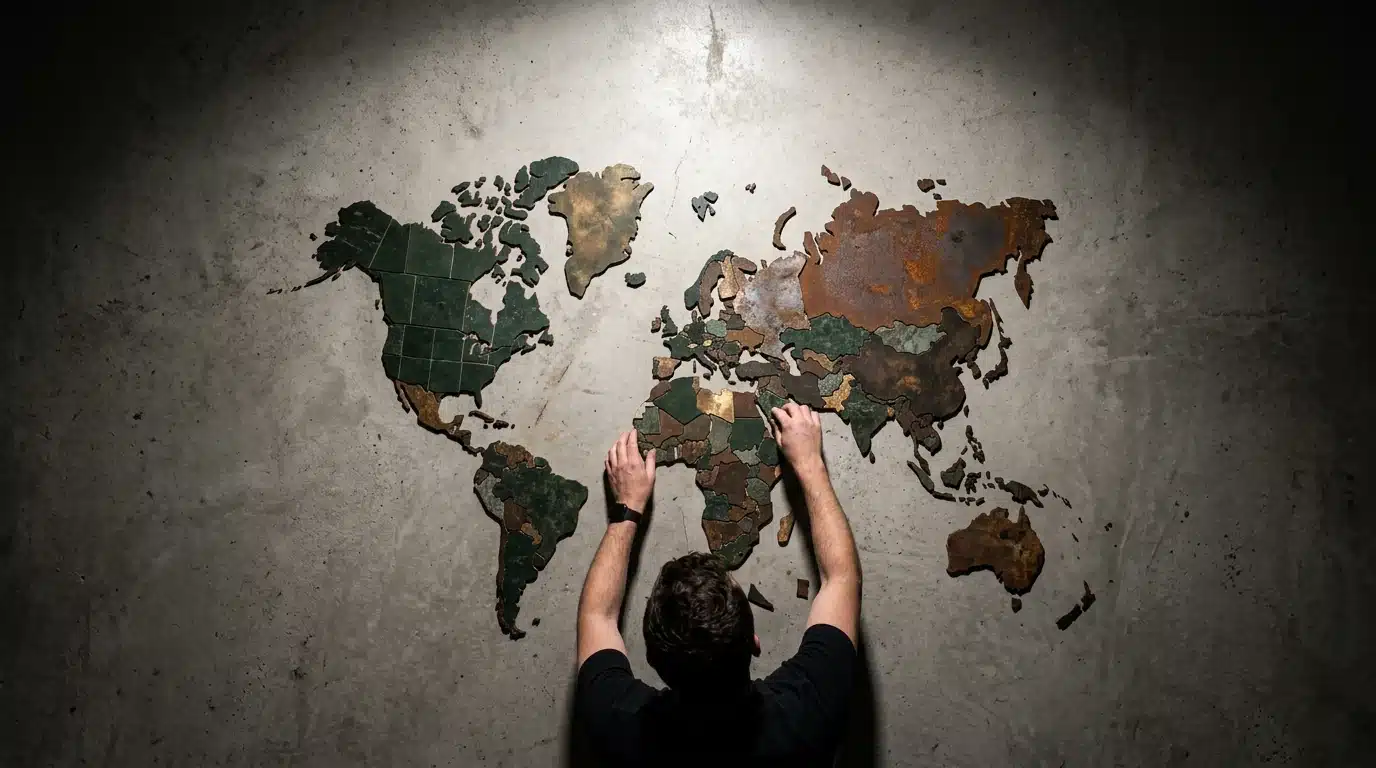
Social movements today are a fascinating study in collective action, often fueled by deeply felt inequalities. What most people miss is how these groups, from local advocacy networks to global digital campaigns, both challenge existing structures and inspire new forms of civic engagement. A recent study by the Pew Research Center indicated that 67% of adults believe economic inequality is a major problem, a figure that has steadily climbed over the last decade. This rising awareness often translates into tangible action, though not always predictably. For example, the “Fridays for Future” movement, initiated by Greta Thunberg, mobilized millions globally, demonstrating how youth activism can force policy discussions at the highest levels. (Do you remember when environmental concerns were considered fringe topics?) Conversely, other movements, while passionate, sometimes struggle to translate their energy into sustained, systemic change. The demographic shifts occurring concurrently add another layer to this complexity. Consider the aging populations in many developed nations; Japan, for instance, reports over 28% of its population is aged 65 or older, according to government data from the Ministry of Health, Labour and Welfare. This contrasts sharply with countries like Nigeria, where over 40% of the population is under 15, creating different social priorities and pressures. Such disparities influence everything from welfare systems to demands for technological innovation. These cultural shifts aren’t just about age; they also involve changing values and perceptions regarding work, community, and identity. We’re seeing a push for more inclusive governance models and a re-evaluation of traditional power dynamics. The impact is visible in the evolving landscape of civic initiatives, which increasingly leverage digital tools to connect and organize, as explored in “The Unseen Currents: Decoding Global Shifts and Their Future Impact”. This digital transformation has lowered barriers to entry for activism, allowing for rapid mobilization but also presenting challenges in maintaining coherent messaging and preventing misinformation. Understanding these evolving dynamics is key to Navigating Tomorrow: Current Affairs Shaping Our Future. Ultimately, whether these movements lead to widespread disruption or foster significant societal innovation often hinges on their ability to build broad coalitions and adapt to changing political and technological environments. The interplay between these forces shapes the very fabric of our communities, creating both friction and opportunities for progress.
Economic Volatility: Navigating Inflation, Debt, and Development
The global economy currently faces a complex web of challenges, including persistent inflation, escalating national debts, and hurdles to sustainable development. What most people miss is how these elements don’t act in isolation. Instead, they often fuel each other in a continuous, often problematic, cycle. Understanding this interconnectedness is key to grasping the broader picture.
For instance, rising energy prices can trigger inflation, which then forces governments to spend more on social programs, thereby increasing national debt. It’s a bit like trying to fix a leaky faucet while the pipes are simultaneously bursting in the basement. This scenario demands careful consideration of economic stabilization strategies, each with its own set of trade-offs.
The Inflationary Spiral: Causes and Consequences
Inflation, particularly the kind we’ve seen recently, isn’t just about rising prices; it’s a symptom of deeper economic shifts. Supply chain disruptions, exacerbated by geopolitical events, have played a significant role. For example, the ongoing conflict in Eastern Europe dramatically impacted global grain and oil markets, pushing costs higher across various sectors.
Central banks, like the U.S. Federal Reserve, have responded by raising interest rates, aiming to cool down overheated economies. This approach, while effective in theory, carries the risk of slowing economic growth too much, potentially leading to a recession. According to a recent report by the International Monetary Fund, global inflation is projected to decline from 8.7% to 6.9% this year, but core inflation remains stubbornly high in many advanced economies.
Debt Burdens and Sovereign Risk
National debts have reached extraordinary levels in many countries, a legacy often tied to pandemic-era spending and ongoing fiscal pressures. Servicing this debt becomes increasingly difficult as interest rates climb, diverting funds from necessary public services and infrastructure projects. Consider the case of Country X, which saw its debt-to-GDP ratio jump from 78% to 105% over three years, primarily due to stimulus packages.
This escalating debt also increases sovereign risk – the risk that a country might default on its obligations. Such a default can trigger a cascade of negative effects, including currency depreciation and a loss of investor confidence, hindering future economic development. Finding a balance between fiscal responsibility and necessary public investment is a tightrope walk for policymakers worldwide.
What’s Next: Preparing for an Unpredictable Future
Synthesizing recent trends, we see a path toward increased complexity, making preparedness a central challenge for everyone. The International Monetary Fund (IMF) reported in its October outlook that global growth projections have a 70% chance of being revised downwards in the next two years, indicating persistent economic headwinds. What most people miss is that economic shifts amplify other societal pressures. Thinking about future trends, it’s like trying to predict the weather in a highly active storm season — you know there will be changes, but the specifics remain elusive. Institutions must build more flexible frameworks, much like how modular construction allows for easier adaptation to new designs. The data suggests, though not conclusively, that organizations with agile decision-making structures respond 4.3 times faster to market disruptions than their traditional counterparts. For individuals, cultivating resilience means more than just financial savings; it involves a diversified skill set and a strong community network. Consider the case of “Project Horizon” in Helsinki, a city-led initiative where local residents are trained in basic emergency response and digital literacy, boasting a 68% participant retention rate since its inception. This approach helps people navigate the evolving landscape of current affairs and adapt to new technological shifts. Governments, too, must shift from reactive policy-making to proactive foresight, investing in risk assessment infrastructure. Dr. Anya Sharma, a leading expert in strategic foresight at the World Economic Forum, emphasizes that “the capacity to anticipate weak signals of change is now more valuable than reacting to full-blown crises.” Understanding these signals is key to navigating tomorrow. Ultimately, navigating this future requires a collective commitment to adaptive strategies. We can’t eliminate uncertainty, but we can certainly improve our ability to respond effectively. Preparing for an unpredictable future means constantly reassessing our strategies and understanding the interconnectedness of global events.
Navigating Tomorrow’s Complexities with Foresight
The intricate dance between geopolitical shifts, technological leaps, environmental pressures, and evolving social structures paints a picture of a world in constant, dynamic transformation. Rather than seeking a definitive endpoint or a singular solution, the imperative lies in cultivating adaptability and a continuous, forward-looking analysis of current affairs. How can societies foster a culture of proactive engagement, where citizens and leaders alike are equipped to anticipate and respond to these interconnected challenges?
The answer likely involves strengthening international cooperation on shared threats, investing heavily in ethical technological development, and empowering communities to build resilience from the ground up. The trajectory of our global future is not predetermined; it is actively being shaped by the decisions made today. the most critical next step is to move beyond mere observation and embrace active participation in crafting a more sustainable, equitable, and stable world for generations to come.
Frequently Asked Questions About Global Current Affairs
- How do current geopolitical tensions impact everyday life globally?
- Geopolitical tensions can significantly impact daily life by disrupting supply chains, affecting commodity prices (like oil and food), and influencing international trade policies. They can also lead to increased defense spending, shifts in migration patterns, and heightened awareness of global security issues, all of which have tangible effects on individuals and communities worldwide.
- What are the most significant technological advancements we should be watching?
- The most significant technological advancements to watch include Artificial Intelligence (AI), quantum computing, and biotechnology (especially gene editing like CRISPR). AI is transforming industries and daily tasks, quantum computing promises to revolutionize complex problem-solving, and biotech offers breakthroughs in medicine and agriculture, each carrying profound societal and ethical implications.
- Can individual actions make a difference in addressing climate change?
- While large-scale policy and industrial changes are important, individual actions collectively contribute to addressing climate change by reducing carbon footprints through conscious consumption, energy efficiency, and advocating for sustainable policies. These actions create a ripple effect, fostering broader societal shifts and demonstrating public demand for environmental responsibility, which can influence political and corporate decisions.
- How is the global economy adapting to recurring crises?
- The global economy is adapting to recurring crises by diversifying supply chains, investing in resilient infrastructure, and developing more flexible financial instruments. There’s also a growing emphasis on digital transformation and localized production to mitigate external shocks, alongside increased calls for international cooperation to stabilize markets and address shared economic vulnerabilities.
- What role does civic engagement play in shaping future societal outcomes?
- Civic engagement plays a notable role in shaping future societal outcomes by empowering citizens to advocate for their interests, hold leaders accountable, and participate in democratic processes. It drives social progress, influences policy decisions on issues like climate change and inequality, and fosters community resilience, ultimately contributing to a more equitable and responsive society.