US Green Energy Grid: Infrastructure Upgrades & Carbon Reduction by 2030
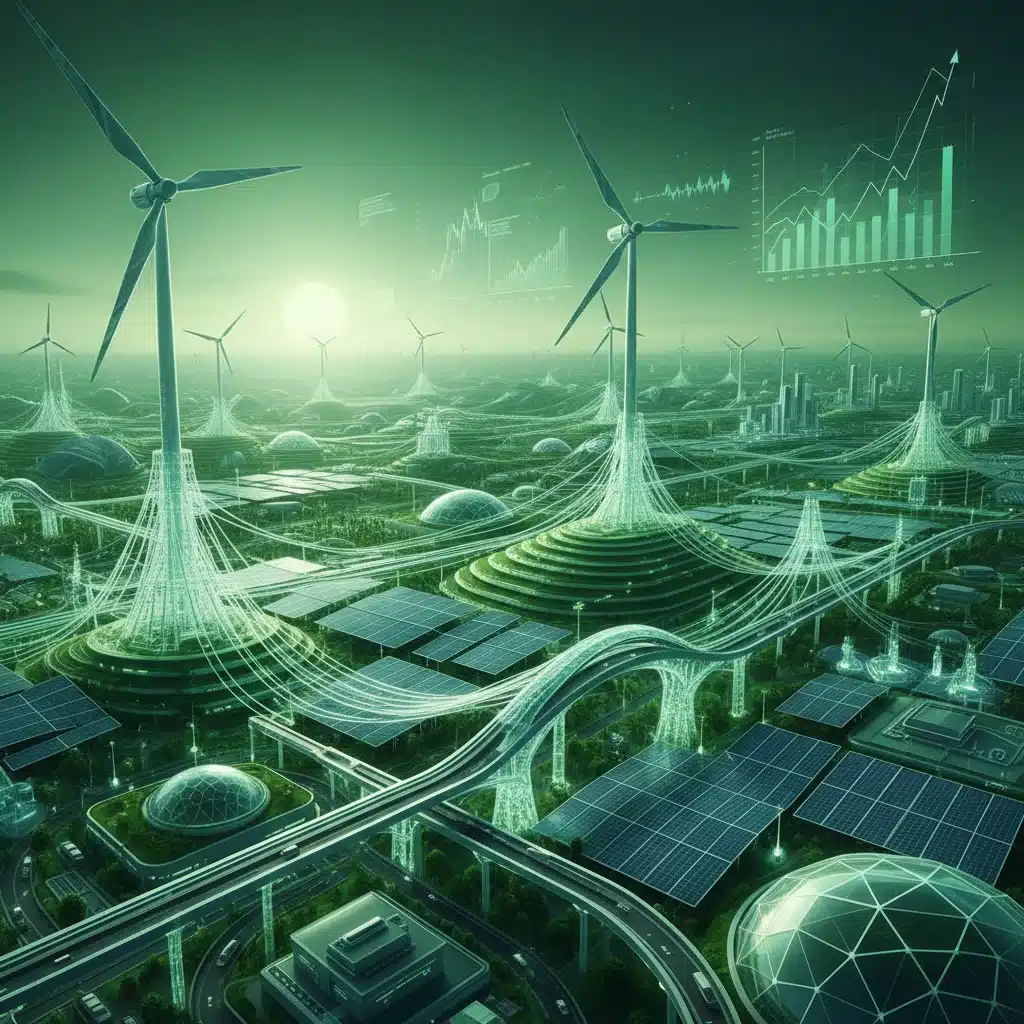
Transforming the US Green Energy Grid: A Path to 30% Carbon Reduction by 2030
The United States stands at a pivotal moment in its energy history. With an ambitious target to reduce carbon emissions by 30% by 2030, the nation is embarking on a monumental transformation of its green energy grid. This isn’t just about adding more solar panels and wind turbines; it’s about a fundamental reimagining of how we generate, transmit, and consume power. This comprehensive overhaul of the green energy grid infrastructure promises not only environmental benefits but also significant economic opportunities and challenges. Understanding the scope, financial implications, and projected impacts of these upgrades is crucial for policymakers, industry leaders, and the general public alike.
The urgency of climate change has propelled renewable energy to the forefront of national policy. The commitment to a 30% reduction in carbon emissions by 2030 is a bold declaration, signaling a determined shift away from fossil fuels. Achieving this goal hinges heavily on the successful modernization and expansion of the nation’s green energy grid. This involves not only integrating a higher proportion of renewable sources but also making the grid smarter, more resilient, and more efficient. The journey to a cleaner energy future is complex, requiring substantial investment, innovative technological solutions, and a cohesive national strategy.
The Imperative for a Modernized Green Energy Grid
For decades, the US electrical grid has been largely reliant on a centralized, one-way system designed for fossil fuel power plants. This architecture is ill-suited to the intermittent and geographically dispersed nature of renewable energy sources like solar and wind. To effectively harness the potential of these clean energy technologies, a robust, flexible, and intelligent green energy grid is indispensable. The current infrastructure, aging and often vulnerable to extreme weather events and cyber threats, simply cannot support the energy demands of the 21st century while simultaneously meeting ambitious decarbonization targets.
The benefits of a modernized green energy grid extend far beyond carbon reduction. Enhanced grid resilience means fewer power outages and quicker recovery times during natural disasters. Improved efficiency reduces energy waste, lowering costs for consumers and businesses. The integration of smart technologies allows for better management of energy flow, enabling demand response programs and optimizing the use of renewable resources. Moreover, a robust green energy grid facilitates the electrification of transportation and other sectors, further accelerating the transition to a low-carbon economy. This transformative vision of the green energy grid is not merely an aspiration but a critical necessity for a sustainable and prosperous future.
Addressing the Challenges of Intermittency and Storage in the Green Energy Grid
One of the primary challenges in integrating high levels of renewable energy into the green energy grid is their inherent intermittency. Solar power is only available when the sun shines, and wind power depends on wind speed. To ensure a stable and reliable power supply, advanced energy storage solutions are paramount. Battery storage, particularly utility-scale lithium-ion batteries, is rapidly becoming a cornerstone of the modernized green energy grid. These systems can store excess renewable energy generated during peak production times and release it when demand is high or renewable output is low, effectively smoothing out fluctuations and enhancing grid stability. Beyond batteries, other storage technologies such as pumped-hydro storage, compressed air energy storage, and even hydrogen production are being explored and deployed to support the green energy grid.
Furthermore, managing the variability of renewable sources requires sophisticated grid management systems. Artificial intelligence and machine learning algorithms are being developed to forecast renewable energy output with greater accuracy and to optimize energy dispatch across the green energy grid. These smart grid technologies enable real-time monitoring, control, and optimization of energy flows, ensuring that supply consistently meets demand. The development and deployment of these advanced technologies are critical components of upgrading the green energy grid, allowing for the seamless integration of diverse renewable sources and ensuring energy security.
Financial Impact: Investing in the Future of the Green Energy Grid
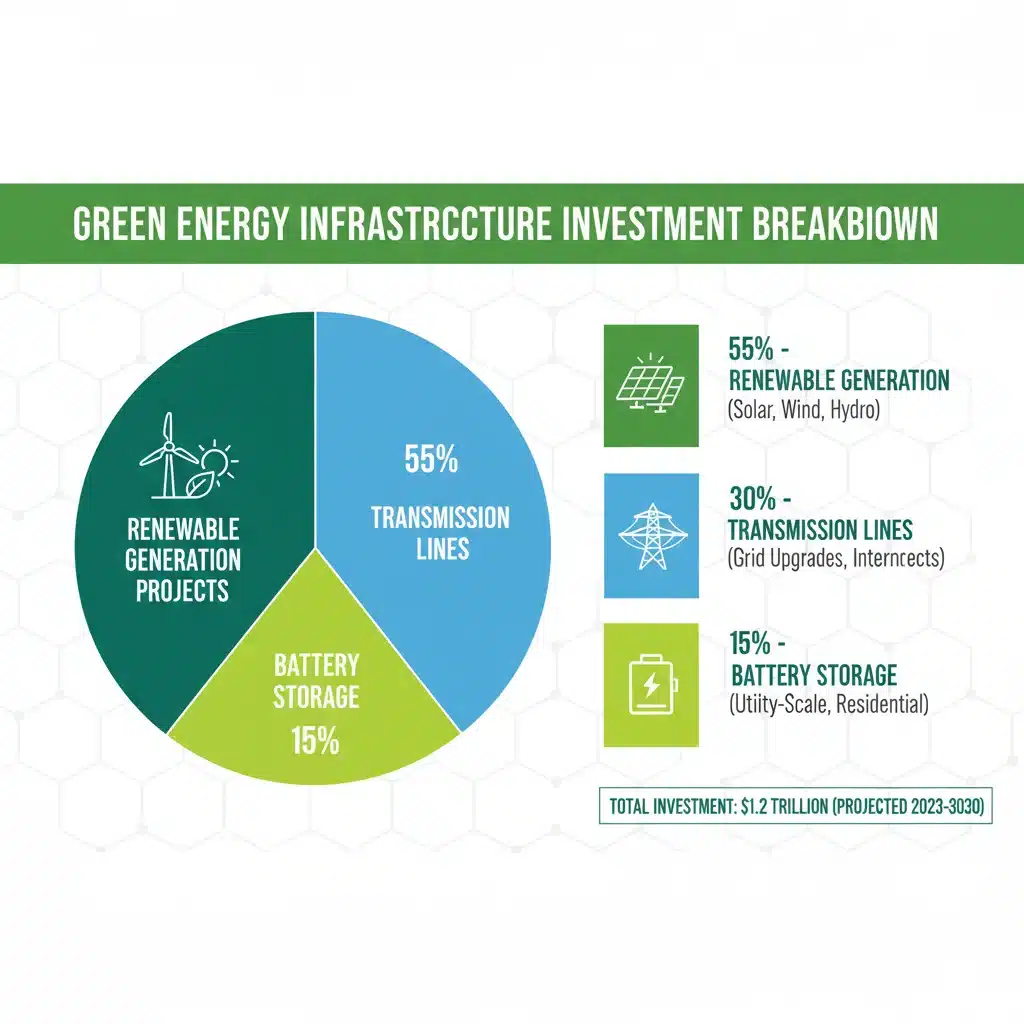
Achieving a 30% reduction in carbon emissions by 2030 through green energy grid upgrades will require unprecedented levels of investment. Estimates vary, but billions, if not trillions, of dollars will need to be allocated over the coming years. This capital will be directed towards a multitude of areas, including expanding transmission lines, deploying advanced energy storage, developing new renewable generation capacity, and implementing smart grid technologies. While the upfront costs are substantial, the long-term economic and environmental benefits are expected to far outweigh them.
The investment will stimulate economic growth, creating hundreds of thousands of new jobs in manufacturing, construction, engineering, and technology sectors. These jobs will be critical in building out the necessary infrastructure for the green energy grid. Furthermore, reduced reliance on volatile fossil fuel markets will lead to greater energy independence and price stability. The health benefits associated with cleaner air and water, stemming from reduced pollution, will also translate into significant economic savings by lowering healthcare costs. The financial impact of transitioning to a green energy grid is therefore a complex equation, balancing initial expenditures with substantial future returns.
Government Initiatives and Private Sector Contributions to the Green Energy Grid
Both government policies and private sector innovation are crucial drivers of investment in the green energy grid. Federal initiatives, such as the Bipartisan Infrastructure Law and the Inflation Reduction Act, have earmarked significant funding for grid modernization, clean energy deployment, and related research and development. These policies provide tax credits, grants, and loan guarantees designed to de-risk investments and accelerate the transition. State and local governments are also playing a vital role through specific mandates, incentives, and regulatory frameworks that encourage renewable energy adoption and grid upgrades.
The private sector, recognizing the immense market opportunity and the necessity of sustainability, is also pouring capital into the green energy grid. Utility companies are investing in smart grid technologies, renewable energy projects, and transmission expansion. Technology companies are developing innovative solutions for energy management, storage, and cybersecurity. Venture capital and private equity firms are funding startups focused on breakthroughs in renewable energy and grid technology. This synergistic approach, combining public policy with private capital, is essential for mobilizing the resources needed to transform the green energy grid on such a grand scale. The financial commitment from all stakeholders underscores the national priority placed on a robust and sustainable green energy grid.
Key Infrastructure Upgrades for the Green Energy Grid
The path to a 30% carbon reduction by 2030 is paved with critical infrastructure upgrades across the entire energy ecosystem. These upgrades are multifaceted, touching upon generation, transmission, distribution, and consumption aspects of the green energy grid. Each component plays a vital role in creating a cohesive, efficient, and resilient system capable of handling the demands of a decarbonized future.
Expanding and Modernizing Transmission Lines for the Green Energy Grid
One of the most significant bottlenecks in integrating renewable energy into the green energy grid is the inadequacy of the existing transmission infrastructure. Many of the best renewable resources, such as vast solar farms in the desert Southwest or wind farms in the Great Plains, are located far from major population centers where electricity demand is highest. Building new high-voltage transmission lines and upgrading existing ones is paramount to efficiently transport clean energy from where it’s generated to where it’s consumed. This involves not only constructing more lines but also implementing advanced technologies like High-Voltage Direct Current (HVDC) transmission, which can transmit power over long distances with minimal loss, and Flexible AC Transmission Systems (FACTS) devices that enhance grid stability and capacity. These upgrades are vital for unlocking the full potential of the green energy grid and ensuring reliable delivery of renewable power.
Furthermore, modernizing transmission infrastructure for the green energy grid also includes the development of regional and inter-regional transmission planning. This coordinated approach helps to identify and address transmission needs across different utility service areas, facilitating the integration of diverse renewable energy portfolios. Overcoming siting and permitting challenges for new transmission projects remains a hurdle, but streamlined processes and collaborative efforts among stakeholders are crucial for accelerating these necessary upgrades to the green energy grid. Without a robust transmission backbone, the widespread adoption of renewable energy will be severely limited, making investments in this area non-negotiable for achieving carbon reduction targets.
Deployment of Advanced Energy Storage Systems for the Green Energy Grid
As previously mentioned, energy storage is a game-changer for the green energy grid. Beyond large-scale utility batteries, distributed energy storage systems, such as residential and commercial battery installations, are also gaining traction. These smaller-scale systems can provide localized grid support, enhance reliability, and enable greater energy independence for consumers. The advancement of battery technology, including improvements in energy density, cycle life, and cost reduction, is making these solutions increasingly viable for integration into the green energy grid.
The role of storage also extends to grid services like frequency regulation and voltage support, which are essential for maintaining the stability of the green energy grid as more intermittent resources come online. Investment in research and development for next-generation storage technologies, such as solid-state batteries, flow batteries, and long-duration storage solutions, is critical for addressing future grid needs. The strategic deployment of diverse energy storage technologies will be a cornerstone of a resilient and flexible green energy grid, ensuring that clean energy is available whenever and wherever it is needed, thereby solidifying the path to a 30% carbon emission reduction.
Smart Grid Technologies and Digitalization of the Green Energy Grid
The concept of a ‘smart grid’ is central to the modernization of the green energy grid. This involves integrating digital communication technologies into every aspect of the electricity network, from generation to consumption. Smart meters, advanced sensors, and sophisticated control systems allow for real-time monitoring and management of energy flows. This level of granularity enables utilities to identify and respond to outages more quickly, optimize resource allocation, and implement demand-side management programs that encourage consumers to shift their energy consumption to off-peak hours or when renewable generation is abundant. The digitalization of the green energy grid is not just about efficiency; it’s about creating an intelligent, self-healing network that can adapt to changing conditions and integrate new technologies seamlessly.
Cybersecurity is another critical aspect of smart grid development. As the green energy grid becomes more interconnected and reliant on digital systems, it also becomes more vulnerable to cyberattacks. Robust cybersecurity measures are essential to protect the integrity and reliability of the grid, ensuring that the transition to clean energy does not introduce new risks. Investment in cybersecurity infrastructure and continuous vigilance against emerging threats are integral components of building a secure and resilient green energy grid. The fusion of physical infrastructure upgrades with advanced digital technologies is what will truly transform the green energy grid into a modern, sustainable, and secure energy system for the future. 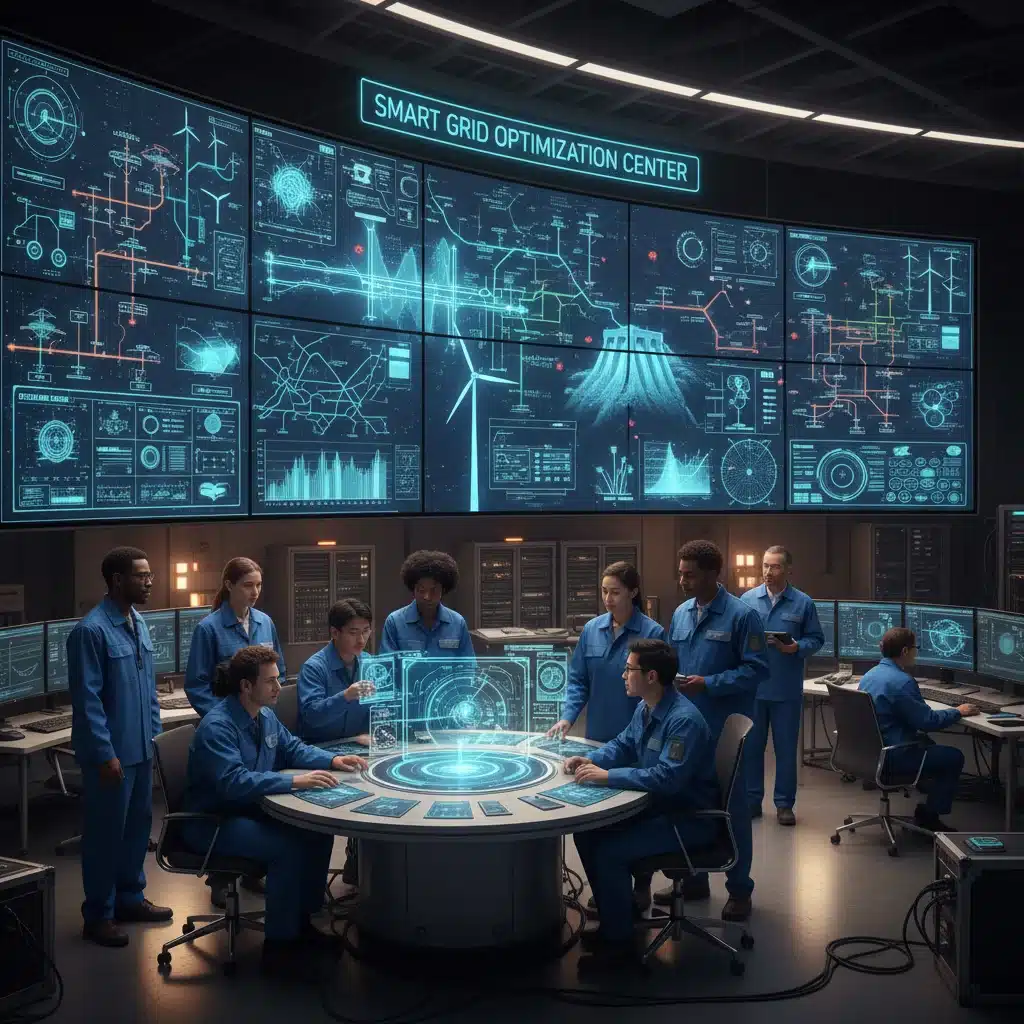
Policy and Regulatory Frameworks Supporting the Green Energy Grid
Achieving the 2030 carbon reduction target and successfully upgrading the green energy grid requires supportive policy and regulatory frameworks. These frameworks provide the necessary incentives, standards, and guidelines to drive investment and innovation across the energy sector. Without clear and consistent policies, the transition to a clean energy future would be significantly hampered.
Carbon Pricing and Renewable Energy Standards for the Green Energy Grid
Mechanisms such as carbon pricing, whether through carbon taxes or cap-and-trade systems, can create economic incentives for reducing emissions and investing in clean energy technologies for the green energy grid. By making polluters pay for the environmental damage they cause, carbon pricing encourages a shift towards cleaner forms of energy. Similarly, Renewable Portfolio Standards (RPS) or Clean Energy Standards (CES) mandate that a certain percentage of electricity come from renewable sources. These standards provide a stable market signal for renewable energy developers, encouraging investment in wind, solar, and other clean generation technologies that feed into the green energy grid.
These policy tools are critical for leveling the playing field between traditional fossil fuels and emerging renewable technologies. They help to internalize the environmental costs of energy production, making renewable energy more competitive and accelerating its deployment within the green energy grid. Furthermore, long-term policy certainty is crucial for attracting the large-scale private investment needed for green energy grid infrastructure projects. Policymakers must work to create a stable and predictable regulatory environment that supports sustained growth in the renewable energy sector and allows for the necessary upgrades to the green energy grid.
Interstate Cooperation and Permitting Reform for the Green Energy Grid
The US electrical grid is a complex network that spans multiple states and jurisdictions. Effective modernization of the green energy grid, especially for large-scale transmission projects, requires significant interstate cooperation and streamlined permitting processes. Currently, the fragmented regulatory landscape can lead to delays and increased costs for projects that cross state lines. Federal and regional coordination mechanisms are essential to overcome these challenges, ensuring that critical infrastructure can be built efficiently and effectively.
Permitting reform is another key area. The process for obtaining permits for new transmission lines and renewable energy facilities can be lengthy and complex, often taking years. Streamlining these processes, while maintaining environmental protections and public engagement, is vital for accelerating the deployment of green energy grid infrastructure. This includes improving interagency coordination, setting clear timelines, and providing resources for local communities. By addressing these regulatory hurdles, the nation can significantly expedite the development of a robust and interconnected green energy grid, bringing the 30% carbon reduction target within closer reach.
Technological Innovations Driving the Green Energy Grid Transformation
The rapid evolution of technology is a primary enabler of the green energy grid transformation. Breakthroughs in various fields are making renewable energy more efficient, affordable, and easier to integrate into the existing infrastructure. These innovations are not only improving current capabilities but also opening up new possibilities for how we generate, store, and manage energy within the green energy grid.
Advances in Renewable Energy Generation for the Green Energy Grid
Solar photovoltaic (PV) technology continues to improve, with increasing efficiency and decreasing costs. New materials and manufacturing processes are leading to more powerful and durable solar panels. Similarly, wind turbine technology has seen significant advancements, with larger turbines capable of capturing more wind energy at lower wind speeds. Offshore wind farms, in particular, hold immense potential for contributing to the green energy grid, leveraging stronger and more consistent winds. Beyond solar and wind, other renewable sources like geothermal, hydropower, and advanced biofuels are also playing a role, diversifying the energy mix and enhancing the resilience of the green energy grid.
The integration of these diverse renewable sources into the green energy grid is being facilitated by advanced power electronics and control systems. These technologies allow for seamless synchronization of different generation types, ensuring grid stability and reliability. Continuous research and development in these areas are crucial for pushing the boundaries of what’s possible with renewable energy and further reducing the carbon footprint of the green energy grid. The constant innovation in renewable energy generation is a testament to human ingenuity in addressing the climate crisis and building a sustainable future.
Emerging Technologies for a Smarter Green Energy Grid
Beyond generation and storage, a variety of emerging technologies are poised to revolutionize the green energy grid. Blockchain technology, for instance, is being explored for secure and transparent energy trading, enabling peer-to-peer energy transactions and microgrids. The Internet of Things (IoT) is connecting millions of devices across the grid, providing unprecedented amounts of data for analysis and optimization. This data can be used to predict energy demand, identify potential failures, and manage distributed energy resources more effectively.
Artificial intelligence and machine learning are at the heart of optimizing the green energy grid. These technologies can analyze complex datasets to predict renewable output, optimize battery charging and discharging schedules, and even identify and mitigate cyber threats. Furthermore, the development of virtual power plants (VPPs), which aggregate and manage distributed energy resources like rooftop solar, battery storage, and electric vehicle charging stations, is creating new opportunities for grid flexibility and resilience. These emerging technologies are transforming the green energy grid into a dynamic, intelligent, and highly responsive system, capable of meeting the challenges of a decarbonized future. The continuous integration of these innovations will be key to achieving the ambitious 30% carbon reduction target by 2030 and beyond.
The Road Ahead: Achieving 30% Carbon Reduction with the Green Energy Grid
The journey to a 30% reduction in carbon emissions by 2030 through green energy grid upgrades is ambitious but achievable. It requires sustained political will, continuous technological innovation, and significant financial investment. The benefits, however, are profound: a cleaner environment, a more resilient energy system, economic growth, and improved public health. The transformation of the US green energy grid is not merely an environmental endeavor; it is a fundamental restructuring of the nation’s economic and social fabric, paving the way for a sustainable future for generations to come.
While challenges remain, including overcoming regulatory hurdles, securing adequate funding, and ensuring equitable access to clean energy, the momentum towards a green energy grid is undeniable. Public awareness and support are also crucial, as individual actions and community-level initiatives can significantly contribute to the overall effort. The coming years will be critical in shaping the future of energy in the United States, and the success of the green energy grid transformation will largely determine the nation’s ability to meet its climate goals and secure a prosperous, sustainable future. The commitment to a robust and efficient green energy grid is a commitment to a healthier planet and a stronger economy.