Sustainable Practices for Non-Profits: 7 Actionable Steps for 2026

In an era defined by increasing environmental awareness and social responsibility, the role of national non-profit organizations extends beyond their immediate programmatic goals. There’s a growing imperative for these organizations to embed sustainable non-profit practices into every facet of their operations. As we look towards 2026, the call for sustainable development is not just a moral obligation but a strategic necessity for long-term impact and resilience. This comprehensive guide will explore seven actionable steps national non-profits can take to champion sustainability, ensuring their missions contribute positively to both people and the planet.
The concept of sustainability, often associated solely with environmental conservation, is, in fact, multifaceted. It encompasses ecological integrity, social equity, and economic viability. For non-profits, this means operating in a manner that meets the needs of the present without compromising the ability of future generations to meet their own needs. It involves responsible resource management, ethical governance, community engagement, and a commitment to reducing one’s carbon footprint. Embracing sustainable non-profit practices is no longer an optional add-on; it’s a foundational principle for organizations aiming to achieve genuine and lasting social good.
As the world grapples with complex challenges such as climate change, resource depletion, and social inequality, non-profits are uniquely positioned to lead by example. By integrating sustainability into their core strategies, they can enhance their credibility, attract more funding, engage a wider volunteer base, and ultimately amplify their impact. This article serves as a roadmap, offering practical insights and concrete steps to guide national non-profits on their journey toward a more sustainable future by 2026.
1. Develop a Comprehensive Sustainability Policy and Strategy
The first and most crucial step for any national non-profit aiming for sustainability is the development of a well-defined sustainability policy and an overarching strategy. This isn’t merely a document; it’s a declaration of intent and a framework for action. A robust policy should articulate the organization’s commitment to environmental stewardship, social equity, and ethical governance. It should clearly outline the scope of the sustainability efforts, from internal operations to program delivery and partnerships.
The strategy, on the other hand, translates this policy into measurable goals and actionable plans. It should address key areas such as energy consumption, waste management, procurement, travel policies, and stakeholder engagement. For instance, a non-profit might set a goal to reduce its energy consumption by 20% by 2026, or to source 75% of its office supplies from eco-friendly vendors. Each goal should be SMART: Specific, Measurable, Achievable, Relevant, and Time-bound.
Involving key stakeholders in the development process is essential. This includes board members, staff at all levels, volunteers, and even beneficiaries. Their input ensures that the policy is comprehensive, realistic, and reflects the diverse perspectives within the organization. Furthermore, assigning clear responsibilities for implementation and oversight is vital for accountability. A dedicated sustainability committee or a designated sustainability officer can help drive these initiatives forward.
Regular review and updates of the policy and strategy are also critical. Sustainability is not a static state but an ongoing journey. As new technologies emerge, regulations change, and best practices evolve, the organization’s approach to sustainability must adapt. By 2026, a national non-profit should have a dynamic sustainability framework that is regularly assessed and refined to ensure its continued relevance and effectiveness in promoting sustainable non-profit practices.
2. Implement Eco-Friendly Operational Practices
Transitioning to eco-friendly operational practices is a tangible way for non-profits to demonstrate their commitment to sustainability. This involves a critical examination of daily activities and identifying opportunities for reducing environmental impact. Areas to focus on include energy efficiency, waste reduction, water conservation, and sustainable procurement.
Energy Efficiency: National non-profits often operate out of offices and facilities that consume significant amounts of energy. Simple measures like switching to LED lighting, optimizing heating and cooling systems, and encouraging staff to power down electronics can lead to substantial reductions. For organizations with the resources, investing in renewable energy sources such as solar panels can provide long-term environmental and financial benefits. Conducting regular energy audits can help identify areas for improvement and track progress.
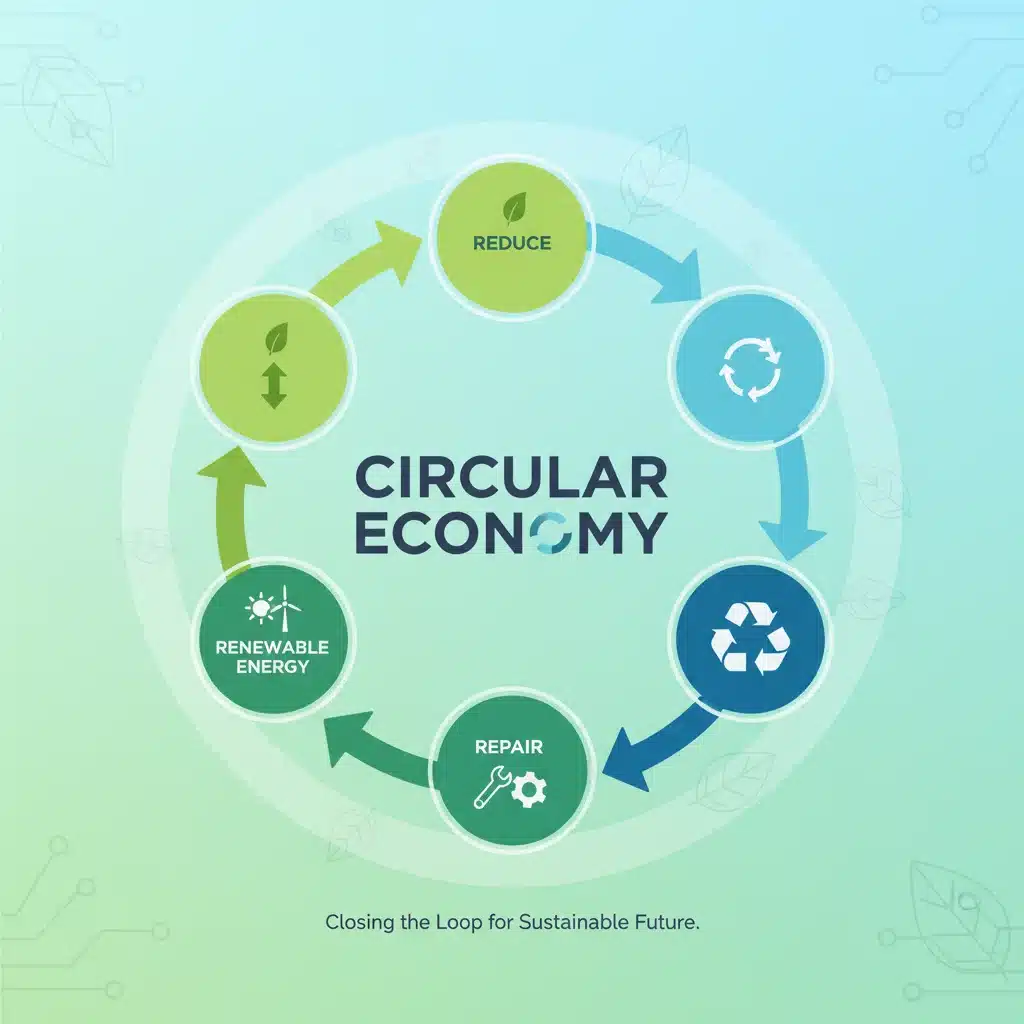
Waste Reduction and Recycling: A comprehensive waste management program is essential. This goes beyond just recycling paper and plastic. It includes promoting a ‘reduce, reuse, recycle’ hierarchy. Encouraging digital documentation to reduce paper use, reusing office supplies, composting organic waste, and properly disposing of electronic waste are all important steps. Non-profits can also partner with local recycling facilities and explore innovative solutions for hard-to-recycle materials. The goal is to minimize landfill contributions and embrace a circular economy model.
Water Conservation: While often overlooked, water conservation is a critical aspect of environmental sustainability. Installing low-flow fixtures, addressing leaks promptly, and educating staff on responsible water use can significantly reduce consumption. For non-profits with outdoor spaces, implementing drought-resistant landscaping and efficient irrigation systems can also contribute to water savings.
Sustainable Procurement: The purchasing decisions of a non-profit have a ripple effect on supply chains. Prioritizing suppliers who adhere to ethical labor practices and environmental standards is crucial. This includes opting for products made from recycled materials, energy-efficient appliances, and sustainably sourced goods. Developing a green purchasing policy can guide these decisions and ensure consistency across the organization. By 2026, national non-profits should aim to have a significant portion of their operational needs met through sustainable procurement.
3. Foster a Culture of Sustainability Within the Organization
Sustainability cannot be effectively implemented without the active participation and buy-in of every individual within the organization. Fostering a culture of sustainability means embedding sustainable values into the organizational ethos, from top leadership to new recruits. This requires education, engagement, and continuous reinforcement.
Leadership Buy-in: The commitment to sustainability must start at the top. Board members and senior leadership need to champion these initiatives, communicate their importance, and allocate necessary resources. When leaders visibly prioritize sustainable non-profit practices, it sends a powerful message throughout the organization and motivates staff to follow suit.
Staff Training and Education: Regular training programs can educate staff on the principles of sustainability and how their daily actions contribute to the organization’s goals. This could include workshops on energy conservation, waste sorting, ethical consumption, or even broader topics like climate change awareness. Providing practical tips and demonstrating the positive impact of their efforts can empower employees to become sustainability advocates.
Employee Engagement and Incentives: Creating opportunities for employees to get involved in sustainability initiatives can boost morale and foster a sense of shared responsibility. This could involve forming a ‘green team’ to brainstorm ideas, organizing sustainability challenges, or recognizing employees who demonstrate exceptional commitment to eco-friendly practices. Incentives, whether monetary or non-monetary, can further encourage participation.
Communication and Transparency: Regularly communicating the organization’s sustainability goals, progress, and achievements is vital. This can be done through internal newsletters, staff meetings, or dedicated sustainability dashboards. Transparency about challenges and setbacks is also important, as it builds trust and encourages collective problem-solving. By 2026, a truly sustainable non-profit will have a workforce deeply invested in and knowledgeable about its sustainability journey.
4. Integrate Sustainability into Program Design and Delivery
For national non-profits, sustainable non-profit practices extend beyond internal operations to the very core of their mission: program design and delivery. The programs and services offered should not only address social needs but also consider their environmental and social impact. This requires a holistic approach to program development.
Environmental Impact Assessment: Before launching new programs or continuing existing ones, non-profits should conduct an environmental impact assessment. This involves evaluating how a program might affect resource consumption, waste generation, local ecosystems, and carbon emissions. For example, a humanitarian aid program might consider the sustainability of the materials used in relief efforts, or a community development project might assess its impact on local biodiversity.
Promoting Sustainable Livelihoods: Many non-profits work to empower communities economically. Integrating sustainability into these programs means promoting livelihoods that are environmentally sound and socially equitable. This could involve supporting sustainable agriculture, eco-tourism, renewable energy initiatives, or green entrepreneurship. The goal is to create economic opportunities that do not deplete natural resources or harm the environment.
Education and Awareness: Non-profits can leverage their programs to educate beneficiaries and the wider community about sustainability. This could involve workshops on climate resilience, responsible consumption, waste management, or water conservation. By raising awareness, non-profits can foster a sense of environmental responsibility and empower individuals to adopt more sustainable behaviors in their own lives.
Climate Resilience and Adaptation: Given the increasing impacts of climate change, non-profits need to consider how their programs can help communities adapt and build resilience. This could involve integrating climate-smart agricultural practices, developing early warning systems for natural disasters, or supporting infrastructure that can withstand extreme weather events. By 2026, program design should inherently consider climate risks and opportunities for adaptation.
5. Engage in Ethical and Sustainable Fundraising and Investments
The financial backbone of any national non-profit is its fundraising and investment strategies. To truly embody sustainable non-profit practices, these financial activities must also align with sustainability principles. This means scrutinizing funding sources and ensuring that investments do not inadvertently support harmful industries.
Ethical Fundraising: Non-profits should establish guidelines for ethical fundraising, ensuring that they do not accept donations from organizations or individuals whose activities contradict their mission or sustainability values. For example, a non-profit focused on environmental protection might choose not to accept funding from a company with a poor environmental record. Transparency about funding sources can also enhance public trust.
Sustainable Investments: For non-profits with endowments or investment portfolios, adopting socially responsible investing (SRI) or environmental, social, and governance (ESG) criteria is paramount. This involves investing in companies that demonstrate strong sustainability performance and divesting from those involved in industries like fossil fuels, weapons manufacturing, or unethical labor practices. Partnering with financial institutions that specialize in sustainable investments can facilitate this transition.
Diversifying Funding Streams: Relying on a single or limited number of funding sources can create financial vulnerability. Diversifying funding streams, including individual donors, grants, corporate partnerships, and earned income strategies, strengthens the organization’s financial resilience. This also allows for greater flexibility in pursuing sustainable initiatives without being overly dependent on any one funder’s priorities.
Measuring Impact of Investments: Beyond financial returns, non-profits should also measure the social and environmental impact of their investments. This involves tracking how their investment choices contribute to positive change in areas such as renewable energy, social housing, or sustainable agriculture. By 2026, ethical and sustainable fundraising and investment practices should be standard for national non-profits, reflecting their commitment to social good in every financial decision.
6. Collaborate and Build Partnerships for Greater Impact
No single organization can solve complex sustainability challenges alone. Collaboration and partnership building are essential for national non-profits to amplify their impact and drive systemic change. By working together, organizations can share resources, knowledge, and best practices, leading to more effective and far-reaching solutions.
Cross-Sector Partnerships: Non-profits can forge partnerships with governments, businesses, academic institutions, and other non-governmental organizations. For instance, a non-profit focused on food security might partner with local farmers, food banks, and government agencies to create a more sustainable food system. Businesses can provide funding, expertise, and innovative solutions, while academic institutions can offer research and data to inform evidence-based strategies.
Community Engagement: Engaging local communities is fundamental to sustainable development. Non-profits should involve community members in the planning, implementation, and evaluation of programs. This ensures that initiatives are culturally appropriate, meet genuine needs, and foster local ownership. Community-led initiatives are often more sustainable in the long run.
Advocacy and Policy Influence: National non-profits have a powerful voice that can influence policy at local, national, and even international levels. By collaborating with advocacy groups and participating in policy dialogues, they can push for stronger environmental regulations, social justice policies, and sustainable development frameworks. Collective advocacy is often more effective in bringing about systemic change.
Sharing Best Practices: Creating platforms for non-profits to share their experiences, successes, and challenges in implementing sustainable non-profit practices can benefit the entire sector. Conferences, workshops, online forums, and publications can facilitate this knowledge exchange. By 2026, national non-profits should actively participate in networks that promote collaboration and learning for sustainability.

7. Measure, Report, and Be Transparent About Sustainability Performance
The final, yet continuous, step in embedding sustainable non-profit practices is to rigorously measure, report, and be transparent about sustainability performance. What gets measured gets managed, and what gets reported builds trust and accountability. This step is crucial for demonstrating impact and driving continuous improvement.
Establishing Key Performance Indicators (KPIs): Non-profits need to define clear KPIs to track their sustainability progress. These could include metrics related to carbon emissions reduction, waste diversion rates, water consumption, percentage of sustainable procurement, employee engagement in green initiatives, or the social and environmental impact of programs. The KPIs should align with the organization’s sustainability strategy and goals.
Regular Reporting: Producing regular sustainability reports, perhaps annually, allows non-profits to document their journey, highlight achievements, and identify areas for improvement. These reports can be shared with stakeholders, including donors, beneficiaries, staff, and the public. Adhering to recognized reporting frameworks, such as the Global Reporting Initiative (GRI) standards, can enhance the credibility and comparability of these reports.
Transparency and Accountability: Transparency is key to building trust. Non-profits should be open about their sustainability performance, including both successes and challenges. This involves making reports easily accessible, engaging in public dialogue, and being responsive to feedback. External audits or certifications can further validate sustainability claims and enhance accountability.
Continuous Improvement: The data gathered through measurement and reporting should be used to inform future decisions and drive continuous improvement. By analyzing trends and identifying root causes of challenges, non-profits can refine their strategies and make more informed choices. This iterative process ensures that the organization is constantly striving for higher levels of sustainability. By 2026, national non-profits should have robust systems in place for tracking, reporting, and continuously improving their sustainability performance, solidifying their role as leaders in social good and environmental stewardship.
Conclusion: A Sustainable Future for National Non-Profits
The journey towards full integration of sustainable non-profit practices is an evolving one, but the urgency for action has never been greater. For national non-profits, embracing sustainability is not merely about complying with regulations or appeasing stakeholders; it’s about enhancing their mission, ensuring their long-term viability, and amplifying their positive impact on the world. By 2026, organizations that have proactively adopted these seven actionable steps will be better positioned to navigate future challenges, attract diverse support, and truly embody the principles of social good.
From developing comprehensive policies and implementing eco-friendly operations to fostering a culture of sustainability, integrating sustainable practices into programs, engaging in ethical finance, building strategic partnerships, and transparently reporting on performance, each step contributes to a more resilient and responsible non-profit sector. The collective effort of national non-profits in pursuing sustainability will undoubtedly play a pivotal role in shaping a more equitable, just, and environmentally sound future for all. It’s an investment in their own longevity, the well-being of the communities they serve, and the health of our planet.