Gun Control 2026: Federal Legislative Efforts & Impact Analysis

The debate surrounding federal gun control is one of the most enduring and contentious issues in American politics. As the calendar turns to 2026, the landscape continues to evolve, marked by renewed legislative efforts, shifting public opinion, and persistent legal challenges. This comprehensive analysis delves into the recent federal legislative proposals concerning firearms, examining their potential effects on gun owners, public safety, and the very fabric of Constitutional rights. Understanding the nuances of these discussions requires a deep dive into the historical context, the specific details of proposed bills, and the projected outcomes of their implementation.
For decades, the United States has grappled with the complex interplay between the Second Amendment’s right to bear arms and the urgent need to address gun violence. This tension has led to a cyclical pattern of legislative proposals, judicial scrutiny, and public discourse, often intensified by tragic events. In 2026, this cycle continues with various stakeholders advocating for different approaches, from stricter regulations to the protection of existing gun rights. The goal of this article is to provide an objective, in-depth look at where federal gun control stands, what changes are on the horizon, and what implications these changes might hold for all Americans.
Understanding the Current Federal Gun Control Landscape in 2026
Before examining new legislative efforts, it’s crucial to understand the existing framework of federal gun control laws. The National Firearms Act (NFA) of 1934 and the Gun Control Act (GCA) of 1968 form the bedrock of federal firearms regulation. The NFA primarily regulates certain types of weapons deemed particularly dangerous, such as machine guns, short-barreled rifles, and silencers, requiring registration and special taxes. The GCA, on the other hand, established the federal licensing system for firearms dealers, prohibited certain individuals (e.g., convicted felons, domestic abusers) from possessing firearms, and mandated background checks for purchases from licensed dealers.
Over the years, various amendments and additional laws have built upon these foundations. The Brady Handgun Violence Prevention Act of 1993, for instance, implemented the National Instant Criminal Background Check System (NICS). Despite these existing regulations, debates persist over their effectiveness and scope, with proponents of stricter gun control arguing for more comprehensive measures and opponents emphasizing the importance of Second Amendment protections. The political climate in 2026 reflects these ongoing tensions, with both sides mobilizing considerable resources to influence policy.
The current legislative environment is characterized by a divided Congress, often leading to gridlock on highly contentious issues like federal gun control. However, incremental changes and bipartisan compromises are not entirely out of the question, especially in the wake of significant national events. Public opinion polls consistently show a desire for action on gun violence, though there is often divergence on the specific types of policies preferred. This complex backdrop sets the stage for the legislative initiatives we are seeing emerge in 2026.
Key Federal Legislative Proposals in 2026: A Detailed Examination
Several significant pieces of legislation are at various stages of consideration in 2026, each aiming to reshape the landscape of federal gun control. These proposals often fall into broad categories, including expanded background checks, bans on certain types of firearms, red flag laws, and measures to address straw purchasing and gun trafficking.
Expanded Background Checks: The Universal Background Check Act of 2026
One of the most consistently debated proposals is the expansion of background checks to cover all firearm sales, including those between private citizens. The Universal Background Check Act of 2026, for example, seeks to close what is often referred to as the ‘private sale loophole.’ Currently, federal law only mandates background checks for sales conducted by federally licensed firearms dealers (FFLs). Private sales, which often occur at gun shows or through online marketplaces, are generally exempt from this requirement, depending on state law.
Proponents argue that universal background checks are a common-sense measure that would prevent firearms from falling into the hands of prohibited individuals. They cite data suggesting that a significant percentage of gun sales occur without a background check, potentially enabling criminals to acquire weapons. The proposed bill typically includes provisions for private sellers to conduct transactions through FFLs, who would then process the background check. Exemptions are often included for transfers between immediate family members.
Opponents, however, raise concerns about the practical enforceability of such a law and its potential infringement on the Second Amendment rights of law-abiding citizens. They argue that it places an undue burden on private citizens and could lead to a de facto gun registry, which is widely opposed by gun rights advocates. Furthermore, they contend that criminals will always find ways to acquire firearms, regardless of background check laws, and that such measures primarily affect responsible gun owners. The debate around this specific proposal highlights the fundamental philosophical differences in the federal gun control discussion.
Assault Weapons Bans: The Assault Weapons Ban of 2026
Another recurring and highly contentious proposal is a federal ban on certain semi-automatic firearms, often referred to as ‘assault weapons.’ The Assault Weapons Ban of 2026 typically seeks to prohibit the sale, manufacture, and importation of a defined list of firearms and high-capacity magazines. This type of legislation often draws inspiration from the expired federal assault weapons ban of 1994, which was in effect for ten years.
Advocates for an assault weapons ban point to the high lethality of these firearms, their use in mass shootings, and their design features (such as pistol grips, collapsible stocks, and flash suppressors) which they argue are primarily military in nature and unnecessary for self-defense or hunting. They believe that restricting access to these weapons would significantly reduce casualties in mass violence incidents. The term ‘assault weapon’ itself is a subject of intense debate, with gun rights groups arguing that it is a politically charged misnomer for commonly owned semi-automatic rifles.
Opponents vehemently argue that such bans are unconstitutional, ineffective, and target firearms that are widely used for self-defense, sport, and hunting. They emphasize that the vast majority of gun violence is not committed with these types of firearms and that focusing on them distracts from other root causes of violence. Furthermore, they argue that banning specific cosmetic features is arbitrary and does not address the core functionality of the firearms. The legal challenges to such a ban, if passed, would undoubtedly be swift and significant, testing the boundaries of the Second Amendment as interpreted by recent Supreme Court decisions regarding federal gun control.
Red Flag Laws: The Federal Extreme Risk Protection Order Act of 2026
Red flag laws, or Extreme Risk Protection Orders (ERPOs), allow temporary removal of firearms from individuals deemed by a court to be a danger to themselves or others. While many states have enacted their own red flag laws, there is a push in 2026 for a federal framework or incentives for states to adopt them. The Federal Extreme Risk Protection Order Act of 2026 aims to establish a national standard or provide federal funding to states that implement such laws.
Supporters of red flag laws highlight their potential as a preventative measure, allowing interventions before violence occurs. They emphasize the due process protections typically built into these laws, which require a court order based on evidence, and often include provisions for the return of firearms once the individual is no longer deemed a risk. They see these as a crucial tool for both preventing suicides and mass shootings, without infringing on the rights of responsible gun owners.
Critics, however, express concerns about potential abuses of due process, arguing that such laws could be used maliciously or without sufficient evidence, leading to the unjustified confiscation of firearms. They also worry about the potential for these laws to disarm individuals who pose no real threat, and that they shift the burden of proof in a way that undermines constitutional protections. The debate over red flag laws often revolves around finding a balance between public safety and individual liberties, a recurring theme in federal gun control discussions.
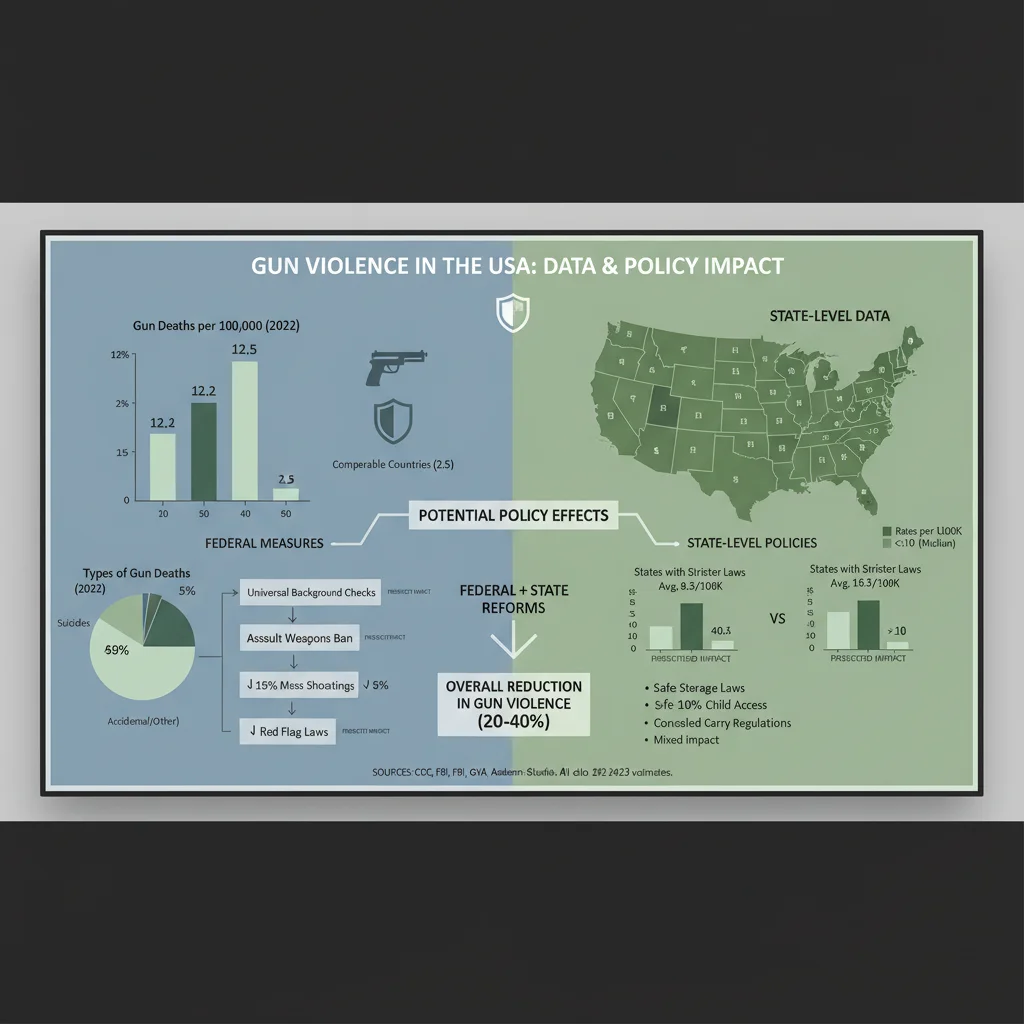
Potential Effects and Impact Analysis of Proposed Federal Gun Control Legislation
The implementation of any of these federal gun control measures would undoubtedly have far-reaching effects across various segments of society. Analyzing these potential impacts requires considering both the intended outcomes and the possible unintended consequences.
Impact on Gun Owners and Second Amendment Rights
For gun owners, the proposed legislation represents a spectrum of potential changes to their rights and responsibilities. Expanded background checks, while aiming to keep guns out of the hands of prohibited individuals, could introduce new procedural hurdles for private transactions. An assault weapons ban would directly impact owners of firearms classified as such, potentially requiring registration, surrender, or rendering them inoperable, depending on the specific language of the bill. Red flag laws, while temporary, could lead to the confiscation of firearms based on court orders, raising concerns about due process and the potential for misuse.
Gun rights organizations are poised to challenge any new federal gun control legislation in court, citing Second Amendment protections. Recent Supreme Court rulings, particularly New York State Rifle & Pistol Association Inc. v. Bruen (2022), have emphasized a historical and textual approach to Second Amendment analysis, which could make it more challenging for broad new restrictions to withstand judicial scrutiny. The outcomes of these legal battles will significantly shape the future of gun ownership in the United States.
Impact on Public Safety and Gun Violence Rates
A primary stated goal of stricter federal gun control is to reduce gun violence. Proponents argue that expanded background checks would reduce the flow of firearms to prohibited individuals, an assault weapons ban would lessen the lethality of mass shootings, and red flag laws would prevent violence before it occurs. They point to international comparisons where countries with stricter gun laws often have lower rates of gun violence as evidence of potential effectiveness.
However, the actual impact on public safety is a subject of intense debate. Opponents argue that criminals do not obey laws, and therefore, new restrictions would primarily disarm law-abiding citizens, leaving them vulnerable. They suggest focusing on other factors contributing to violence, such as mental health issues, poverty, and gang activity. The effectiveness of past gun control measures in reducing overall gun violence has also been a point of academic and political contention, with studies yielding mixed results depending on methodologies and scope. Predicting the precise impact of new federal gun control measures on public safety is inherently complex and involves numerous variables.
Economic and Social Implications
Beyond individual rights and public safety, federal gun control legislation can have broader economic and social implications. The firearms industry, a significant economic sector, could face substantial changes. Manufacturers might need to alter production, retailers could see shifts in sales, and the secondary market for firearms could be affected. This could lead to job losses in some areas and economic disruption.
Socially, new laws could further polarize the population, deepening the divide between those who advocate for stricter controls and those who defend gun rights. Enforcement of new laws could also raise questions about equitable application, particularly in communities with strained police-community relations. The discourse surrounding federal gun control often touches upon fundamental questions of trust in government, individual liberty, and the role of firearms in American culture.
The Political Landscape and Path Forward for Federal Gun Control
The legislative journey for any federal gun control bill is fraught with political challenges. A divided Congress, coupled with powerful advocacy groups on both sides, makes it difficult to pass significant legislation. The National Rifle Association (NRA) and other gun rights organizations exert considerable influence, mobilizing their members and lobbying against what they perceive as infringements on Second Amendment rights. Conversely, gun control advocacy groups, such as Everytown for Gun Safety and Moms Demand Action, actively lobby for stricter regulations, often highlighting the human cost of gun violence.
Bipartisan Efforts and Compromises
Despite the deep divisions, there have been instances of bipartisan cooperation on specific federal gun control measures. The Bipartisan Safer Communities Act of 2022, for example, expanded background checks for purchasers under 21, funded state red flag laws and mental health services, and closed the ‘boyfriend loophole’ for domestic violence offenders. While not as comprehensive as some advocates desired, it demonstrated that compromise is possible.
In 2026, similar incremental approaches may be the most viable path forward. Instead of sweeping bans, legislation focusing on areas of broader consensus, such as enhancing NICS records, increasing funding for mental health initiatives, or strengthening laws against straw purchasing and gun trafficking, might gain traction. The political will to act is often influenced by public pressure and the frequency of gun violence incidents, which can temporarily shift the legislative calculus.
The Role of State-Level Actions
While this article focuses on federal gun control, it’s important to acknowledge the significant role of state-level actions. States have considerable autonomy in regulating firearms, and many have enacted laws that go beyond federal requirements. Some states have universal background checks, assault weapons bans, and robust red flag laws, while others have minimal restrictions. The patchwork of state laws creates complexities and challenges for federal enforcement and uniformity.
In some cases, state actions can serve as models or test cases for potential federal legislation. In others, they highlight the deep regional and ideological divides within the country. The interaction between federal and state laws will continue to be a critical aspect of the overall gun control debate, with legal challenges often arising from conflicts between different levels of government.
Future Outlook and Conclusion: Navigating Federal Gun Control in 2026 and Beyond
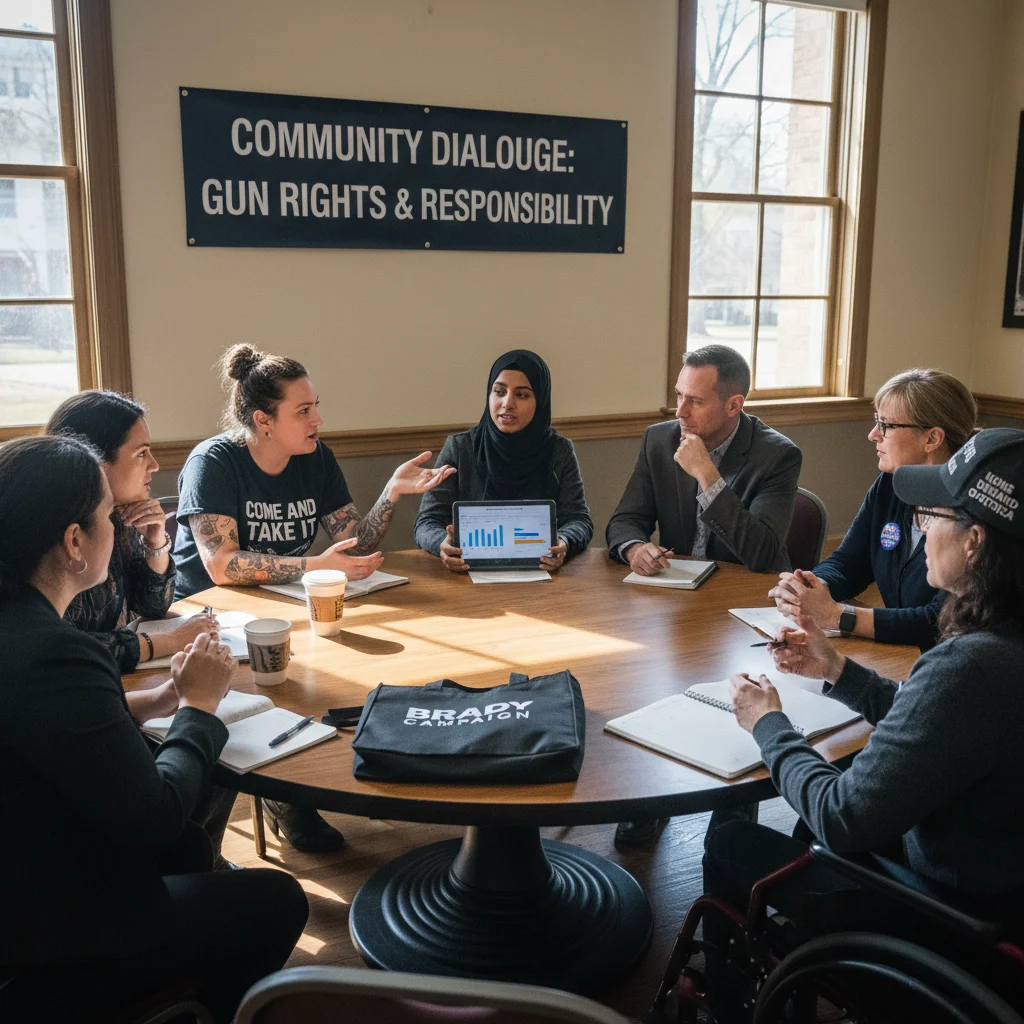
The debate over federal gun control in 2026 is a microcosm of broader societal tensions in the United States. It pits deeply held beliefs about individual liberty and self-defense against equally strong convictions about public safety and the collective good. The legislative efforts currently underway reflect these competing priorities and the ongoing search for solutions to gun violence.
As we move forward, several factors will continue to shape the trajectory of federal gun control. The composition of Congress and the White House will dictate legislative priorities and the likelihood of bills passing. Judicial interpretations of the Second Amendment by the Supreme Court will set the legal boundaries for what types of regulations are permissible. Public opinion, often swayed by events and media coverage, will exert pressure on elected officials. Finally, the ability of advocacy groups on both sides to mobilize their supporters and influence the narrative will remain a critical element.
Ultimately, finding a path forward on federal gun control will require a willingness to engage in difficult conversations, seek common ground where possible, and acknowledge the multifaceted nature of gun violence. Whether through incremental reforms or more comprehensive legislation, the efforts in 2026 underscore the enduring importance of this issue in American public life. The potential effects of these legislative endeavors, from changes in gun ownership practices to shifts in public safety outcomes, will be closely watched and debated for years to come.
This deep dive into the 2026 landscape of federal gun control reveals a complex and dynamic issue with no easy answers. The analysis of proposed legislation, its potential impacts, and the political realities offers a framework for understanding the ongoing national conversation. As the nation continues to grapple with these challenges, informed discourse and thoughtful consideration of all perspectives will be more crucial than ever.