2026 Federal Regulations: Small Business Impact & Compliance

The landscape of commerce in the United States is in a constant state of evolution, driven by technological advancements, societal shifts, and, crucially, regulatory updates. As we approach 2026, a series of new federal regulations are set to take effect, presenting both challenges and opportunities for small businesses across the nation. Understanding these impending changes is not just about avoiding penalties; it’s about strategizing for sustainable growth, maintaining competitiveness, and ensuring long-term viability in an increasingly complex economic environment. This comprehensive guide aims to dissect the most significant 2026 Federal Regulations, offering small business owners the insights and actionable steps needed to navigate this shift successfully.
Small businesses, often operating with limited resources and tighter margins than their larger counterparts, are particularly vulnerable to the disruptive effects of new regulations. The administrative burden, the cost of compliance, and the need to adapt operational procedures can all strain an already stretched enterprise. However, with foresight and proactive planning, these challenges can be transformed into opportunities for innovation, efficiency improvements, and a stronger foundation for future success. This article will delve into the specifics of these regulations, provide a roadmap for compliance, and explore how small businesses can leverage these changes to their advantage.
Understanding the Scope of the 2026 Federal Regulations
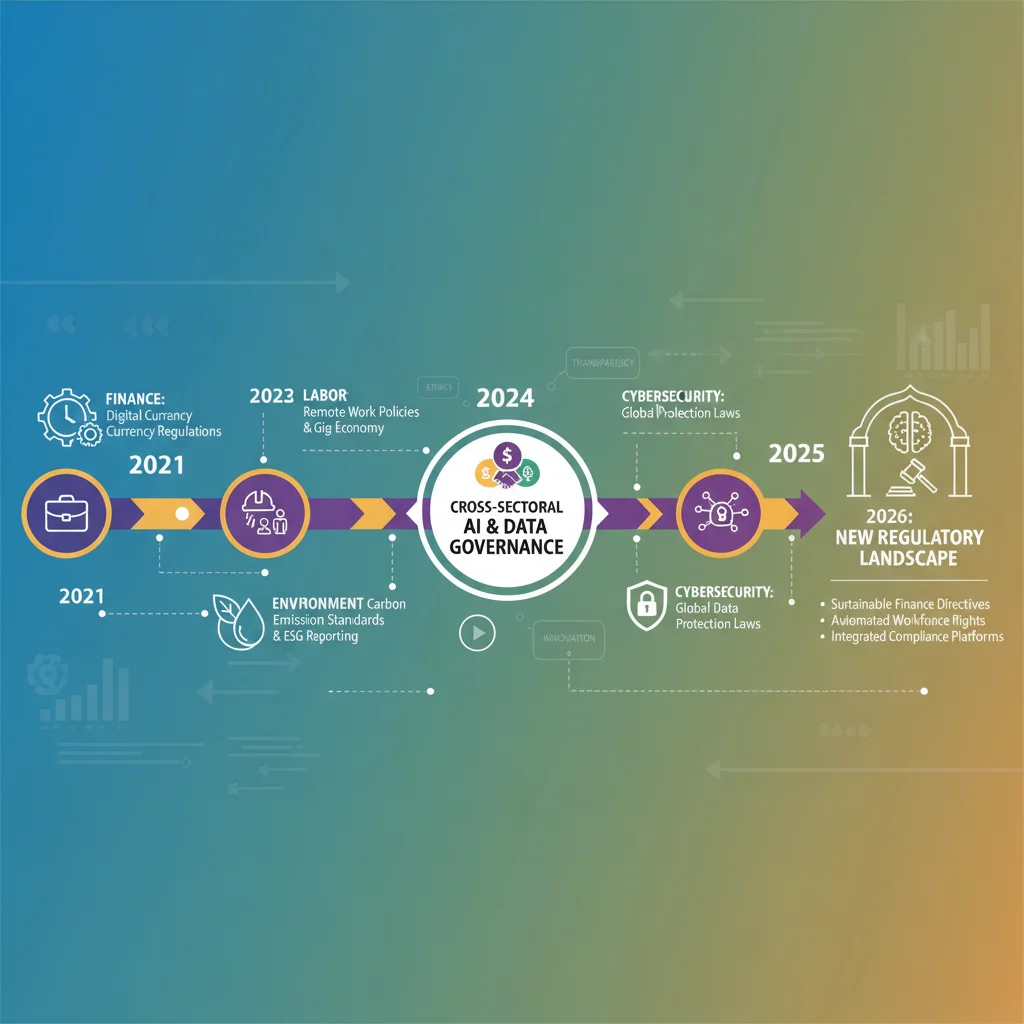
The upcoming 2026 Federal Regulations encompass a broad spectrum of areas, reflecting current governmental priorities and societal needs. While the exact details of all regulations are still being finalized or fully rolled out, several key themes have emerged, indicating where small businesses should focus their attention. These themes include enhanced data privacy and cybersecurity measures, updated labor and employment laws, new environmental sustainability standards, and changes in financial reporting and taxation.
Data Privacy and Cybersecurity: A New Frontier
In an age where data is often described as the new oil, protecting sensitive information has become paramount. The 2026 Federal Regulations are expected to introduce more stringent requirements for data privacy and cybersecurity, building upon existing frameworks like the California Consumer Privacy Act (CCPA) and aiming for a more harmonized national approach. Small businesses, regardless of their sector, handle customer data, employee information, and proprietary business intelligence. A data breach can be catastrophic, leading to significant financial losses, reputational damage, and legal liabilities.
Key areas of focus for small businesses will include:
- Data Minimization: Collecting only the data that is strictly necessary for legitimate business purposes.
- Enhanced Security Protocols: Implementing robust cybersecurity measures, including encryption, multi-factor authentication, regular security audits, and employee training on data protection best practices.
- Consumer Rights: Granting individuals greater control over their personal data, including rights to access, rectification, erasure, and portability of their information.
- Breach Notification Requirements: Establishing clear procedures for notifying affected individuals and regulatory bodies in the event of a data breach.
For many small businesses, compliance will necessitate a thorough review of their data handling practices, investment in new technologies, and potentially, the engagement of cybersecurity experts. Proactive steps now can mitigate future risks and ensure adherence to the evolving 2026 Federal Regulations.
Labor and Employment Laws: Adapting to a Changing Workforce
The world of work is constantly changing, and federal labor and employment laws are evolving to keep pace. The 2026 Federal Regulations are anticipated to bring updates that will impact how small businesses manage their workforce, from hiring practices to compensation and benefits. These changes often aim to promote fairness, equity, and a safer working environment. Specific areas likely to see revisions include:
- Minimum Wage and Overtime: Potential adjustments to federal minimum wage rates and clarification on overtime eligibility, which could significantly affect payroll costs and budgeting for small businesses.
- Worker Classification: Stricter guidelines on distinguishing between employees and independent contractors, a common area of misclassification that can lead to substantial penalties.
- Paid Leave Policies: Expansion or standardization of paid sick leave, family leave, or other types of leave, requiring businesses to update their HR policies.
- Workplace Safety: New or updated Occupational Safety and Health Administration (OSHA) standards, particularly in emerging industries or those with unique hazards.
- Anti-Discrimination and Diversity: Enhanced protections against discrimination and requirements for promoting diversity and inclusion in the workplace.
Small businesses will need to review their HR policies, payroll systems, and training programs to ensure full compliance with these updated labor laws. Consulting with legal counsel specializing in employment law can be invaluable during this transition.
Environmental Sustainability: A Greener Future for Business
As concerns about climate change and environmental impact grow, the 2026 Federal Regulations are expected to introduce new standards related to environmental sustainability. These regulations might focus on reducing carbon emissions, waste management, energy efficiency, and the use of sustainable materials. While traditionally seen as concerns for larger corporations, small businesses are increasingly being held accountable for their environmental footprint.
Potential impacts on small businesses include:
- Energy Efficiency Mandates: Requirements to adopt more energy-efficient practices or equipment, which could involve initial investment but lead to long-term cost savings.
- Waste Reduction and Recycling: Stricter rules on waste disposal, encouraging recycling and the reduction of single-use plastics or hazardous materials.
- Supply Chain Scrutiny: Increased pressure to ensure that their supply chains are environmentally responsible, potentially requiring due diligence on suppliers’ sustainability practices.
- Reporting Requirements: New obligations to report on environmental impact, such as greenhouse gas emissions, for certain types of businesses.
Embracing environmental sustainability can offer small businesses a competitive edge, appealing to eco-conscious consumers and potentially unlocking new markets or funding opportunities. Investing in sustainable practices now can position businesses favorably under the new 2026 Federal Regulations.
Financial Reporting and Taxation: Navigating the Economic Landscape
Changes in financial reporting and taxation are a perennial concern for businesses, and the 2026 Federal Regulations are unlikely to be an exception. While specific tax legislation is always subject to political processes, small businesses should prepare for potential adjustments to corporate tax rates, deductions, and reporting requirements. Increased transparency in financial dealings and stricter anti-fraud measures are also likely to be areas of focus.
Key considerations for small businesses:
- Tax Code Revisions: Potential alterations to federal income tax rates, capital gains taxes, or specific business deductions that could impact profitability and investment decisions.
- Enhanced Reporting: More detailed or frequent financial reporting obligations, particularly for businesses involved in specific sectors or those receiving federal funding.
- Digital Currency Regulations: As digital currencies become more mainstream, new regulations regarding their taxation and reporting are highly probable.
- Auditing and Compliance: Increased scrutiny from regulatory bodies, necessitating meticulous record-keeping and robust internal controls.
Working closely with accountants and financial advisors will be crucial for small businesses to understand and adapt to any changes in financial regulations and tax codes. Proactive financial planning can help minimize adverse impacts and maximize any potential benefits from the 2026 Federal Regulations.
Strategies for Small Business Compliance
Navigating the complex web of new 2026 Federal Regulations requires a strategic and systematic approach. Small businesses can implement several key strategies to ensure compliance, minimize disruption, and even find opportunities for growth.
1. Stay Informed and Monitor Updates
The regulatory environment is dynamic. It is imperative for small business owners to continuously monitor official government sources, industry associations, and legal news for updates on the 2026 Federal Regulations. Subscribing to relevant newsletters, attending webinars, and engaging with professional organizations can provide timely information and insights. Early awareness allows for more preparation time and reduces the risk of last-minute scrambles.
2. Conduct a Comprehensive Impact Assessment
Once the details of the 2026 Federal Regulations become clearer, conduct a thorough assessment of how each regulation will specifically impact your business. This involves:
- Identifying Affected Areas: Pinpoint which departments, processes, and systems will be directly affected (e.g., HR, IT, finance, operations).
- Estimating Costs: Calculate the potential financial implications of compliance, including investments in new technology, training, legal fees, and operational adjustments.
- Assessing Risks: Evaluate the potential risks of non-compliance, such as fines, legal action, reputational damage, and operational disruptions.
This assessment will help prioritize efforts and allocate resources effectively.
3. Develop a Detailed Compliance Plan
Based on the impact assessment, create a detailed compliance plan. This plan should outline:
- Specific Actions: List the concrete steps required for compliance for each regulation.
- Timelines: Set realistic deadlines for completing each action, well in advance of the 2026 effective dates.
- Assigned Responsibilities: Clearly assign tasks to individuals or teams within your organization.
- Required Resources: Identify the financial, technological, and human resources needed.
- Training Needs: Determine what training is necessary for employees to understand and adhere to new policies and procedures.
A well-structured plan turns potential chaos into manageable steps towards compliance with the 2026 Federal Regulations.
4. Invest in Technology and Infrastructure
Many of the upcoming 2026 Federal Regulations, particularly those related to data privacy, cybersecurity, and environmental reporting, will necessitate technological upgrades. Small businesses should:
- Update Software and Systems: Ensure all software, operating systems, and security tools are up-to-date and capable of meeting new standards.
- Data Management Solutions: Invest in robust data management systems that facilitate secure storage, easy retrieval, and compliance with data privacy rights.
- Automation Tools: Explore automation for tasks like compliance reporting, payroll processing, and environmental impact monitoring to reduce manual effort and errors.
Strategic technology investments can streamline compliance efforts and improve overall business efficiency.
5. Train Your Workforce
Employees are often the first line of defense against non-compliance, especially concerning data security and workplace conduct. Comprehensive training programs are essential to ensure that everyone understands the new 2026 Federal Regulations and their role in upholding them. Training should be:
- Regular and Ongoing: Compliance training shouldn’t be a one-time event but an ongoing process.
- Role-Specific: Tailor training content to the specific responsibilities of different employee groups.
- Interactive and Engaging: Use practical examples, quizzes, and discussions to ensure understanding and retention.
A well-informed workforce is a critical asset in navigating regulatory changes.
6. Seek Expert Advice
Small business owners don’t have to navigate these complex changes alone. Consulting with legal experts, accountants, HR consultants, and cybersecurity specialists can provide invaluable guidance. These professionals can help interpret the nuances of the 2026 Federal Regulations, ensure your compliance plan is robust, and represent your interests if issues arise.

Opportunities Arising from the 2026 Federal Regulations
While the initial reaction to new regulations might be concern, the 2026 Federal Regulations also present significant opportunities for small businesses that are proactive and adaptable.
Enhanced Customer Trust and Reputation
By demonstrating a strong commitment to data privacy, ethical labor practices, and environmental responsibility, small businesses can build deeper trust with their customers. Consumers are increasingly valuing businesses that align with their values. Compliance with the new 2026 Federal Regulations can become a powerful marketing tool, differentiating your business from competitors who lag in their adherence.
Improved Operational Efficiency
The process of reviewing and updating internal processes for compliance can often uncover inefficiencies. For instance, streamlining data management to meet privacy regulations might lead to better data organization overall. Investing in energy-efficient equipment to meet environmental standards can result in lower utility bills. These improvements, driven by the need to comply with 2026 Federal Regulations, can ultimately enhance operational efficiency and reduce long-term costs.
Access to New Markets and Funding
Strict adherence to environmental standards might open doors to new markets that prioritize sustainable suppliers or partners. Similarly, businesses with robust data security practices might be preferred by larger corporations seeking secure supply chain partners. Furthermore, some federal and state programs offer incentives or funding for businesses that adopt environmentally friendly practices or meet specific labor standards, aligning with the spirit of the 2026 Federal Regulations.
Innovation and Competitive Advantage
Regulatory changes often spur innovation. Small businesses that proactively develop new products, services, or operational models to address the requirements of the 2026 Federal Regulations can gain a significant competitive advantage. For example, a business that develops an innovative solution for waste reduction or a new data security service could find itself at the forefront of its industry.
Case Studies and Examples (Hypothetical)
To illustrate the potential impact and opportunities, let’s consider a few hypothetical scenarios:
Scenario 1: A Local Retailer and Data Privacy
“Boutique Bloom,” a small online and brick-and-mortar clothing retailer, collects customer purchase history and email addresses for marketing. With the new 2026 Federal Regulations on data privacy, Boutique Bloom proactively invested in a new CRM system that allows customers to easily manage their data preferences, opt-out of marketing, and request data deletion. They also conducted staff training on secure data handling. While an initial investment, this move enhanced customer trust, leading to higher engagement rates and positive reviews about their commitment to privacy, ultimately boosting sales.
Scenario 2: A Small Manufacturing Plant and Environmental Standards
“Green Gears Inc.,” a small custom parts manufacturer, faced concerns about new environmental regulations regarding waste emissions. Instead of just meeting the minimum requirements, they invested in new, more efficient machinery that significantly reduced waste and energy consumption. This not only ensured compliance with the 2026 Federal Regulations but also reduced their operational costs by 15% and attracted new contracts from larger companies seeking environmentally responsible suppliers, giving them a distinct market advantage.
Scenario 3: A Tech Startup and Labor Laws
“Innovate Now,” a burgeoning tech startup, relied heavily on independent contractors. Anticipating stricter worker classification rules under the 2026 Federal Regulations, they proactively re-evaluated their workforce structure. They converted several key contractors into full-time employees, offering competitive benefits. While increasing immediate payroll costs, this move significantly reduced legal risks, improved employee morale and retention, and attracted top talent who valued stability and comprehensive benefits, strengthening their long-term growth prospects.
Conclusion: Preparing for the Future
The forthcoming 2026 Federal Regulations represent a pivotal moment for small businesses across the United States. While the prospect of adapting to new rules can seem daunting, viewing these changes as an integral part of business evolution is key. Small businesses that embrace these regulations proactively, rather than reactively, will be better positioned to not only comply but also to thrive. By staying informed, conducting thorough assessments, developing robust compliance plans, investing wisely in technology, training their workforce, and seeking expert guidance, small business owners can transform potential challenges into significant opportunities. The future of business demands agility, foresight, and a commitment to responsible practices. By mastering the demands of the 2026 Federal Regulations, small businesses can ensure their resilience, foster innovation, and secure a prosperous future in an ever-changing economic landscape.