Food Security 2026: Federal Solutions for Hunger & Supply Chains
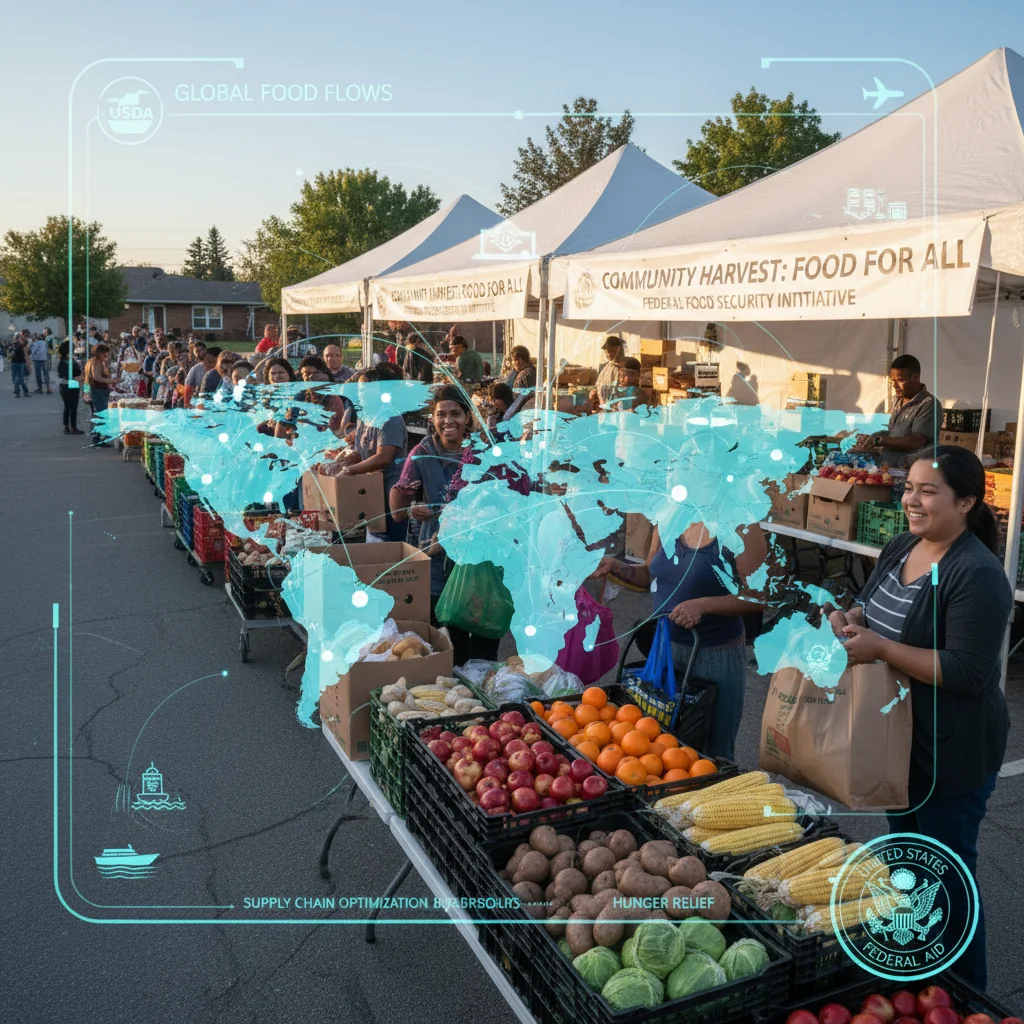
Federal Food Security in 2026: Addressing Hunger and Bolstering Supply Chains
The landscape of global food security is perpetually shifting, influenced by a complex interplay of environmental, economic, and geopolitical factors. As we look towards 2026, the imperative to ensure that every individual has consistent access to nutritious and affordable food remains a paramount challenge. The United States, through its myriad of federal food security programs, continues to grapple with both persistent hunger within its borders and the vulnerabilities inherent in its vast and intricate food supply chains. This article delves into the critical role of federal food security initiatives, exploring the current state, future strategies, and practical solutions aimed at creating a more resilient and equitable food system.
Understanding the multifaceted nature of food insecurity is the first step toward effective intervention. It’s not merely about the absence of food; it encompasses issues of access, affordability, utilization, and stability. From unexpected natural disasters disrupting agricultural output to economic downturns impacting purchasing power, the challenges are diverse and demand comprehensive, coordinated responses. Federal programs serve as the backbone of these efforts, providing a safety net for millions and investing in long-term solutions that strengthen the entire food ecosystem.
The Current State of Federal Food Security Programs
In 2026, the United States continues to rely on a robust, albeit constantly evolving, framework of federal food security programs. These programs are designed to address various facets of hunger and nutritional inadequacy, from direct food assistance to agricultural support and educational initiatives. The primary agencies at the forefront of these efforts include the U.S. Department of Agriculture (USDA) and the Department of Health and Human Services (HHS), working in conjunction with state and local governments, and a vast network of non-profit organizations.
Key Federal Food Assistance Programs
At the heart of the federal food security strategy are direct assistance programs that provide crucial support to low-income individuals and families. The Supplemental Nutrition Assistance Program (SNAP), formerly known as food stamps, remains the largest anti-hunger program in the country. SNAP benefits allow eligible households to purchase nutritious food, significantly reducing food insecurity rates. In 2026, there is an ongoing focus on streamlining SNAP enrollment processes, expanding eligibility where appropriate, and integrating nutritional education to maximize its impact.
Another cornerstone is the Special Supplemental Nutrition Program for Women, Infants, and Children (WIC). WIC provides federal grants to states for supplemental foods, healthcare referrals, and nutrition education for low-income pregnant, breastfeeding, and non-breastfeeding postpartum women, and to infants and children up to age five who are found to be at nutritional risk. The program’s emphasis on early childhood nutrition is critical for long-term health outcomes and is a key component of federal food security efforts.
School meal programs, including the National School Lunch Program (NSLP) and the School Breakfast Program (SBP), play an indispensable role in ensuring children have access to healthy meals during the school day. These programs are vital for combating childhood hunger and improving academic performance. In 2026, discussions around universal free school meals continue, with advocates highlighting their potential to further reduce food insecurity among children and alleviate financial burdens on families.
The Emergency Food Assistance Program (TEFAP) provides commodity foods to states for distribution through local food banks and other emergency feeding organizations. This program acts as a critical buffer during economic downturns or natural disasters, ensuring that emergency food providers have the resources to meet increased demand. TEFAP’s flexibility allows it to respond swiftly to localized crises, making it an essential tool in the federal food security toolkit.
Agricultural Support and Sustainability
Beyond direct assistance, federal food security also hinges on a robust and sustainable agricultural sector. The USDA implements various programs designed to support farmers, promote sustainable practices, and ensure a stable food supply. These include crop insurance programs, conservation initiatives, and research and development funding aimed at improving agricultural resilience in the face of climate change and evolving environmental conditions.
In 2026, there is an increased emphasis on programs that encourage local and regional food systems. Initiatives like farmers market programs, farm-to-school initiatives, and grants for community-supported agriculture (CSA) aim to shorten supply chains, support local economies, and increase access to fresh, healthy produce, particularly in underserved communities. These programs not only bolster food security but also contribute to economic development and environmental sustainability.
Challenges to Federal Food Security in 2026
Despite the comprehensive nature of these programs, significant challenges persist in achieving universal federal food security. These challenges are often interconnected and require innovative, multi-sectoral approaches.
Supply Chain Vulnerabilities
One of the most pressing challenges facing federal food security in 2026 is the inherent vulnerability of the food supply chain. Global events, such as pandemics, geopolitical conflicts, and extreme weather events, have repeatedly exposed weaknesses in the system. Disruptions can lead to food shortages, price volatility, and reduced access, disproportionately affecting vulnerable populations.
The reliance on complex, globalized supply chains means that a single point of failure can have cascading effects. Transportation bottlenecks, labor shortages, and processing plant closures can quickly impact food availability and affordability. Furthermore, climate change poses an existential threat to agricultural productivity, with increased frequency of droughts, floods, and superstorms jeopardizing harvests and livestock.
Economic Disparities and Inflation
Economic disparities continue to be a significant driver of food insecurity. While unemployment rates may fluctuate, underemployment, low wages, and the rising cost of living mean that many families struggle to afford nutritious food. Inflation, particularly in food prices, can quickly erode the purchasing power of assistance programs like SNAP, making it harder for beneficiaries to meet their dietary needs.
The “cliff effect,” where a small increase in income leads to a disproportionate loss of benefits, can also disincentivize economic advancement for some families, trapping them in a cycle of dependency. Addressing these economic structural issues is crucial for long-term food security.
Access and ‘Food Deserts’
Even when food is available, access remains a significant barrier for many. ‘Food deserts’—areas with limited access to affordable and nutritious food, often found in low-income urban and rural areas—continue to be a pervasive problem. Residents in these areas may lack transportation to larger grocery stores or only have access to convenience stores with limited healthy options. This geographical disparity exacerbates health inequities and makes achieving federal food security more challenging.
Cultural and linguistic barriers can also hinder access to federal programs, preventing eligible individuals from enrolling or fully utilizing available resources. Outreach and culturally competent program delivery are essential to overcome these hurdles.
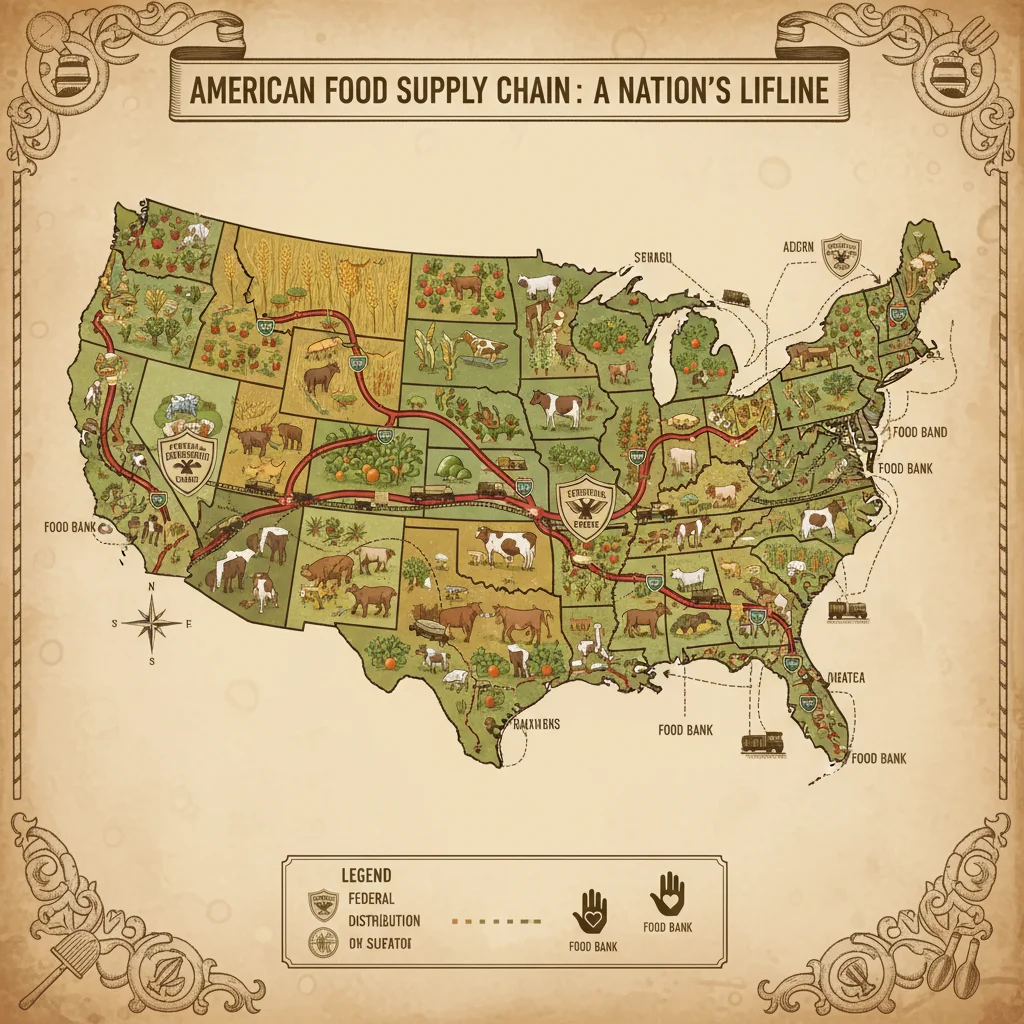
Practical Solutions and Future Strategies for 2026
Moving forward into 2026, a blend of innovative solutions and strengthened existing programs will be necessary to enhance federal food security. These strategies must be adaptive, resilient, and inclusive.
Strengthening Supply Chain Resilience
Building a more resilient food supply chain is paramount. This involves several key areas:
- Diversification of Sourcing: Reducing over-reliance on single-source suppliers or regions by encouraging a more diverse network of domestic and international agricultural partners.
- Investment in Infrastructure: Modernizing transportation networks, cold storage facilities, and processing plants to reduce waste and improve efficiency. This includes federal funding for projects that enhance supply chain logistics.
- Localized Food Systems: Further federal support for local and regional food systems. This not only shortens supply chains but also empowers local economies and provides communities with greater control over their food sources. Grants for urban farming, community gardens, and direct-to-consumer models can play a significant role.
- Technology Integration: Utilizing data analytics, AI, and blockchain technology to improve supply chain visibility, track food from farm to fork, predict disruptions, and optimize distribution. Federal agencies can incentivize and fund pilot programs for these technologies.
- Emergency Preparedness: Developing robust contingency plans for natural disasters and other emergencies, including strategic food reserves and rapid deployment mechanisms for federal food assistance.
Enhancing Federal Food Assistance Programs
Optimizing existing programs and exploring new approaches will be critical for addressing hunger:
- Benefit Adequacy: Regularly reviewing and adjusting SNAP benefit levels to ensure they keep pace with inflation and adequately cover the cost of a healthy diet. This is a crucial aspect of maintaining effective federal food security.
- Streamlined Access: Simplifying application processes for programs like SNAP and WIC, utilizing technology for online applications, and increasing outreach to underserved communities. Expanding mobile access points for benefits and information can also help.
- Universal School Meals: Advocating for and implementing universal free school meals nationwide, recognizing that school-aged children are a particularly vulnerable population. This would eliminate stigma and ensure all children have access to nutritious food.
- ‘Produce Prescriptions’ and Incentives: Expanding programs that allow healthcare providers to ‘prescribe’ fresh fruits and vegetables, redeemable at grocery stores or farmers markets. Similarly, incentivizing SNAP beneficiaries to purchase healthy foods can improve dietary quality.
- Integrated Support: Fostering greater coordination between food assistance programs and other social services, such as housing assistance, healthcare, and employment support, to address the root causes of poverty and food insecurity holistically.
Investing in Sustainable Agriculture and Climate Resilience
The future of federal food security is inextricably linked to the health of our planet and the sustainability of our agricultural practices. Federal investment in these areas is crucial:
- Climate-Smart Agriculture: Funding research and providing incentives for farmers to adopt climate-smart practices, such as regenerative agriculture, drought-resistant crops, and efficient water management systems. This helps ensure long-term food production stability.
- Reduced Food Waste: Implementing federal policies and programs aimed at reducing food waste at every stage of the supply chain, from farm to consumer. This includes public awareness campaigns, food recovery initiatives, and composting programs.
- Agricultural Research and Innovation: Continuously investing in agricultural research to develop new crop varieties, pest and disease resistance, and sustainable farming techniques that can withstand future environmental challenges.
- Support for Small and Beginning Farmers: Providing resources, training, and financial assistance to small-scale and beginning farmers, particularly those from underserved communities, to foster agricultural diversity and local food production.

The Role of Public-Private Partnerships
Achieving comprehensive federal food security cannot be solely the responsibility of government. Public-private partnerships are increasingly vital, leveraging the strengths of various sectors to create more impactful and sustainable solutions. Federal agencies can facilitate these partnerships by providing grants, technical assistance, and platforms for collaboration.
For instance, partnerships between federal programs and food retailers can expand access to healthy foods in underserved areas. Collaborations with technology companies can lead to innovative solutions for food distribution and waste reduction. Non-profit organizations, with their deep community ties, are indispensable partners in outreach, education, and direct service delivery, often acting as the front lines of hunger relief efforts.
Philanthropic organizations can also play a crucial role by funding pilot projects, supporting advocacy efforts, and filling gaps where federal funding may be limited. These synergistic relationships amplify the reach and effectiveness of food security initiatives, creating a more robust and responsive system.
Measuring Progress and Accountability
To ensure that federal food security initiatives are effective, robust mechanisms for measuring progress and ensuring accountability are essential. This involves:
- Data Collection and Analysis: Continuously collecting and analyzing data on food insecurity rates, program participation, nutritional outcomes, and supply chain performance. This data should be disaggregated by demographics to identify disparities and target interventions effectively.
- Regular Program Evaluation: Conducting rigorous evaluations of federal food programs to assess their impact, identify areas for improvement, and ensure they are achieving their intended goals.
- Transparency and Reporting: Ensuring transparency in how federal funds are allocated and utilized, with regular public reporting on program outcomes and challenges. This fosters trust and allows for informed public discourse.
- Stakeholder Engagement: Actively engaging with stakeholders, including beneficiaries, farmers, food businesses, and community leaders, to gather feedback and ensure programs are responsive to real-world needs.
By establishing clear metrics and accountability frameworks, federal agencies can adapt their strategies, allocate resources more efficiently, and ultimately make greater strides towards eliminating hunger and strengthening the food system.
Conclusion: A Resilient Future for Federal Food Security
The pursuit of federal food security in 2026 is a complex and ongoing endeavor, requiring sustained commitment, innovative thinking, and collaborative action. While significant strides have been made through established federal programs, the evolving challenges of economic inequality, climate change, and global disruptions demand a proactive and adaptive approach. By strengthening food assistance programs, investing in resilient supply chains, promoting sustainable agriculture, and fostering robust partnerships, the United States can move closer to a future where every individual has consistent access to nutritious and affordable food.
The vision for 2026 is one where federal policies serve not only as a safety net but also as a catalyst for systemic change, building a food system that is equitable, sustainable, and capable of withstanding future shocks. This comprehensive strategy, rooted in a deep understanding of the challenges and a commitment to practical solutions, will be instrumental in ensuring the well-being of all Americans and setting a global example for food security.