Navigating the 2026 AI Act: Essential Compliance for US Tech

Navigating the 2026 AI Act: 5 Key Compliance Strategies for US Tech Companies to Implement This Quarter
The landscape of artificial intelligence is evolving at an unprecedented pace, and with its rapid advancement comes the inevitable need for robust regulation. The European Union’s Artificial Intelligence Act (AI Act), set to become fully applicable in 2026, represents a landmark piece of legislation that will have far-reaching implications, not just for EU-based companies but also for US tech companies operating within or serving customers in the EU. This comprehensive regulation aims to ensure that AI systems placed on the European market are safe, transparent, non-discriminatory, and environmentally sound. For US tech companies, the 2026 AI Act is not a distant concern; it requires immediate strategic planning and implementation. Proactive compliance is not merely about avoiding penalties; it’s about maintaining market access, fostering trust, and building a sustainable future for AI innovation.
The EU AI Act introduces a risk-based approach, classifying AI systems into different categories: unacceptable risk, high-risk, limited risk, and minimal risk. The most stringent requirements apply to high-risk AI systems, which include those used in critical infrastructure, education, employment, law enforcement, migration, and democratic processes. US tech companies developing or deploying such systems must understand these classifications and prepare for the extensive obligations that accompany them. This article will delve into five key compliance strategies that US tech companies should implement this quarter to ensure readiness for the 2026 AI Act. Ignoring these impending regulations could lead to significant operational disruptions, hefty fines, and reputational damage. Therefore, understanding and acting upon the nuances of the AI Act Compliance US strategy is paramount.
The urgency stems from the fact that compliance with the AI Act is not a switch that can be flipped overnight. It requires fundamental shifts in product development lifecycles, data management practices, governance structures, and internal processes. Companies that begin their compliance journey early will be better positioned to adapt, innovate, and thrive in the regulated AI ecosystem. Let’s explore these critical strategies.
1. Conduct a Comprehensive AI System Risk Assessment and Classification
The cornerstone of AI Act compliance is understanding the risk profile of your AI systems. The Act categorizes AI systems based on their potential to cause harm, with high-risk systems facing the most stringent requirements. For US tech companies, the first and most crucial step is to conduct a thorough inventory and risk assessment of all AI systems currently developed, deployed, or planned for use in the EU. This involves more than just a cursory glance; it requires a deep dive into the functionality, intended purpose, and potential impact of each AI application.
Begin by cataloging all AI systems. For each system, meticulously assess its classification under the AI Act. Is it an unacceptable risk AI system, which would be prohibited? More likely, are some of your systems classified as high-risk? This could include AI used in HR for recruitment, credit scoring systems, medical devices, or even certain cybersecurity applications. Understanding this classification is vital because it dictates the level of compliance burden your company will face. High-risk AI systems, for instance, will require a conformity assessment, robust risk management systems, stringent data governance, and comprehensive documentation.
The risk assessment should identify potential harms related to fundamental rights, health, safety, and environmental protection. It should also consider the context in which the AI system operates, the populations it affects, and the potential for bias or discrimination. This isn’t a one-time exercise but an ongoing process. As AI systems evolve and new use cases emerge, their risk profiles may change, necessitating continuous re-evaluation. Establishing an internal framework for regular AI risk assessments, led by a dedicated team or expert, is essential for sustained AI Act Compliance US efforts.
Furthermore, this initial assessment should identify gaps in your current practices. Do you have adequate mechanisms to detect and mitigate risks? Are your data sets sufficiently robust and unbiased for high-risk applications? Do you have the technical capabilities to monitor the performance and accuracy of your AI systems in real-world scenarios? These questions will guide the subsequent compliance strategies. Companies should consider engaging legal and technical experts specializing in AI regulation to ensure accurate classification and a comprehensive risk assessment. This proactive approach will lay a solid foundation for all future compliance activities, ensuring that your AI Act Compliance US strategy is both effective and efficient.
2. Implement Robust Data Governance and Quality Frameworks
Data is the lifeblood of AI, and the AI Act places significant emphasis on the quality and governance of data used to train, validate, and test AI systems, particularly high-risk ones. For US tech companies, this means re-evaluating and potentially overhauling existing data management practices to meet the stringent requirements of the EU AI Act. Poor data quality can lead to biased, inaccurate, or unreliable AI systems, which can have severe consequences, especially in high-risk applications.
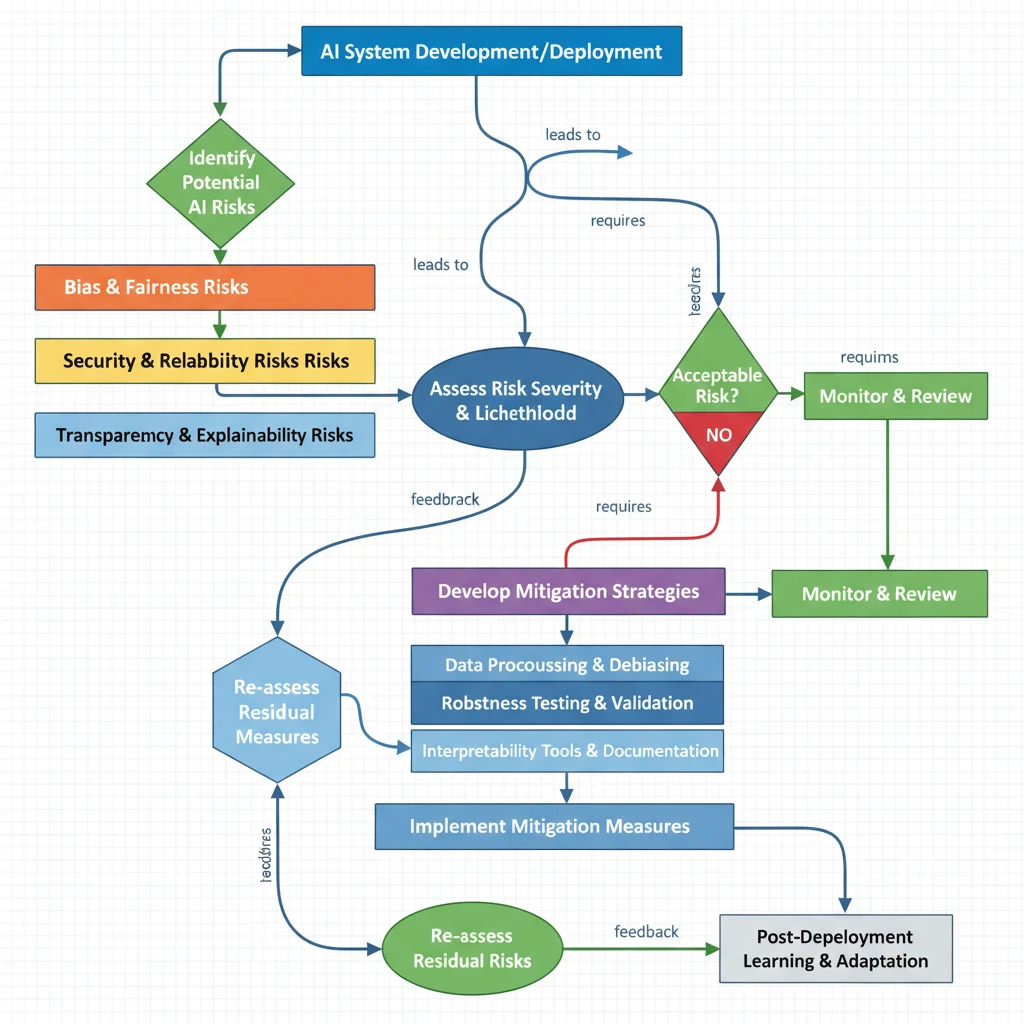
The first step in this strategy is to establish clear data governance policies specifically tailored for AI. This includes defining roles and responsibilities for data collection, storage, processing, and disposal. It also involves implementing strict protocols for data quality checks, including accuracy, completeness, consistency, and relevance. For high-risk AI systems, the Act mandates that training, validation, and testing data sets be “subject to appropriate data governance and management practices.” This implies a need for systematic data curation, documentation of data sources, and meticulous record-keeping of data transformations.
Bias detection and mitigation are critical components of data quality. US tech companies must develop and implement strategies to identify and reduce potential biases in their training data. This could involve using diverse datasets, employing statistical methods to detect and correct biases, and regularly auditing data for fairness. The impact of biased data can be far-reaching, leading to discriminatory outcomes that violate fundamental rights – a core concern of the AI Act. Therefore, investing in technologies and expertise for bias detection and mitigation is not just a compliance requirement but an ethical imperative.
Furthermore, data lineage and provenance must be meticulously documented. Companies need to be able to trace the origin of their data, understand how it was collected, and identify any transformations it underwent. This transparency is crucial for accountability and for demonstrating compliance during audits. Implementing robust data versioning and change management systems will be vital. The AI Act Compliance US strategy must integrate these data governance principles across the entire AI development lifecycle, from initial conceptualization to deployment and ongoing maintenance.
Finally, ensure compliance with existing data protection regulations, such as GDPR, which often overlap with the AI Act’s data requirements. While the AI Act focuses on the AI system itself, the underlying data often contains personal information, making GDPR compliance equally important. A holistic approach that addresses both sets of regulations will streamline compliance efforts and build a more resilient data infrastructure.
3. Enhance AI System Transparency and Explainability
Transparency and explainability are central tenets of the AI Act, especially for high-risk AI systems. Users and affected individuals have a right to understand how AI systems make decisions, particularly when those decisions have significant impacts on their lives. For US tech companies, this means moving beyond “black box” AI models and developing mechanisms to provide meaningful explanations.
The Act requires that high-risk AI systems be designed and developed in such a way that their operation is “sufficiently transparent to enable operators to interpret the system’s output and use it appropriately.” This translates into several practical requirements. Firstly, companies need to document the design choices, development process, and performance characteristics of their AI systems. This documentation should be understandable to both technical and non-technical stakeholders.
Secondly, develop methods for explaining AI outputs. This could involve implementing techniques like LIME (Local Interpretable Model-agnostic Explanations) or SHAP (SHapley Additive exPlanations) to provide insights into why an AI system arrived at a particular decision. The level of explainability required will depend on the specific application and its potential impact. For instance, an AI system used in medical diagnosis will require a much higher degree of explainability than one recommending movies.
Beyond technical explainability, US tech companies must also ensure that users are informed when they are interacting with an AI system. This includes clear disclosures about the nature of the AI, its capabilities, and its limitations. For high-risk systems, users should also be informed about the purpose of the AI system, the types of decisions it makes, and their rights to challenge those decisions. This user-centric approach to transparency builds trust and empowers individuals.
Implementing transparency measures also involves designing user interfaces that clearly communicate AI system outputs and their associated uncertainties. For example, if an AI system provides a prediction, it should also indicate the confidence level of that prediction. This allows users to make informed judgments and understand the potential for error. Integrating these transparency and explainability features into the AI Act Compliance US strategy will not only meet regulatory requirements but also enhance user experience and foster greater adoption of AI technologies.
4. Establish Robust AI Governance and Accountability Frameworks
Effective AI governance is not just about technical controls; it’s about establishing clear organizational structures, policies, and processes to ensure responsible AI development and deployment. For US tech companies, this means building a comprehensive AI governance framework that spans the entire organization and aligns with the requirements of the AI Act.

Start by designating clear roles and responsibilities for AI governance. This could involve appointing an AI Ethics Officer, establishing an AI Governance Committee, or integrating AI responsibilities into existing compliance and risk management functions. Regardless of the specific structure, it’s crucial to have individuals and teams accountable for overseeing AI development, ensuring compliance, and addressing ethical concerns. These roles should have sufficient authority and resources to implement and enforce AI governance policies.
Develop and implement internal policies and procedures that cover the entire AI lifecycle. These policies should address ethical principles, data privacy, bias mitigation, transparency, and accountability. They should guide AI developers, data scientists, product managers, and legal teams on how to design, develop, test, deploy, and monitor AI systems in compliance with the AI Act. Regular training and awareness programs are essential to ensure that all relevant personnel understand their obligations under these policies and the broader AI Act Compliance US framework.
The AI Act also mandates the establishment of a quality management system for high-risk AI systems. This system should cover all aspects of the AI lifecycle, from design and development to post-market monitoring. It should include procedures for documentation, record-keeping, risk management, and corrective actions. Think of it as an ISO-style certification for your AI development processes, ensuring consistency, reliability, and continuous improvement.
Furthermore, establish a mechanism for internal and external stakeholder engagement. This could involve consulting with ethics experts, legal counsel, and even end-users to gather feedback and address concerns about your AI systems. Transparency and engagement are crucial for building trust and ensuring that your AI systems are developed responsibly. A well-defined AI governance framework will not only ensure compliance with the AI Act but also enhance your company’s reputation as a responsible AI innovator, reinforcing the overall AI Act Compliance US strategy.
5. Prepare for Conformity Assessments and Post-Market Monitoring
For high-risk AI systems, the AI Act mandates a conformity assessment before they can be placed on the EU market or put into service. This is a critical step for US tech companies and requires significant preparation. The conformity assessment process will verify that your high-risk AI system meets all the requirements of the AI Act.
There are generally two routes for conformity assessment: an internal control assessment (self-assessment) for certain high-risk systems, and a third-party assessment by a notified body for others, particularly those used in critical infrastructure or certain public safety applications. US tech companies must determine which assessment route applies to their high-risk AI systems and begin preparing accordingly. This preparation includes compiling extensive documentation, such as technical documentation, risk management system documentation, data governance records, and evidence of compliance with transparency and explainability requirements.
The technical documentation, in particular, will be a comprehensive dossier outlining the AI system’s design, development, training data, testing results, and performance characteristics. This document must demonstrate how the system meets all applicable requirements of the AI Act. This requires meticulous record-keeping throughout the entire development process, which reinforces the importance of establishing robust governance frameworks from the outset.
Beyond the initial conformity assessment, the AI Act also imposes obligations for post-market monitoring. This means that once your high-risk AI system is in operation, you must continuously monitor its performance, accuracy, and compliance with the Act’s requirements. This includes establishing systems for collecting data on the system’s performance, identifying and reporting serious incidents, and implementing corrective actions when necessary. This continuous monitoring is crucial for maintaining compliance and ensuring the ongoing safety and reliability of your AI systems.
US tech companies should establish a dedicated post-market surveillance plan, outlining the procedures for monitoring, incident reporting, and corrective measures. This plan should integrate with your existing quality management system and risk management framework. Regularly reviewing and updating this plan based on operational experience and evolving regulatory guidance will be key to sustained AI Act Compliance US. Proactive preparation for conformity assessments and the establishment of robust post-market monitoring systems are non-negotiable for any US tech company aiming to operate high-risk AI systems in the EU.
The Broader Impact and Future Outlook for AI Act Compliance US
The EU AI Act is more than just a regulatory hurdle; it’s a blueprint for responsible AI development that is likely to influence global AI regulation. For US tech companies, understanding and proactively addressing the requirements of this Act offers several strategic advantages beyond mere compliance. By embracing these regulations, companies can enhance their reputation, build greater trust with customers and partners, and potentially gain a competitive edge in the global AI market.
Firstly, proactive compliance can foster innovation within a responsible framework. By integrating ethical considerations and risk management into the design phase of AI systems, companies can develop more robust, reliable, and trustworthy AI. This ‘trustworthy AI’ paradigm is becoming increasingly important for consumers and businesses alike, and adherence to the AI Act can serve as a powerful differentiator.
Secondly, the AI Act’s emphasis on transparency, explainability, and data quality aligns with growing demands for ethical AI. Companies that can demonstrate a clear commitment to these principles will be better positioned to attract top talent, secure investments, and navigate future regulatory landscapes, which are almost certainly going to become more stringent globally. The principles embedded in the AI Act are likely to become de facto industry standards, making early adoption a strategic investment.
Thirdly, the ‘Brussels Effect,’ where EU regulations set global standards due to the size and influence of the EU market, is a significant factor. It is highly probable that other jurisdictions, including potentially the United States, will draw inspiration from the AI Act when developing their own AI regulations. By aligning with the AI Act now, US tech companies can future-proof their operations and reduce the burden of adapting to multiple, potentially disparate, regulatory frameworks later on. Establishing a strong AI Act Compliance US strategy now can provide a significant head start.
Finally, the economic implications of non-compliance are substantial. Fines for violating the AI Act can be significant, reaching up to €30 million or 6% of a company’s worldwide annual turnover, whichever is higher. Beyond financial penalties, non-compliance can lead to market exclusion, reputational damage, and loss of consumer trust, all of which can have devastating long-term consequences for a tech company. The cost of compliance, while potentially significant, pales in comparison to the potential costs of non-compliance.
In conclusion, the 2026 AI Act is a critical piece of legislation that demands immediate attention from US tech companies. The five strategies outlined – comprehensive risk assessment, robust data governance, enhanced transparency, strong governance frameworks, and preparation for conformity assessments and post-market monitoring – are not just checkboxes to tick. They represent a fundamental shift towards more responsible, ethical, and trustworthy AI development. By implementing these strategies starting this quarter, US tech companies can ensure their continued access to the lucrative European market, protect their reputation, and contribute to the responsible evolution of artificial intelligence globally. The time to act on AI Act Compliance US is now.