Sustainable Tech 2026: Green Innovations for US Companies
Sustainable Tech in 2026: How Green Innovations Are Saving US Companies 20% on Energy Costs
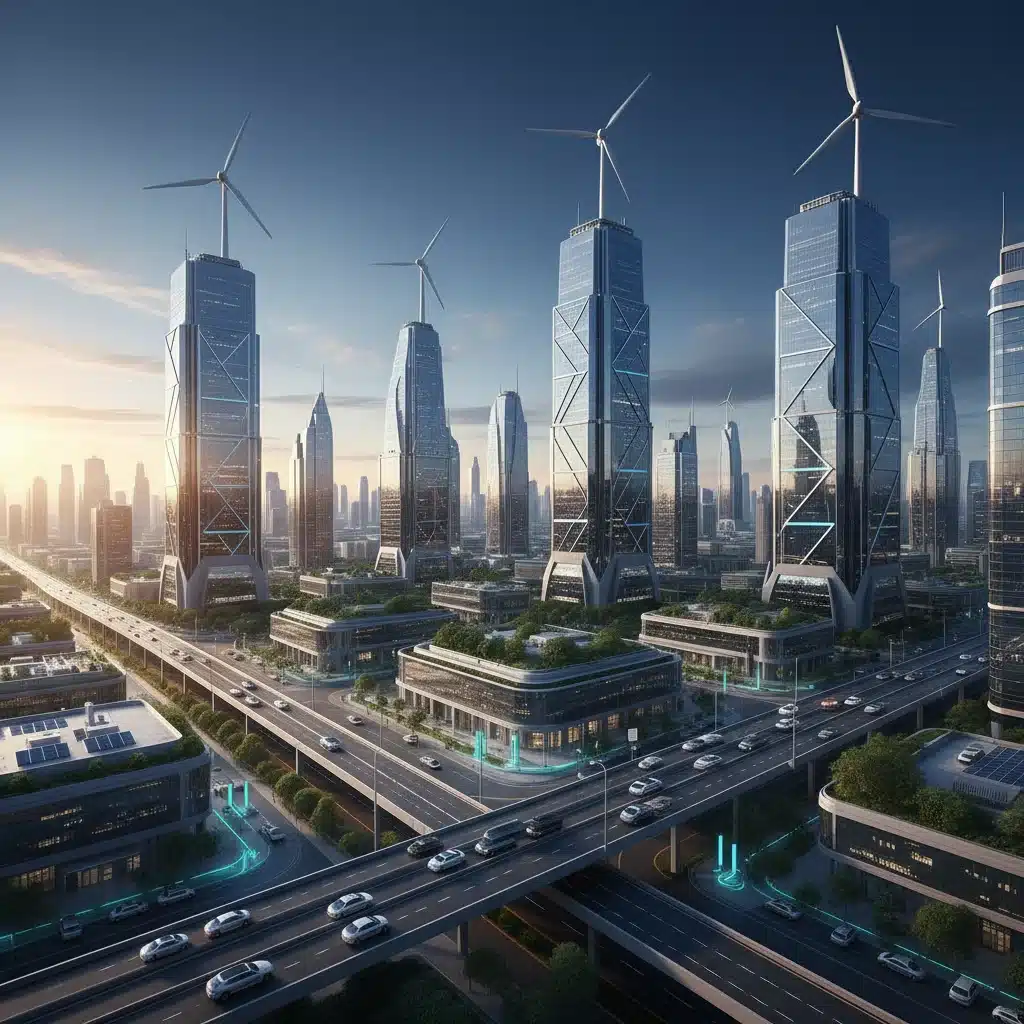
In the rapidly evolving landscape of 2026, the convergence of technological advancement and environmental consciousness has ushered in a new era for businesses across the United States. Companies are no longer viewing sustainability as a mere corporate social responsibility initiative but as a strategic imperative that directly impacts their bottom line. The proliferation of sustainable tech solutions has become a game-changer, enabling US businesses to achieve remarkable reductions in energy consumption and, consequently, significant cost savings. We are witnessing a trend where companies are consistently reporting energy cost reductions of 20% or more, a testament to the power of green innovation. This article delves into the core of these transformative technologies, exploring how they are reshaping industries, fostering a greener economy, and delivering tangible financial benefits.
The urgency to adopt sustainable practices has never been greater. Climate change concerns, coupled with fluctuating energy prices and increasing regulatory pressures, have pushed businesses to seek innovative ways to operate more efficiently. Fortunately, the tech sector has risen to the occasion, delivering a suite of sophisticated tools and systems designed to optimize resource usage, reduce waste, and harness renewable energy sources. From advanced energy management systems to revolutionary materials and circular economy models, the options for embracing sustainable tech solutions are diverse and impactful. This shift is not just about compliance; it’s about competitive advantage, enhanced brand reputation, and long-term resilience in a dynamic global market.
The Rise of Smart Energy Management Systems (SEMS)
At the forefront of this green revolution are Smart Energy Management Systems (SEMS). These intelligent platforms leverage artificial intelligence (AI), machine learning (ML), and the Internet of Things (IoT) to monitor, analyze, and control energy consumption in real-time. For US companies, SEMS are proving invaluable in identifying inefficiencies, predicting energy demands, and automating adjustments to minimize waste. Imagine a large manufacturing plant or a sprawling office complex where every light, every HVAC unit, and every piece of machinery is interconnected and optimized for peak energy performance. This is the reality that SEMS are creating.
Traditionally, energy management involved manual checks and reactive measures. However, modern SEMS offer a proactive approach. They collect vast amounts of data from various sensors and meters, providing granular insights into energy usage patterns. This data is then processed by AI algorithms to detect anomalies, forecast future consumption based on historical data and external factors like weather, and suggest or even execute automated adjustments. For example, SEMS can automatically dim lights in unoccupied areas, adjust thermostat settings based on occupancy and external temperature, and even optimize the operation of heavy machinery during off-peak hours to take advantage of lower electricity rates. The precision and responsiveness of these systems are key to achieving the substantial savings observed across industries.
Beyond simple automation, advanced SEMS are also integrating with renewable energy sources. Companies with on-site solar panels or wind turbines can use SEMS to intelligently manage the flow of energy, deciding whether to use generated power, store it in batteries, or feed it back into the grid. This level of sophisticated control not only reduces reliance on traditional grid power but also creates new revenue streams for businesses. The implementation of such comprehensive sustainable tech solutions is a major driver behind the 20% plus energy cost reductions.
Renewable Energy Integration: Beyond Solar Panels
While solar panels have long been the poster child for renewable energy, the landscape of renewable energy integration for US companies in 2026 is far more diverse and sophisticated. Businesses are increasingly adopting a multi-faceted approach, combining various renewable sources to create resilient and self-sufficient energy ecosystems. This includes not only advanced solar photovoltaic (PV) systems but also wind micro-turbines, geothermal heating and cooling, and even small-scale hydropower where geographically feasible. The focus is on creating a balanced portfolio that maximizes energy independence and minimizes carbon footprint.
One significant innovation is the advancement in energy storage solutions. Battery technology, particularly lithium-ion and emerging solid-state batteries, has become more efficient, cost-effective, and scalable. This allows companies to store excess renewable energy generated during peak production times and deploy it during periods of high demand or when renewable sources are less active. This capability is crucial for ensuring a stable and reliable power supply, mitigating the intermittency often associated with renewables. Furthermore, smart grids and microgrids are enabling localized energy production and distribution, enhancing resilience against grid outages and optimizing energy flows within a company’s facilities or even across a business park.
The financial incentives for adopting renewable energy are also growing. Federal and state tax credits, grants, and renewable energy certificates (RECs) make the initial investment more palatable, accelerating the return on investment. Many utility companies also offer favorable net metering policies, allowing businesses to sell surplus electricity back to the grid. These economic drivers, combined with the continuous innovation in renewable energy technologies, make them indispensable sustainable tech solutions for companies aiming for significant energy cost savings and a reduced environmental impact.
The Impact of Circular Economy Principles and Sustainable Materials
Sustainability extends beyond energy consumption to the entire lifecycle of products and resources. The principles of the circular economy, which aim to eliminate waste and pollution, circulate products and materials, and regenerate nature, are gaining significant traction among US companies. This involves rethinking design, manufacturing, consumption, and disposal processes to create a closed-loop system. By adopting circular economy strategies, businesses are not only reducing their environmental footprint but also realizing substantial cost savings through reduced material consumption, waste management costs, and new revenue streams from recycled products.
One key aspect is the development and adoption of sustainable materials. Manufacturers are increasingly using recycled content, bio-based plastics, biodegradable materials, and other eco-friendly alternatives. This shift reduces reliance on virgin resources, often volatile in price, and minimizes the environmental impact associated with resource extraction and processing. Furthermore, companies are investing in innovative manufacturing processes that are less resource-intensive, such as additive manufacturing (3D printing) which can significantly reduce material waste.
Product-as-a-Service (PaaS) models are another manifestation of the circular economy. Instead of selling products, companies lease them to customers, retaining ownership and responsibility for maintenance, repair, and eventual recycling or remanufacturing. This incentivizes companies to design products for durability, upgradability, and recyclability, leading to longer product lifespans and reduced waste. For instance, a lighting company might offer ‘light-as-a-service,’ where they install and maintain lighting systems, charging customers for the light itself rather than the fixtures. This model aligns company incentives with sustainability goals, creating a win-win situation for both the business and the environment. These are critical sustainable tech solutions that contribute to overall operational efficiency and cost reduction.
Advanced Building Automation and HVAC Optimization
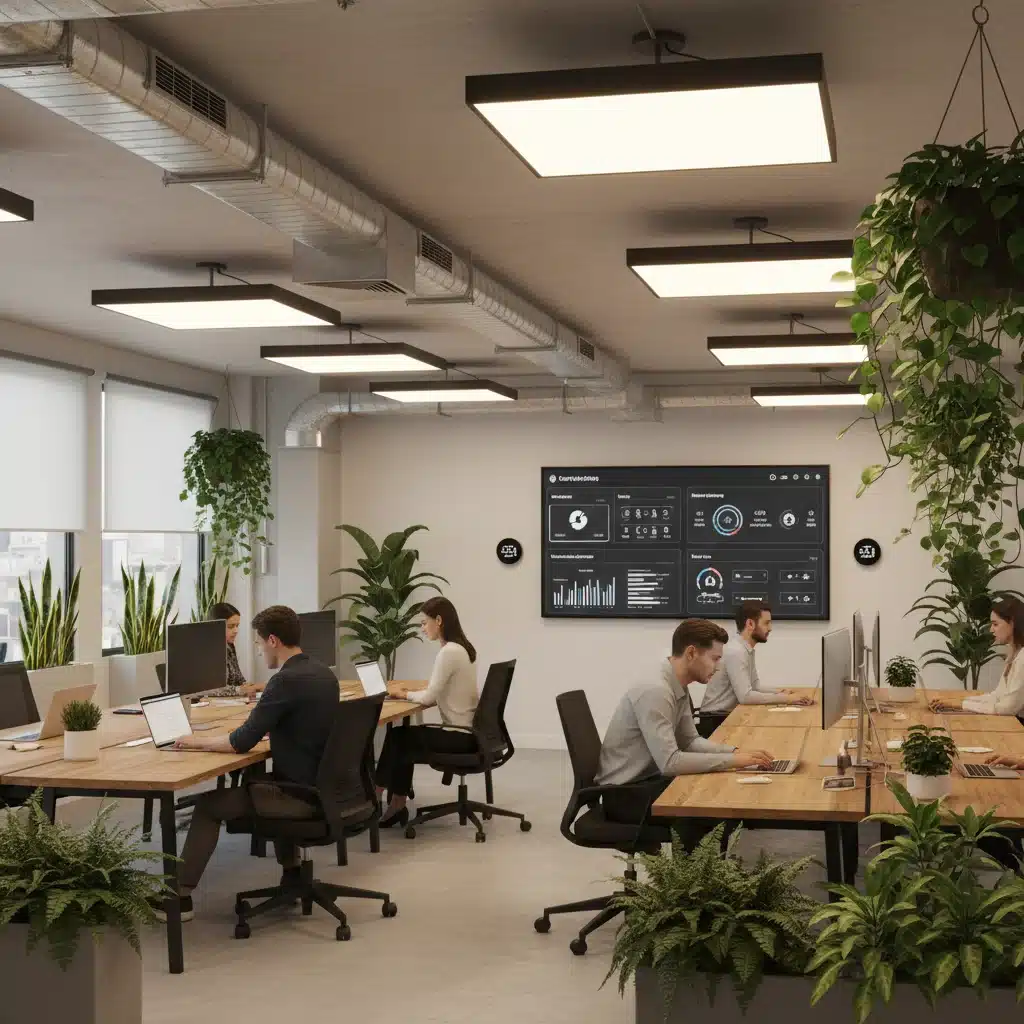
Commercial and industrial buildings are notorious for their significant energy consumption, primarily due to heating, ventilation, and air conditioning (HVAC) systems and lighting. In 2026, advanced building automation systems (BAS) are revolutionizing how these facilities operate, making them far more energy-efficient. These intelligent systems integrate various building functions, including HVAC, lighting, security, and access control, into a single, cohesive network. This integration allows for centralized control and optimization, leading to substantial energy savings.
Modern BAS leverage predictive analytics to optimize HVAC performance. Instead of simply reacting to temperature changes, these systems can anticipate heating and cooling needs based on occupancy schedules, weather forecasts, and even historical data. For example, a BAS might pre-cool a building before occupants arrive on a hot day, reducing the energy spike typically associated with sudden cooling demands. They also employ zone control, allowing different areas of a building to be heated or cooled independently based on their specific requirements, preventing energy waste in unoccupied or less-used spaces.
Similarly, smart lighting systems are becoming standard. These systems use occupancy sensors, daylight harvesting technology, and LED lighting to drastically reduce electricity consumption. Lights automatically dim or turn off when natural light is sufficient or when a room is empty. The transition from traditional incandescent or fluorescent lighting to high-efficiency LEDs alone can result in significant savings, but when combined with intelligent controls, the impact is even greater. The synergy between these advanced building automation features makes them powerful sustainable tech solutions for minimizing operational costs and achieving that 20% energy saving benchmark.
Data Centers and Green IT Initiatives
The digital age has brought with it an ever-increasing demand for data processing and storage, leading to the proliferation of data centers. These facilities are massive energy consumers, requiring vast amounts of electricity for servers, cooling, and infrastructure. However, in 2026, green IT initiatives and sustainable data center practices are transforming this sector, making it significantly more energy-efficient and environmentally friendly.
Key innovations include the adoption of more energy-efficient hardware, such as low-power processors and solid-state drives (SSDs), which consume less electricity and generate less heat. Virtualization and cloud computing also play a crucial role, allowing companies to consolidate their IT infrastructure, reduce the number of physical servers, and optimize resource utilization. This not only cuts down on hardware costs but also drastically lowers energy consumption.
Cooling systems, which account for a substantial portion of a data center’s energy use, are also undergoing a green transformation. Companies are implementing innovative cooling techniques such as liquid cooling, free cooling (using outside air when temperatures are low), and hot/cold aisle containment to improve thermal management efficiency. Furthermore, data centers are increasingly being powered by renewable energy sources, either directly through on-site generation or by purchasing renewable energy credits. The strategic implementation of these sustainable tech solutions in data centers is vital for US companies looking to reduce their energy footprint and operational expenses in the digital era.
Sustainable Transportation and Logistics
For many US companies, transportation and logistics represent a significant portion of their operational costs and carbon emissions. In 2026, sustainable tech is revolutionizing this sector, offering innovative ways to optimize routes, transition to cleaner fleets, and reduce fuel consumption. This shift is driven by both environmental concerns and the clear financial benefits of reduced fuel costs and improved efficiency.
Electric vehicles (EVs) are no longer a niche market; they are rapidly becoming a viable and often superior option for corporate fleets. Advances in battery technology, charging infrastructure, and vehicle performance have made electric trucks, vans, and even forklifts practical for a wide range of business operations. Companies are investing in charging stations at their facilities and exploring vehicle-to-grid (V2G) technology, where fleet vehicles can feed energy back into the grid during peak demand, creating additional revenue streams.
Beyond electrification, smart logistics platforms are leveraging AI and machine learning to optimize delivery routes, reduce idle times, and consolidate shipments. These platforms analyze traffic patterns, weather conditions, and delivery schedules in real-time to create the most efficient routes, significantly cutting down on fuel consumption and delivery times. Furthermore, the use of advanced telematics allows companies to monitor driver behavior, identify inefficient driving habits, and provide training to promote more eco-friendly and fuel-efficient driving. By embracing these sustainable tech solutions, businesses are not only lowering their carbon footprint but also realizing substantial savings on fuel and maintenance costs, contributing significantly to that 20% overall reduction in energy-related expenses.

Challenges and the Path Forward
While the benefits of adopting sustainable tech solutions are clear, the path to full integration is not without its challenges. Initial investment costs can be a barrier for some businesses, particularly small and medium-sized enterprises (SMEs). The complexity of integrating new technologies with existing infrastructure, the need for specialized training for employees, and the ever-evolving regulatory landscape also pose hurdles. However, these challenges are increasingly being addressed by a supportive ecosystem of government incentives, innovative financing models, and a growing pool of skilled professionals.
Governments at federal and state levels are expanding tax credits, grants, and loan programs specifically aimed at facilitating the adoption of green technologies. Energy service companies (ESCOs) are offering performance-based contracts, where they finance, install, and maintain energy-efficient upgrades, with the company paying for the services out of the energy savings generated. This ‘no-money-down’ approach significantly de-risks the investment for businesses. Furthermore, the market for green talent is expanding, with universities and vocational schools offering programs in renewable energy management, sustainable engineering, and green IT.
The future of business in the US is undeniably green. Companies that proactively invest in sustainable tech solutions are not just contributing to a healthier planet; they are future-proofing their operations, enhancing their brand value, attracting top talent, and, most importantly, achieving significant and sustainable cost reductions. The 20% energy cost saving figure is not an anomaly but a benchmark that many forward-thinking US companies are already surpassing, setting a powerful precedent for others to follow.
Case Studies: Real-World Success Stories
To truly appreciate the impact of sustainable tech solutions, let’s look at a few hypothetical yet representative examples of US companies thriving in 2026 due to their commitment to green innovation.
Midwest Manufacturing Co.
Midwest Manufacturing Co., a large industrial facility, implemented a comprehensive SEMS across its entire production line and administrative offices. By integrating smart sensors, predictive analytics, and automated controls for machinery, lighting, and HVAC, they were able to reduce their electricity consumption by 25% within the first year. This translated to an annual saving of over $1.5 million, allowing them to reinvest in further automation and employee training. Their SEMS also provided real-time data on energy spikes, helping them identify and rectify inefficient processes promptly.
Eco-Logistics Inc.
Eco-Logistics Inc., a national shipping and delivery service, embarked on a full-scale fleet electrification program. By 2026, 80% of their urban delivery fleet comprised electric vehicles, supported by smart charging infrastructure at their depots. They also adopted an AI-powered logistics platform that optimized routes, minimized idle times, and consolidated deliveries. The result was a 30% reduction in fuel costs and a significant decrease in vehicle maintenance expenses, leading to annual savings of over $2 million and a substantial reduction in their carbon footprint across major cities.
GreenBuild Developments
GreenBuild Developments, a commercial real estate firm, specializes in constructing and managing LEED-certified buildings. Their latest project, a multi-tenant office complex, features advanced BAS, geothermal heating and cooling, and a rooftop solar array that generates 40% of the building’s electricity needs. Through these integrated sustainable tech solutions, tenants benefit from significantly lower utility bills, making the properties highly attractive. GreenBuild itself profits from higher occupancy rates and a strong reputation for sustainability, demonstrating that green building is good business.
The Future is Green: A Call to Action
The evidence is compelling: sustainable tech solutions are not just environmentally responsible; they are economically advantageous. For US companies navigating the complexities of 2026 and beyond, embracing green innovations is no longer an option but a necessity for sustained growth and competitiveness. The companies that lead this charge will be the ones that thrive, demonstrating that profitability and planetary well-being can indeed go hand-in-hand.
From smart energy grids to circular economy practices, from electrified fleets to intelligent building management, the tools are available. The imperative now is for businesses to commit, invest, and innovate. The 20% energy cost savings are just the beginning; the long-term benefits of enhanced resilience, improved brand image, and a positive contribution to a sustainable future are immeasurable. It’s time for every US company to assess its operations, identify opportunities for green integration, and embark on its own journey toward a more sustainable and profitable future.