Sustainable Energy Breakthroughs: 4 Technologies Poised for 15% Growth in the Next 18 Months
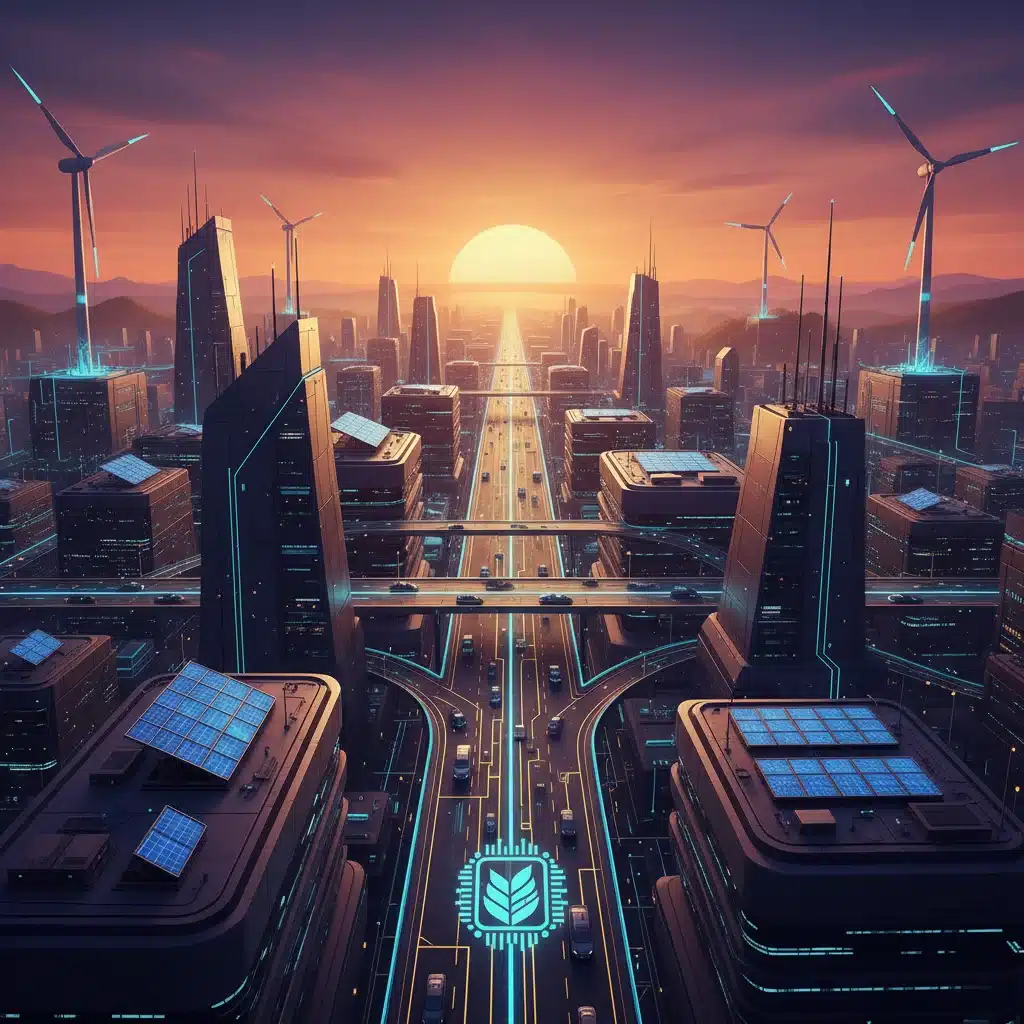
The global energy landscape is undergoing a profound transformation, driven by an urgent need to combat climate change and achieve energy independence. As nations commit to ambitious decarbonization targets, investment in sustainable energy breakthroughs is soaring, pushing the boundaries of what’s possible. We are at the cusp of an era where innovative technologies are not just theoretical but are rapidly scaling, promising significant returns and a greener future. This article delves into four pivotal sustainable energy breakthroughs poised for an impressive 15% growth within the next 18 months, examining their potential, the challenges they face, and their transformative impact.
The push for sustainable energy breakthroughs is more critical than ever. With increasing global energy demand and the undeniable impacts of climate change, the transition from fossil fuels to renewable sources is imperative. These four technologies represent the forefront of this transition, offering solutions that are not only environmentally friendly but also economically viable and scalable. Understanding these developments is key for investors, policymakers, and anyone interested in the future of our planet.
1. Advanced Solid-State Batteries: The Next Frontier in Energy Storage
Energy storage is the Achilles’ heel of renewable energy. Intermittent sources like solar and wind require robust storage solutions to ensure a stable power supply. Traditional lithium-ion batteries, while revolutionary, have limitations in terms of safety, energy density, and charging speed. This is where advanced solid-state batteries (SSBs) emerge as a game-changer, representing one of the most exciting sustainable energy breakthroughs.
What are Solid-State Batteries?
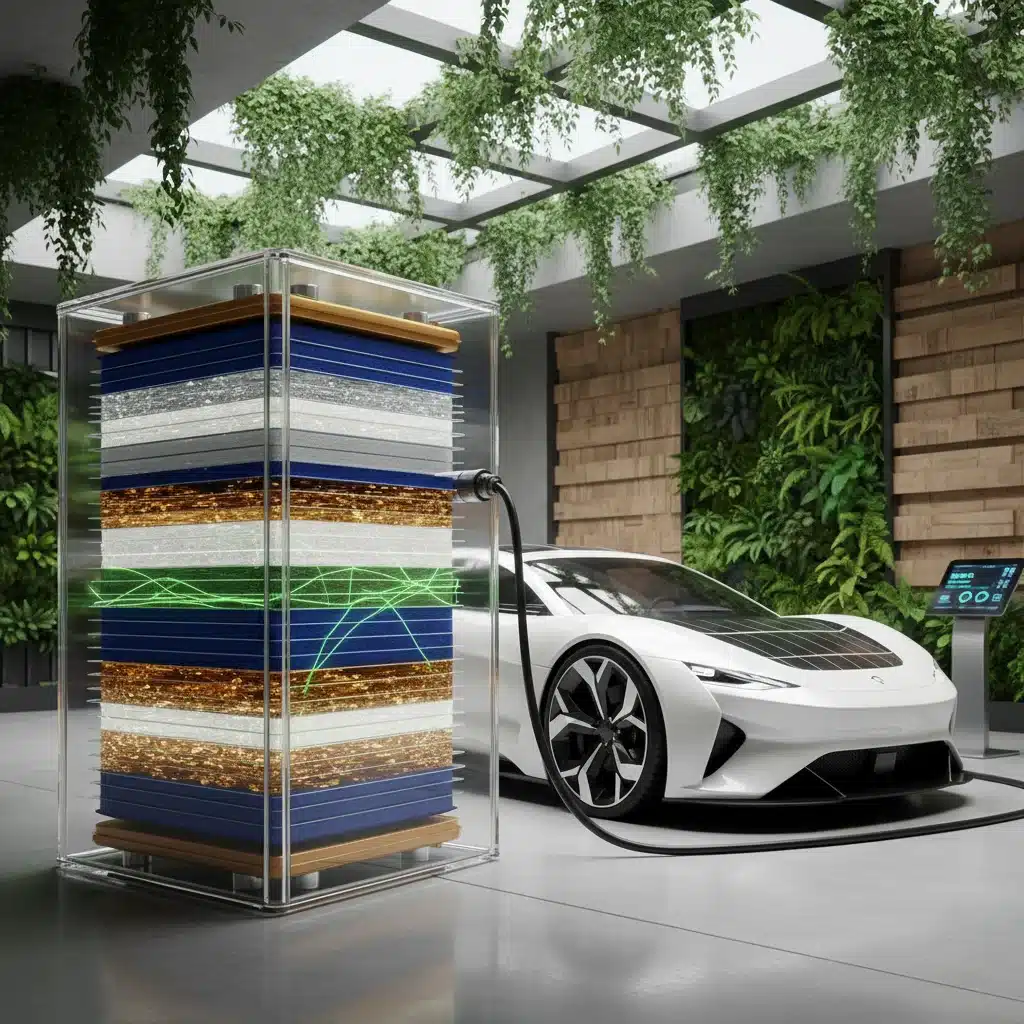
Unlike conventional lithium-ion batteries that use a liquid or gel electrolyte, solid-state batteries employ a solid electrolyte. This fundamental difference offers several significant advantages:
- Higher Energy Density: SSBs can pack more energy into a smaller, lighter package, making them ideal for electric vehicles (EVs) and portable electronics. This means longer range for EVs and smaller batteries for devices.
- Enhanced Safety: The absence of flammable liquid electrolytes significantly reduces the risk of thermal runaway and fires, a critical concern with current lithium-ion technology.
- Faster Charging: Some SSB designs promise ultra-fast charging capabilities, addressing one of the major pain points for EV adoption.
- Longer Lifespan: Solid electrolytes can lead to improved cycle life, meaning batteries last longer and retain their capacity more effectively over time.
Market Momentum and Growth Projections
The market for solid-state batteries is experiencing rapid acceleration. Major automotive manufacturers, including Toyota, Volkswagen, and Ford, are heavily investing in SSB research and development, aiming to integrate them into their next generation of EVs. Companies like QuantumScape, Solid Power, and StoreDot are making significant strides, moving from laboratory prototypes to pilot production. Analysts predict that the solid-state battery market could grow by over 15% in the next 18 months, driven by increasing EV production and demand for more efficient and safer energy storage solutions across various sectors.
The push for SSBs is not just about performance; it’s about unlocking new possibilities for grid-scale energy storage, making renewable energy more reliable and accessible. As production costs decrease and manufacturing processes become more refined, SSBs will play a crucial role in the broader energy transition, solidifying their position as one of the most impactful sustainable energy breakthroughs.
Challenges and Future Outlook
Despite their immense potential, SSBs face challenges. Manufacturing at scale remains complex and costly. The development of stable and conductive solid electrolytes that can withstand repeated charging and discharging cycles is an ongoing area of research. However, with significant investment and concerted efforts from industry and academia, these hurdles are being systematically addressed. The next 18 months will likely see further breakthroughs in material science and manufacturing techniques, paving the way for wider commercialization and cementing SSBs as a cornerstone of future sustainable energy breakthroughs.
2. Green Hydrogen Production: Fueling a Decarbonized Future
Hydrogen has long been touted as a clean fuel, but its production has historically been energy-intensive and reliant on fossil fuels (grey hydrogen). The emergence of green hydrogen, produced through electrolysis powered by renewable electricity, marks a monumental shift and stands as a leading example of sustainable energy breakthroughs.
The Promise of Green Hydrogen
Green hydrogen offers a versatile solution for decarbonizing hard-to-abate sectors:
- Industrial Applications: It can replace fossil fuels in heavy industries like steelmaking, ammonia production (for fertilizers), and chemical manufacturing.
- Long-Duration Energy Storage: Hydrogen can store vast amounts of renewable energy for extended periods, providing grid stability and reliability.
- Transportation: It can power fuel cell electric vehicles (FCEVs) for heavy-duty transport, shipping, and aviation, where battery-electric solutions might be less practical.
- Heat and Power: Green hydrogen can be blended with natural gas for heating or used in fuel cells to generate electricity.
Accelerated Growth and Investment
Governments worldwide are recognizing the strategic importance of green hydrogen. The European Union, the United States, Australia, and many Asian countries have launched ambitious green hydrogen strategies, backed by substantial funding and incentives. Projects are scaling up rapidly, with gigawatt-scale electrolyser manufacturing plants under construction. The cost of renewable electricity, a key component in green hydrogen production, is continuously falling, making it increasingly competitive. Analysts project a robust 15%+ growth for green hydrogen production capacity and investment over the next 18 months, as pilot projects transition to commercial scale and new partnerships are forged across the value chain. This surge underscores its status as one of the most impactful sustainable energy breakthroughs.
The push for SSBs is not just about performance; it’s about unlocking new possibilities for grid-scale energy storage, making renewable energy more reliable and accessible. As production costs decrease and manufacturing processes become more refined, SSBs will play a crucial role in the broader energy transition, solidifying their position as one of the most impactful sustainable energy breakthroughs.
Overcoming Hurdles for Widespread Adoption
Despite the optimism, green hydrogen faces challenges. The cost of electrolysers, while decreasing, still needs to fall further. The development of extensive infrastructure for hydrogen storage, transport, and distribution is crucial but requires significant investment. Furthermore, regulatory frameworks and certification schemes are needed to ensure that hydrogen truly is ‘green.’ However, the momentum is undeniable, with technological advancements in electrolyser efficiency and material science continuously improving the economic viability of green hydrogen. Its role in achieving net-zero emissions is critical, making it a cornerstone of future sustainable energy breakthroughs.
3. Small Modular Reactors (SMRs): A New Era for Nuclear Power
Nuclear power, a carbon-free energy source, is experiencing a renaissance, particularly with the advent of Small Modular Reactors (SMRs). SMRs represent a significant sustainable energy breakthroughs by offering a safer, more flexible, and potentially more affordable alternative to traditional large-scale nuclear plants.
What Makes SMRs Revolutionary?
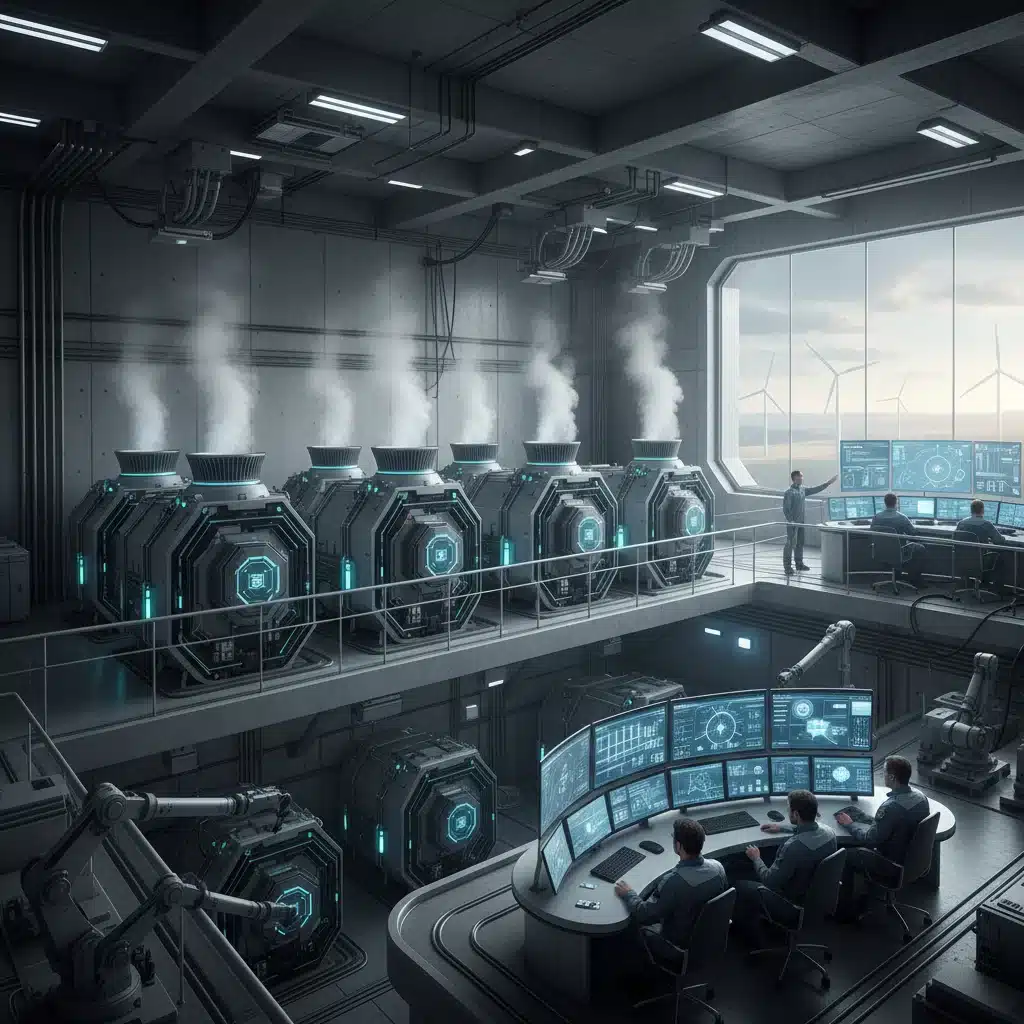
SMRs are advanced nuclear reactors that are much smaller than conventional reactors, typically producing up to 300 MWe per unit. Their key advantages include:
- Modularity and Scalability: SMRs can be mass-produced in factories and transported to sites, significantly reducing construction time and costs compared to custom-built large reactors. Multiple modules can be added to meet increasing energy demand.
- Enhanced Safety: Many SMR designs incorporate passive safety features, relying on natural forces like gravity and convection for cooling, reducing the need for active safety systems and human intervention. This makes them inherently safer.
- Flexibility: Their smaller size allows them to be deployed in a wider range of locations, including remote communities or industrial sites, and can be integrated with renewable energy sources to provide reliable baseload power or load-following capabilities.
- Reduced Capital Investment: The modular nature and factory production can lead to lower upfront capital costs, making nuclear power more accessible to a broader range of investors and countries.
Projected Growth and Market Entry
The global interest in SMRs is surging. Countries like the United States, Canada, the United Kingdom, and several European and Asian nations are actively pursuing SMR deployment. Companies such as NuScale Power, TerraPower, and Rolls-Royce SMR are leading the charge, with some designs already undergoing regulatory approval. The first commercial SMRs are expected to come online within the next few years, and the market is projected to see significant investment and growth, potentially exceeding 15% in new project commitments and development over the next 18 months. This surge positions SMRs as a critical component of future sustainable energy breakthroughs, providing reliable, carbon-free electricity.
Addressing Public Perception and Regulatory Hurdles
Despite their advantages, SMRs face challenges related to public perception of nuclear power and the complexities of regulatory approval. Building public trust and streamlining regulatory processes are crucial for widespread adoption. However, the clear benefits of SMRs in terms of climate action, energy security, and economic development are driving strong political and industrial support. As more projects move from concept to reality, SMRs are set to redefine the future of nuclear energy and contribute substantially to sustainable energy breakthroughs.
4. Carbon Capture, Utilization, and Storage (CCUS) Advancements
While the focus is rightly on transitioning to renewable energy, carbon capture, utilization, and storage (CCUS) technologies are essential for addressing existing emissions from hard-to-decarbonize industries and for achieving net-zero targets. Recent advancements in CCUS are making it a more viable and scalable solution, marking it as a significant area of sustainable energy breakthroughs.
The Role of CCUS in Decarbonization
CCUS involves capturing carbon dioxide (CO2) emissions from industrial sources (e.g., power plants, cement factories, steel mills) or directly from the atmosphere (Direct Air Capture – DAC), and then either utilizing it in new products or storing it permanently underground.
- Industrial Decarbonization: CCUS provides a pathway to significantly reduce emissions from sectors where electrification or direct renewable energy use is challenging.
- Negative Emissions: When combined with biomass energy (BECCS) or Direct Air Capture (DAC), CCUS can achieve negative emissions, actively removing CO2 from the atmosphere.
- Enhanced Oil Recovery (EOR): While controversial, CO2 can be used for EOR, though the focus is increasingly shifting towards dedicated storage or utilization.
- Carbon Utilization: CO2 can be converted into valuable products such as fuels, chemicals, building materials, and even carbon-neutral plastics, creating a circular carbon economy.
Rapid Innovation and Investment Growth
Recent years have seen a surge in CCUS project announcements and investments. Governments are offering tax credits and incentives, and private companies are committing significant capital to develop and deploy these technologies. Advancements in capture materials, such as more efficient sorbents and membranes, are reducing the energy penalty and cost of capture. The development of large-scale CO2 transport and storage infrastructure is also gaining momentum. Analysts predict that the CCUS market, particularly for DAC and carbon utilization, will experience over 15% growth in project development and funding over the next 18 months, driven by policy support and increasing corporate commitments to net-zero. This makes CCUS a crucial element among sustainable energy breakthroughs.
Scaling Up and Addressing Costs
The primary challenges for CCUS remain cost and scale. Capturing CO2 is energy-intensive, and the infrastructure for transport and storage is expensive to build. Public acceptance and regulatory frameworks for CO2 storage also need to be robust. However, ongoing research and development, coupled with government incentives and the decreasing cost of renewable energy (which can power CCUS facilities), are making these technologies more economically viable. The focus on utilization, turning CO2 from a waste product into a resource, is also a promising avenue for accelerating deployment and ensuring CCUS plays its vital role in achieving global climate goals and contributing to sustainable energy breakthroughs.
The Broader Impact of Sustainable Energy Breakthroughs
These four sustainable energy breakthroughs are not isolated developments; they are interconnected pieces of a larger puzzle aimed at building a resilient, decarbonized energy system. Their collective growth will have far-reaching implications:
- Economic Transformation: The expansion of these technologies will create millions of green jobs, stimulate innovation, and foster new industries, driving economic growth in both developed and developing nations.
- Energy Security: By reducing reliance on volatile fossil fuel markets, countries can enhance their energy independence and geopolitical stability.
- Environmental Protection: The most direct impact is the significant reduction in greenhouse gas emissions, mitigating climate change and improving air quality.
- Technological Synergy: The success of one technology often enhances the viability of others. For example, cheaper renewable electricity benefits green hydrogen production, and advanced batteries make grid integration of renewables more seamless.
The next 18 months will be a critical period for these sustainable energy breakthroughs. As they move from niche applications to mainstream deployment, their impact will become increasingly evident. Investors, policymakers, and businesses must recognize the immense opportunities and challenges, fostering an environment that accelerates their adoption.
Conclusion: A Future Powered by Innovation
The journey towards a fully sustainable energy future is complex, but the rapid advancements in technologies like advanced solid-state batteries, green hydrogen, small modular reactors, and CCUS are providing clear pathways forward. These four sustainable energy breakthroughs are not just incremental improvements; they represent fundamental shifts in how we generate, store, and manage energy. Their projected 15% growth within the next 18 months underscores their readiness for widespread adoption and their potential to profoundly reshape our world.
Embracing these innovations requires continued investment, supportive policies, and collaborative efforts across sectors. By doing so, we can accelerate the transition to a clean energy economy, ensuring a sustainable and prosperous future for generations to come. The era of sustainable energy breakthroughs is here, and its momentum is unstoppable.