Biometric Authentication 2026: Insider Knowledge for Secure US Systems

Biometric Authentication 2026: Insider Knowledge on Implementing Secure Systems for US Organizations
As we fast-forward to 2026, the landscape of cybersecurity continues its relentless evolution, and at its forefront stands biometric authentication. For US organizations, understanding and implementing secure biometric systems isn’t just an advantage; it’s a critical imperative for safeguarding sensitive data, ensuring regulatory compliance, and maintaining user trust. This comprehensive guide provides insider knowledge, dissecting the nuances, challenges, and best practices that will define robust biometric authentication in the coming years.
The digital era has exponentially increased the volume and value of online transactions and data, making traditional password-based authentication increasingly vulnerable. Phishing attacks, brute-force attempts, and credential stuffing are constant threats, rendering simple passwords obsolete. Biometric authentication offers a powerful alternative, leveraging unique biological and behavioral characteristics to verify identity. In 2026, we anticipate a significant maturation of these technologies, moving beyond nascent stages to become integral components of enterprise security architectures across various sectors in the United States.
The Shifting Sands of Identity: Why Biometric Authentication 2026 Matters
The year 2026 marks a pivotal moment for biometric authentication. Several converging factors are driving its accelerated adoption and sophistication. Firstly, the sheer volume of digital interactions demands frictionless yet highly secure access. Users expect seamless experiences, and biometrics deliver this convenience without compromising security. Secondly, the regulatory environment, particularly in the US, is becoming increasingly stringent. Data privacy laws and industry-specific compliance mandates are pushing organizations towards more robust identity verification methods. Thirdly, advancements in artificial intelligence (AI) and machine learning (ML) are significantly enhancing the accuracy, speed, and resilience of biometric systems, making them more reliable and harder to spoof.
Key Drivers for Biometric Adoption in US Organizations by 2026:
- Enhanced Security Posture: Biometrics offer a significantly higher level of assurance than passwords, reducing the risk of unauthorized access and data breaches.
- Improved User Experience: Eliminating the need for complex passwords and multi-factor authentication (MFA) tokens streamlines login processes, boosting productivity and user satisfaction.
- Regulatory Compliance: Meeting evolving data protection regulations (e.g., CCPA, state-specific privacy laws) and industry standards often necessitates advanced authentication mechanisms.
- Fraud Prevention: Biometrics are powerful tools in combating identity theft and financial fraud, particularly in banking, e-commerce, and healthcare sectors.
- Technological Maturity: The continuous refinement of sensors, algorithms, and processing power makes biometric solutions more accurate, faster, and cost-effective.
Understanding the Landscape: Types of Biometric Authentication 2026
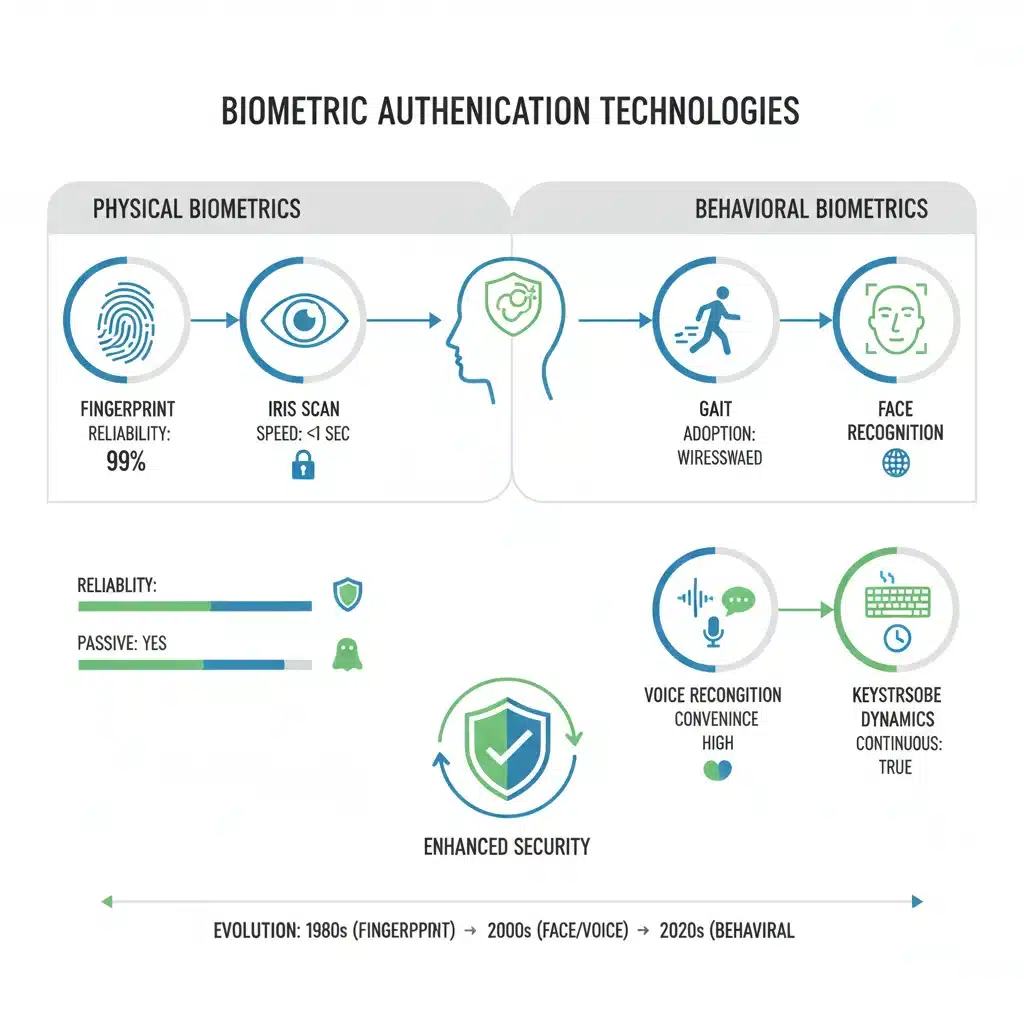
By 2026, the spectrum of biometric authentication technologies available to US organizations will be broader and more sophisticated. It’s crucial to understand the different types and their respective strengths and weaknesses to make informed implementation decisions.
Physical Biometrics:
These methods rely on unique physiological characteristics.
- Fingerprint Recognition: Still a dominant force, fingerprint scanners are becoming more advanced, with under-display sensors and improved liveness detection to prevent spoofing. Its widespread adoption in consumer devices makes it a familiar and accepted method.
- Facial Recognition: Driven by advancements in 3D sensing and AI, facial recognition systems in 2026 will offer enhanced accuracy, even in varying lighting conditions or with partial obstructions. Liveness detection, using techniques like eye blinking or head movement analysis, will be critical to counter deepfake attacks.
- Iris Recognition: Considered one of the most accurate and stable biometric modalities, iris recognition will see increased deployment in high-security environments due to its low false acceptance rate (FAR) and false rejection rate (FRR).
- Vein Pattern Recognition: Less common but highly secure, vein pattern recognition analyzes the unique patterns of blood vessels beneath the skin. It’s difficult to forge and offers excellent liveness detection.
Behavioral Biometrics:
These methods analyze unique patterns in human behavior.
- Voice Recognition: Beyond simple voice matching, 2026 systems will analyze subtle vocal characteristics, speech patterns, and even emotional cues. Continuous authentication using voice will be a key application, verifying identity throughout a session.
- Keystroke Dynamics: Analyzing the rhythm, speed, and pressure of typing can create a unique behavioral signature. This is particularly useful for continuous authentication in desktop environments.
- Gait Analysis: While still emerging, gait analysis, which identifies individuals based on their walking patterns, holds promise for passive, non-intrusive authentication in certain physical access scenarios.
The trend for Biometric Authentication 2026 will heavily lean towards multi-modal biometric systems, combining two or more types of biometrics (e.g., fingerprint and facial recognition) to enhance security and reliability. This approach significantly reduces the risk of false positives and improves overall system resilience against sophisticated attacks.
Strategic Implementation: Insider Knowledge for US Organizations
Implementing biometric authentication is more than just deploying technology; it requires a strategic, holistic approach that considers organizational culture, regulatory compliance, and the user experience. For US organizations aiming for optimal security in 2026, here’s the insider knowledge you need.
1. Conduct a Thorough Risk Assessment and Needs Analysis:
Before selecting any biometric system, organizations must identify their specific security requirements, threat landscape, and the sensitivity of the data they protect. Understand where biometrics will provide the most value – whether for physical access, logical access to applications, or customer identity verification. Different use cases will dictate different biometric modalities and security levels. For instance, a financial institution will have different requirements than a healthcare provider or a manufacturing plant.
2. Prioritize Data Privacy and Consent:
This is paramount, especially in the US with its patchwork of privacy laws. Biometric data is highly sensitive Personally Identifiable Information (PII). Organizations must:
- Obtain explicit, informed consent: Users must understand what data is being collected, how it will be used, stored, and protected.
- Ensure data minimization: Collect only the necessary biometric data.
- Implement robust encryption: Encrypt biometric templates both in transit and at rest.
- Avoid storing raw biometric data: Store only cryptographic hashes or templates, not the original biometric image or scan.
- Provide clear opt-out mechanisms: Users should have the option to revoke consent and have their biometric data deleted.
Compliance with regulations like CCPA, CPRA, and potential federal privacy laws in 2026 will be non-negotiable. Legal counsel should be involved from the outset.
3. Choose the Right Modality (or Modalities):
As discussed, different biometrics have different characteristics. Consider:
- Accuracy (FAR/FRR): False Acceptance Rate (FAR) – how often an unauthorized person is accepted. False Rejection Rate (FRR) – how often an authorized person is denied. Lower is better for both.
- Liveness Detection: The ability to distinguish between a live human and a spoof attempt (e.g., a photo, mask, or recording). This is a critical security feature for Biometric Authentication 2026.
- Scalability: Can the system handle your current and future user base?
- User Acceptance: How comfortable are your users with a particular biometric?
- Environmental Factors: Lighting, noise, and temperature can affect performance.
4. Implement Strong Enrollment Processes:
The quality of the initial biometric enrollment directly impacts the system’s accuracy and security. Ensure clear instructions, optimal environmental conditions, and multiple capture attempts to create a high-quality template. Consider multi-factor enrollment, where a second factor verifies the user’s identity during the initial biometric capture.
5. Focus on Continuous Authentication and Adaptive Security:
By 2026, static authentication at login will be insufficient. Implement systems that continuously verify identity throughout a user session. This could involve behavioral biometrics (keystroke dynamics, mouse movements) or periodic re-authentication using physical biometrics. Adaptive security leverages contextual information (location, device, time of day) to dynamically adjust authentication requirements, adding an extra layer of protection when risk factors increase.
6. Integrate with Existing Security Infrastructure:
Biometric systems should not operate in isolation. Integrate them seamlessly with your Identity and Access Management (IAM) solutions, Single Sign-On (SSO) platforms, and Security Information and Event Management (SIEM) systems. This ensures a unified security posture, centralized logging, and easier incident response.
7. Plan for Failure and Fallback Mechanisms:
No biometric system is 100% foolproof. There will be instances where a user cannot be authenticated (e.g., injury to a finger, sensor malfunction, poor lighting). Robust fallback mechanisms, such as secure password resets or alternative MFA methods, are essential to maintain accessibility without compromising security. These must be just as secure as the primary biometric method.
8. Regular Auditing, Monitoring, and Updates:
Biometric systems, like any technology, require continuous maintenance. Regularly audit system logs for anomalies, monitor performance metrics (FAR/FRR), and stay abreast of new threats and vulnerabilities. Apply patches and updates promptly to ensure the system remains secure against evolving attack vectors. For Biometric Authentication 2026, threat intelligence will play a crucial role in preempting attacks.
Challenges and Considerations for US Organizations in 2026
While the benefits of biometric authentication are clear, US organizations must also navigate several challenges.
1. Regulatory Complexity:
The lack of a single, comprehensive federal privacy law in the US means organizations must contend with a patchwork of state-specific regulations (e.g., Illinois’ Biometric Information Privacy Act – BIPA, California’s CCPA/CPRA). Navigating these varying requirements, especially for organizations operating across multiple states, will be a significant challenge. Staying informed about legislative developments and seeking legal counsel is crucial.
2. Public Acceptance and Trust:
Despite growing familiarity, some users still harbor privacy concerns about biometric data collection. Organizations must be transparent about their practices, educate users on the security benefits, and clearly articulate their data protection measures to build and maintain trust. Public perception will significantly influence the success of Biometric Authentication 2026 initiatives.
3. Spoofing and Liveness Detection:
As biometric technology advances, so do the methods of attack. Sophisticated spoofing techniques (e.g., deepfakes for facial recognition, synthetic fingerprints) pose a constant threat. Investing in advanced liveness detection capabilities and continuous research into anti-spoofing measures will be vital. This is an area where AI and ML are making significant strides.
4. Cost and Integration:
Implementing enterprise-grade biometric solutions can involve significant upfront costs for hardware, software, and integration with existing systems. Organizations need to conduct thorough cost-benefit analyses and consider the long-term ROI in terms of reduced fraud, improved efficiency, and enhanced security.
5. Accessibility and Inclusivity:
Biometric systems must be designed to be inclusive and accessible to all users, regardless of age, disability, or physical characteristics. For example, some fingerprint scanners may struggle with worn fingerprints, or facial recognition might have biases based on skin tone. Organizations must test their systems thoroughly to ensure equitable performance across diverse user populations.
The Future of Biometric Authentication 2026 and Beyond
Looking beyond 2026, the trajectory of biometric authentication points towards even greater integration and sophistication. We can expect:
- Pervasive Passive Biometrics: Authentication will become increasingly passive and continuous, almost invisible to the user, based on a combination of behavioral patterns and environmental cues.
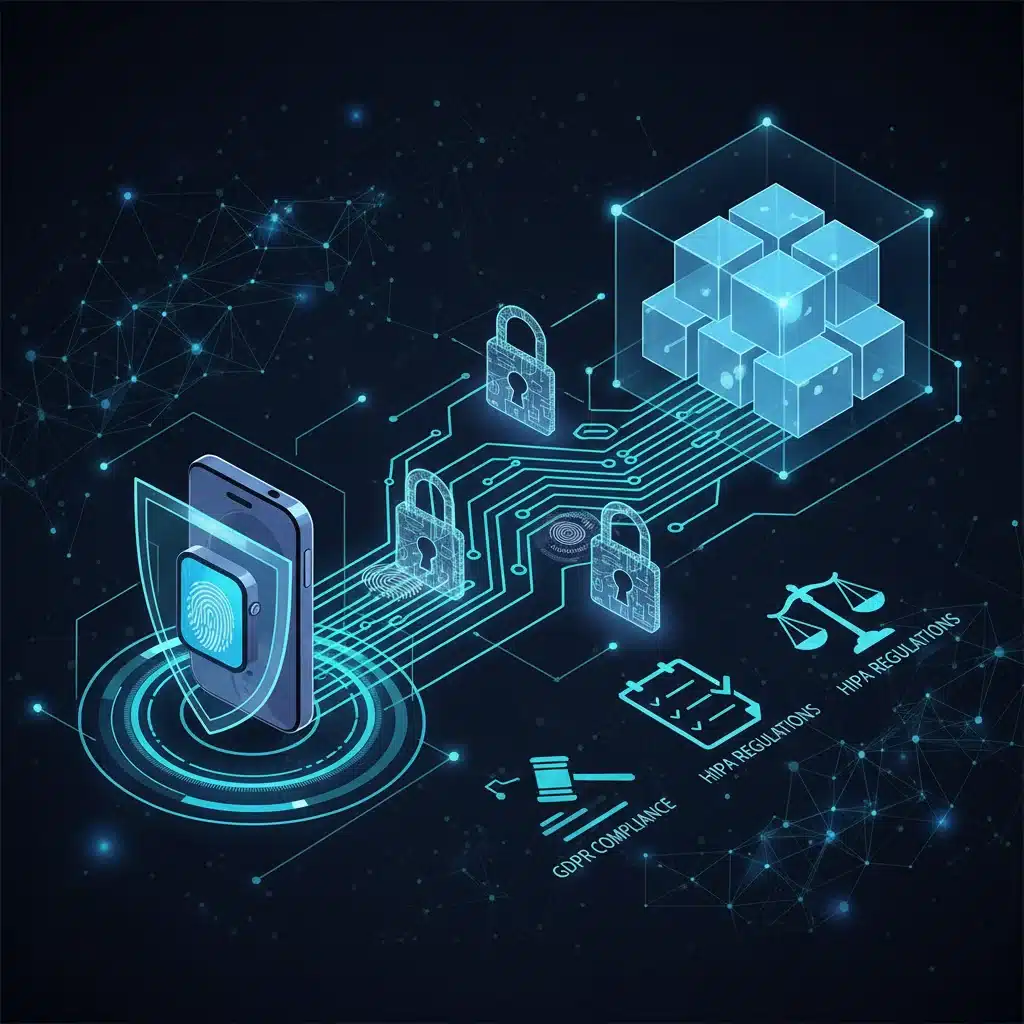
- Decentralized Biometric Identity: Blockchain and distributed ledger technologies (DLT) could play a role in creating more secure, user-controlled biometric identities, enhancing privacy and reducing reliance on centralized databases.
- Convergence with Zero Trust Architectures: Biometrics will be a cornerstone of Zero Trust models, providing continuous verification of identity and device posture.
- Enhanced AI-driven Threat Detection: AI will not only power biometric recognition but also predict and detect new spoofing techniques and anomalies in real-time.
Conclusion: Securing the Digital Frontier with Biometric Authentication 2026
For US organizations, embracing and expertly implementing biometric authentication by 2026 is no longer optional; it’s a strategic imperative. The benefits in terms of enhanced security, improved user experience, and regulatory compliance are undeniable. However, success hinges on a well-thought-out strategy that prioritizes data privacy, adheres to evolving regulations, selects appropriate technologies, and focuses on continuous improvement.
By leveraging this insider knowledge, US organizations can confidently navigate the complexities of biometric deployment, building robust and future-proof identity verification systems that protect their assets, empower their users, and solidify their position in the secure digital frontier of 2026 and beyond. The journey towards a password-less future is well underway, and biometric authentication is the key to unlocking its full potential.