The Metaverse in 2026: Financial Impact and 4 Investment Opportunities for US Consumers

The Metaverse in 2026: Financial Impact and 4 Investment Opportunities for US Consumers
The concept of the metaverse, once confined to science fiction novels and futuristic films, is rapidly transitioning into a tangible reality. As we approach 2026, the metaverse is poised to redefine our interactions, work, and leisure, but perhaps most significantly, it is set to unleash an unprecedented wave of economic transformation. For US consumers, understanding this burgeoning digital frontier is not just about staying current with technological trends; it’s about identifying and capitalizing on the significant financial opportunities that lie ahead. This comprehensive guide will delve into the projected financial impact of the metaverse by 2026 and highlight four key investment avenues for those looking to engage with this next evolutionary stage of the internet. The term Metaverse Investment 2026 is becoming increasingly relevant as individuals and institutions alike seek to position themselves for future growth.
Understanding the Metaverse: More Than Just a Game
Before we explore the financial implications and investment opportunities, it’s crucial to establish a clear understanding of what the metaverse truly is. It’s often mistakenly equated with virtual reality (VR) games or specific platforms. In reality, the metaverse is a much broader concept: a persistent, interconnected, online 3D virtual environment that allows users to interact with each other and with digital objects. Think of it as a spatial internet, where you don’t just view content, but you are immersed within it. This immersive quality, combined with its persistence and interoperability (the ability for assets and identities to move across different virtual spaces), is what gives the metaverse its revolutionary potential.
By 2026, we anticipate a more mature metaverse ecosystem, characterized by enhanced VR/AR hardware, more sophisticated digital economies, and greater mainstream adoption. This evolution will be driven by advancements in blockchain technology, artificial intelligence, and high-speed internet infrastructure. The integration of these technologies will create a rich, interactive digital layer over our physical world, blurring the lines between the two and opening up entirely new paradigms for commerce, entertainment, education, and social interaction. The economic fabric of this new reality is what makes Metaverse Investment 2026 such a compelling topic.
The Projected Financial Impact of the Metaverse by 2026
Estimates vary, but the consensus among industry analysts is that the metaverse will represent a multi-trillion-dollar economy within the next decade. By 2026, we are likely to see significant milestones in its financial maturation. Major consulting firms and investment banks project the metaverse market size to reach hundreds of billions, if not trillions, of dollars. This growth will not be confined to a single sector but will permeate various industries, creating both direct and indirect economic impacts.
Direct Economic Impacts:
- Virtual Goods and Services: The sale of digital assets, including NFTs for avatars, clothing, art, and in-game items, will continue to skyrocket. Virtual services, such as event hosting, digital design, and virtual tourism, will also become significant revenue streams.
- Hardware Sales: The demand for VR/AR headsets, haptic feedback devices, and other metaverse-enabling hardware will see substantial growth as adoption increases.
- Platform Development: Companies building and maintaining metaverse platforms, tools, and infrastructure will attract massive investment and generate considerable revenue.
- Virtual Real Estate: The buying, selling, and leasing of virtual land and properties will continue to be a notable segment, with prices potentially stabilizing or continuing to appreciate in prime virtual locations.
Indirect Economic Impacts:
- Advertising and Marketing: Brands will increasingly leverage the metaverse for immersive advertising campaigns, virtual product launches, and direct engagement with consumers, creating new revenue streams for digital marketing agencies.
- E-commerce Transformation: Traditional e-commerce will evolve, with virtual showrooms and immersive shopping experiences becoming commonplace, potentially boosting sales for physical goods through digital representations.
- Job Creation: A whole new class of jobs will emerge, including metaverse architects, digital fashion designers, virtual event planners, blockchain developers, and metaverse economists.
- Education and Training: Immersive learning environments will become more prevalent, creating economic opportunities for content creators and educational technology providers.
For US consumers, this means a new landscape of earning, spending, and investing. The digital economy of the metaverse will run parallel to, and increasingly intertwine with, the traditional economy. Understanding these shifts is paramount for making informed decisions regarding Metaverse Investment 2026.
4 Key Investment Opportunities for US Consumers in the Metaverse by 2026
As the metaverse evolves, several compelling investment opportunities are emerging for savvy US consumers. These opportunities span various risk profiles and entry points, catering to different investment strategies. Here are four key areas to consider for Metaverse Investment 2026:
1. Investing in Metaverse Platforms and Infrastructure
One of the most foundational ways to invest in the metaverse is by targeting the companies building its core infrastructure and leading platforms. These are the digital landlords, architects, and utility providers of the metaverse. Investing in these entities offers exposure to the broader growth of the entire ecosystem, regardless of which specific applications or experiences gain traction.
What to Look For:
- Publicly Traded Companies: Tech giants like Meta (formerly Facebook), Nvidia, Microsoft, and Roblox are heavily invested in metaverse development. Meta is building its own metaverse, Nvidia provides the powerful GPUs essential for rendering complex virtual worlds, Microsoft is integrating metaverse features into its enterprise solutions and gaming (Xbox), and Roblox is a leading user-generated content platform with a thriving virtual economy. Investing in their stocks provides indirect exposure.
- Metaverse-Specific ETFs: Exchange-Traded Funds (ETFs) focused on the metaverse offer a diversified approach. These ETFs typically hold a basket of stocks from companies involved in metaverse development, VR/AR hardware, blockchain, and related technologies. This can reduce individual stock risk while still participating in the sector’s growth.
- Blockchain Protocols: Underlying many metaverse projects are blockchain protocols. Investing in cryptocurrencies associated with major metaverse platforms (e.g., Decentraland’s MANA, The Sandbox’s SAND, Axie Infinity’s AXS) can be a direct way to invest in the success of those specific virtual worlds. However, these are highly volatile and carry significant risk.
- Hardware Manufacturers: Companies producing VR/AR headsets (e.g., Meta, HTC, Sony, Apple as it enters the market) and haptic feedback devices are critical enablers of the metaverse experience.
This category is generally considered a relatively safer entry point for Metaverse Investment 2026, as it focuses on established companies or diversified funds rather than individual, nascent projects.
2. Virtual Real Estate and Digital Land Ownership
Just as in the physical world, location, location, location matters in the metaverse. Virtual real estate refers to parcels of digital land within metaverse platforms that users can buy, sell, and develop. These digital plots can be used for hosting events, building virtual stores, displaying NFTs, or simply as speculative investments.

How to Invest:
- Direct Purchase: You can purchase virtual land directly on platforms like Decentraland, The Sandbox, Somnium Space, or Cryptovoxels using their native cryptocurrencies (e.g., MANA, SAND). This often involves using a crypto wallet and an NFT marketplace.
- Fractional Ownership: For those with smaller budgets or seeking to diversify, platforms are emerging that allow fractional ownership of prime virtual land parcels, similar to real estate crowdfunding.
- REIT-like Funds: Some decentralized autonomous organizations (DAOs) or investment groups are pooling funds to acquire and manage virtual real estate portfolios, offering investors a share in the returns.
Considerations:
The virtual real estate market has seen significant volatility. While some parcels have appreciated dramatically, others have not. Factors influencing value include the platform’s user base, development activity, and proximity to popular landmarks or experiences within the virtual world. Researching the specific platform’s roadmap, community, and economic model is crucial before making a Metaverse Investment 2026 in digital land.
3. Non-Fungible Tokens (NFTs): Art, Collectibles, and Digital Fashion
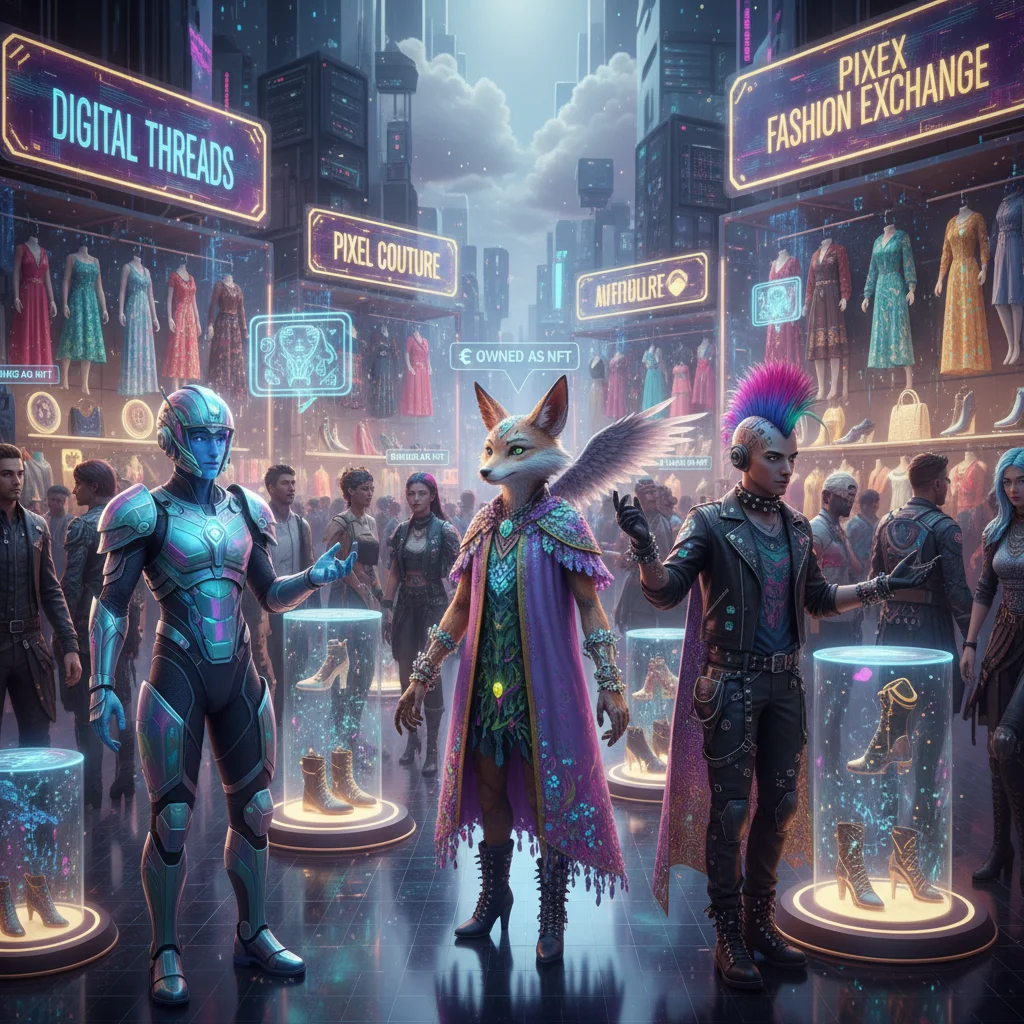
NFTs are digital assets that represent ownership of unique items, secured on a blockchain. In the metaverse, NFTs are the bedrock of digital ownership, encompassing everything from digital art and collectibles to in-game items and, significantly, digital fashion. As avatars become extensions of our real-world identities, the demand for unique digital wearables and accessories is skyrocketing.
Investment Avenues:
- Digital Art and Collectibles: Investing in NFTs from established or emerging digital artists, or in collectible series (like CryptoPunks or Bored Ape Yacht Club), can offer substantial returns, though this market is highly speculative and driven by trends and community.
- Digital Fashion and Wearables: Brands like Nike, Adidas, Gucci, and Louis Vuitton are already entering the digital fashion space, creating NFT-based apparel and accessories for avatars. Investing in these digital luxury goods or in companies specializing in metaverse fashion design could be lucrative.
- In-Game Assets: NFTs representing unique weapons, skins, characters, or land within popular play-to-earn (P2E) metaverse games can be bought, sold, and traded, often generating income for players.
- Utility NFTs: Some NFTs offer more than just aesthetic value; they provide access to exclusive communities, events, or in-metaverse benefits, making them valuable for their utility.
Risks:
The NFT market is notoriously volatile, illiquid, and susceptible to scams and hype cycles. Thorough due diligence, understanding the underlying project, community, and long-term utility is essential. For Metaverse Investment 2026, focusing on NFTs with clear utility or strong artistic merit from reputable creators might be a more sustainable strategy.
4. Metaverse-Adjacent Services and Content Creation
Beyond direct investments in platforms or assets, there’s a growing ecosystem of services and content creation that supports the metaverse. This offers entrepreneurial and investment opportunities for those looking to be builders and enablers within this new digital realm.
Opportunities Include:
- Metaverse Development Studios: Companies specializing in building virtual experiences, designing 3D assets, or creating custom metaverse environments for brands and individuals. Investing in or starting such a venture taps into the growing demand for metaverse content.
- Digital Event Management: As virtual events become more sophisticated, there will be a need for specialists in planning, organizing, and executing concerts, conferences, and social gatherings within the metaverse.
- Avatar and Identity Services: Companies offering advanced avatar customization, digital identity management, or interoperable avatar solutions will play a crucial role in personalizing the metaverse experience.
- Education and Training: As the metaverse becomes more complex, there will be a demand for courses, tutorials, and certification programs to teach individuals how to navigate, build, and monetize within these virtual worlds. Investing in educational platforms or creating such content yourself can be a viable path.
- Advertising and Marketing Agencies: Specialized agencies that understand how to effectively market brands and products within the metaverse will be in high demand.
This category of Metaverse Investment 2026 is less about buying existing assets and more about investing in the human capital and services that will drive the metaverse’s growth and utility. It often requires a more active role or a keen eye for innovative service providers.
Risks and Considerations for Metaverse Investment 2026
While the opportunities are vast, it’s crucial to approach metaverse investments with a clear understanding of the inherent risks:
- Volatility: The metaverse is a nascent and rapidly evolving space. Investments can be highly volatile, with prices fluctuating dramatically based on news, trends, and technological developments.
- Regulatory Uncertainty: The regulatory landscape for cryptocurrencies, NFTs, and virtual economies is still developing. Future regulations could impact the value and legality of certain metaverse assets.
- Technological Obsolescence: The technology underpinning the metaverse is constantly advancing. What is popular today might be obsolete tomorrow. Investing in platforms or technologies that fail to adapt could lead to losses.
- Security Risks: Digital assets are susceptible to hacking, scams, and phishing attempts. Robust security practices and due diligence are essential.
- Liquidity: Some metaverse assets, particularly niche NFTs or less popular virtual land, may not have readily available buyers, making them illiquid.
- Speculative Bubble: There is always a risk of speculative bubbles forming in emerging markets. Investors should be prepared for potential market corrections.
Diversification, thorough research, and investing only what you can afford to lose are fundamental principles that apply even more strongly to Metaverse Investment 2026.
The Future Beyond 2026: A Glimpse
By 2026, the metaverse will likely be a more integrated part of daily life for many US consumers, but its evolution will be far from complete. Beyond 2026, we can expect even greater interoperability between virtual worlds, more seamless integration with physical reality through advanced AR, and the emergence of truly decentralized autonomous organizations (DAOs) governing vast swathes of the metaverse. The financial opportunities will continue to evolve, shifting from foundational infrastructure to more nuanced, experience-driven economies.
The long-term vision of the metaverse is one where digital and physical economies are indistinguishable, where individuals own their data and digital identities, and where creativity and innovation are rewarded in novel ways. Positioning oneself with a thoughtful Metaverse Investment 2026 strategy is not just about short-term gains but about participating in the creation of this future digital paradigm.
Conclusion: Seizing the Metaverse Opportunity
The metaverse represents a monumental shift in how we interact with technology and each other, carrying with it profound financial implications. For US consumers, 2026 will mark a critical juncture where the nascent metaverse begins to solidify its economic footprint. By understanding the core concepts, recognizing the projected financial impact, and strategically exploring investment opportunities in platforms, virtual real estate, NFTs, and supporting services, individuals can position themselves to benefit from this digital revolution.
While the landscape is dynamic and fraught with risks, the potential rewards for early and informed participants are substantial. As the lines between our physical and digital lives continue to blur, making informed decisions about Metaverse Investment 2026 will be key to navigating and thriving in the next era of human-computer interaction and economic growth. The time to understand and engage with this transformative technology is now.