Federal Funding for Homelessness: Major Changes Effective January 2026

Alert: Major Changes to Federal Funding for Homelessness Initiatives Effective January 2026
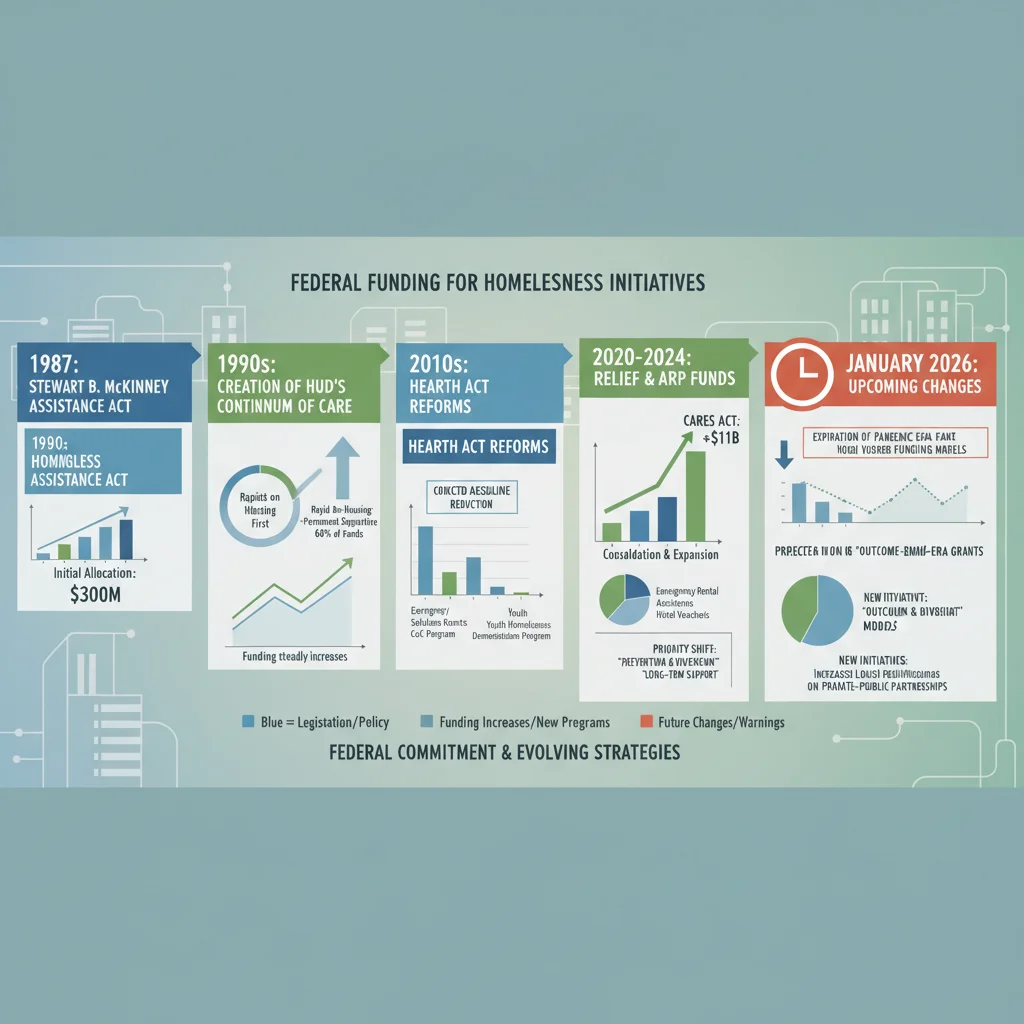
The landscape of support for individuals experiencing homelessness is on the cusp of a significant transformation. Starting January 2026, the federal government will implement sweeping changes to its funding mechanisms for homelessness initiatives. These modifications are poised to reshape how non-profit organizations, state and local governments, and community programs operate, requiring a proactive approach to understanding and adapting to the new regulations. This comprehensive guide delves into the specifics of these impending changes, offering crucial insights for stakeholders across the nation.
Understanding the Impetus Behind the Homelessness Funding Changes
The decision to enact such comprehensive homelessness funding changes stems from a multi-faceted review of existing programs, their efficacy, and the evolving challenges faced by communities grappling with homelessness. For years, federal funding has been a cornerstone for countless initiatives, ranging from emergency shelters and transitional housing to rapid re-housing programs and preventative services. However, concerns regarding resource allocation, program duplication, and the need for more outcome-driven metrics have prompted a re-evaluation at the highest levels of government.
A primary driver for these adjustments is the desire to optimize the impact of taxpayer dollars. Reports from various governmental agencies and independent think tanks have highlighted areas where funding could be more strategically deployed to achieve better, more sustainable results. The goal is not to reduce overall support for addressing homelessness but rather to refine the approach, fostering greater efficiency, accountability, and innovation within the sector. These homelessness funding changes aim to create a more cohesive and effective national strategy.
Furthermore, the shifting demographics of homelessness, including an increase in families, veterans, and individuals with complex health needs, necessitate a more flexible and responsive funding framework. The new policies are expected to prioritize programs that demonstrate a clear understanding of these evolving needs and offer tailored solutions. Stakeholders must therefore begin to assess their current operational models and identify areas where alignment with these new priorities can be strengthened.
Key Areas Affected by the New Federal Funding Regulations
The forthcoming homelessness funding changes will touch upon several critical aspects of homelessness initiatives. Understanding these key areas is paramount for any organization or government entity receiving or aspiring to receive federal aid.
1. Re-prioritization of Program Types
One of the most significant shifts will be a re-prioritization of the types of programs that receive federal backing. While exact details are still being finalized and will be released in subsequent guidance documents, early indications suggest a stronger emphasis on:
- Prevention Programs: Initiatives designed to prevent individuals and families from becoming homeless in the first place, including rental assistance, eviction diversion, and legal aid.
- Rapid Re-housing Models: Programs focused on quickly moving individuals and families from homelessness into permanent housing with time-limited financial assistance and supportive services.
- Housing First Approaches: Continued support for models that prioritize providing immediate access to permanent housing without preconditions, coupled with voluntary supportive services.
- Integrated Care Models: Increased funding for programs that integrate housing solutions with healthcare, mental health services, and substance abuse treatment, recognizing the interconnected nature of these challenges.
Conversely, there may be a recalibration of funding for traditional emergency shelter models, encouraging them to evolve into more low-barrier, service-intensive hubs that serve as a direct pathway to permanent housing. This doesn’t necessarily mean a reduction in emergency shelter funding but rather a shift in expectations regarding their role and outcomes. Organizations relying heavily on federal grants for purely emergency shelter operations may need to adapt their service delivery models to incorporate stronger re-housing components.
2. Enhanced Data Collection and Reporting Requirements
Accountability and transparency are at the heart of these homelessness funding changes. Federal agencies will be implementing more stringent data collection and reporting requirements. This move is intended to provide a clearer picture of program effectiveness, identify best practices, and ensure that funds are being utilized to achieve measurable outcomes.
Organizations can expect to report on a wider array of metrics, including:
- Client outcomes (e.g., housing stability, employment rates, health improvements).
- Cost-effectiveness of interventions.
- Demographic data with greater specificity.
- Long-term impact assessments.
This will necessitate robust data management systems and potentially new training for staff involved in data entry and analysis. Non-profits and government agencies should begin evaluating their current data infrastructure and consider investing in upgrades or new software solutions to meet these forthcoming demands. Failure to comply with the new reporting standards could jeopardize future funding opportunities.
3. Greater Emphasis on Collaboration and Regional Strategies
The federal government is increasingly recognizing that homelessness is a complex issue requiring coordinated efforts across various sectors and geographical boundaries. The 2026 homelessness funding changes are expected to incentivize, and in some cases mandate, greater collaboration among different stakeholders.
This could manifest in several ways:
- Cross-Jurisdictional Partnerships: Funding preference for programs that involve partnerships between multiple cities, counties, or even states to address regional homelessness challenges.
- Public-Private Collaborations: Encouragement of partnerships between government agencies, non-profit organizations, private sector entities, and philanthropic foundations.
- Integrated Service Delivery: Funding streams that support a holistic approach to services, ensuring that housing, healthcare, employment, and educational needs are addressed in a coordinated manner.
Organizations that have historically operated in silos will need to actively seek out and forge new partnerships. Grant applications are likely to include sections specifically evaluating the strength and breadth of collaborative efforts. Demonstrating a commitment to a unified, community-wide response will be crucial for securing federal support under the new regime.
4. Focus on Equity and Underserved Populations
Addressing systemic inequities and ensuring that funding reaches the most vulnerable and underserved populations will be a paramount consideration in the new federal funding framework. The homelessness funding changes are anticipated to include provisions that encourage or require programs to demonstrate how they are specifically addressing the needs of:
- Racial and ethnic minority groups.
- LGBTQ+ individuals.
- People with disabilities.
- Survivors of domestic violence.
- Youth experiencing homelessness.
- Individuals in rural areas.
This focus on equity means that organizations will need to conduct thorough needs assessments to identify disparities within their service areas and design programs that are culturally competent and accessible to all. Grant proposals will likely require detailed plans outlining how equity considerations are integrated into program design, outreach, and service delivery. This is a critical component of the upcoming homelessness funding changes.
Preparing for the January 2026 Implementation
With January 2026 fast approaching, proactive preparation is not just advisable but essential for any entity involved in homelessness initiatives. The window for adaptation is shrinking, and those who start early will be better positioned to navigate the new landscape successfully.
1. Stay Informed and Engaged
The first and most critical step is to remain continuously informed about the evolving details of the homelessness funding changes. Federal agencies will be releasing detailed guidance, webinars, and technical assistance documents in the coming months. Subscribe to official newsletters, participate in informational sessions, and engage with relevant professional networks.
- Monitor official government websites (e.g., HUD, HHS, VA).
- Attend webinars and town halls hosted by federal agencies.
- Join national and local coalitions focused on homelessness.
- Consult with grant writers and policy experts who specialize in federal funding.
Early engagement can also provide opportunities to offer feedback on proposed regulations, potentially influencing their final form. Your voice, as an on-the-ground practitioner, is invaluable in shaping effective policy.
2. Conduct an Internal Program Review
Organizations should immediately undertake a comprehensive review of their current programs and funding streams. This internal audit should assess:
- Alignment with New Priorities: How well do existing programs align with the anticipated federal priorities (prevention, rapid re-housing, Housing First, integrated care, equity)?
- Data Collection Capabilities: Is your current data system capable of meeting enhanced reporting requirements? Do staff have the necessary training?
- Partnership Opportunities: Are there potential collaborators (other non-profits, government agencies, private sector) with whom you could form stronger alliances?
- Financial Diversification: Are you overly reliant on a single federal funding stream? Explore opportunities to diversify your funding base to mitigate risks associated with the changes.
This review will help identify strengths to leverage and weaknesses that need addressing before the homelessness funding changes take full effect.
3. Invest in Capacity Building and Training
The new regulations will likely require new skills and knowledge. Investing in capacity building and staff training is paramount. This could include:
- Grant Writing Workshops: To adapt to new application formats and emphasis.
- Data Management Training: For staff responsible for collecting, analyzing, and reporting data.
- Program Design and Evaluation: To ensure programs are outcome-oriented and meet new efficacy standards.
- Equity and Cultural Competency Training: To better serve diverse populations.
A well-trained and adaptable workforce will be your greatest asset in navigating the complexities of the new federal funding landscape. These homelessness funding changes demand a prepared and knowledgeable team.
4. Advocate for Your Community’s Needs
While federal changes are national, their impact is felt locally. It is crucial to advocate for the unique needs of your community and the populations you serve. Engage with your elected officials at all levels of government to explain the potential impact of these changes and to champion innovative local solutions. Collective advocacy can influence the interpretation and implementation of federal policies, ensuring that they are responsive to real-world challenges.
Potential Challenges and Opportunities
The upcoming homelessness funding changes present both significant challenges and unique opportunities for the sector.
Challenges:
- Adaptation Costs: Organizations may incur costs associated with updating data systems, retraining staff, and redesigning programs.
- Learning Curve: A period of adjustment will be necessary as organizations learn to navigate new application processes, reporting requirements, and programmatic expectations.
- Funding Gaps: Some programs that do not align with the new priorities may face reduced funding, potentially creating service gaps if not adequately addressed through alternative funding or program redesign.
- Increased Competition: With a greater emphasis on outcomes and specific program models, competition for federal grants may intensify.
Opportunities:
- Enhanced Effectiveness: The focus on outcome-driven programs and best practices has the potential to make homelessness initiatives more effective and efficient in the long run.
- Innovation: The changes can spur innovation in program design and service delivery, encouraging new approaches to addressing homelessness.
- Stronger Partnerships: The emphasis on collaboration can lead to more integrated and comprehensive systems of care, benefiting clients through a more streamlined service experience.
- Greater Equity: The explicit focus on underserved populations can help address historical disparities in service provision, leading to more equitable outcomes.
- Sustainable Solutions: By prioritizing prevention and rapid re-housing, the new funding structure aims to foster more sustainable solutions to homelessness, reducing reliance on temporary measures.
Case Studies and Best Practices for Transition
As organizations begin to prepare for the homelessness funding changes, looking at successful transitions from past policy shifts can provide valuable lessons. While the exact details of the 2026 changes are unique, the principles of adaptability, strategic planning, and community engagement remain constant.
For instance, when the federal government shifted towards prioritizing Housing First models in the early 2000s, organizations that quickly embraced this philosophy and re-allocated resources saw significant success in securing funding and achieving better client outcomes. These organizations often invested heavily in:
- Pilot Programs: Testing new models on a smaller scale to gather data and refine approaches.
- Community Buy-in: Educating local stakeholders and securing their support for the new direction.
- Staff Development: Ensuring their teams were trained and equipped to implement new methodologies.
Another best practice involves forming strategic alliances. During periods of significant policy change, smaller organizations can benefit immensely from partnering with larger, more established entities or collaborating with a consortium of local service providers. This not only pools resources and expertise but also presents a more robust and comprehensive proposal to federal funders, especially given the new emphasis on collaboration within the homelessness funding changes.
Organizations should also consider developing a ‘contingency plan’ for funding. While aiming to align with new federal priorities, it’s wise to explore alternative funding sources, such as private grants, corporate sponsorships, and individual donations. A diversified funding portfolio provides resilience against policy shifts and ensures the continuity of vital services, regardless of potential fluctuations in federal support.
The Role of Technology in Navigating New Regulations
Technology will play an increasingly critical role in helping organizations adapt to the 2026 homelessness funding changes. As data collection and reporting requirements become more stringent, robust and integrated technological solutions will be indispensable.
- Homeless Management Information Systems (HMIS): Organizations must ensure their HMIS are up-to-date, compliant with federal standards, and capable of capturing the granular data required for new reporting metrics. Investing in training for HMIS users is also crucial.
- Client Relationship Management (CRM) Software: For tracking client progress, service utilization, and long-term outcomes, CRM systems can provide invaluable insights that demonstrate program effectiveness and justify funding requests.
- Grant Management Software: These tools can streamline the application process, track grant compliance, manage reporting deadlines, and help organizations stay organized amidst complex federal requirements.
- Data Analytics Platforms: To make sense of the vast amounts of data collected, organizations may benefit from platforms that can analyze trends, identify areas for improvement, and generate compelling reports for funders.
Embracing technological advancements is not just about compliance; it’s about enhancing efficiency, improving service delivery, and ultimately achieving better outcomes for individuals experiencing homelessness. The strategic use of technology can transform what might seem like a burden into a powerful asset in the context of these homelessness funding changes.
Long-Term Vision: A More Effective Response to Homelessness
Ultimately, the homelessness funding changes effective January 2026 are part of a broader, long-term vision to create a more effective, equitable, and sustainable national response to homelessness. While the transition period may present challenges, the underlying intent is to foster programs that genuinely move the needle towards ending homelessness for good.
Organizations that embrace these changes, prioritize data-driven decision-making, foster strong collaborations, and champion equity will not only be successful in securing future funding but will also contribute to a more resilient and impactful system of care. This is an opportunity for the sector to evolve, innovate, and collectively work towards a future where homelessness is rare, brief, and non-recurring.
Staying informed, planning strategically, and adapting proactively are the cornerstones of navigating these significant federal funding shifts. The coming months are critical for preparation, and the commitment of all stakeholders will determine the success of these new initiatives in addressing one of society’s most pressing challenges.
Conclusion
The federal government’s impending homelessness funding changes, set to take effect in January 2026, mark a pivotal moment for organizations and communities dedicated to addressing homelessness. These changes reflect a strategic re-evaluation aimed at enhancing efficiency, accountability, and impact in the fight against homelessness. Key shifts include a re-prioritization of prevention and rapid re-housing models, more rigorous data collection, a greater emphasis on collaboration, and a strong focus on equity for underserved populations.
For non-profits, local governments, and service providers, the period leading up to January 2026 is crucial for proactive preparation. This involves staying abreast of official guidance, conducting thorough internal program reviews, investing in staff training and capacity building, and engaging in robust advocacy. While challenges such as adaptation costs and potential funding gaps may arise, these changes also present significant opportunities for innovation, stronger partnerships, and ultimately, more effective and equitable outcomes for individuals experiencing homelessness.
By embracing technology, fostering community-wide collaborations, and maintaining a steadfast commitment to data-driven, client-centered approaches, stakeholders can not only navigate this transition successfully but also contribute to a more resilient and impactful national strategy to end homelessness. The future of homelessness initiatives depends on our collective ability to adapt, innovate, and work together towards a compassionate and effective solution.