Securing US Critical Infrastructure: Cyber-Physical Systems in 2026

In an increasingly interconnected world, the resilience and security of a nation's critical infrastructure are paramount. The United States, with its vast and complex network of essential services, faces an escalating threat landscape, particularly concerning its cyber-physical systems (CPS). As we look towards 2026, the convergence of Information Technology (IT) and Operational Technology (OT) presents both unprecedented opportunities and significant vulnerabilities. This comprehensive article delves into the intricate challenges and strategic imperatives for robust Critical Infrastructure Security 2026, exploring how the nation can fortify its defenses against sophisticated cyber threats.
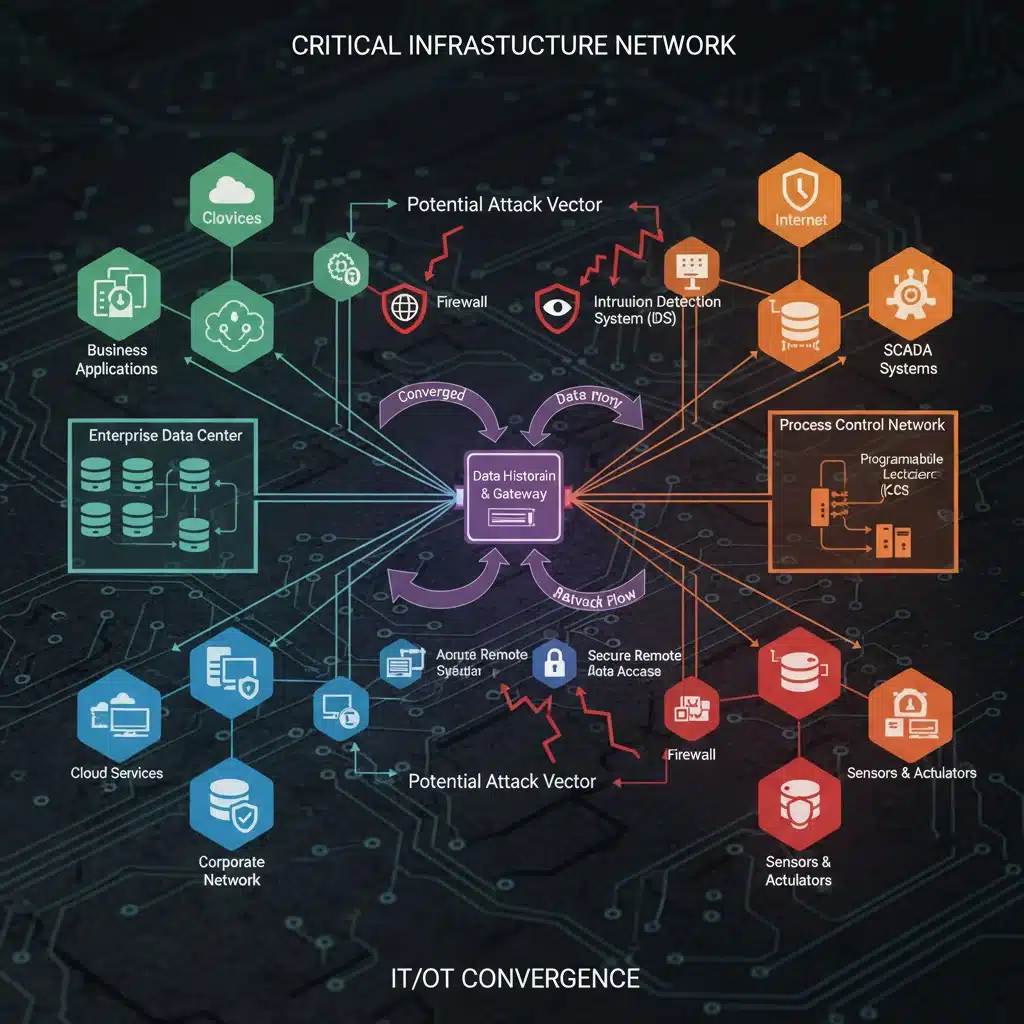
Critical infrastructure encompasses sectors vital for the functioning of society and the economy, including energy, water, transportation, communications, healthcare, and financial services. Historically, OT systems, which control physical processes, operated in isolation. However, the drive for efficiency, remote management, and data-driven insights has led to the increasing integration of OT with IT networks. This convergence, while beneficial, introduces new attack surfaces and complex interdependencies that demand a holistic and proactive security approach. The future of Critical Infrastructure Security 2026 hinges on our ability to effectively manage this convergence.
The Evolving Threat Landscape for Cyber-Physical Systems
The threats targeting critical infrastructure are becoming more diverse, sophisticated, and impactful. Nation-state actors, cybercriminal organizations, and even insider threats pose significant risks. These adversaries aim to disrupt services, extort ransoms, steal intellectual property, or even cause physical damage. The consequences of a successful attack can range from widespread service outages and economic disruption to environmental damage and loss of life.
Sophisticated Attack Vectors
Attackers are leveraging advanced persistent threats (APTs), supply chain compromises, and zero-day exploits to infiltrate critical systems. Phishing campaigns, malware designed to manipulate industrial control systems (ICS), and ransomware attacks are also prevalent. The Stuxnet incident, though over a decade old, remains a stark reminder of the potential for cyberattacks to cause physical destruction. As we approach 2026, these attack vectors will only become more refined.
Interconnectedness and Cascading Failures
The IT/OT convergence means that a vulnerability in one part of the system can rapidly propagate, leading to cascading failures across interconnected infrastructure. For instance, a cyberattack on a utility's IT network could potentially disrupt its OT systems, leading to power outages that impact communications, transportation, and healthcare. Understanding and mitigating these interdependencies is crucial for Critical Infrastructure Security 2026.
The Convergence of IT and OT: Challenges and Opportunities
The blurring lines between IT and OT present both significant security challenges and strategic opportunities for enhancing resilience. Recognizing these dynamics is fundamental to achieving robust Critical Infrastructure Security 2026.
Distinct Operational Philosophies and Technologies
IT and OT environments have traditionally operated with different priorities. IT prioritizes confidentiality, integrity, and availability (CIA triad) in that order, while OT emphasizes availability, integrity, and then confidentiality. OT systems often have long lifecycles, proprietary protocols, and real-time operational requirements that make traditional IT security solutions unsuitable. Integrating these disparate environments securely requires specialized knowledge and tailored solutions.
Skills Gap and Workforce Development
A significant challenge in securing CPS is the shortage of professionals with expertise in both IT and OT security. Bridging this skills gap through education, training, and cross-disciplinary collaboration is essential to build a competent workforce capable of addressing the complex security needs of critical infrastructure by 2026.
Data-Driven Insights and Predictive Maintenance
On the opportunity side, the convergence allows for the collection and analysis of vast amounts of operational data. This data can be leveraged for predictive maintenance, optimizing performance, and gaining deeper insights into system vulnerabilities. Secure data analytics platforms can enhance situational awareness and enable more proactive threat detection and response, significantly bolstering Critical Infrastructure Security 2026 efforts.
Key Pillars of Critical Infrastructure Security 2026
To effectively secure US critical infrastructure by 2026, a multi-faceted approach encompassing technology, policy, and human factors is required. Here are the key pillars:
1. Robust Governance and Regulatory Frameworks
Effective governance provides the foundation for consistent and comprehensive security practices. The US government, through agencies like CISA (Cybersecurity and Infrastructure Security Agency) and NIST (National Institute of Standards and Technology), plays a crucial role in developing guidelines, standards, and regulatory frameworks. By 2026, these frameworks must be agile enough to adapt to evolving threats and technologies.
- NIST Cybersecurity Framework: Widely adopted, this framework provides a risk-based approach to managing cybersecurity risks. Its application to OT environments needs continuous refinement.
- Sector-Specific Regulations: Industries like energy (NERC CIP) have specific regulatory requirements. Harmonizing these across sectors while allowing for industry-specific nuances is vital.
- Information Sharing and Collaboration: Encouraging robust information sharing between government agencies, critical infrastructure owners and operators, and cybersecurity vendors is paramount. Initiatives like Information Sharing and Analysis Centers (ISACs) facilitate this collaboration.
2. Advanced Threat Detection and Response
Given the sophistication of modern threats, a reactive security posture is insufficient. Critical infrastructure operators must implement advanced threat detection and rapid response capabilities.
- AI and Machine Learning for Anomaly Detection: AI/ML can analyze vast datasets from IT and OT networks to identify anomalous behavior indicative of a cyberattack, often before human analysts can.
- Endpoint Detection and Response (EDR) for OT: Extending EDR capabilities to OT endpoints, where feasible and safe, provides deeper visibility into industrial control systems.
- Security Orchestration, Automation, and Response (SOAR): Automating routine security tasks and orchestrating complex response playbooks can significantly reduce the time to detect and contain threats.
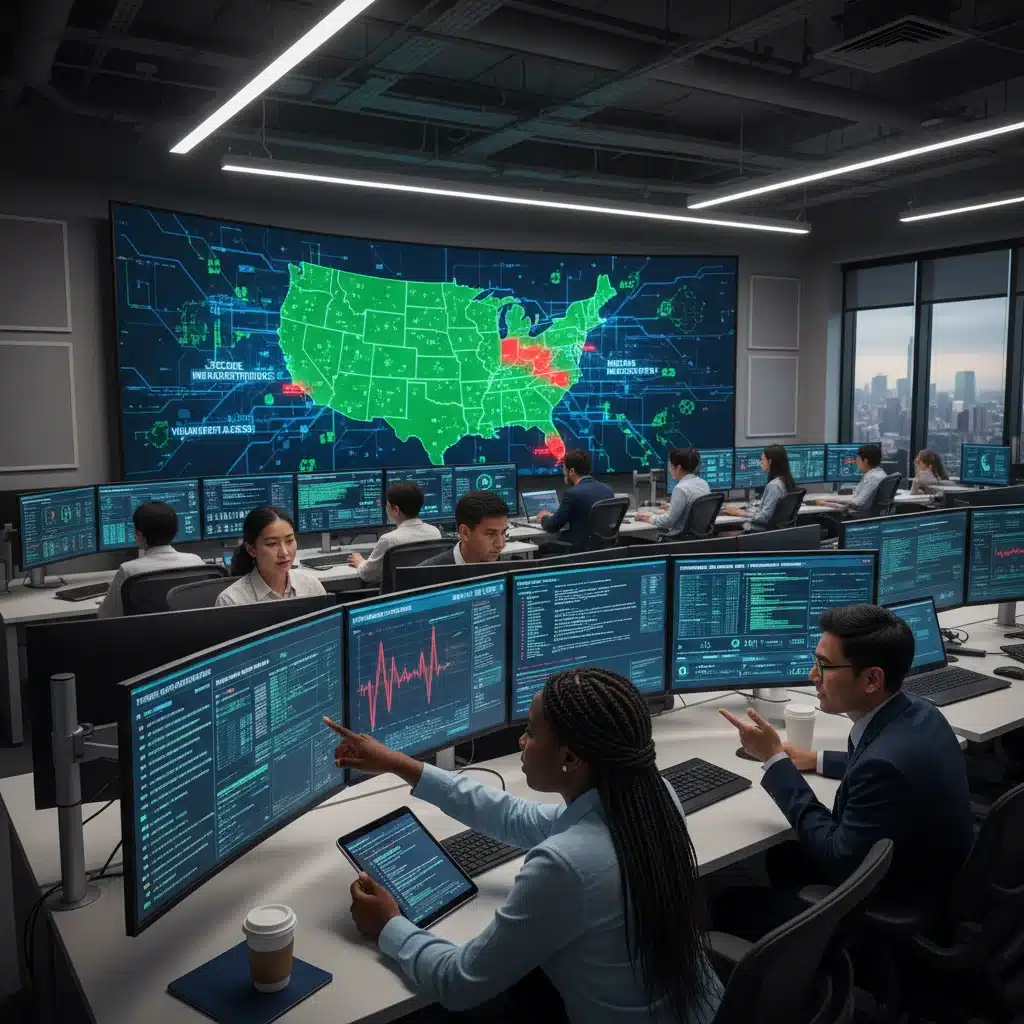
- Threat Intelligence Integration: Incorporating real-time threat intelligence feeds into security operations centers (SOCs) helps organizations anticipate and defend against emerging threats.
3. Zero Trust Architecture for Critical Infrastructure
The traditional perimeter-based security model is increasingly inadequate for converged IT/OT environments. A Zero Trust architecture, which operates on the principle of "never trust, always verify," offers a more robust defense.
- Micro-segmentation: Dividing networks into smaller, isolated segments limits the lateral movement of attackers within the system.
- Strong Authentication and Authorization: Implementing multi-factor authentication (MFA) and granular access controls for all users and devices, regardless of their location, is crucial.
- Continuous Monitoring and Validation: Continuously monitoring and validating the security posture of all assets and communications is a cornerstone of Zero Trust.
4. Supply Chain Risk Management
The supply chain presents a significant vulnerability for critical infrastructure. Components, software, and services from third-party vendors can introduce hidden backdoors or vulnerabilities. Addressing this requires a rigorous approach:
- Vendor Risk Assessments: Thoroughly vetting suppliers for their cybersecurity practices and adherence to security standards.
- Software Bill of Materials (SBOMs): Requiring SBOMs for all software components helps organizations understand the origins and potential vulnerabilities within their systems.
- Continuous Supply Chain Monitoring: Monitoring the security posture of critical suppliers throughout their lifecycle.
5. Operational Resilience and Recovery
Despite best efforts, cyberattacks may still occur. Therefore, building operational resilience and having robust recovery plans are essential for Critical Infrastructure Security 2026.
- Incident Response Planning: Developing and regularly testing comprehensive incident response plans that address both IT and OT environments.
- Redundancy and Backup Systems: Implementing redundant systems and robust backup and recovery solutions to ensure continuity of operations.
- Tabletop Exercises and Simulations: Conducting regular exercises to train personnel and test the effectiveness of incident response and disaster recovery plans.
The Role of Government and Industry Collaboration
Securing critical infrastructure is a shared responsibility. The US government, industry leaders, and academic institutions must work in concert to achieve the goals of Critical Infrastructure Security 2026.
Government Initiatives
Federal agencies are actively developing strategies and providing resources. CISA's work on cybersecurity advisories, vulnerability assessments, and threat hunting programs is vital. The National Cybersecurity Strategy also outlines a path forward for enhancing national resilience.
Industry Leadership and Best Practices
Industry associations and individual companies must take the lead in implementing best practices, sharing threat intelligence, and investing in advanced security technologies. Collaborative efforts to develop sector-specific security standards and benchmarks are also crucial.
Academic Research and Development
Universities and research institutions play a critical role in advancing cybersecurity knowledge, developing innovative solutions, and training the next generation of cybersecurity professionals. Funding for research into secure-by-design principles for CPS and novel threat detection methodologies is essential.
Emerging Technologies and Their Impact on Critical Infrastructure Security 2026
As technology evolves, so too do the tools and techniques available for both attackers and defenders. Embracing and strategically deploying emerging technologies will be key to maintaining a strong security posture for Critical Infrastructure Security 2026.
Quantum Computing and Post-Quantum Cryptography
While still in its nascent stages, quantum computing has the potential to break many of today's encryption algorithms. Critical infrastructure operators must begin to plan for the transition to post-quantum cryptography to protect long-term data integrity and confidentiality.
Blockchain for Supply Chain Security
Blockchain technology offers a decentralized and immutable ledger that can enhance the transparency and integrity of the critical infrastructure supply chain, making it harder for malicious actors to introduce compromises.
Digital Twins for Anomaly Detection and Simulation
Digital twins – virtual replicas of physical systems – can be used to simulate attacks, test security controls, and detect anomalies in real-time without disrupting live operations. This technology holds immense promise for proactive defense in Critical Infrastructure Security 2026.
Automated Vulnerability Management
The sheer scale and complexity of critical infrastructure networks make manual vulnerability management impractical. Automated tools that continuously scan for vulnerabilities, prioritize them based on risk, and facilitate patching will be indispensable.
The Human Element: Training and Awareness
Technology alone cannot secure critical infrastructure. The human element remains a primary attack vector and, conversely, the strongest line of defense. Investing in comprehensive training and fostering a strong security culture are non-negotiable for Critical Infrastructure Security 2026.
Cybersecurity Awareness Training
Regular and engaging cybersecurity awareness training for all personnel, from board members to frontline operators, is crucial. This training should cover topics such as phishing detection, social engineering tactics, and the importance of strong passwords and multi-factor authentication.
Specialized OT Security Training
Operational technology personnel require specialized training that addresses the unique security challenges of ICS and SCADA systems. This includes safe operating procedures, incident recognition in OT environments, and the proper handling of sensitive industrial data.
Building a Culture of Security
Beyond formal training, fostering a proactive security culture where every employee understands their role in protecting critical assets is vital. This involves promoting open communication about security concerns, encouraging reporting of suspicious activities, and recognizing individuals who demonstrate strong security practices.
Preparing for the Future: A Call to Action for Critical Infrastructure Security 2026
The journey towards robust Critical Infrastructure Security 2026 is ongoing and requires continuous effort and adaptation. The convergence of IT and OT, while bringing immense benefits, also introduces complex security challenges that demand innovative solutions and unwavering commitment.
Government, industry, and academia must continue to collaborate, share intelligence, and invest in the technologies and human capital necessary to defend against an increasingly sophisticated threat landscape. By prioritizing a holistic approach that integrates advanced technologies, strong governance, proactive threat intelligence, and a well-trained workforce, the United States can significantly enhance the resilience of its critical infrastructure and safeguard its national security and economic prosperity for years to come.
The time to act is now. Proactive measures, continuous vigilance, and a unified front are the cornerstones of effective Critical Infrastructure Security 2026. Let us collectively strive to build a future where the essential services that underpin our society are secure, reliable, and resilient against all threats.