Community Development 2026: 5 Strategies for 10% Local Engagement Boost
Community Development in 2026: 5 Innovative Strategies Increasing Local Engagement by 10%
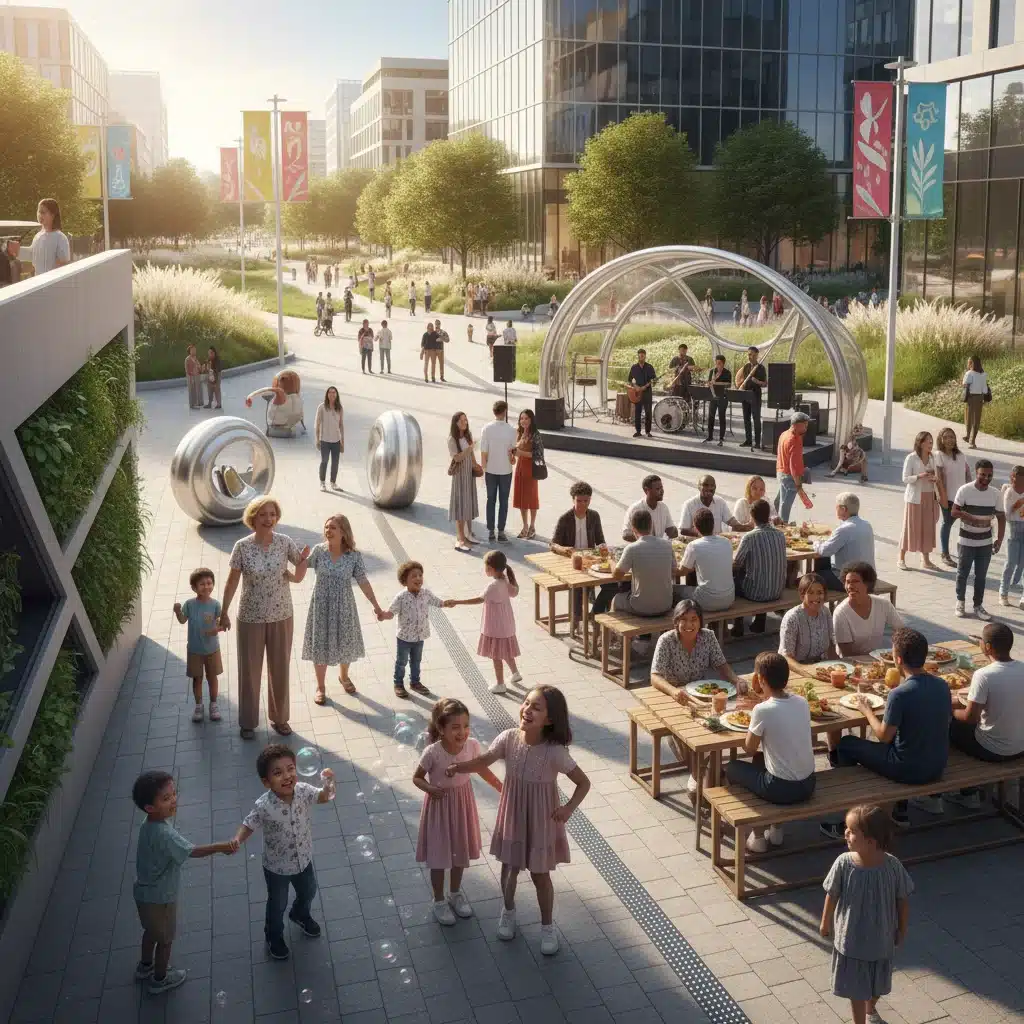
The landscape of community development is constantly evolving, driven by technological advancements, shifting demographics, and a renewed global focus on sustainability and social cohesion. As we look towards 2026, the imperative to foster robust local engagement has never been more critical. Communities that thrive are those where residents feel connected, valued, and empowered to contribute to their shared future. The goal is not merely participation, but deep, meaningful involvement that leads to tangible improvements in quality of life and collective well-being. This article delves into five innovative community engagement strategies poised to significantly boost local participation by at least 10% in the coming years. We will explore how these strategies leverage modern tools, psychological insights, and inclusive practices to create more vibrant, resilient, and equitable communities.
Traditional methods of community engagement, while still valuable, often fall short in reaching diverse segments of the population. Public meetings, flyers, and surveys, while foundational, can be perceived as inaccessible, time-consuming, or simply not relevant by many. The challenge for 2026 is to move beyond these conventional approaches and embrace dynamic, multi-faceted strategies that meet people where they are, both physically and digitally. Our focus here is on actionable insights and forward-thinking approaches that can be implemented by local governments, non-profits, and grassroots organizations alike. By adopting these innovative community engagement strategies, we can unlock the full potential of our communities and build a future where every voice matters.
1. Hyper-Personalized Digital Engagement Platforms
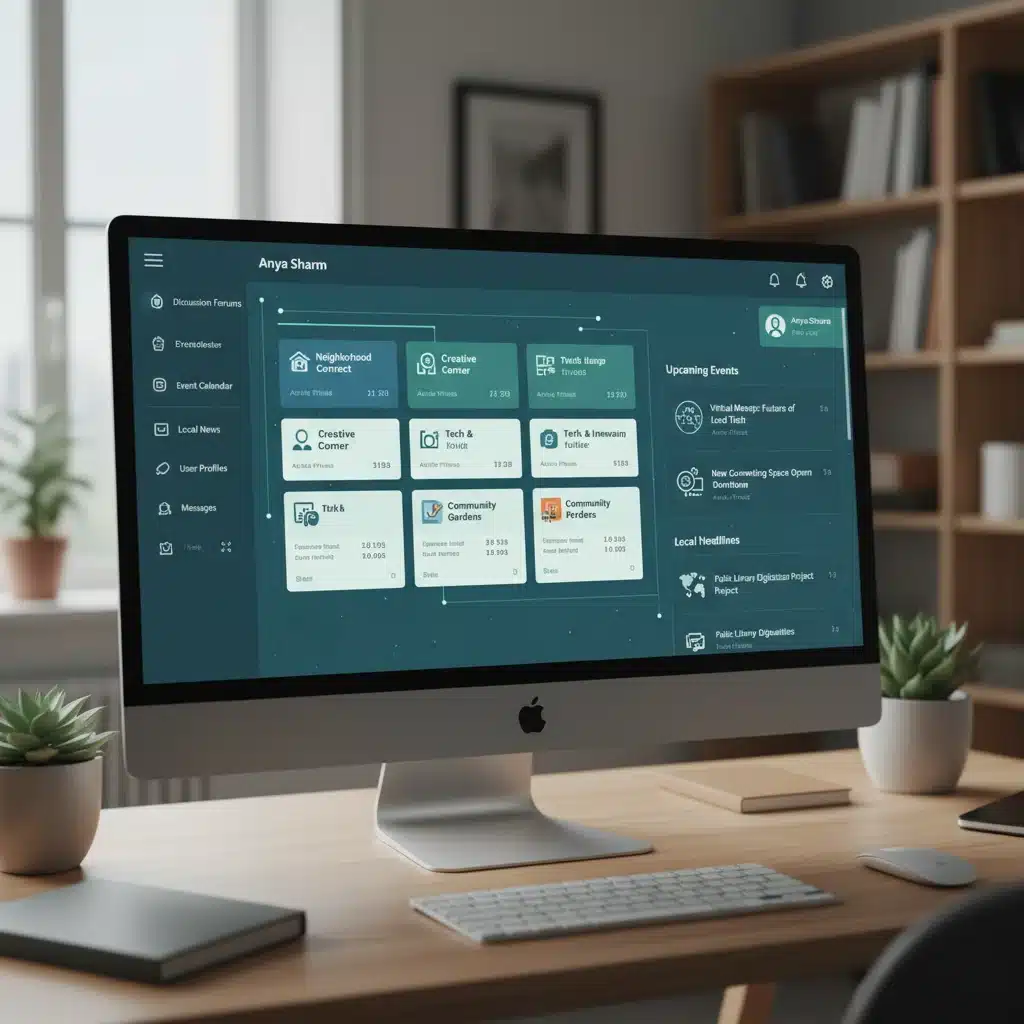
In an increasingly digital world, the notion of physical community is being redefined. While face-to-face interaction remains irreplaceable, digital platforms offer unparalleled opportunities for expanding reach and fostering continuous engagement. However, generic social media groups or static websites are no longer enough. The future lies in hyper-personalized digital engagement platforms that cater to individual interests, preferences, and availability.
The Evolution of Digital Touchpoints
Imagine a platform that learns about your interests – whether it’s local environmental initiatives, youth sports, or cultural events – and proactively delivers relevant information and opportunities directly to you. This goes beyond simple notifications; it involves sophisticated algorithms that analyze user behavior, feedback, and demographic data to tailor content, surveys, and event invitations. For instance, a resident interested in urban gardening might receive updates on local green space projects, volunteer opportunities at a community garden, and even links to virtual workshops on sustainable practices. This level of personalization ensures that engagement feels less like an obligation and more like a curated experience, significantly increasing the likelihood of participation.
Gamification and Interactive Tools
To further boost engagement, these platforms will integrate gamification elements and interactive tools. Think points for attending virtual meetings, badges for contributing ideas, or leaderboards for active participation in discussions. Interactive mapping tools could allow residents to pinpoint specific issues or suggest improvements in their neighborhoods, complete with photo uploads and comments. Virtual reality (VR) and augmented reality (AR) could even be used to visualize proposed urban development projects, allowing residents to "walk through" new parks or buildings before they are constructed, providing more informed and impactful feedback. This makes the process enjoyable and encourages sustained involvement, turning passive observers into active contributors.
Data-Driven Insights for Community Leaders
Beyond individual engagement, these platforms will provide invaluable data-driven insights for community leaders and planners. By analyzing engagement patterns, popular topics, and demographic participation rates, leaders can identify underserved groups, understand community priorities, and measure the effectiveness of their initiatives in real-time. This allows for agile adjustments to community engagement strategies, ensuring resources are allocated efficiently and efforts are concentrated where they will have the greatest impact. The cycle of feedback and adaptation becomes continuous, leading to more responsive and effective community development.
2. Co-Creation Hubs and Participatory Budgeting
Moving beyond traditional consultation, co-creation hubs and participatory budgeting represent a profound shift towards empowering residents as active partners in decision-making and resource allocation. This strategy recognizes that the most effective solutions often come from those directly affected by local issues.
Empowering Residents as Co-Creators
Co-creation hubs are dedicated physical or virtual spaces where residents, community leaders, and experts collaborate on specific projects or challenges. These aren’t just brainstorming sessions; they are structured environments designed to facilitate deep engagement, idea generation, and collective problem-solving. For example, if a city is planning a new public park, a co-creation hub would bring together landscape architects, urban planners, and local residents (including children, seniors, and accessibility advocates) to design the park together. This ensures that the final design truly reflects the diverse needs and desires of the community, fostering a sense of ownership and pride long before construction even begins. The process is iterative, allowing for continuous feedback and refinement, which is a cornerstone of effective community engagement strategies.
Participatory Budgeting: Direct Impact
Participatory budgeting takes this empowerment a step further by allowing residents to directly decide how a portion of a public budget is spent. This democratic process involves several stages: community members brainstorm and propose ideas, volunteers develop these ideas into feasible projects, residents vote on their favorite projects, and the top-voted projects are then implemented. This direct influence on local spending not only increases transparency and accountability but also significantly boosts engagement because residents see a direct correlation between their input and tangible outcomes. It shifts the perception of government from a distant entity to a collaborative partner, strengthening trust and civic participation. Studies have shown that participatory budgeting can dramatically increase voter turnout in local elections and foster a more informed and active citizenry.
Building Capacity and Leadership
Both co-creation hubs and participatory budgeting also serve as powerful tools for building community capacity and developing local leadership. As residents engage in these processes, they gain new skills in project management, consensus-building, and advocacy. They learn about the complexities of local governance and develop a deeper understanding of community needs. This creates a ripple effect, empowering individuals to take on more active roles in their communities and become champions for local change. These are not just engagement tactics; they are fundamental approaches to cultivating a truly democratic and self-sustaining community.
3. Micro-Grants and Resident-Led Initiatives
One of the most effective ways to foster genuine engagement is to empower residents to lead their own initiatives. Micro-grants provide the financial fuel for these grassroots efforts, transforming ideas into reality and building a culture of proactive community action.
Small Investments, Big Impact
Micro-grants are small sums of money (typically ranging from a few hundred to a few thousand dollars) awarded directly to residents or small community groups for projects that address local needs or enhance community life. The application process is usually streamlined and accessible, designed to minimize bureaucratic hurdles and encourage participation from diverse individuals who might not have experience with traditional grant writing. Examples include funding for a neighborhood clean-up day, a community art project, a series of educational workshops, or a local food drive. The impact of these small investments can be profound, as they often leverage volunteer time and local resources, multiplying their value. They democratize funding, allowing creative solutions to emerge from the ground up.
Fostering Local Ownership and Innovation
The beauty of resident-led initiatives funded by micro-grants is the strong sense of ownership they cultivate. When residents are responsible for conceiving, planning, and executing a project, their commitment and enthusiasm are significantly higher. This leads to more innovative solutions that are perfectly tailored to the specific context of their neighborhood. It also builds social capital, as residents collaborate with their neighbors, strengthening bonds and creating new networks. These initiatives often uncover untapped local talents and resources, turning passive residents into active agents of change. This strategy directly contributes to a more dynamic and responsive community, proving that effective community engagement strategies don’t always require large-scale, top-down programs.
Mentorship and Support Networks
To maximize the success of micro-grant recipients, it’s crucial to pair the funding with mentorship and support networks. This could involve connecting new project leaders with experienced community organizers, providing access to workshops on project management or fundraising, or creating peer-to-peer learning opportunities. Such support ensures that even first-time organizers have the resources and guidance they need to succeed, further reinforcing the positive cycle of engagement and capacity building. This holistic approach ensures that micro-grants are not just transactional but transformative, investing in both projects and people.
4. Intergenerational Mentorship and Skill-Sharing Programs
Bridging generational divides is a powerful way to strengthen communities. Intergenerational mentorship and skill-sharing programs create deliberate opportunities for different age groups to connect, learn from each other, and collaborate on shared goals, enriching the social fabric of the community.
Reciprocal Learning and Connection
These programs move beyond the traditional one-way mentorship model, emphasizing reciprocal learning. Seniors might teach younger generations traditional crafts, storytelling, or local history, while youth could mentor seniors in digital literacy, social media, or modern technologies. This exchange of knowledge and skills benefits everyone involved. Older adults gain a renewed sense of purpose and connection, combating social isolation, while younger generations acquire valuable life skills, historical context, and diverse perspectives. These interactions break down stereotypes and build empathy, fostering a more cohesive and understanding community. Examples include "tech buddies" programs, intergenerational gardening projects, or shared arts and crafts workshops. These initiatives are exemplary community engagement strategies because they naturally foster deep, personal connections.
Addressing Community Needs Together
Beyond personal growth, intergenerational programs can also be structured to address specific community needs. For instance, a program could pair retired engineers with high school students to work on local infrastructure improvement projects, or connect experienced business owners with young entrepreneurs. This not only provides practical solutions to community challenges but also creates a powerful sense of shared purpose across age groups. When multiple generations collaborate on a common goal, the resulting solutions are often more comprehensive and sustainable, reflecting a wider range of experiences and insights. The diverse perspectives brought by different age groups can lead to more innovative and inclusive outcomes for the community.
Formalizing and Supporting These Connections
For these programs to truly thrive, they need formal structure and ongoing support. This includes dedicated coordinators, safe and accessible meeting spaces (both physical and virtual), and clear guidelines for participants. Training on effective communication and cross-generational understanding can also be beneficial. Celebrating the achievements of these programs through community events or recognition ceremonies further reinforces their value and encourages broader participation. By investing in these intergenerational connections, communities invest in their own long-term resilience and social capital.
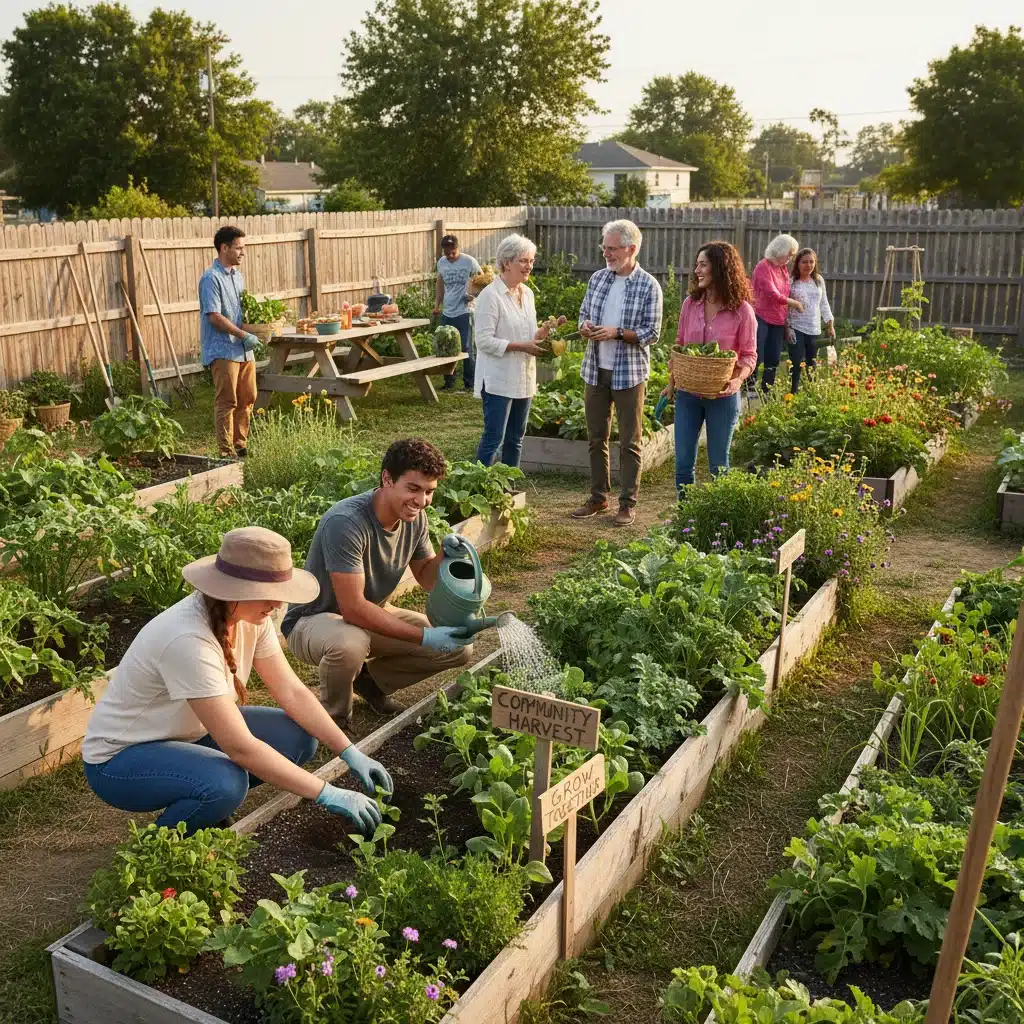
5. Pop-Up Engagement Labs and Mobile Outreach
To truly increase local engagement by 10%, communities must move beyond static engagement points and proactively meet residents where they are. Pop-up engagement labs and mobile outreach initiatives are designed to do just that, bringing opportunities for participation directly to neighborhoods and public spaces.
Bringing Engagement to the People
Pop-up engagement labs are temporary, interactive spaces set up in high-traffic areas like farmers’ markets, parks, community festivals, or even outside grocery stores. These labs are designed to be inviting and approachable, featuring interactive displays, quick surveys, idea boards, and opportunities for informal conversations with community representatives. Instead of expecting residents to come to a city hall meeting, the engagement comes to them, making participation convenient and less intimidating. These labs can focus on specific topics, such as a new park design, public safety concerns, or upcoming policy changes, gathering immediate and diverse feedback from a cross-section of the community. The novelty and accessibility of these pop-ups are key to their success as innovative community engagement strategies.
Mobile Outreach Units and "Engagement on Wheels"
Taking the concept further, mobile outreach units – essentially "engagement on wheels" – can travel to different neighborhoods, especially those that are typically underserved or harder to reach. These could be specially equipped vans or even bicycles with trailers, carrying interactive tools, information, and staff members trained to facilitate conversations and gather input. Imagine a mobile unit offering free Wi-Fi and tablets for residents to complete surveys, or hosting mini-workshops on community issues right on a street corner. This approach breaks down geographical and socioeconomic barriers, ensuring that engagement opportunities are truly equitable and inclusive. It demonstrates a commitment from community leaders to actively seek out and listen to all voices, not just the loudest or most easily accessible ones.
Immediate Feedback and Visible Impact
A key advantage of pop-up labs and mobile outreach is the ability to provide immediate feedback and sometimes even visible impact. For instance, a mobile unit focused on public art could invite residents to contribute to a mural on the spot, or a pop-up lab could display real-time results of a community poll. This instant gratification and tangible outcome reinforce the value of participation, encouraging more people to get involved in future initiatives. The transient nature of these engagements also creates a sense of urgency and excitement, making them memorable and effective tools for boosting overall community engagement.
Conclusion: Building a More Engaged Future
The journey towards increasing local engagement by 10% in 2026 is an ambitious but achievable goal. It requires a fundamental shift in how we approach community development – moving from passive consultation to active co-creation, from generic outreach to hyper-personalized interaction, and from top-down directives to resident-led initiatives. The five community engagement strategies outlined here – hyper-personalized digital platforms, co-creation hubs and participatory budgeting, micro-grants for resident-led initiatives, intergenerational mentorship, and pop-up engagement labs with mobile outreach – are not standalone solutions. Their true power lies in their synergistic application, creating a comprehensive ecosystem of engagement that is accessible, inclusive, and deeply impactful.
By embracing these innovative approaches, communities can foster a culture where every resident feels empowered to contribute, where ideas flourish, and where collective action leads to tangible improvements in the quality of life. The benefits extend far beyond mere participation rates; they include stronger social capital, increased civic trust, more resilient local economies, and a greater sense of shared identity and purpose. As we navigate the complexities of the 21st century, the strength of our communities will depend on our ability to effectively engage and empower all their members. The time to invest in these forward-thinking community engagement strategies is now, paving the way for a more vibrant, equitable, and engaged future for all.