US Space Exploration 2026: Initiatives, Funding & Future Missions
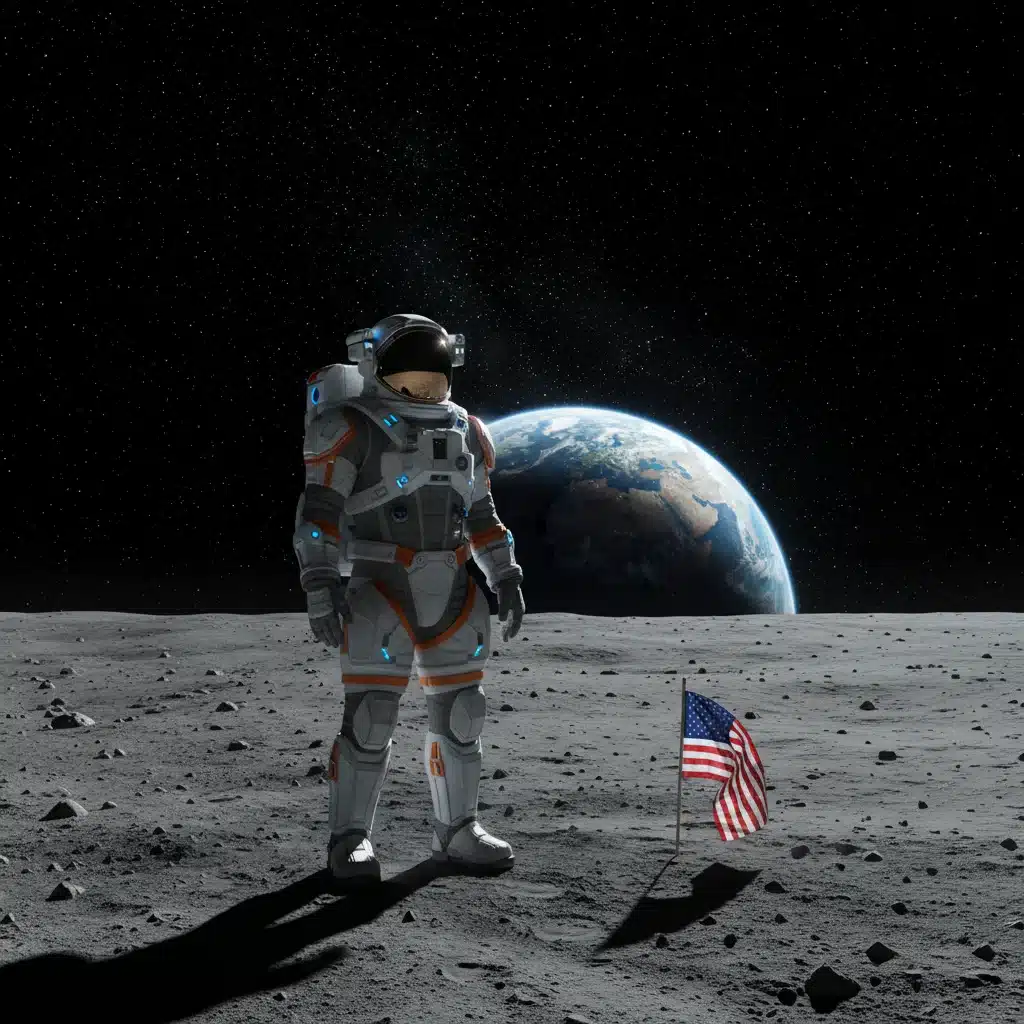
The cosmos has always beckoned, a vast expanse of unknowns that has fueled human curiosity and innovation for centuries. In 2026, the United States government, primarily through NASA, is poised to continue its leadership in this grand endeavor, pushing the boundaries of what’s possible in space exploration. The landscape of US Space Exploration 2026 is dynamic, marked by ambitious new initiatives, significant budget allocations, and a strategic vision that aims to return humans to the Moon, pave the way for Mars, and unlock further secrets of our universe. This article delves deep into the current state and future trajectory of American space efforts, providing an exhaustive look at the programs, funding, and partnerships driving this exciting era.
The year 2026 is shaping up to be a pivotal moment for US Space Exploration 2026. With strategic investments and a clear roadmap, the government is not just dreaming of the stars but actively building the infrastructure and developing the technologies to reach them. From lunar habitats to advanced propulsion systems, the scope of these endeavors is breathtaking, promising to deliver scientific breakthroughs and inspire a new generation of explorers.
The Artemis Program: A Stepping Stone to Deep Space
At the heart of US Space Exploration 2026 lies the Artemis program. This ambitious initiative is not merely about returning humans to the Moon; it’s about establishing a sustainable presence there, leveraging lunar resources, and using our closest celestial neighbor as a proving ground for future missions to Mars and beyond. By 2026, several critical milestones within the Artemis framework are expected to be either completed or well underway, significantly shaping the future of human spaceflight.
Artemis I and II: Laying the Groundwork
While Artemis I (uncrewed test flight) and Artemis II (crewed lunar flyby) are scheduled for completion prior to 2026, their successes are foundational. Artemis I demonstrated the capabilities of the Space Launch System (SLS) rocket and the Orion spacecraft, proving the integrated system’s readiness for human missions. Artemis II, carrying astronauts around the Moon, will further validate these systems with human occupants, a crucial step before a lunar landing.
Artemis III and Beyond: Lunar Landing and Sustainable Presence
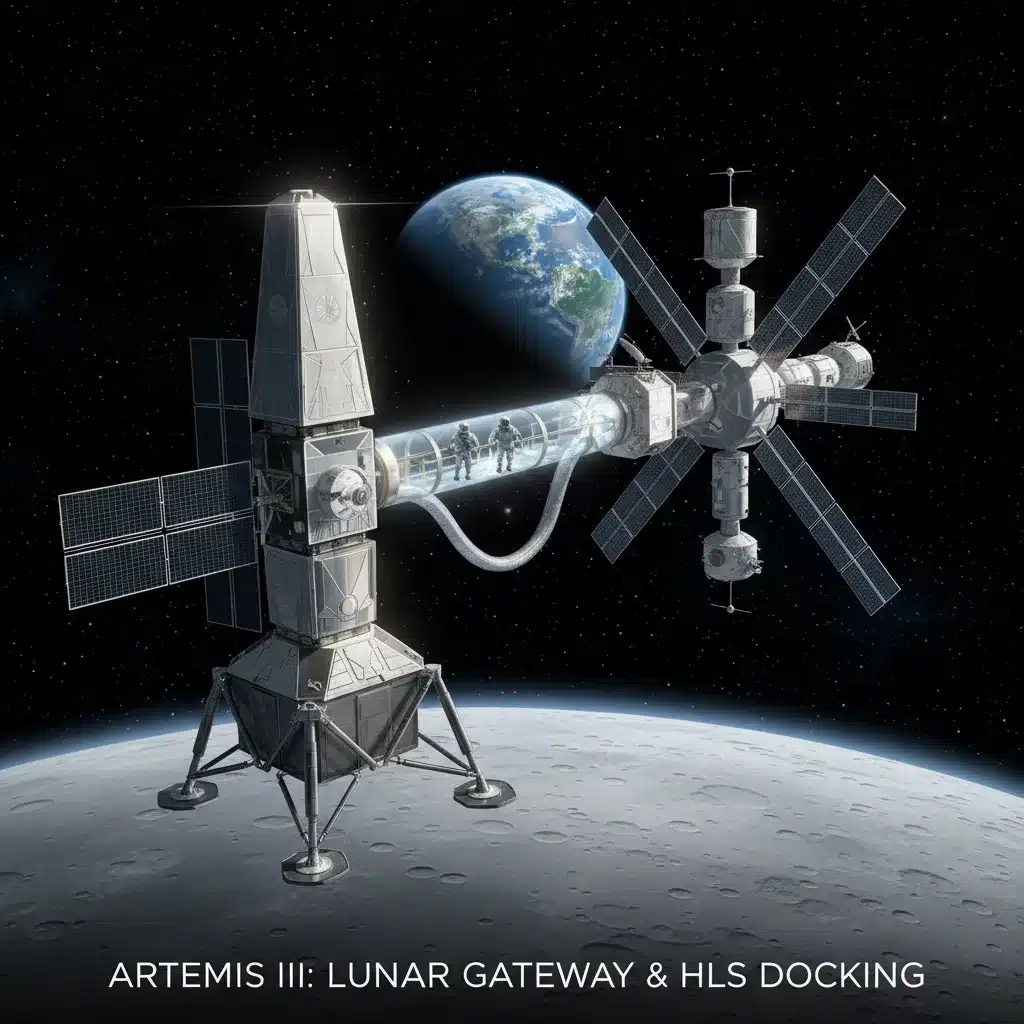
The ultimate goal of the early phases of Artemis is Artemis III, which aims to land the first woman and the next man on the Moon, specifically at the lunar South Pole. While the exact timing of Artemis III could fluctuate, planning and development for this mission will be in full swing in 2026. This mission will mark humanity’s return to the lunar surface after more than half a century and initiate a new era of lunar exploration.
Beyond Artemis III, the vision for US Space Exploration 2026 includes the development of the Lunar Gateway, a small space station orbiting the Moon. The Gateway will serve as a multi-purpose outpost, providing a staging point for lunar surface missions, a science laboratory, and a communication relay. Components of the Gateway are expected to be launching and assembling around 2026, marking a significant step towards a sustained human presence in lunar orbit.
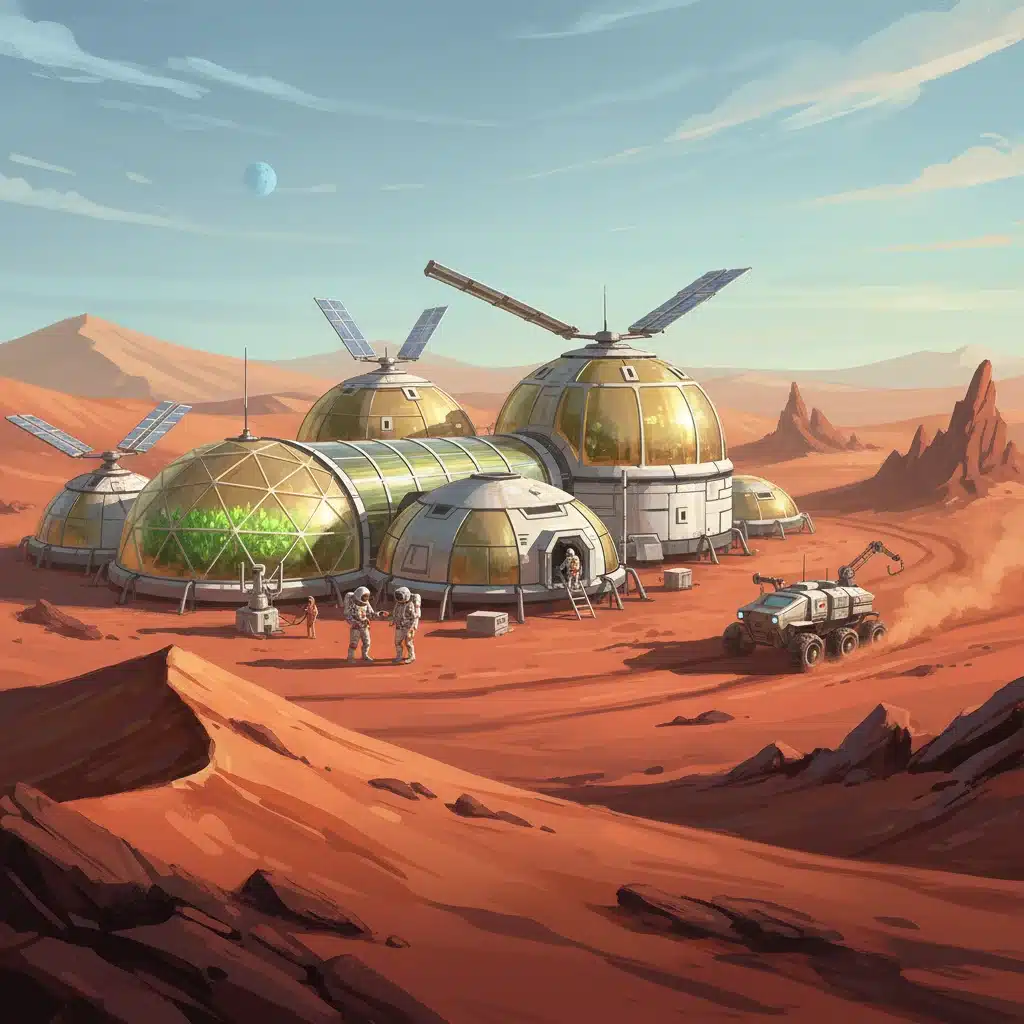
Furthermore, plans for lunar surface infrastructure, such as habitats, power systems, and resource utilization technologies (like extracting water ice for fuel and life support), will be maturing. These developments are crucial for making long-duration stays on the Moon feasible and for supporting future deep-space missions.
Budget Allocations for US Space Exploration 2026
Funding is the lifeblood of any ambitious space program, and the US government’s commitment to space exploration is reflected in its budget. While precise figures for the 2026 fiscal year are subject to congressional approval, trends and proposed allocations offer a clear picture of priorities. Historically, NASA’s budget represents a significant portion of federal research and development spending, underscoring the nation’s dedication to scientific advancement and technological leadership.
Key Budgetary Focus Areas
- Human Spaceflight (Artemis Program): This remains the largest component, covering the development and operations of SLS, Orion, the Human Landing System (HLS), and the Lunar Gateway. Significant investments will continue in advanced spacesuits, lunar surface systems, and crew training.
- Space Science: This includes funding for robotic missions to other planets (Mars Sample Return, Europa Clipper), space telescopes (James Webb Space Telescope operations, future observatories), and Earth science missions that monitor our planet’s climate and environment.
- Aeronautics Research: While not directly space exploration, advancements in aeronautics often have spillover benefits for space technologies, such as hypersonic flight and sustainable aviation.
- Space Technology: This category funds the development of cutting-edge technologies like advanced propulsion systems (e.g., nuclear thermal propulsion), in-situ resource utilization (ISRU), and sophisticated robotics necessary for future missions.
- Commercial Partnerships: A growing portion of the budget is allocated to fostering commercial space capabilities. This includes contracts with private companies for cargo and crew transport to the International Space Station (ISS), lunar landers, and other services, aiming to reduce costs and stimulate innovation.
Impact of Budget on Programs
The allocated budget for US Space Exploration 2026 will directly influence the pace and scope of ongoing projects. A robust budget ensures continuous progress on critical hardware development, scientific instrument fabrication, and mission operations. Conversely, budget constraints can lead to delays, scaling back of ambitions, or even cancellation of less prioritized projects. The importance of stable, long-term funding cannot be overstated for programs that span decades and require sustained effort.
Beyond the Moon: Mars and Deep Space Missions
While the Moon is the immediate focus of human exploration, Mars remains the ultimate destination for human deep-space missions. US Space Exploration 2026 will see significant advancements in preparing for this monumental leap.
Mars Sample Return Mission
A cornerstone of robotic Mars exploration is the Mars Sample Return (MSR) campaign, a joint effort between NASA and the European Space Agency (ESA). By 2026, components of this complex mission, which aims to bring Martian rock and soil samples back to Earth for detailed analysis, will be in various stages of development and launch preparation. The MSR mission is crucial for understanding the geological history of Mars, the potential for past or present life, and for informing future human missions.
Developing Mars Human Landing Capabilities
Parallel to the robotic missions, significant research and development will be ongoing in 2026 to address the immense challenges of sending humans to Mars. This includes:
- Advanced Propulsion: Technologies such as nuclear thermal propulsion (NTP) are being explored to dramatically reduce transit times to Mars, minimizing astronaut exposure to radiation and reducing the need for massive amounts of propellant.
- Life Support Systems: Closed-loop life support systems that can recycle air, water, and waste with high efficiency are essential for long-duration missions far from Earth.
- Radiation Shielding: Developing effective shielding against cosmic radiation and solar particle events is paramount for protecting astronaut health during multi-year missions.
- Entry, Descent, and Landing (EDL): Landing heavy payloads, including habitats and human crews, on Mars requires innovative EDL technologies that can handle the planet’s thin atmosphere.
- In-Situ Resource Utilization (ISRU): The ability to ‘live off the land’ on Mars, by producing oxygen from the Martian atmosphere or extracting water ice, is critical for sustainability and reducing the mass that needs to be launched from Earth.
These technological advancements, while focused on Mars, also have direct applications for sustained lunar operations, highlighting the interconnectedness of different facets of US Space Exploration 2026.
Space Science Missions: Unveiling Cosmic Wonders
Beyond human exploration, robotic space science missions continue to push the boundaries of our understanding of the universe. In 2026, several key missions will be operational or in advanced development, providing breathtaking insights into distant galaxies, exoplanets, and the fundamental laws of physics.
James Webb Space Telescope (JWST)
By 2026, the JWST will have been operational for several years, delivering unprecedented images and spectroscopic data of the early universe, star formation regions, and exoplanet atmospheres. Its observations will continue to revolutionize astrophysics and cosmology, providing crucial data for understanding the origins and evolution of galaxies, stars, and planetary systems.
Europa Clipper
The Europa Clipper mission, designed to conduct detailed reconnaissance of Jupiter’s moon Europa and investigate whether it harbors conditions suitable for life, is expected to be well on its way to the Jovian system by 2026, if not already performing early observations. Its instruments will search for subsurface oceans, analyze the moon’s composition, and look for plumes erupting from its surface.
New Frontiers and Discovery Programs
NASA’s New Frontiers and Discovery programs regularly select new missions to explore various solar system bodies. In 2026, we can anticipate ongoing development for missions selected in recent cycles, potentially including probes to Venus, Saturn’s moons, or other asteroids and comets. These missions provide targeted science investigations that complement the larger flagship missions.
Earth Science Missions
A significant portion of space science is dedicated to understanding our home planet. In 2026, a suite of Earth-observing satellites will continue to monitor climate change, weather patterns, natural disasters, and key environmental indicators. These missions are vital for informing policy decisions and protecting our planet.
Commercial Space and International Partnerships
The landscape of US Space Exploration 2026 is increasingly characterized by strong partnerships with the commercial sector and international allies. This collaborative approach enhances capabilities, shares costs, and fosters a global commitment to space exploration.
The Rise of Commercial Space
Private companies are playing an ever-larger role in space, moving beyond just launch services to developing their own spacecraft, habitats, and even lunar landers. NASA’s Commercial Lunar Payload Services (CLPS) initiative, for example, contracts with private companies to deliver scientific instruments and technology demonstrations to the lunar surface. By 2026, several CLPS missions are expected to have launched or landed, demonstrating the viability of commercial lunar access.
Furthermore, commercial space stations are being developed to potentially succeed the International Space Station (ISS) in the coming years. In 2026, we might see significant progress in the construction or operational readiness of these private orbital platforms, which could host both government and private astronauts for research, manufacturing, and even space tourism.
International Collaboration
International partnerships remain a cornerstone of US space policy. The Artemis Accords, a series of bilateral agreements between the US and other nations, establish a common vision for safe and sustainable space exploration. These accords promote peaceful exploration, transparency, and interoperability. By 2026, more nations are expected to have signed on, strengthening the framework for collaborative lunar and Martian missions.
Partnerships with ESA, Japan Aerospace Exploration Agency (JAXA), Canadian Space Agency (CSA), and others are crucial for programs like the Lunar Gateway and Mars Sample Return, where shared expertise and resources are leveraged to achieve complex scientific and exploration goals.
Challenges and Opportunities for US Space Exploration 2026
Despite the ambitious plans and significant investments, US Space Exploration 2026 is not without its challenges. However, these challenges often present opportunities for innovation and growth.
Technological Hurdles
Developing cutting-edge technologies like advanced propulsion, closed-loop life support, and extreme environment robotics is inherently difficult and time-consuming. Ensuring these systems are reliable and safe for human missions requires rigorous testing and validation.
Budgetary Pressures and Political Will
Space programs are expensive, and sustained funding requires consistent political support. Changes in administration or economic downturns can impact long-term planning and project timelines. Maintaining public and political enthusiasm for space exploration is crucial.
Space Debris
The increasing amount of space debris in Earth orbit poses a growing threat to active satellites and crewed missions. Developing effective strategies for tracking, mitigating, and removing space debris will be an ongoing challenge and a critical area of focus for maintaining orbital safety.
Radiation Exposure
Protecting astronauts from the harmful effects of space radiation, especially during long-duration missions beyond Earth’s protective magnetosphere, remains a significant challenge. Research into advanced shielding materials and pharmacological countermeasures is vital.
Opportunities for Innovation
These challenges, however, spur innovation. The need for efficient resource utilization on the Moon and Mars drives advancements in manufacturing, recycling, and energy production. The demand for robust communication systems in deep space pushes the boundaries of data transmission and networking. The pursuit of life beyond Earth inspires new scientific instruments and analytical techniques.
The Future Impact of US Space Exploration 2026
The efforts undertaken in US Space Exploration 2026 will have far-reaching impacts, extending beyond the realm of scientific discovery and technological advancement.
Economic Growth and Job Creation
The space industry is a significant economic driver, creating high-tech jobs in engineering, manufacturing, research, and operations. Investments in space exploration stimulate innovation across various sectors, leading to new products, services, and industries on Earth.
Inspiration and Education
The allure of space exploration continues to inspire generations, encouraging students to pursue careers in STEM fields. Iconic missions and human endeavors in space ignite curiosity and foster a sense of wonder about our place in the universe, driving educational initiatives and public engagement.
International Prestige and Collaboration
Leading in space exploration enhances a nation’s international standing and fosters diplomatic ties through collaborative projects. The peaceful exploration of space serves as a powerful symbol of human unity and shared aspirations.
Advancing Human Knowledge
Ultimately, the core purpose of space exploration is to expand our understanding of the universe, our solar system, and our own planet. From searching for extraterrestrial life to understanding the fundamental forces that govern the cosmos, the scientific returns from space missions are invaluable.
Conclusion: A New Era of Discovery
The year 2026 stands as a testament to humanity’s enduring drive to explore. The US government, through NASA and its partners, is embarking on an ambitious journey that promises to redefine our relationship with space. The initiatives outlined, from the sustained return to the Moon through the Artemis program to the foundational steps toward human missions to Mars, represent a profound commitment to discovery.
With significant budget allocations supporting cutting-edge research, commercial partnerships fostering rapid innovation, and international collaborations strengthening global efforts, the future of US Space Exploration 2026 is bright and filled with potential. The challenges are formidable, but the opportunities for scientific breakthroughs, technological advancements, economic growth, and global inspiration are even greater. As we look to 2026 and beyond, we can anticipate a new era of cosmic exploration that will undoubtedly shape the course of human history for generations to come, pushing the boundaries of what we believe is possible and bringing us closer to understanding our place in the vast, wondrous universe.