Green AI Solutions: US Companies Target 30% Carbon Reduction by 2027
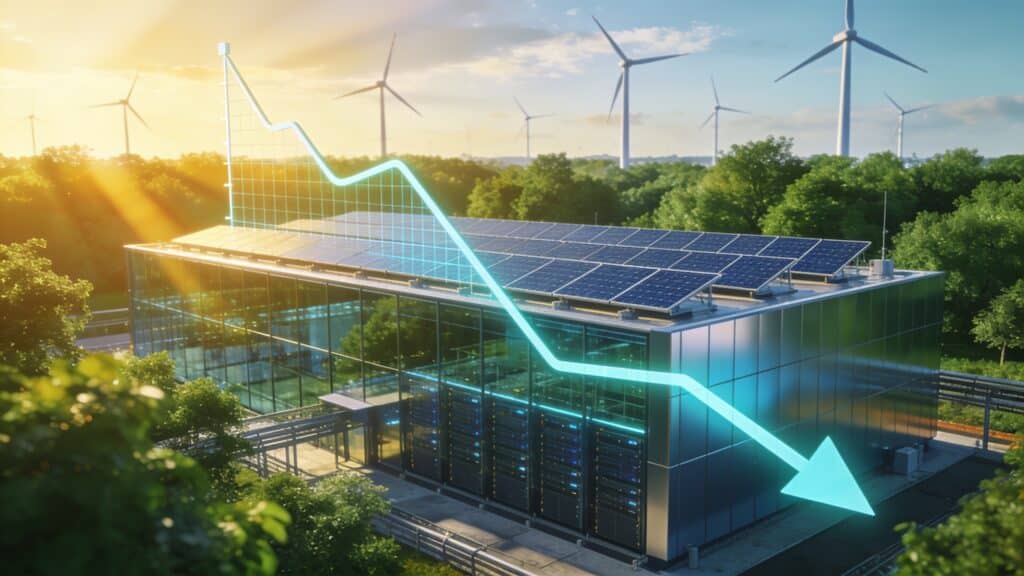
In an era defined by urgent environmental challenges, the convergence of artificial intelligence (AI) and sustainability has emerged as a beacon of hope. US companies are at the forefront of this transformative movement, setting ambitious goals to leverage advanced green AI solutions to achieve a remarkable 30% reduction in their carbon footprints by 2027. This isn’t just an aspiration; it’s a strategic imperative, driven by growing consumer demand for ethical practices, stringent regulatory pressures, and the undeniable economic benefits of efficiency and resource optimization. The journey towards a greener future is intricately linked with technological innovation, and AI is proving to be an indispensable ally in this quest.
The commitment to reduce carbon emissions by a third within the next few years represents a significant leap forward. It signifies a profound shift in corporate mindset, moving beyond mere compliance to proactive environmental leadership. This article will delve into the multifaceted ways green AI solutions are being deployed across various sectors, from optimizing energy grids to revolutionizing manufacturing processes and enhancing supply chain efficiency. We will explore the technologies, strategies, and collaborative efforts that are making this ambitious target not just achievable, but a cornerstone of sustainable business growth.
Understanding the Imperative: Why Green AI Solutions Now?
The urgency to address climate change has never been greater. Scientific consensus points to a critical need for drastic reductions in global greenhouse gas emissions to avert the most catastrophic impacts. For businesses, this translates into both risk and opportunity. Companies that fail to adapt face reputational damage, increased operational costs due to resource scarcity, and potential legal ramifications. Conversely, those that embrace sustainability, particularly through innovative approaches like green AI solutions, stand to gain a competitive edge. They can attract environmentally conscious customers, secure investment from ESG-focused funds, and foster a more resilient and efficient operational model.
The 2027 target for a 30% carbon reduction is not arbitrary. It aligns with global climate goals and reflects an escalating pressure from stakeholders – including investors, employees, and the public – for concrete, measurable action. AI offers a unique toolkit for meeting these demands, providing capabilities that traditional methods simply cannot. Its ability to process vast datasets, identify complex patterns, and make predictive analyses allows for unprecedented levels of optimization and efficiency, directly translating into reduced energy consumption and lower emissions. This makes green AI solutions not just an option, but a necessity for forward-thinking enterprises.
The Core Pillars of Green AI Solutions for Carbon Reduction
Achieving a 30% carbon reduction requires a multi-pronged approach, with AI playing a pivotal role in several key areas. These pillars represent the foundational strategies US companies are implementing to integrate sustainability into their core operations.
1. Energy Efficiency and Smart Grid Optimization
One of the most direct ways AI contributes to carbon reduction is by revolutionizing energy management. Traditional energy systems often suffer from inefficiencies, leading to significant waste. Green AI solutions are transforming this landscape by enabling smarter grids and more efficient energy consumption within facilities.
- Predictive Maintenance for Energy Infrastructure: AI algorithms can analyze sensor data from power plants, transmission lines, and distribution networks to predict equipment failures before they occur. This reduces downtime, prevents energy losses, and ensures a more stable and efficient supply.
- Demand-Side Management: AI-powered systems can forecast energy demand with high accuracy, allowing utilities and consumers to adjust consumption patterns. This helps balance the grid, reduce reliance on peak power plants (often fossil fuel-based), and integrate more renewable energy sources.
- Renewable Energy Integration: Intermittent sources like solar and wind power pose challenges for grid stability. AI can predict weather patterns and renewable energy output, optimizing their integration into the grid and minimizing the need for backup fossil fuel generation.
- Smart Building Management: AI-driven HVAC (heating, ventilation, and air conditioning) and lighting systems learn usage patterns, occupancy rates, and external weather conditions to automatically adjust settings, drastically reducing energy waste in commercial and industrial buildings.
Companies like Google, for instance, have famously used AI to reduce the energy consumption of their data centers by optimizing cooling systems, demonstrating the tangible impact of these technologies on a massive scale. This exemplifies how green AI solutions are not just theoretical but are delivering real-world, measurable benefits.
2. Optimized Manufacturing and Industrial Processes
The manufacturing sector is a significant contributor to global emissions. AI offers powerful tools to streamline production, reduce waste, and improve resource utilization, directly impacting carbon footprints.
- Process Optimization: AI algorithms can analyze vast amounts of operational data from manufacturing lines to identify inefficiencies, predict equipment performance, and optimize parameters such as temperature, pressure, and raw material usage. This leads to reduced energy consumption per unit of output and less material waste.
- Waste Reduction and Circular Economy: AI can help identify opportunities for material recycling and reuse, moving towards a more circular economy. For example, AI-powered vision systems can sort waste more effectively, and predictive models can optimize material cuts to minimize scrap.
- Resource Management: From water usage to raw material sourcing, AI can monitor and optimize resource allocation throughout the manufacturing process, ensuring that every input is used as efficiently as possible.
The adoption of green AI solutions in manufacturing is not just about environmental responsibility; it’s about enhancing productivity and reducing operational costs, creating a win-win scenario for businesses and the planet.

3. Sustainable Supply Chain Management
Supply chains are notoriously complex and often carbon-intensive. AI is revolutionizing how goods are moved, stored, and delivered, leading to significant emission reductions.
- Route Optimization: AI can analyze traffic patterns, weather conditions, and delivery schedules to optimize logistics routes, minimizing fuel consumption and travel time for fleets. This is a crucial application of green AI solutions in the transportation sector.
- Inventory Management: Predictive AI models can forecast demand with greater accuracy, preventing overproduction and overstocking, which reduces waste, energy spent on storage, and unnecessary transportation.
- Supplier Selection and Monitoring: AI can assess the sustainability performance of suppliers, helping companies choose partners with lower environmental impacts and monitor their ongoing adherence to green practices.
- Warehouse Optimization: AI-powered robotics and automation in warehouses can optimize space utilization and movement of goods, leading to more efficient operations and reduced energy use.
Companies are increasingly recognizing that a sustainable supply chain is not just an ethical choice but a strategic advantage, bolstering resilience and reducing exposure to supply chain disruptions. Green AI solutions are the key to unlocking this potential.
Case Studies: US Companies Leading the Charge with Green AI Solutions
While the 2027 target is ambitious, many US companies are already demonstrating the efficacy of green AI solutions in practice. Their successes provide a roadmap for others to follow.
- Microsoft’s AI for Earth: Microsoft has invested heavily in its AI for Earth program, providing grants and resources to organizations using AI to tackle environmental challenges. Internally, they use AI to optimize data center energy consumption and reduce their own operational carbon footprint.
- Amazon’s Shipment Zero: Amazon aims for net-zero carbon shipping by 2040, and AI is central to this effort. Their algorithms optimize delivery routes, warehouse logistics, and packaging to minimize emissions across their vast global network.
- General Electric (GE) and Renewable Energy: GE is using AI to improve the efficiency and reliability of wind turbines, predicting maintenance needs and optimizing blade angles for maximum energy capture, thereby enhancing the output of renewable energy sources.
- IBM’s Environmental Intelligence Suite: IBM leverages AI and weather data to help businesses predict and prepare for climate-related disruptions, optimize operations for sustainability, and track environmental performance.
These examples highlight the diverse applications and significant potential of green AI solutions across different industries, demonstrating that substantial carbon reductions are not just possible, but already underway.
Challenges and Opportunities in Scaling Green AI Solutions
Despite the immense potential, the widespread adoption and scaling of green AI solutions are not without challenges. Addressing these hurdles will be crucial for US companies to meet their 2027 carbon reduction goals.
Challenges:
- Data Availability and Quality: Effective AI models require vast amounts of high-quality data. Many organizations struggle with data silos, inconsistent data formats, and a lack of instrumentation to collect relevant environmental data.
- AI’s Own Carbon Footprint: Training large AI models can be energy-intensive, raising concerns about AI’s own environmental impact. Developing ‘green AI’ that is efficient in its computational demands is an evolving area of research.
- Integration Complexity: Implementing AI solutions often requires significant integration with existing legacy systems, which can be complex, time-consuming, and costly.
- Skill Gap: There is a shortage of professionals with expertise in both AI and sustainability, making it challenging for companies to develop and deploy these specialized solutions.
- Regulatory Frameworks and Standardization: The lack of consistent global and national standards for measuring and reporting AI’s environmental impact, as well as for green AI certifications, can hinder widespread adoption.
Opportunities:
- Investment in Green Tech: Growing investor interest in ESG (Environmental, Social, and Governance) factors is driving significant capital towards sustainable technologies, including green AI solutions.
- Policy Support and Incentives: Government policies and incentives aimed at promoting sustainability and digital transformation can accelerate the adoption of AI for carbon reduction.
- Open-Source AI and Collaboration: The open-source AI community is increasingly focusing on environmental applications, fostering collaboration and accelerating the development of accessible green AI tools.
- Edge AI and Energy-Efficient Computing: Advances in edge computing and specialized AI hardware are making AI more energy-efficient, reducing the computational footprint of AI itself.
Navigating these challenges while capitalizing on opportunities will define the success of US companies in achieving their ambitious carbon reduction targets. The path forward requires continuous innovation, strategic investment, and collaborative efforts across industries and with policymakers.
The Future of Sustainable Tech: Beyond 2027 with Green AI Solutions
While 2027 marks a significant milestone, the journey towards true sustainability is ongoing. The advancements in green AI solutions will continue to evolve, promising even more profound impacts on environmental stewardship in the years to come.
- Autonomous Systems for Environmental Monitoring: AI-powered drones and sensors will provide real-time, comprehensive monitoring of ecosystems, pollution levels, and biodiversity, enabling faster and more effective environmental interventions.
- Climate Modeling and Adaptation: Advanced AI models will enhance our ability to predict climate change impacts with greater accuracy, helping communities and businesses develop more effective adaptation strategies.
- Material Innovation: AI will accelerate the discovery and development of new sustainable materials, from biodegradable plastics to more efficient battery technologies, reducing reliance on finite and carbon-intensive resources.
- Personalized Sustainability: AI will empower individuals with personalized insights and tools to reduce their own carbon footprint, from optimizing home energy use to making more sustainable consumption choices.
- Carbon Capture and Utilization: AI can optimize the efficiency of carbon capture technologies and explore novel ways to utilize captured carbon, turning waste into valuable resources.
The synergistic relationship between AI and sustainability is set to redefine industrial practices, consumer behavior, and environmental policy. As green AI solutions become more sophisticated and widely adopted, they will not only help US companies meet their 30% carbon reduction goal by 2027 but also lay the groundwork for a truly regenerative and sustainable global economy.
Conclusion: A Greener Horizon Powered by AI
The commitment of US companies to reduce carbon footprints by 30% with green AI solutions by 2027 is a testament to the transformative power of technology in addressing humanity’s most pressing challenges. This ambitious goal is not merely a corporate aspiration but a critical step towards a more sustainable and resilient future. By leveraging AI for energy efficiency, optimized manufacturing, and sustainable supply chains, businesses are demonstrating that economic growth and environmental stewardship can, and indeed must, go hand-in-hand.
The journey ahead will undoubtedly present its share of complexities, from data integration to the ethical considerations of AI’s own environmental impact. However, the rapidly evolving landscape of AI innovation, coupled with increasing investment and policy support, suggests that these challenges are surmountable. The pioneering efforts of leading US companies are paving the way, proving that intelligent, data-driven approaches are the most effective means to achieve significant, measurable reductions in carbon emissions.
As we move towards 2027 and beyond, the integration of green AI solutions will not only help meet immediate carbon reduction targets but will also foster a culture of continuous innovation and environmental responsibility. The future is one where technology serves as a powerful catalyst for planetary health, creating a greener, more efficient, and more sustainable world for generations to come. The era of green AI is here, and its promise for a sustainable future is brighter than ever.