2026 Environmental Justice: Reshaping Vulnerable Communities Nationally
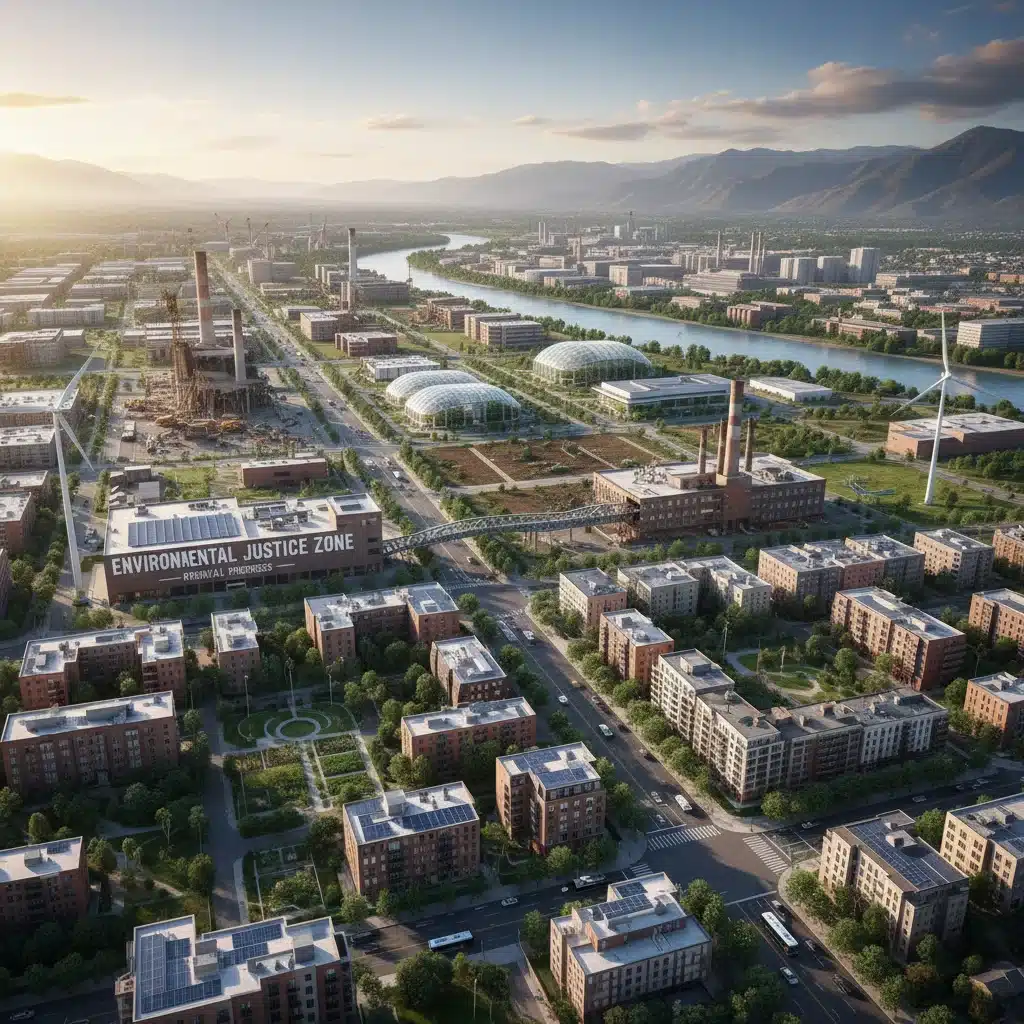
Understanding the 2026 Impact: How Recent Environmental Justice Initiatives Are Reshaping Vulnerable Communities Nationally
The year 2026 marks a pivotal moment in the ongoing struggle for environmental equity. As new policies and initiatives take firmer root, the landscape of environmental justice is undergoing a significant transformation, particularly for communities that have historically borne the brunt of pollution and environmental degradation. This comprehensive article delves into the profound 2026 environmental justice impact, exploring how these recent initiatives are actively reshaping vulnerable communities nationally, fostering a future where environmental health and equity are not just ideals, but tangible realities.
For decades, marginalized communities, often low-income and communities of color, have been disproportionately exposed to environmental hazards. From industrial pollution to inadequate infrastructure, the challenges have been systemic and pervasive. However, with the advent of robust environmental justice frameworks, a new era is dawning. The focus is shifting from merely acknowledging these disparities to actively implementing solutions that address root causes and promote equitable outcomes. The 2026 environmental justice landscape is characterized by a concerted effort across governmental bodies, non-profits, and grassroots organizations to rectify historical injustices and build resilient, healthy communities.
The Genesis of Change: Key Environmental Justice Initiatives Leading to 2026
The journey to the current 2026 environmental justice paradigm is built upon years of advocacy, groundbreaking research, and progressive policy development. Several key initiatives have laid the groundwork for the transformative changes we are now witnessing. Understanding these foundational elements is crucial to appreciating the depth and breadth of the current impact.
Federal Commitments and Executive Orders
A significant driver of the current momentum has been a series of federal commitments and executive orders prioritizing environmental justice. These directives have mandated federal agencies to identify and address disproportionate environmental and public health impacts on underserved communities. They have also emphasized community engagement, ensuring that the voices of those most affected are central to decision-making processes. These federal mandates have created a powerful ripple effect, influencing state and local governments to adopt similar proactive approaches. The integration of environmental justice into the core missions of federal agencies represents a paradigm shift, moving beyond mere compliance to a proactive pursuit of equity. This foundational shift is a key reason why the 2026 environmental justice initiatives are having such a widespread and tangible effect.
Increased Funding and Resource Allocation
Crucially, the commitment to environmental justice has been backed by substantial increases in funding and resource allocation. Government programs, grants, and private sector investments are now specifically earmarking funds for projects that directly benefit vulnerable communities. This includes investments in clean energy infrastructure, lead pipe replacement programs, hazardous waste site remediation, and the development of green spaces. The availability of dedicated resources is enabling communities to implement long-awaited projects that improve air and water quality, reduce exposure to toxins, and enhance overall public health. This financial injection is a critical enabler for the advancements seen in 2026 environmental justice efforts.
Community-Led Solutions and Empowerment
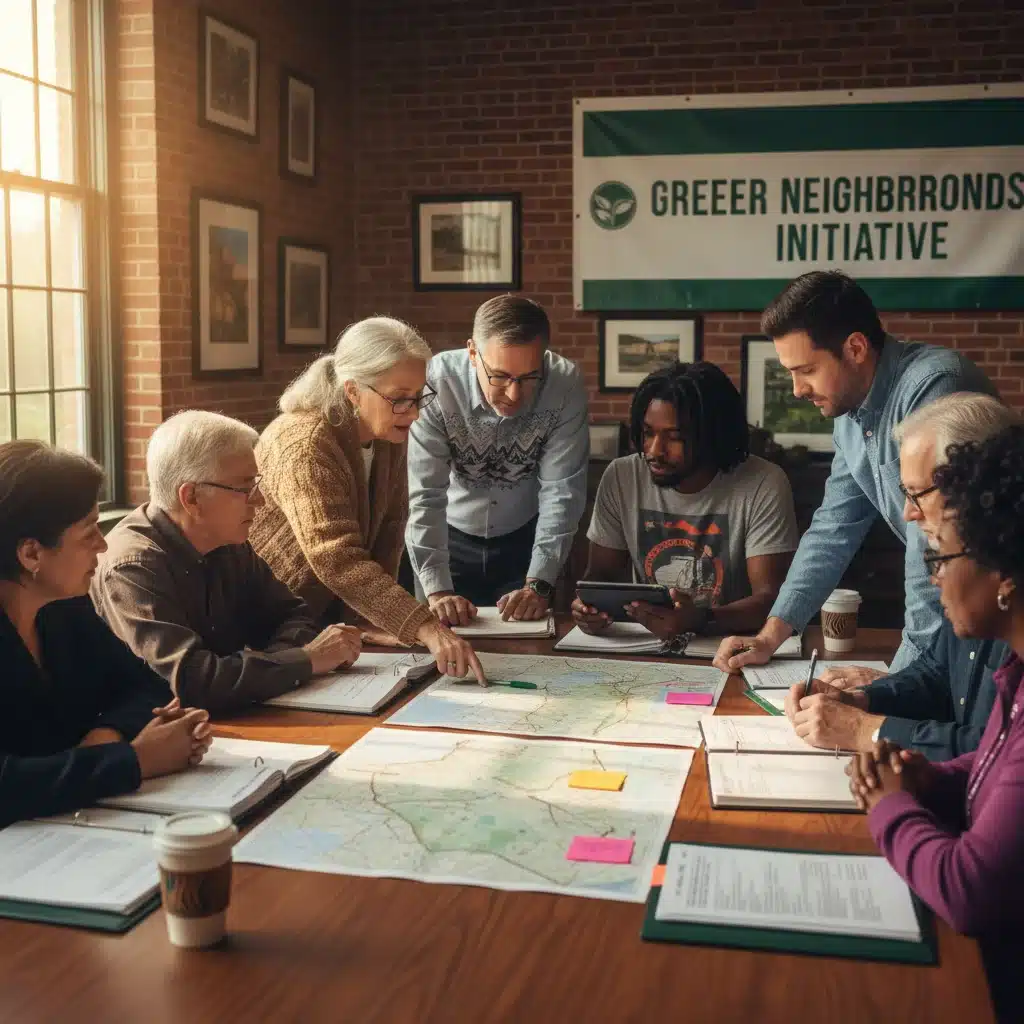
Perhaps one of the most impactful shifts is the emphasis on community-led solutions and empowerment. Environmental justice is not just about top-down mandates; it’s about empowering local communities to identify their unique environmental challenges and co-create sustainable solutions. This approach recognizes the invaluable local knowledge and lived experiences of residents. Capacity-building initiatives, technical assistance, and direct funding to grassroots organizations are fostering a new generation of community leaders equipped to advocate for and implement environmental improvements. The strength of the 2026 environmental justice movement lies in its deep roots within the communities it serves.
The 2026 Environmental Justice Impact: Tangible Changes in Vulnerable Communities
As we navigate through 2026, the tangible impacts of these initiatives are becoming increasingly evident across the nation. Vulnerable communities are experiencing a range of positive transformations, from improved public health outcomes to enhanced economic opportunities and greater civic participation.
Improved Public Health Outcomes
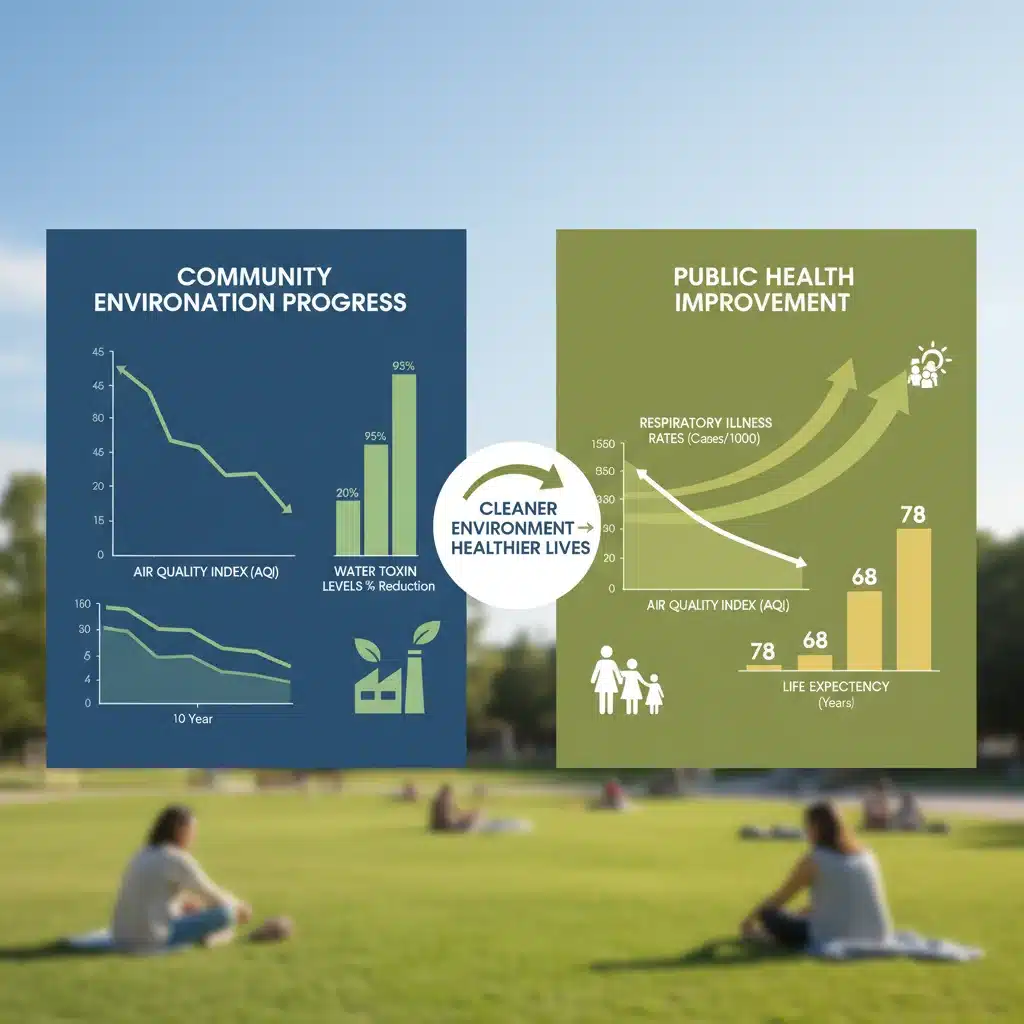
One of the most significant impacts of 2026 environmental justice initiatives is the improvement in public health outcomes. By reducing exposure to pollutants, communities are seeing a decrease in respiratory illnesses, cardiovascular diseases, and other health issues directly linked to environmental hazards. Programs focused on air quality monitoring and reduction of industrial emissions are leading to cleaner air. Similarly, investments in safe drinking water infrastructure are eliminating contaminants, ensuring access to clean and potable water for all residents. These health improvements are not just statistical; they translate into a better quality of life, fewer hospital visits, and increased longevity for community members. The focus on preventive health through environmental remediation is a cornerstone of the 2026 environmental justice agenda.
Economic Revitalization and Green Job Creation
Environmental justice initiatives are also serving as catalysts for economic revitalization in underserved areas. Projects related to renewable energy, energy efficiency retrofits, and sustainable infrastructure development are creating new green jobs. These jobs often provide training and employment opportunities for local residents, fostering economic self-sufficiency and reducing unemployment rates. Furthermore, the remediation of contaminated sites opens up land for new development, attracting businesses and stimulating local economies. The long-term economic benefits associated with a cleaner environment, such as increased property values and tourism, are also beginning to materialize. This economic uplift is a powerful component of the 2026 environmental justice transformation.
Enhanced Access to Green Spaces and Nature
Historically, vulnerable communities have often lacked access to parks, greenways, and other natural spaces, contributing to disparities in physical and mental health. 2026 environmental justice initiatives are actively addressing this by funding the creation and revitalization of green spaces within these communities. These projects not only provide recreational opportunities but also help mitigate urban heat island effects, improve air quality, and enhance biodiversity. Access to nature has been shown to reduce stress, improve cognitive function, and foster a sense of community belonging. The intentional integration of green infrastructure is transforming urban landscapes and providing essential ecological services. This commitment to green infrastructure is a visible sign of the progress in 2026 environmental justice efforts.
Strengthening Community Resilience and Self-Determination
Beyond the tangible environmental improvements, a critical aspect of the 2026 environmental justice impact is the strengthening of community resilience and self-determination. By empowering residents to participate in decision-making and lead environmental projects, these initiatives are building social capital and fostering a sense of ownership. Communities are becoming more adept at advocating for their needs, holding polluters accountable, and developing long-term strategies for environmental protection. This increased civic engagement and capacity for self-governance are vital for ensuring the sustainability of environmental justice gains well into the future. The emphasis on local agency is what makes the 2026 environmental justice movement so enduring.
Policy Frameworks and Legal Tools Driving 2026 Environmental Justice
The success of the 2026 environmental justice movement is deeply intertwined with robust policy frameworks and innovative legal tools. These mechanisms provide the necessary structure and enforcement power to translate aspirations into actionable change.
Integrated Permitting and Regulatory Reforms
A key development has been the integration of environmental justice considerations into permitting and regulatory processes. This means that new industrial facilities or expansions in vulnerable communities are subject to more stringent environmental reviews, often requiring cumulative impact assessments. These assessments consider the combined effects of multiple sources of pollution, rather than evaluating each source in isolation, which has historically allowed communities to be overburdened. Regulatory reforms are also strengthening enforcement against polluters and ensuring that penalties are reinvested into affected communities. These reforms are crucial for preventing future injustices and are a cornerstone of effective 2026 environmental justice implementation.
Data Collection and Mapping for Equity
Accurate data collection and advanced mapping technologies are playing a pivotal role in identifying environmental justice communities and prioritizing interventions. Tools that overlay demographic data with environmental hazard data allow policymakers to pinpoint areas of greatest need and allocate resources more effectively. This data-driven approach ensures that initiatives are targeted and impactful, maximizing their effectiveness. Transparency in data also empowers communities with the information they need to advocate for themselves. The sophistication of data analysis underpins many of the achievements in 2026 environmental justice.
Legal Precedents and Litigation
The legal landscape surrounding environmental justice is also evolving rapidly. New legal precedents are being set through landmark cases that challenge discriminatory environmental practices and hold corporations and governmental entities accountable. Litigation plays a crucial role in securing justice for communities that have suffered harm and in compelling systemic changes. The increasing body of environmental justice law provides a strong foundation for future advocacy and enforcement, reinforcing the legal backing for 2026 environmental justice efforts.
Challenges and Future Directions for 2026 Environmental Justice
While significant progress has been made, the journey towards full environmental equity is ongoing. The 2026 environmental justice landscape, while promising, still faces considerable challenges that require sustained effort and innovation.
Addressing Legacy Pollution
One of the most persistent challenges is addressing legacy pollution – the lingering contamination from historical industrial activities that continue to impact communities. Remediating these sites is often complex, costly, and time-consuming. Sustained funding, advanced remediation technologies, and robust community engagement are essential to tackle these deeply entrenched problems. The commitment to cleaning up these historical burdens remains a critical part of the 2026 environmental justice agenda.
Ensuring Equitable Distribution of Benefits
As environmental improvements take hold, there is a risk of gentrification and displacement, where the very communities that fought for a healthier environment are priced out of their homes. Ensuring that the benefits of environmental justice initiatives are equitably distributed and that long-term residents are able to stay and thrive in their revitalized communities is a critical challenge. Policies such as affordable housing initiatives and anti-displacement measures must be integrated into environmental justice strategies. This is a crucial consideration for the continued success of 2026 environmental justice.
Climate Change and Vulnerability
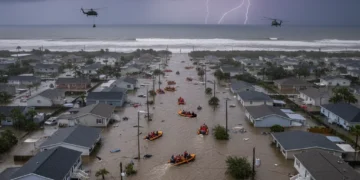
Climate change poses a unique and escalating threat to vulnerable communities, exacerbating existing environmental injustices. These communities are often on the front lines of climate impacts, from extreme weather events to rising sea levels. Integrating climate resilience and adaptation strategies into environmental justice frameworks is paramount. This includes investing in climate-resilient infrastructure, early warning systems, and community-led adaptation planning. The intersection of climate change and environmental justice will remain a central focus beyond 2026 environmental justice efforts.
Sustaining Political Will and Funding
The long-term success of environmental justice initiatives depends on sustained political will and consistent funding. Changes in political administrations or economic downturns could jeopardize progress. Advocates must continue to build broad-based coalitions, educate the public, and hold elected officials accountable to ensure that environmental justice remains a national priority. The momentum generated by 2026 environmental justice must be maintained through continuous advocacy and commitment.
Conclusion: A New Horizon for Environmental Justice in 2026 and Beyond
The year 2026 represents a significant milestone in the environmental justice movement. The recent initiatives have undeniably begun to reshape vulnerable communities nationally, moving them closer to a future where environmental equity is a fundamental right, not a distant dream. From improved public health and economic revitalization to enhanced community resilience and stronger legal protections, the impacts are profound and far-reaching.
While challenges persist, the foundation laid by current policies and the unwavering dedication of advocates and community members offer immense hope. The emphasis on community-led solutions, data-driven approaches, and integrated policy frameworks ensures that the progress witnessed in 2026 environmental justice is not fleeting but sustainable. As we look beyond 2026, the ongoing commitment to dismantling environmental injustices and building healthier, more equitable communities will continue to define the nation’s environmental agenda. The journey is long, but the current trajectory points towards a more just and sustainable future for all.