Climate Change 2026: Protecting Vulnerable US Communities
Understanding the 2026 Impact of Climate Change on Vulnerable US Communities: A 4-Point Plan
The year 2026, while seemingly just around the corner, represents a critical juncture for understanding and addressing the escalating impacts of climate change on vulnerable US communities. The scientific consensus is unequivocal: climate change is not a distant threat but a present reality, disproportionately affecting those least equipped to cope. From rising sea levels and extreme weather events to prolonged droughts and increased heatwaves, the challenges are mounting. This article delves into the specific threats faced by these communities and outlines a comprehensive 4-point plan to build resilience, foster adaptation, and ensure a more equitable future in the face of our changing climate.
The urgency of the situation cannot be overstated. We are witnessing a rapid acceleration of climate-related phenomena, and the window for effective intervention is narrowing. While global efforts to mitigate greenhouse gas emissions are crucial, it is equally vital to focus on adaptation strategies for communities already feeling the brunt of these changes. Our discussion will highlight why certain communities are more vulnerable, explore the multifaceted nature of climate impacts, and present actionable steps for safeguarding lives and livelihoods.
The Disproportionate Burden: Who Are Vulnerable US Communities?
When we talk about vulnerable US communities, we are referring to groups and regions that, due to various socio-economic, geographic, and historical factors, are more susceptible to the adverse effects of climate change. This vulnerability is not uniform; it’s a complex tapestry woven from systemic inequalities and environmental hazards. Understanding these dynamics is the first step toward effective intervention.
Socio-Economic Factors
Poverty is a primary driver of vulnerability. Low-income communities often reside in areas more prone to environmental hazards, such as floodplains or near industrial pollution sources. Their housing is frequently less resilient to extreme weather, and they have fewer financial resources to recover from disasters. Access to insurance, emergency funds, and relocation assistance is often limited, exacerbating their post-disaster struggles. Furthermore, these communities often lack the political power to advocate for protective infrastructure or policy changes, leaving them further marginalized.
Racial and ethnic minority communities are disproportionately affected. Decades of discriminatory practices, such as redlining, have concentrated these populations in neighborhoods with inadequate infrastructure, fewer green spaces, and higher exposure to environmental pollutants. These historical injustices mean that Black, Indigenous, and other communities of color often bear a heavier burden of climate change impacts, experiencing higher rates of chronic health conditions that are worsened by environmental degradation and extreme heat.
Geographic Exposure
Geography plays a critical role. Coastal communities, particularly those in the Gulf Coast and the Southeast, face increased risks from sea-level rise, storm surges, and more intense hurricanes. Inland communities in the Southwest and West are grappling with prolonged droughts, wildfires, and extreme heat. Agricultural regions are experiencing shifts in growing seasons and water scarcity, threatening food security and livelihoods. Urban areas, especially those with extensive impervious surfaces, are prone to urban heat island effects and flash flooding, impacting densely populated neighborhoods.
Rural communities, while often perceived as less dense, face unique challenges. They may have limited access to healthcare facilities, emergency services, and transportation, making evacuation and recovery more difficult. Indigenous communities, often located on ancestral lands that are directly threatened by environmental changes, also face the loss of cultural heritage and traditional ways of life alongside physical dangers.
Existing Health Disparities
Pre-existing health conditions, often more prevalent in vulnerable populations due to limited access to healthcare, poor nutrition, and environmental exposures, make individuals more susceptible to climate-related health impacts. Extreme heat can exacerbate cardiovascular and respiratory illnesses. Contaminated water supplies after floods can lead to infectious diseases. Mental health impacts, including anxiety, depression, and PTSD, are also significant, particularly for those who experience repeated displacement or loss.
Children, the elderly, and individuals with disabilities are particularly vulnerable. Children’s developing bodies are more sensitive to environmental toxins and heat stress. The elderly often have compromised immune systems and mobility issues, making them less able to evacuate or recover. Individuals with disabilities may face significant barriers to accessing emergency information, transportation, and shelters that meet their specific needs.
The 2026 Climate Outlook: Projected Impacts and Escalating Risks
Looking ahead to 2026, the scientific models project an intensification of current climate trends, presenting significant challenges for vulnerable US communities. This near-term future is not one of stability but of increasing volatility and heightened risk. Understanding these projections is crucial for proactive planning and intervention.
More Frequent and Intense Extreme Weather
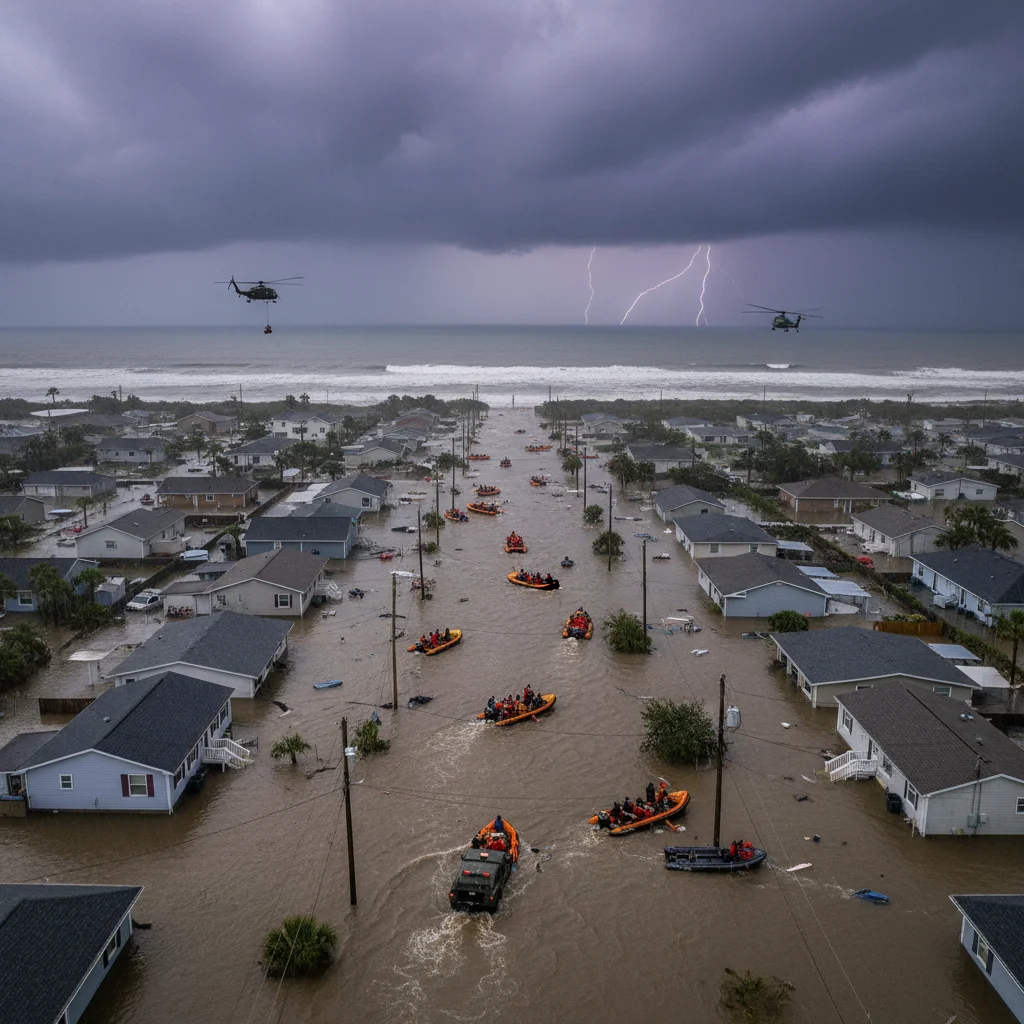
By 2026, we can expect a continued increase in the frequency and intensity of extreme weather events. This includes more powerful hurricanes and tropical storms, especially along the Atlantic and Gulf Coasts, bringing devastating storm surges and inland flooding. The Midwest and Northeast may experience more severe rainfall events, leading to flash floods in urban and rural areas alike. Heatwaves are projected to become longer, hotter, and more frequent, particularly in the Southern and Southwestern US, posing significant health risks to outdoor workers, the elderly, and those without access to air conditioning.
Accelerated Sea-Level Rise
Coastal communities will face accelerated rates of sea-level rise, leading to increased chronic flooding, saltwater intrusion into freshwater sources, and erosion of coastlines. This will threaten critical infrastructure, displace residents, and impact coastal ecosystems. Marshlands and barrier islands, natural buffers against storms, will continue to degrade, leaving communities even more exposed. The economic toll on coastal properties and industries will be substantial, forcing difficult decisions about managed retreat and extensive protection measures.
Worsening Droughts and Wildfires
The Western and Southwestern US are projected to experience persistent and deepening droughts, exacerbating water scarcity issues for agriculture, ecosystems, and urban populations. These dry conditions, combined with higher temperatures, will fuel more frequent, larger, and more destructive wildfires. Smoke from these fires will travel thousands of miles, impacting air quality and public health far beyond the immediate burn zones, particularly for individuals with respiratory conditions in vulnerable communities.
Impacts on Food and Water Security
Changes in precipitation patterns, increased temperatures, and extreme weather events will continue to disrupt agricultural productivity. Crop yields may decline, and livestock will face heat stress, leading to potential food price increases and food insecurity, especially for low-income populations. Water resources will become increasingly strained, leading to conflicts over access and quality. Contamination of water supplies due to floods and droughts will further jeopardize public health.
Infrastructure Strain and Economic Disruption
The projected climate impacts will place immense strain on existing infrastructure. Roads, bridges, power grids, and water treatment facilities are often not designed to withstand the intensity of future climate events. Repeated damage and disruptions will lead to significant economic losses, hinder recovery efforts, and disproportionately affect vulnerable communities who rely on these services and have fewer resources for repair or relocation. Small businesses, often the backbone of local economies, will be particularly vulnerable to these disruptions.
A 4-Point Plan for Climate Resilience in Vulnerable US Communities
Addressing the complex challenges posed by climate change requires a multi-faceted and integrated approach. Our 4-point plan focuses on proactive measures, equitable resource allocation, and community-driven solutions to build lasting resilience in vulnerable US communities.
Point 1: Enhanced Early Warning Systems and Disaster Preparedness
Effective preparedness is the first line of defense. Vulnerable communities often lack timely and accessible information, as well as robust evacuation and sheltering plans. This point emphasizes strengthening these fundamental components.
Invest in Hyper-Local Climate Monitoring
Current climate monitoring systems often provide regional data, which may not be granular enough for specific neighborhoods. Investment in hyper-local weather stations, flood sensors, and early warning systems can provide real-time, precise data. This allows for more accurate predictions of localized flooding, heat spikes, and wind events. This data must be integrated into community-level decision-making and communicated effectively.
Accessible and Culturally Competent Communication
Early warning messages must be disseminated through multiple channels (e.g., text alerts, radio, community leaders, social media) and in multiple languages to reach all residents, including those with limited English proficiency or without internet access. Communication strategies should be culturally competent, respecting local customs and trust networks. Partnering with community-based organizations (CBOs) is crucial for translating scientific information into actionable advice that resonates locally.
Community-Driven Evacuation and Shelter Planning
Evacuation routes and shelter locations must be planned with direct input from vulnerable residents, considering transportation barriers, accessibility needs for individuals with disabilities, and the locations of essential services. Shelters must be equipped to handle diverse needs, including medical requirements, pet accommodations, and cultural sensitivities. Regular drills and public awareness campaigns are essential to ensure everyone knows what to do when a disaster strikes.
Pre-Disaster Resource Staging and Training
For communities frequently hit by disasters, pre-positioning essential supplies (food, water, medical kits, generators) can significantly reduce response times. Training local residents in first aid, search and rescue, and disaster relief operations empowers them to be immediate responders, fostering self-sufficiency and reducing reliance on external aid that may be delayed.
Point 2: Robust Green and Gray Infrastructure for Adaptation
Physical infrastructure plays a vital role in protecting communities from climate impacts. This point advocates for a blend of natural and engineered solutions tailored to specific local needs, with a focus on sustainability and equity.
Green Infrastructure Solutions
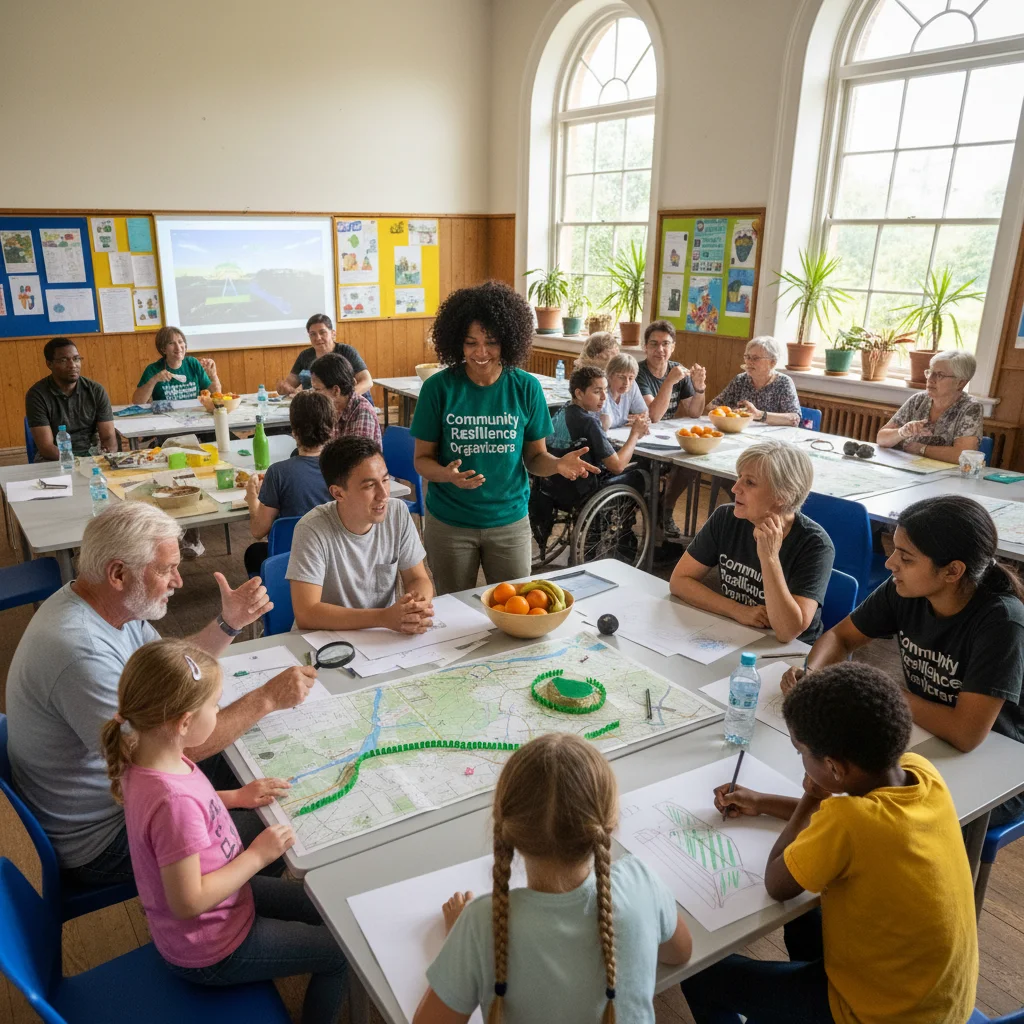
Promoting green infrastructure, such as permeable pavements, bioswales, rain gardens, and urban forests, can effectively manage stormwater runoff, reduce urban heat island effects, and improve air quality. Restoring wetlands, mangroves, and oyster reefs along coastlines provides natural buffers against storm surges and erosion, while also enhancing biodiversity. These solutions often offer co-benefits, like creating recreational spaces and increasing property values.
Climate-Resilient Gray Infrastructure Upgrades
Existing gray infrastructure (roads, bridges, levees, seawalls, wastewater treatment plants) must be upgraded to withstand projected climate impacts. This includes elevating structures in flood-prone areas, reinforcing coastal defenses, and hardening power grids against extreme weather. Investing in resilient building codes and offering incentives for homeowners to adopt them can also significantly reduce damage and accelerate recovery. This also involves ensuring that these upgrades do not inadvertently displace vulnerable populations.
Water Management and Conservation
For drought-prone regions, investing in advanced water recycling, desalination (where appropriate and sustainable), and efficient irrigation technologies is crucial. Protecting and restoring natural watersheds, along with promoting water conservation practices among residents and industries, will be essential for long-term water security. Addressing aging water infrastructure to prevent leaks also plays a significant role.
Energy System Resilience and Transition
Developing decentralized and renewable energy systems (e.g., microgrids with solar and battery storage) can provide energy independence and resilience during power outages caused by extreme weather. Transitioning away from fossil fuels reduces overall emissions, but also lessens the exposure of vulnerable communities to pollution from power plants, often located near their neighborhoods.
Point 3: Economic Diversification and Livelihood Protection
Climate change threatens traditional livelihoods, particularly in agriculture, fishing, and tourism. Building economic resilience involves diversifying local economies and protecting existing jobs.
Support for Climate-Resilient Agriculture and Fisheries
Investing in climate-smart agricultural practices, such as drought-resistant crops, precision irrigation, and regenerative farming, can help farmers adapt. For fishing communities, sustainable aquaculture and marine conservation efforts can protect marine ecosystems and ensure long-term viability. Providing financial assistance and training for these transitions is critical.
Development of Green Economy Jobs
Creating job training programs for green industries, such as renewable energy installation, green infrastructure maintenance, and climate data analysis, can provide new economic opportunities for residents. These jobs not only contribute to climate solutions but also offer stable employment in sectors poised for growth.
Access to Capital and Insurance
Vulnerable communities often struggle to access affordable insurance and post-disaster financial aid. Policies must be developed to ensure equitable access to flood and hazard insurance, potentially through subsidized programs. Establishing community-managed disaster relief funds and micro-loan programs can provide vital capital for recovery and rebuilding efforts for small businesses and homeowners.
Community-Based Economic Development
Supporting local businesses and fostering entrepreneurship within vulnerable communities can strengthen local economies and reduce reliance on external markets. This includes providing small business grants, technical assistance, and access to networks that promote local resilience and self-sufficiency.
Point 4: Policy Advocacy and Environmental Justice
At the heart of addressing climate change for vulnerable communities is the need for equitable policies and a commitment to environmental justice. This point focuses on systemic changes and empowering marginalized voices.
Equitable Funding and Resource Allocation
Federal, state, and local funding for climate adaptation and resilience must be specifically directed towards vulnerable communities. This requires transparent mechanisms to ensure that resources are not diverted to more politically powerful or affluent areas. Policies like the Justice40 Initiative, aiming to deliver 40% of the overall benefits of certain federal investments to disadvantaged communities, are crucial models.
Empowering Community Leadership and Participation
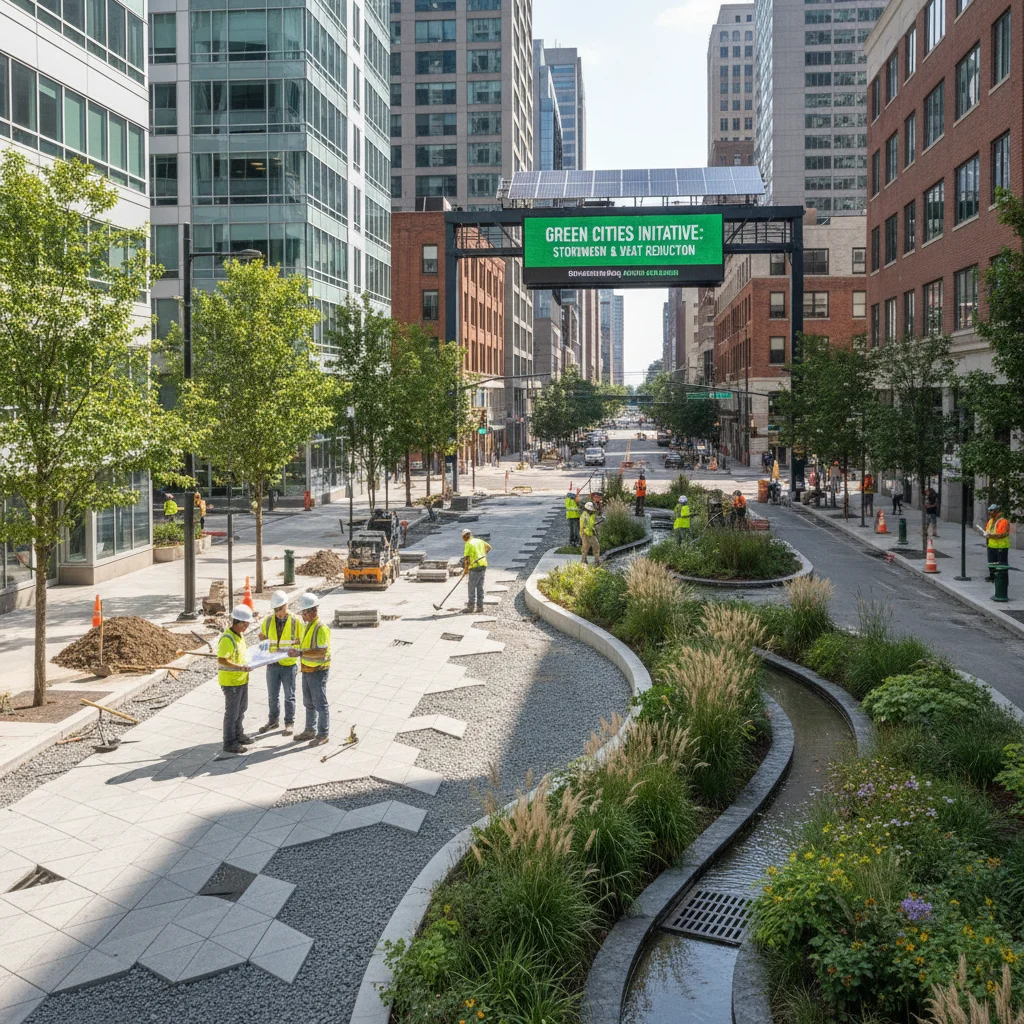
Vulnerable communities must be at the table when climate policies and projects are being designed and implemented. Their lived experiences provide invaluable insights into local needs and effective solutions. This requires creating formal mechanisms for community participation, providing resources for community organizing, and ensuring that decision-making processes are inclusive and accessible.
Legal Protections and Property Rights
As climate impacts intensify, issues of property rights, displacement, and managed retreat will become more pressing. Policies must be developed to protect vulnerable residents from unfair land grabs or forced relocation, ensuring that any resettlement is planned and executed with full community consent and adequate compensation. Legal aid services should be available to help communities navigate these complex issues.
Addressing Cumulative Impacts and Historical Injustice
Environmental justice demands that policies acknowledge and address the cumulative impacts of pollution and climate change on historically marginalized communities. This means not only reducing new environmental burdens but also actively remediating existing pollution sources and investing in public health initiatives that address long-standing health disparities. It’s about righting historical wrongs and ensuring a just transition.
Challenges and Opportunities in Implementing the Plan
While the 4-point plan outlines a clear path forward, its implementation will not be without challenges. Funding limitations, political will, and bureaucratic hurdles can impede progress. However, these challenges also present opportunities for innovation, collaboration, and systemic change.
Overcoming Funding Gaps
One of the most significant challenges is securing adequate and consistent funding. Many vulnerable communities lack the resources to apply for complex federal grants or match federal contributions. Opportunities exist in streamlining grant processes, providing technical assistance for grant writing, and creating dedicated funds specifically for environmental justice communities. Innovative financing mechanisms, such as resilience bonds and public-private partnerships, can also play a role.
Building Political Will and Cross-Sector Collaboration
Sustained political will at all levels of government is essential. This requires educating policymakers about the specific needs of vulnerable communities and demonstrating the long-term cost-effectiveness of proactive climate action. Fostering collaboration between government agencies, NGOs, academic institutions, and the private sector can leverage diverse expertise and resources, creating more holistic and effective solutions.
Addressing Data Gaps and Research Needs
While climate science has advanced significantly, there are still data gaps at the hyper-local level, particularly concerning the specific vulnerabilities and health impacts within marginalized communities. Investing in community-led research and citizen science initiatives can help fill these gaps, providing evidence-based insights for targeted interventions. This also ensures that research is relevant and beneficial to the communities it aims to serve.
Fostering Community Empowerment and Leadership
The greatest opportunity lies in empowering vulnerable communities themselves. By investing in local leadership development, providing training and resources, and creating platforms for their voices to be heard, we can ensure that solutions are not just implemented for them, but by and with them. This approach leads to more sustainable, culturally appropriate, and equitable outcomes, fostering a sense of ownership and collective resilience.
Conclusion: A Call to Action for 2026 and Beyond
The year 2026 is a stark reminder of the immediacy of climate change impacts on vulnerable US communities. It underscores the urgent need for a strategic, equitable, and comprehensive response. The 4-point plan presented here—encompassing enhanced preparedness, robust infrastructure, economic diversification, and steadfast policy advocacy for environmental justice—offers a roadmap for building resilience and fostering adaptation.
It is not enough to simply observe the unfolding crisis; we must act decisively and collectively. This requires a fundamental shift in how we approach climate action, prioritizing the needs of those most at risk and dismantling the systemic inequalities that exacerbate their vulnerability. By investing in these communities, we are not only protecting lives and livelihoods but also building a stronger, more just, and more resilient nation for all.
The time for action is now. Let us commit to working hand-in-hand with vulnerable communities, leveraging scientific knowledge, innovative solutions, and unwavering political will to navigate the challenges of climate change and forge a more sustainable and equitable future. The legacy of our response in the coming years will define the well-being of generations to come.