Building Resilient Communities: 2026 Disaster Preparedness Framework
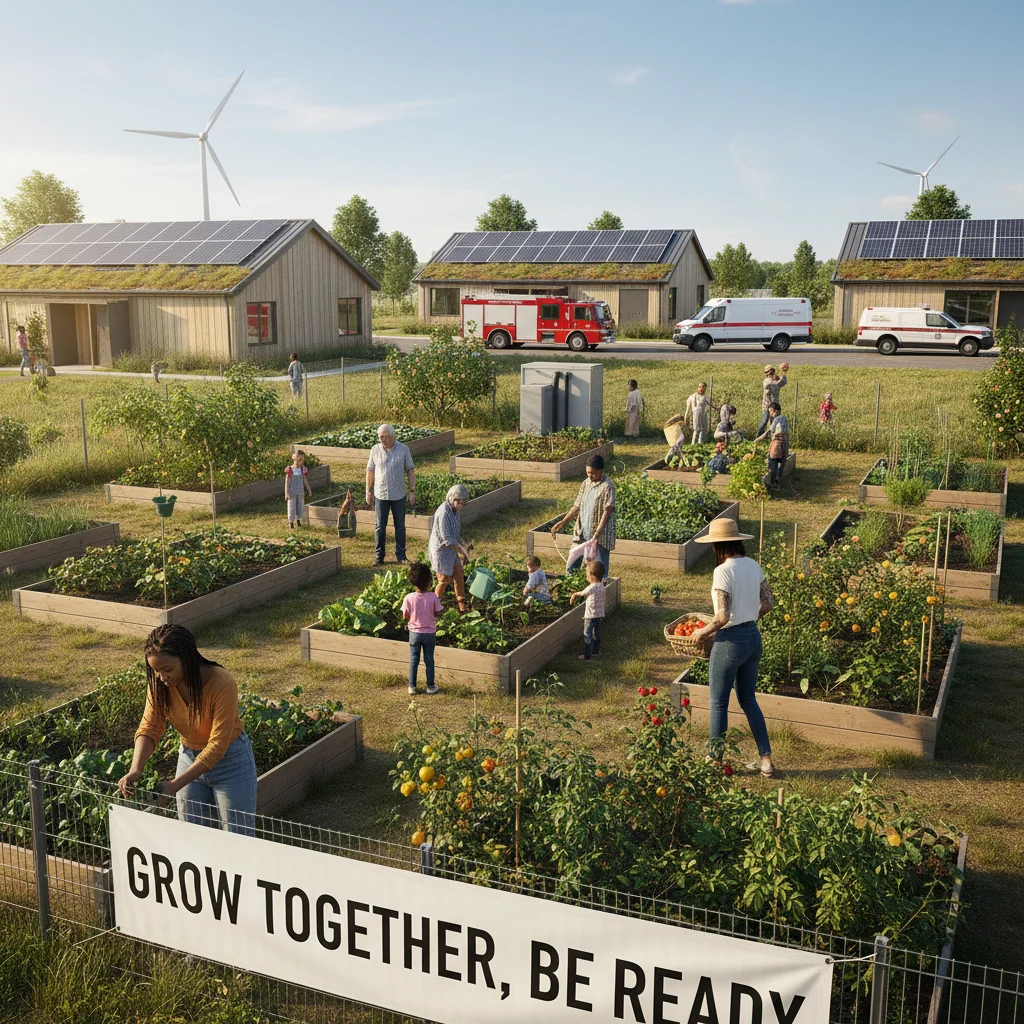
In an increasingly unpredictable world, the concept of Community Resilience Framework has never been more critical. As we look towards 2026 and beyond, the challenges posed by climate change, economic instability, and social disparities demand a more robust, integrated approach to how communities prepare for, respond to, and recover from various shocks and stresses. This comprehensive framework aims to provide a blueprint for fostering stronger, more adaptive communities, emphasizing not just physical infrastructure but also the social fabric that holds us together.
The 2026 Community Resilience Framework is built on the understanding that resilience is not merely about bouncing back, but about bouncing forward – emerging from adversity stronger and more equitable than before. It acknowledges that disasters disproportionately affect vulnerable populations, making social equity a foundational pillar of any effective preparedness strategy. This article will delve into the core components of this framework, exploring actionable strategies and innovative solutions for building truly resilient communities.
Understanding the Core Principles of the 2026 Community Resilience Framework
At the heart of the 2026 Community Resilience Framework are several interconnected principles designed to guide policy, planning, and action. These principles move beyond traditional disaster management to embrace a holistic view of community well-being.
Integration of Disaster Preparedness and Social Equity
One of the most significant shifts in the 2026 framework is the explicit integration of disaster preparedness with social equity. Historically, disaster planning often overlooked the unique needs and vulnerabilities of marginalized groups. The new framework mandates that all preparedness and response efforts must be designed with an equity lens, ensuring that resources, information, and support reach everyone, especially those most at risk.
This means actively engaging diverse community voices in the planning process, identifying and addressing pre-existing inequalities that exacerbate disaster impacts, and developing culturally competent and accessible communication strategies. For instance, creating emergency shelters that accommodate individuals with disabilities, providing multilingual disaster warnings, and ensuring equitable access to recovery funds are crucial elements of this integrated approach. The goal is to reduce the disaster risk for all residents, not just the privileged few, thereby strengthening the overall Community Resilience Framework.
Multi-Hazard Approach and Climate Adaptation
The framework adopts a multi-hazard approach, recognizing that communities face a complex array of threats, from natural disasters like floods, wildfires, and pandemics to technological failures and economic downturns. This requires comprehensive risk assessments that consider cascading impacts and interdependencies. Furthermore, climate change is no longer a distant threat but a present reality, necessitating robust climate adaptation strategies to build future resilience.
This includes investing in green infrastructure that can mitigate flood risks, developing early warning systems for extreme weather events, and promoting sustainable land-use planning that reduces exposure to hazards. By proactively addressing these diverse threats, communities can enhance their capacity to withstand and recover from future events, reinforcing the pillars of the Community Resilience Framework.
Community-Led and Participatory Planning
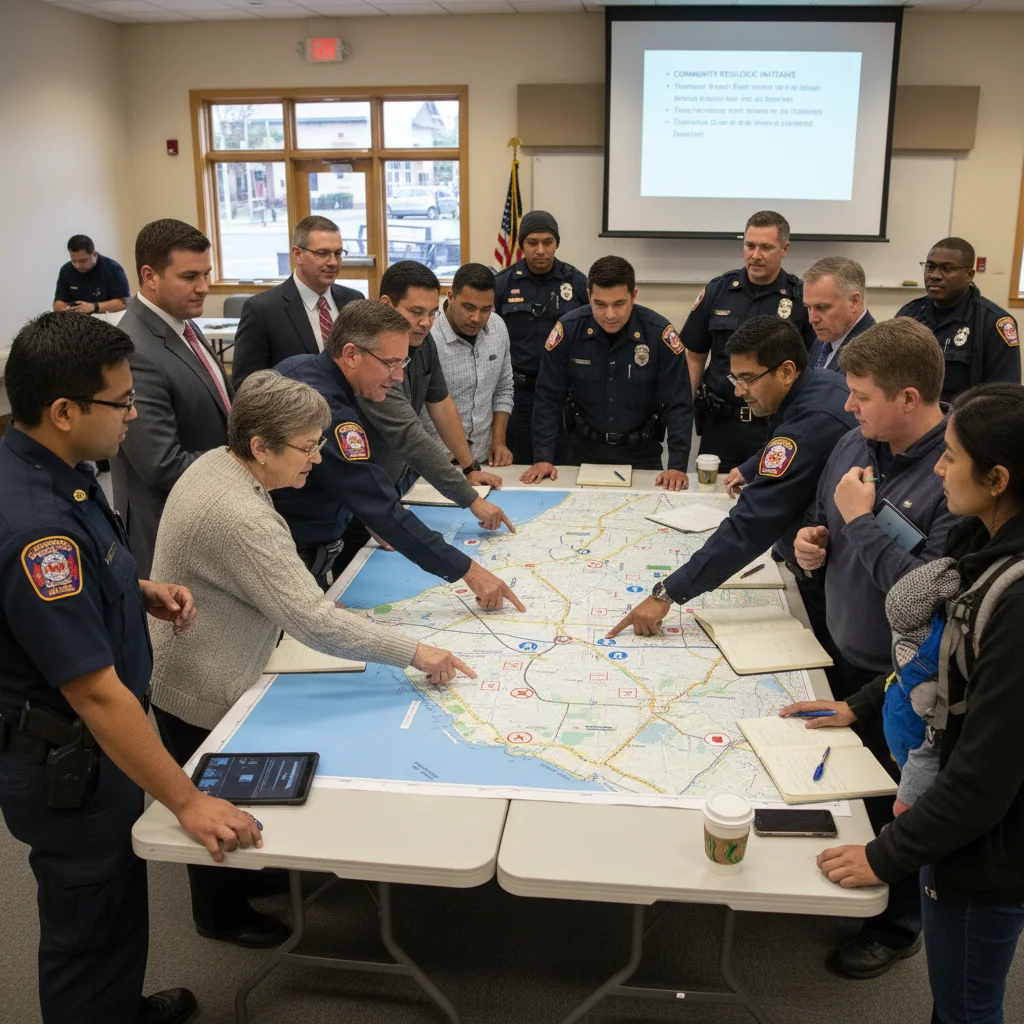
Effective resilience building is not a top-down endeavor; it is inherently community-led. The 2026 framework emphasizes participatory planning processes that empower residents to identify their own vulnerabilities, assets, and solutions. This approach fosters a sense of ownership, builds social capital, and ensures that interventions are tailored to local contexts and needs.
Mechanisms for participatory planning include community workshops, citizen advisory committees, and digital platforms for idea sharing and feedback. By leveraging local knowledge and resources, communities can develop more effective and sustainable resilience strategies. This emphasis on local engagement is a cornerstone of a robust Community Resilience Framework.
Leveraging Technology and Innovation
Technology plays a pivotal role in modern resilience efforts. The framework encourages the adoption of innovative technologies for early warning, real-time data collection, communication, and resource allocation. This includes using AI for predictive modeling of disaster impacts, blockchain for transparent distribution of aid, and mobile applications for community coordination.
However, the framework also stresses the importance of digital equity, ensuring that technological solutions are accessible to all community members, regardless of their socio-economic status or digital literacy. Bridging the digital divide is essential to harness the full potential of technology in building a comprehensive Community Resilience Framework.
Key Pillars of the 2026 Community Resilience Framework
To operationalize these principles, the Community Resilience Framework is structured around several key pillars, each with specific objectives and actionable strategies.
Pillar 1: Robust Infrastructure and Environmental Stewardship
Resilient communities require infrastructure that can withstand shocks and stresses. This pillar focuses on investing in and maintaining critical infrastructure, including transportation networks, utilities, communication systems, and public buildings, to ensure their functionality during and after disasters.
- Hardening Infrastructure: Implementing building codes that account for future climate risks, retrofitting existing structures, and constructing new infrastructure to higher resilience standards.
- Green Infrastructure Solutions: Utilizing natural systems, such as wetlands, urban forests, and permeable surfaces, to manage stormwater, reduce heat island effects, and protect against coastal erosion.
- Sustainable Resource Management: Promoting efficient use of water, energy, and other natural resources, and developing local food systems to enhance self-sufficiency and reduce reliance on external supply chains.
Environmental stewardship is integral, as a healthy environment provides natural buffers against many hazards. This pillar underscores the interconnectedness of ecological health and community safety, a vital aspect of the Community Resilience Framework.
Pillar 2: Economic Stability and Diversification
Economic resilience is crucial for a community’s ability to recover from disruptions. This pillar focuses on fostering diverse and stable local economies that can absorb shocks and adapt to changing circumstances.
- Local Business Support: Developing programs to support small and medium-sized enterprises (SMEs) in preparing for and recovering from disasters, including access to emergency loans and business continuity planning resources.
- Workforce Development: Investing in training and education programs that equip residents with skills for emerging industries, reducing economic vulnerability and fostering innovation.
- Supply Chain Resilience: Diversifying local supply chains and promoting local production to reduce dependencies and ensure access to essential goods and services during crises.
A diversified economy provides multiple avenues for employment and income, making the community less susceptible to single-industry downturns or disaster-related business closures. This strengthens the economic foundation of the Community Resilience Framework.
Pillar 3: Social Cohesion and Well-being
The strength of a community often lies in its social fabric. This pillar emphasizes building strong social networks, promoting mental and physical well-being, and ensuring equitable access to essential services.
- Community Networks: Facilitating the development of neighborhood watch programs, mutual aid networks, and volunteer organizations that can mobilize quickly during emergencies.
- Mental Health Support: Integrating mental health services into disaster preparedness and response plans, recognizing the psychological toll of traumatic events.
- Equitable Access to Services: Ensuring that all residents have access to healthcare, education, affordable housing, and other basic necessities, regardless of their socio-economic status.
Strong social bonds and a focus on well-being are critical for collective action and mutual support during crises, forming the human core of the Community Resilience Framework.
Pillar 4: Effective Governance and Leadership
Strong leadership and effective governance are essential for coordinating resilience efforts across various sectors and stakeholders. This pillar focuses on establishing clear roles and responsibilities, promoting collaboration, and ensuring transparent decision-making.
- Cross-Sectoral Collaboration: Fostering partnerships between government agencies, non-profit organizations, businesses, and academic institutions to leverage diverse expertise and resources.
- Clear Communication Protocols: Developing robust communication strategies for disseminating accurate and timely information before, during, and after disasters, utilizing multiple channels to reach all segments of the population.
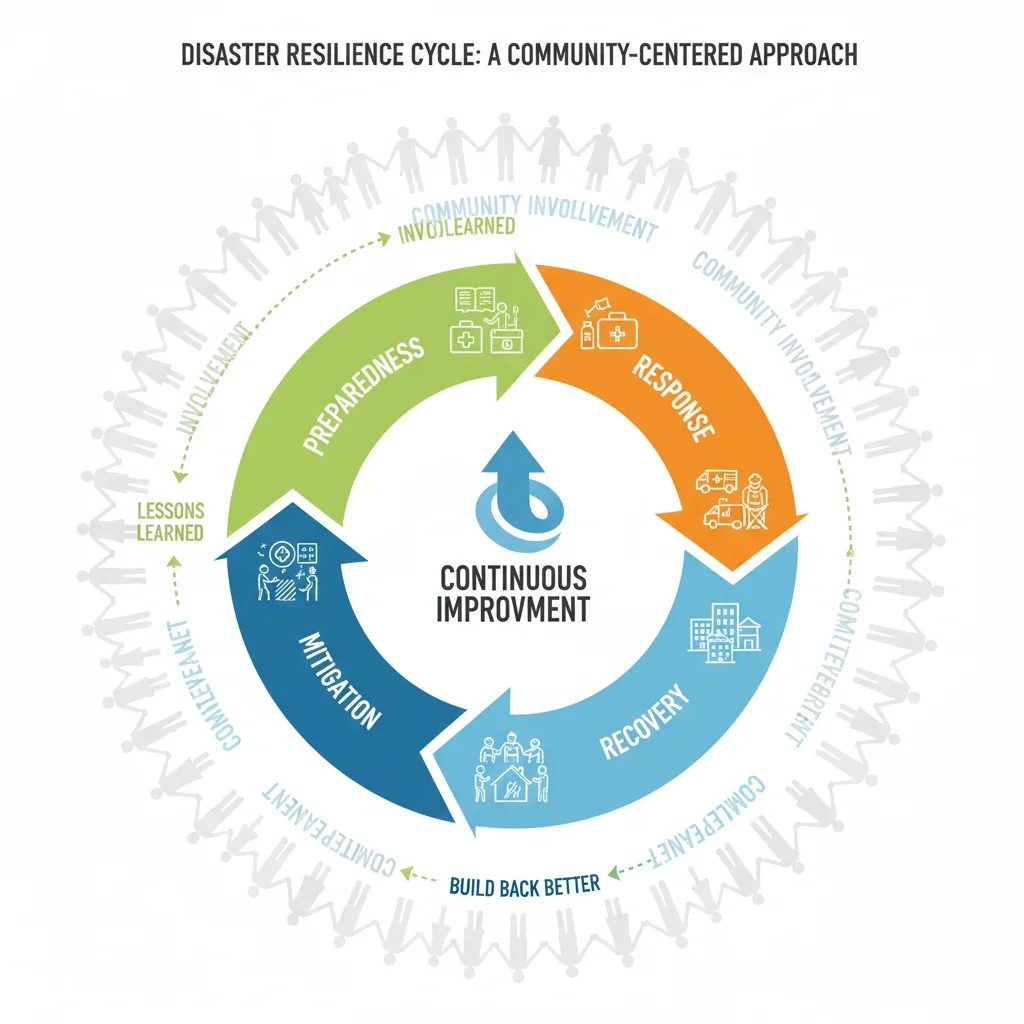
- Adaptive Planning and Learning: Implementing mechanisms for continuous evaluation and learning from past events, allowing communities to adapt their strategies and improve their resilience over time.
Good governance ensures that resilience initiatives are well-coordinated, efficiently implemented, and responsive to the evolving needs of the community, thereby reinforcing the Community Resilience Framework.
Implementing the 2026 Community Resilience Framework: A Roadmap
Translating the principles and pillars of the Community Resilience Framework into action requires a systematic and iterative approach. Here’s a roadmap for implementation:
Step 1: Conduct a Comprehensive Resilience Assessment
Begin by conducting a thorough assessment of existing vulnerabilities, assets, and capacities within the community. This involves analyzing demographic data, infrastructure conditions, environmental risks, economic indicators, and social capital. Engage community members in this process to gather local insights and perspectives.
Step 2: Develop a Vision and Goals
Based on the assessment, collaboratively develop a shared vision for a resilient community and set clear, measurable goals. These goals should align with the principles of the 2026 framework, particularly focusing on social equity and climate adaptation. This vision will guide all subsequent planning and implementation efforts for the Community Resilience Framework.
Step 3: Formulate a Resilience Action Plan
Create a detailed action plan that outlines specific strategies, projects, and initiatives to achieve the established goals. This plan should:
- Identify responsible parties and timelines for each action.
- Allocate resources and identify funding opportunities.
- Establish performance indicators to monitor progress.
- Integrate existing plans (e.g., hazard mitigation plans, comprehensive plans) to avoid duplication and ensure coherence.
The action plan serves as the operational blueprint for the Community Resilience Framework.
Step 4: Mobilize Resources and Partnerships
Building resilience requires significant investment and collaboration. Actively seek funding from local, state, federal, and private sources. Forge partnerships with non-profit organizations, academic institutions, businesses, and neighboring communities to leverage resources, share expertise, and coordinate efforts. This collaborative approach is vital for the success of the Community Resilience Framework.
Step 5: Implement and Monitor
Execute the actions outlined in the resilience plan. Continuously monitor progress against the established performance indicators and collect data on outcomes. Regular monitoring allows for timely adjustments and ensures that initiatives remain on track and effective.
Step 6: Evaluate, Learn, and Adapt
Periodically evaluate the effectiveness of the resilience strategies. Conduct post-disaster reviews and engage community members in feedback processes. Use lessons learned to refine the action plan, adapt to new challenges, and continuously improve the community’s resilience. This iterative process of learning and adaptation is fundamental to sustaining the Community Resilience Framework over the long term.
Challenges and Opportunities in Building Community Resilience
While the 2026 Community Resilience Framework offers a comprehensive guide, its implementation comes with inherent challenges and unique opportunities.
Challenges:
- Funding Constraints: Securing adequate and sustained funding for resilience initiatives can be a major hurdle, especially for under-resourced communities.
- Political Will and Leadership Turnover: Changes in local leadership can disrupt long-term resilience plans, highlighting the need for institutionalized processes.
- Engaging Diverse Stakeholders: Ensuring meaningful participation from all community segments, particularly marginalized groups, requires dedicated effort and culturally sensitive approaches.
- Data Gaps and Measurement: Lack of comprehensive data on vulnerabilities and resilience indicators can hamper effective planning and evaluation.
- Inter-Jurisdictional Coordination: Disasters often cross jurisdictional boundaries, necessitating complex coordination among different levels of government and neighboring communities.
Opportunities:
- Increased Awareness: Growing public awareness of climate change and disaster risks creates a fertile ground for advocating and implementing resilience measures.
- Technological Advancements: Rapid advancements in data analytics, AI, and communication technologies offer powerful tools for enhancing preparedness and response.
- Green Economy Integration: Resilience investments can stimulate local economies, create jobs, and foster innovation in sustainable industries.
- Strengthening Social Capital: Collaborative resilience planning and implementation can strengthen community bonds and foster a greater sense of collective responsibility.
- Policy and Funding Mechanisms: Growing recognition of resilience at national and international levels is leading to new policy frameworks and funding opportunities.
Addressing these challenges and seizing these opportunities will be critical for communities striving to implement the Community Resilience Framework effectively.
Case Studies: Resilience in Action
To illustrate the practical application of the Community Resilience Framework, consider a few hypothetical examples:
Coastal City X: Adapting to Sea-Level Rise
Coastal City X, a low-lying urban area, has adopted the 2026 framework to address the increasing threat of sea-level rise and storm surges. Their action plan includes a multi-pronged approach:
- Infrastructure: Investing in nature-based solutions like restoring mangrove forests and building permeable streetscapes to absorb floodwaters.
- Social Equity: Developing a relocation assistance program for residents in high-risk zones, ensuring fair compensation and access to new, safe housing options. Community engagement workshops are held in multiple languages to ensure all residents understand the risks and available support.
- Economic Diversification: Promoting eco-tourism and marine aquaculture to create new economic opportunities as traditional coastal industries face challenges.
Rural County Y: Wildfire Preparedness and Recovery
Rural County Y, prone to wildfires, has implemented the framework by focusing on prevention and rapid recovery:
- Environmental Stewardship: Implementing community-wide defensible space programs and prescribed burns to reduce fuel loads.
- Community-Led Planning: Establishing a network of neighborhood wildfire preparedness groups, equipped with communication radios and first aid kits.
- Technology: Deploying AI-powered early detection systems and using drones for real-time fire mapping to aid firefighters and inform evacuation orders.
- Economic Stability: Providing grants and technical assistance to small farms and businesses affected by wildfires, helping them rebuild and implement fire-resistant practices.
These examples demonstrate how the principles of the Community Resilience Framework can be tailored to specific local contexts, leading to comprehensive and effective resilience strategies.
The Future of Community Resilience: Beyond 2026
The 2026 Community Resilience Framework is not a static document but a living guide that will evolve with new challenges and insights. As we move further into the 21st century, the need for adaptive and forward-thinking resilience strategies will only intensify. The framework encourages continuous research, innovation, and international collaboration to share best practices and collectively address global challenges.
Future iterations of the framework may place even greater emphasis on:
- Preventative Healthcare and Public Health Infrastructure: Recognizing the increasing frequency of pandemics and health crises.
- Cybersecurity Resilience: Protecting critical digital infrastructure from attacks that could cripple essential services.
- Intergenerational Equity: Ensuring that resilience investments benefit not only current but also future generations.
Ultimately, building resilient communities is an ongoing journey that requires sustained commitment, collective action, and a shared vision for a safer, more equitable, and sustainable future. The 2026 Community Resilience Framework provides a powerful tool to navigate this journey successfully.
Conclusion
The 2026 Community Resilience Framework represents a pivotal shift in how we approach disaster preparedness and community development. By integrating social equity, adopting a multi-hazard approach, fostering community-led planning, and leveraging technology, it provides a comprehensive and actionable guide for building stronger, more adaptive communities. The framework’s emphasis on robust infrastructure, economic stability, social cohesion, and effective governance creates a holistic strategy for navigating an uncertain future.
Implementing this framework requires dedication, collaboration, and a willingness to learn and adapt. However, the benefits – safer communities, more equitable outcomes, and a greater capacity to thrive amidst adversity – are immeasurable. As we move forward, the principles and pillars of this Community Resilience Framework will serve as a beacon, guiding our collective efforts to build a resilient world for all.