2026 Housing Market: Federal Interventions & Affordability Impact
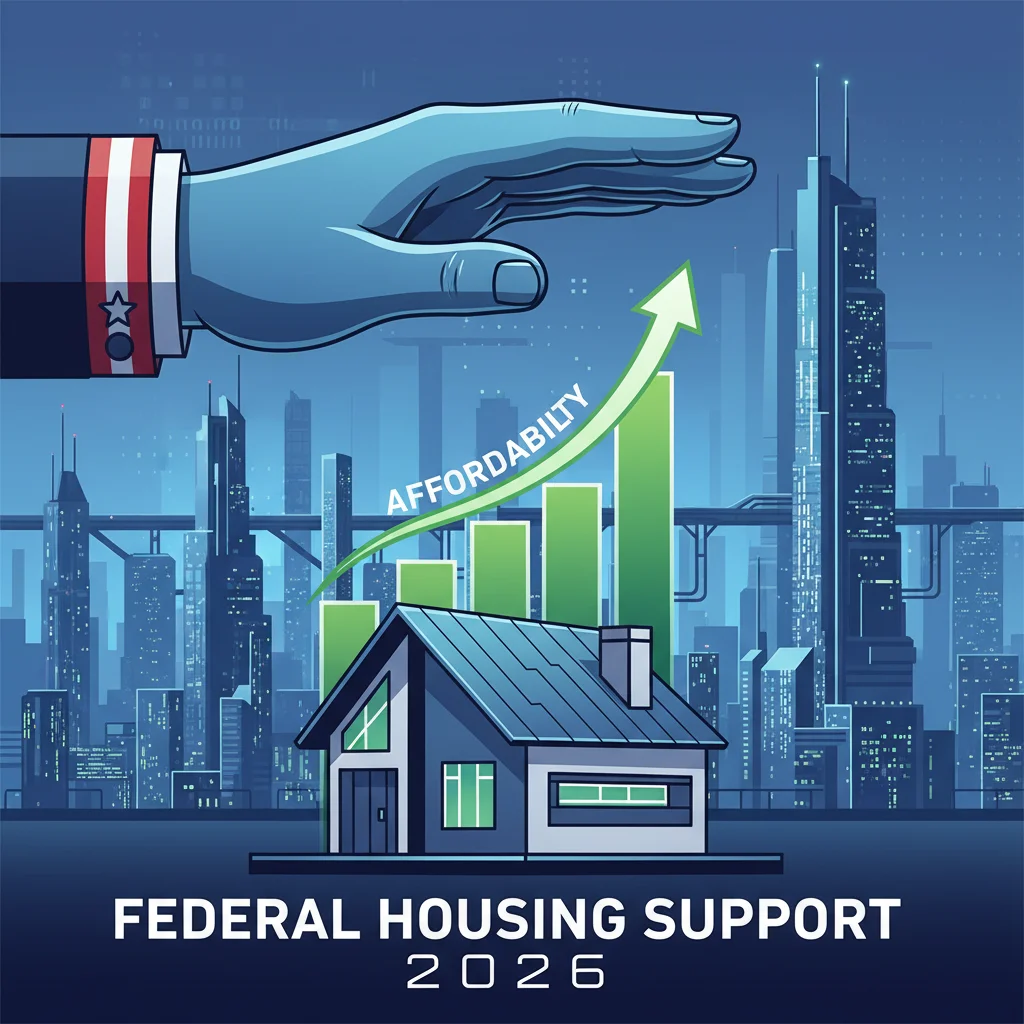
The 2026 Housing Market: Understanding Federal Interventions to Address Affordability (FINANCIAL IMPACT)
The housing market is a perennial topic of discussion, a cornerstone of economic stability, and a primary indicator of individual financial well-being. As we cast our gaze forward to the 2026 Housing Market, the looming question for many is how affordability will be addressed, particularly in the wake of persistent challenges that have plagued the sector for years. The role of federal interventions in shaping this future cannot be overstated. From direct subsidies to regulatory adjustments, government policies are poised to play a pivotal role in determining whether the dream of homeownership remains attainable for a broader segment of the population. Understanding these interventions and their potential financial impact is crucial for prospective homebuyers, current homeowners, investors, and policymakers alike.
The past decade has seen a confluence of factors – including historically low interest rates, limited housing supply, and escalating construction costs – drive housing prices to unprecedented levels in many regions. This has created a significant affordability crisis, pushing many out of the market and exacerbating wealth inequality. Recognizing the severity of this issue, federal agencies have been exploring and implementing various strategies to stabilize the market and improve accessibility. These efforts are not merely reactive; they represent a proactive approach to fostering a more sustainable and equitable housing landscape.
In this comprehensive analysis, we will delve into the anticipated federal interventions for the 2026 Housing Market, examining the mechanisms through which they aim to address affordability. We will explore the potential financial implications for different stakeholders, from the individual buyer struggling to save for a down payment to the large-scale developer navigating new regulatory environments. By understanding the intricate interplay of policy, economics, and social dynamics, we can better anticipate the trajectory of the housing market in the coming years and prepare for the opportunities and challenges it may present.
The Current State of Housing Affordability and the Need for Intervention
Before we project into the 2026 Housing Market, it’s essential to grasp the current landscape. Housing affordability is at a critical juncture. Median home prices have significantly outpaced wage growth in many areas, rendering homeownership an elusive goal for a growing number of Americans. Rental markets are equally strained, with rising rents consuming a disproportionate share of household incomes. This situation is not merely an economic inconvenience; it has profound social consequences, impacting everything from family stability and educational opportunities to local economic development and community cohesion.
Several key factors contribute to this affordability crisis. Firstly, there’s a chronic shortage of housing supply. Years of underbuilding, particularly of affordable starter homes, have created a structural imbalance between demand and availability. Zoning regulations, land use restrictions, and community opposition to new development often hinder efforts to increase supply. Secondly, rising construction costs, driven by material price increases, labor shortages, and supply chain disruptions, make it more expensive to build new homes, which in turn translates to higher selling prices. Thirdly, while interest rates have fluctuated, even moderate increases can significantly impact monthly mortgage payments, further eroding affordability for those on the margins.
The federal government has a long history of involvement in the housing market, from establishing the Federal Housing Administration (FHA) during the Great Depression to implementing various housing programs and tax incentives. However, the scale and complexity of the current affordability crisis necessitate a renewed and potentially more aggressive approach. Without targeted interventions, experts predict that the affordability gap will continue to widen, leading to increased social stratification and economic instability. Therefore, the discussion around the 2026 Housing Market is intrinsically linked to the efficacy and scope of these forthcoming federal actions.
Anticipated Federal Interventions for the 2026 Housing Market
As we look towards the 2026 Housing Market, several key areas of federal intervention are expected to take center stage, each designed to tackle different facets of the affordability challenge. These interventions can be broadly categorized into supply-side solutions, demand-side assistance, and regulatory reforms.
Supply-Side Solutions: Boosting Housing Inventory
One of the most direct ways to address affordability is to increase the supply of housing. Federal initiatives in this area for the 2026 Housing Market are likely to include:
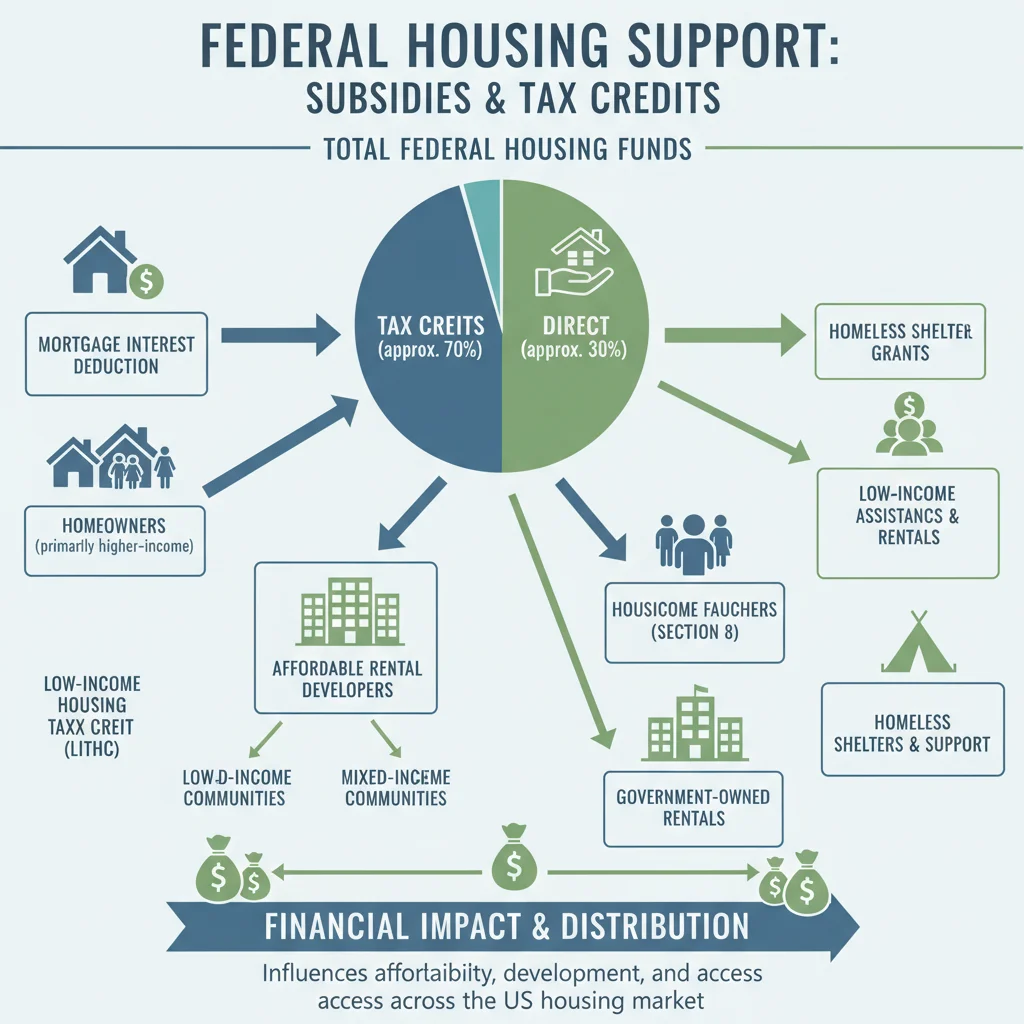
- Incentivizing Local Zoning Reform: The federal government lacks direct control over local zoning laws, but it can use grants, funding tied to infrastructure projects, or other incentives to encourage municipalities to ease restrictive zoning that prevents the construction of denser, more affordable housing types like duplexes, townhouses, and multi-family units. This could involve promoting ‘upzoning’ in single-family areas or streamlining permitting processes. The financial impact here would be a potential reduction in land costs per unit and faster development timelines, ultimately leading to lower sale prices or rents.
- Expanding Affordable Housing Development Programs: Expect increased funding and modifications to existing programs like the Low-Income Housing Tax Credit (LIHTC) and HOME Investment Partnerships Program. These programs provide tax incentives and direct grants to developers who build and rehabilitate affordable rental housing. For the 2026 Housing Market, there might be new mechanisms to encourage the development of affordable for-sale housing as well, potentially through federal loan guarantees or interest rate subsidies for developers committed to affordability covenants.
- Investing in Infrastructure and Community Development: Federal investments in infrastructure (roads, utilities, public transit) can open up new areas for development, reducing the cost of extending services to new housing projects. Community development block grants can also be directed towards revitalizing distressed neighborhoods, making them more attractive for both residents and developers, and potentially increasing the overall housing stock.
- Promoting Innovative Construction Techniques: The federal government could support research and development into modular construction, 3D-printed homes, and other cost-saving building technologies. This might involve grants for pilot projects, standardization of building codes to accommodate these methods, or tax credits for manufacturers and builders utilizing them. The financial benefit would be a significant reduction in construction time and material waste, leading to more affordable homes in the 2026 Housing Market.
Demand-Side Assistance: Supporting Buyers and Renters
While increasing supply is crucial, many individuals still need direct financial assistance to access housing. Federal interventions on the demand side for the 2026 Housing Market could include:
- Enhancing First-Time Homebuyer Programs: The FHA loan program is a long-standing example. For 2026, we might see expanded eligibility criteria, lower mortgage insurance premiums, or even direct down payment assistance programs, potentially through grants or forgivable loans. The financial impact for buyers would be a reduced upfront cost and potentially lower monthly payments, making homeownership more accessible.
- Expanding Rental Assistance Programs: Programs like Section 8 vouchers are vital for low-income families. The 2026 Housing Market could see an increase in funding for these programs, broader eligibility, or new initiatives to streamline the application process and increase the number of available vouchers. This directly alleviates the financial burden of rent for vulnerable populations.
- Student Loan Debt Relief and its Housing Impact: While not a direct housing program, federal policies addressing student loan debt can have a significant indirect impact on housing affordability. Reducing or forgiving student loan burdens frees up disposable income that can then be used for down payments or to cover higher housing costs, potentially stimulating demand in the 2026 Housing Market.
- Targeted Tax Credits: Beyond existing mortgage interest deductions, new federal tax credits could be introduced for specific groups, such as essential workers, veterans, or those living in designated high-cost areas, to help offset housing expenses.
It’s important to note that demand-side interventions, while beneficial for individuals, must be carefully balanced with supply-side efforts. Without an increase in housing stock, simply boosting purchasing power can inadvertently drive up prices further, negating the intended benefits. The ideal scenario for the 2026 Housing Market involves a synergistic approach.
Regulatory Adjustments and Their Financial Ripple Effects
Beyond direct funding and incentives, federal regulatory adjustments will also play a significant role in shaping the 2026 Housing Market. These changes can influence everything from lending standards to environmental considerations in development.
Lending Standards and Mortgage Market Regulation
Federal agencies like the Federal Housing Finance Agency (FHFA), which oversees Fannie Mae and Freddie Mac, and the Consumer Financial Protection Bureau (CFPB) have substantial influence over lending practices. For the 2026 Housing Market, we might see:
- Adjustments to Conforming Loan Limits: Raising these limits allows more borrowers to access government-backed mortgages with more favorable terms, particularly in high-cost areas. This can increase purchasing power and expand the pool of eligible buyers.
- Streamlining Mortgage Processes: Efforts to reduce the complexity and cost associated with obtaining a mortgage, such as simplifying documentation requirements for certain borrowers or standardizing closing procedures, could make the homebuying process less daunting and less expensive.
- Promoting Fair Lending Practices: Continued federal oversight to combat discriminatory lending practices ensures equitable access to housing finance for all qualified borrowers, addressing historical inequities that have contributed to wealth gaps.
Environmental and Sustainability Regulations
As climate change remains a pressing concern, federal regulations promoting energy efficiency and sustainable building practices are likely to become more prominent in the 2026 Housing Market. While these can sometimes add to initial construction costs, they often lead to long-term financial savings for homeowners through reduced utility bills. Federal incentives, such as tax credits for energy-efficient home improvements or green building certifications, could help offset these upfront costs, making sustainable housing more attractive and affordable.

Financial Impact on Stakeholders in the 2026 Housing Market
The various federal interventions discussed will not impact all stakeholders equally. Understanding these differentiated financial effects is key to navigating the 2026 Housing Market.
For First-Time Homebuyers
This group stands to gain significantly from federal interventions. Down payment assistance, lower mortgage insurance premiums, and increased supply of affordable starter homes could dramatically lower the barriers to entry. The financial impact would be a reduction in the total cost of homeownership, both upfront and over the life of the loan, making the dream of owning a home a reality for more individuals and families who have been priced out. However, increased demand spurred by these programs, if not met by sufficient supply increases, could still lead to competitive markets.
For Current Homeowners
The impact on current homeowners in the 2026 Housing Market is more nuanced. On one hand, federal efforts to stabilize the market and prevent dramatic price fluctuations could protect their existing equity. On the other hand, a significant increase in housing supply, particularly in areas with restrictive zoning, could temper future appreciation rates. For those looking to sell and downsize or relocate, a more liquid and affordable market could be beneficial. Homeowners in areas benefiting from infrastructure improvements or community revitalization might see their property values increase.
For Real Estate Developers and Builders
Developers could face a mix of challenges and opportunities. Incentives for affordable housing development and streamlined permitting processes would be financially beneficial, potentially reducing project timelines and costs. However, increased regulatory scrutiny, particularly around environmental standards or labor practices, could add complexity and expense. The push for innovative construction techniques might require initial investment but could yield long-term efficiencies. Developers who adapt to the new policy landscape and focus on building affordable, sustainable housing are likely to thrive in the 2026 Housing Market.
For Investors and Landlords
Investors in the 2026 Housing Market will need to carefully consider the evolving landscape. Increased supply, particularly of rental units, could put downward pressure on rental rates in some markets, impacting profitability. Expanded rental assistance programs, while socially beneficial, might also come with increased regulatory requirements for landlords participating in such programs. Changes in tax credits or depreciation rules could also affect the financial viability of real estate investments. Strategic investors will focus on markets where supply remains constrained or where federal programs offer clear advantages for development or long-term rental stability.
For Lenders and Financial Institutions
Federal interventions are likely to shape the mortgage market significantly. Expanded government-backed loan programs could increase the volume of lending, but potentially with tighter oversight and lower profit margins on certain loan types. The emphasis on fair lending and consumer protection will require continued compliance efforts. Innovations in mortgage products, possibly spurred by federal initiatives to support unique housing solutions, could also emerge, creating new opportunities and challenges for lenders in the 2026 Housing Market.
Potential Challenges and Unintended Consequences
While federal interventions are designed to improve the 2026 Housing Market, they are not without potential challenges and unintended consequences. One significant risk is that an overemphasis on demand-side solutions without a corresponding increase in supply could exacerbate inflation in housing prices. If more people have access to funds to buy homes, but there aren’t enough homes available, prices will simply be bid up further, negating the affordability gains.
Another challenge lies in the implementation of complex federal programs. Bureaucracy, delays, and a lack of coordination between federal, state, and local governments can hinder the effectiveness of even well-intentioned policies. There’s also the risk of ‘moral hazard,’ where certain interventions might unintentionally encourage risky behavior by borrowers or lenders if the perception is that the government will always backstop potential failures.
Furthermore, federal interventions can sometimes create distortions in local markets. For example, aggressive incentives for new construction in one area might draw resources away from another, leading to regional disparities. The balance between national policy goals and local market realities is a delicate one that policymakers will need to navigate carefully as they shape the 2026 Housing Market.
The Role of Technology and Data in the 2026 Housing Market
Beyond direct policy interventions, technological advancements and enhanced data utilization will also indirectly influence the 2026 Housing Market, often amplified by federal initiatives. The federal government is increasingly leveraging data analytics to identify areas of greatest need, track the effectiveness of programs, and inform future policy decisions. This data-driven approach can lead to more targeted and efficient interventions.
Technological innovations in real estate, such as AI-powered valuation tools, blockchain for secure transactions, and virtual reality for property tours, can streamline processes, reduce costs, and enhance transparency. While not directly federal interventions, the government can foster an environment where these technologies flourish, for instance, by setting standards for data sharing or investing in digital infrastructure. The financial impact here is primarily in reducing transaction costs, improving market efficiency, and potentially opening up new avenues for property ownership and management in the 2026 Housing Market.
Conclusion: A More Affordable and Equitable 2026 Housing Market?
The 2026 Housing Market is set to be significantly shaped by a concerted effort from the federal government to address the pervasive issue of housing affordability. Through a combination of supply-side incentives, demand-side assistance, and regulatory adjustments, the aim is to create a more balanced and accessible housing landscape. The financial impact of these interventions will be felt across all segments of the market, offering potential relief to struggling homebuyers and renters, while presenting new opportunities and challenges for developers, investors, and financial institutions.
While the path to a truly affordable housing market is complex and fraught with potential pitfalls, the commitment to federal intervention signals a critical turning point. Success will depend on careful planning, flexible implementation, and a willingness to adapt policies based on real-world outcomes. Stakeholders must remain vigilant, understanding how these shifts will affect their financial planning and strategic decisions. By fostering a deeper understanding of the anticipated federal interventions, we can better prepare for the opportunities and navigate the complexities that will define the 2026 Housing Market, moving closer to a future where stable, affordable housing is within reach for more Americans.
Ultimately, the goal is not just to lower prices but to build a more resilient and equitable housing system that supports the economic well-being and quality of life for all. The policies enacted and refined over the next few years will lay the groundwork for this future, making the 2026 Housing Market a crucial benchmark in the ongoing effort to solve the nation’s housing crisis.