Unlock $1 Billion: Federal Youth Grants Deadline December 2026
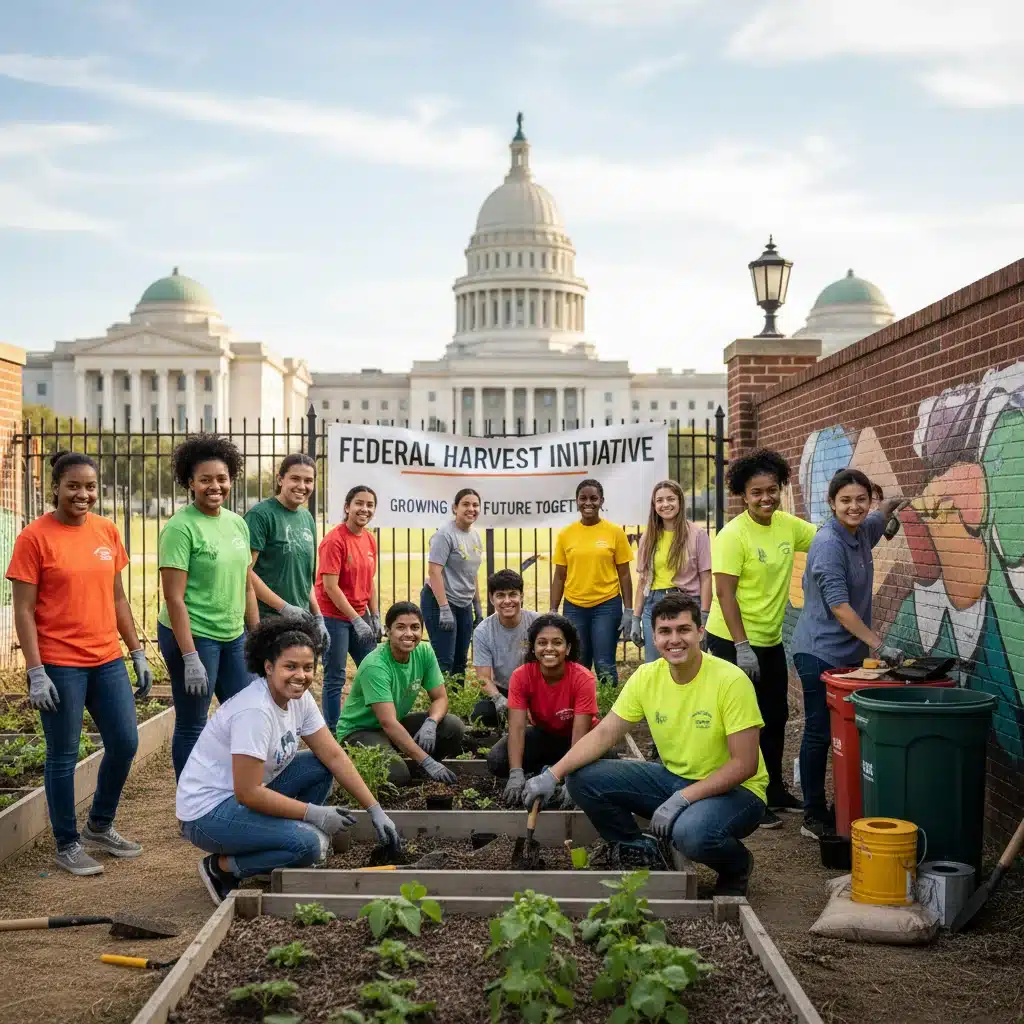
The landscape of youth empowerment is poised for a significant transformation, thanks to an unprecedented commitment of $1 billion in federal youth grants. This substantial funding initiative is designed to fuel innovative programs, support critical services, and empower the next generation across various sectors. However, this isn’t an open-ended opportunity. A crucial deadline looms: December 2026. For organizations, non-profits, educational institutions, and community groups dedicated to youth development, understanding and strategically navigating this time-sensitive window is paramount. Missing this opportunity means potentially foregoing a vital lifeline for impactful projects that could change countless young lives.
In this comprehensive guide, we will delve into the intricacies of these federal youth grants, providing you with the knowledge and tools necessary to secure your share of this monumental funding. From deciphering eligibility criteria to crafting compelling proposals and understanding the long-term impact, our aim is to equip you with every advantage. The clock is ticking, but with careful planning and execution, your organization can be at the forefront of this transformative wave.
The Urgency of Federal Youth Grants: A $1 Billion Opportunity
The allocation of $1 billion for federal youth grants represents more than just a financial injection; it signifies a robust national commitment to fostering the potential of young people. This funding is distributed across various federal agencies, each with its specific focus areas, but all united by the common goal of youth empowerment. The sheer scale of this investment underscores the critical need for programs that address education, health, workforce development, civic engagement, and social well-being among youth populations.
What makes this particular funding cycle so critical is its defined endpoint. The December 2026 deadline is not merely a suggestion but a firm closing date for applications or the utilization of allocated funds, depending on the specific grant program. This creates a powerful impetus for organizations to act swiftly and strategically. Procrastination in the grant application process can lead to missed opportunities, as securing federal funding often involves a multi-stage process that requires significant preparation, meticulous documentation, and strategic alignment with federal priorities.
Understanding the ‘why’ behind this urgency is also crucial. Federal funding cycles are often tied to legislative mandates, economic indicators, or specific national initiatives. The current emphasis on youth empowerment reflects a recognition of the long-term societal benefits of investing in young people. These benefits include a more skilled workforce, reduced social inequalities, enhanced civic participation, and improved public health outcomes. Therefore, organizations that can clearly articulate how their projects align with these broader national objectives will be best positioned to attract funding.
Furthermore, the competitive nature of federal grants means that early and well-prepared applications often stand a better chance. While $1 billion sounds like a vast sum, the demand for such funding is equally immense. Thousands of organizations nationwide are vying for these resources, making a well-crafted, timely, and impactful proposal absolutely essential. This guide will help you navigate this competitive landscape, ensuring your proposal not only meets the requirements but also stands out.
Decoding Eligibility: Who Can Apply for These Federal Youth Grants?
One of the most common hurdles in securing federal funding is understanding the complex web of eligibility criteria. Federal youth grants are rarely one-size-fits-all; instead, they are often tailored to specific types of organizations, target demographics, and programmatic objectives. Generally, eligible entities include:
- Non-profit Organizations: 501(c)(3) organizations with a proven track record of serving youth.
- Educational Institutions: K-12 schools, school districts, colleges, and universities, particularly those with outreach programs.
- State and Local Government Agencies: Departments of youth services, education, health, and community development.
- Tribal Organizations: Federally recognized tribal governments and tribal organizations focused on Native American youth.
- Community-Based Organizations: Grassroots initiatives with strong ties to the communities they serve.
Beyond the organizational type, specific grants will have more granular requirements. These might include:
- Target Population: Some grants might focus on specific age groups (e.g., adolescents, young adults), at-risk youth, underserved communities, or youth with particular needs (e.g., disabilities, foster care).
- Geographic Scope: Certain grants may be limited to specific states, regions, or even urban/rural areas.
- Programmatic Focus: Grants are often categorized by their intended impact, such as STEM education, mental health services, violence prevention, job training, arts and culture, or leadership development.
- Fiscal Capacity: Applicants often need to demonstrate sound financial management and the ability to administer federal funds responsibly. This might involve submitting audited financial statements or proving a history of successful grant management.
- Matching Funds/In-Kind Contributions: While not universal, some federal youth grants may require a percentage of matching funds from the applicant or significant in-kind contributions, demonstrating community investment and sustainability.
To avoid wasting valuable time, it is imperative to thoroughly review the Request for Applications (RFA) or Notice of Funding Opportunity (NOFO) for each specific grant program you are considering. These documents are the authoritative source for all eligibility requirements, application instructions, and submission deadlines. Pay close attention to any mandatory partnerships, data reporting requirements, or evaluation criteria, as these can significantly impact your eligibility and the competitiveness of your application.
Key Steps to Confirm Eligibility:
- Identify Relevant Agencies: Research federal agencies that typically fund youth programs, such as the Department of Education, Health and Human Services (HHS), Justice (DOJ), Labor (DOL), and Agriculture (USDA).
- Utilize Grant Search Engines: Regularly check official government grant portals like Grants.gov. Filter by ‘youth’ or relevant keywords to find active opportunities.
- Read RFAs/NOFOs Carefully: Do not skim these documents. Every detail matters. Create a checklist of all eligibility criteria.
- Attend Applicant Webinars: Many federal agencies host webinars to explain grant requirements and answer applicant questions. These are invaluable resources.
- Contact Program Officers: If you have specific questions about eligibility that aren’t addressed in the RFA, reach out to the designated program officer. Their contact information is usually provided in the grant announcement.
By diligently confirming your eligibility early in the process, you can focus your efforts on grants that are a true fit, significantly increasing your chances of success in securing these vital federal youth grants.
Crafting a Winning Proposal: Strategies for Federal Youth Grants
Once you’ve confirmed your eligibility, the next critical step is to craft a compelling and compliant grant proposal. Federal grant applications are notoriously rigorous, demanding not only a strong program idea but also meticulous attention to detail and adherence to specific formatting and content requirements. Here’s a strategic breakdown to guide you:
1. Understand the Funder’s Priorities (and Your Own)
Every federal agency has a mission, and every grant program within that agency has specific objectives. Your proposal must clearly demonstrate how your project aligns perfectly with these stated priorities. Review the RFA/NOFO not just for requirements, but for the underlying goals the agency is trying to achieve. Simultaneously, ensure your project genuinely reflects your organization’s mission and capabilities. Authenticity and alignment are key.
2. Develop a Strong Program Narrative
This is the heart of your proposal. It needs to tell a clear, concise, and persuasive story. Typically, a strong narrative includes:
- Needs Statement: Clearly articulate the problem your project addresses, backed by current, relevant data and statistics. How does this problem impact youth in your target community?
- Project Goals and Objectives: State what your project aims to achieve. Goals are broad, long-term aspirations, while objectives are specific, measurable, achievable, relevant, and time-bound (SMART).
- Program Design/Methodology: Detail exactly how your project will operate. What activities will you undertake? Who will deliver them? Where and when will they occur? Be as specific as possible.
- Organizational Capacity: Demonstrate that your organization has the experience, expertise, and resources (staff, volunteers, facilities) to successfully implement the proposed project. Highlight past successes.
- Evaluation Plan: Explain how you will measure your project’s success. What data will you collect? How will you analyze it? How will you use the findings to improve your program? Federal grants place a high emphasis on accountability and measurable outcomes.
- Sustainability Plan: How will your project continue to operate once federal funding ends? This demonstrates foresight and long-term impact.
3. Budget Justification: Transparency and Accuracy
The budget is a critical component and often a point of scrutiny. It must be realistic, reasonable, and directly tied to the activities described in your narrative. Every line item should be justified. For federal youth grants, typically you’ll need to detail:
- Personnel costs (salaries, benefits)
- Travel
- Equipment
- Supplies
- Contractual services
- Other direct costs
- Indirect costs (if applicable and within federal guidelines)
Ensure there are no mathematical errors and that the budget aligns perfectly with the narrative. A discrepancy here can raise red flags for reviewers.

4. Supporting Documentation: The Devil is in the Details
Federal applications often require a plethora of attachments, including:
- Letters of support from community partners
- Resumes of key personnel
- Organizational charts
- Proof of non-profit status (e.g., 501(c)(3) letter)
- Audited financial statements
- Memoranda of Understanding (MOUs) with partners
- Logic models or theory of change diagrams
Compile these documents well in advance and ensure they meet all specified formatting and content requirements. Incomplete applications are often automatically disqualified.
5. Review, Revise, and Submit Early
Do not wait until the last minute to submit. Technical glitches, internet issues, or unexpected problems with the Grants.gov portal can derail your submission. Aim to submit several days before the deadline. Before submission, undertake multiple rounds of review:
- Internal Review: Have multiple team members read the proposal for clarity, completeness, and adherence to instructions.
- External Review (if possible): Ask someone unfamiliar with your project to read it. Do they understand your goals and methods?
- Compliance Check: Go through the RFA/NOFO one last time, checklist in hand, to ensure every single requirement has been met.
- Proofread: Typos and grammatical errors undermine credibility.
Securing federal youth grants is a marathon, not a sprint. It requires dedication, strategic thinking, and meticulous execution. By following these guidelines, you significantly enhance your chances of success.
Maximizing Impact: Beyond Securing the Federal Youth Grants
Obtaining federal youth grants is a significant achievement, but it’s only the beginning. The true measure of success lies in how effectively these funds are utilized to create lasting, positive change for young people. Maximizing impact involves a multi-faceted approach, encompassing robust program implementation, diligent reporting, effective communication, and a clear vision for sustainability.
1. Exemplary Program Implementation
The success of your grant-funded project hinges on executing the program as outlined in your proposal. This means:
- Adhering to the Work Plan: Stick to the timelines, activities, and staffing plans you committed to. Deviations should be carefully documented and, if significant, discussed with your federal program officer.
- Quality Staffing: Ensure that qualified and passionate individuals are delivering the services. Ongoing training and support for staff are crucial.
- Engaging Participants: Actively involve youth in the program design and delivery where appropriate, fostering a sense of ownership and relevance.
- Resource Management: Efficiently manage all resources – financial, human, and material – to ensure they are used to their fullest potential and in accordance with grant regulations.
2. Robust Data Collection and Evaluation
Federal agencies place a high premium on accountability and demonstrable results. Your evaluation plan, detailed in your proposal, must be rigorously implemented. This includes:
- Consistent Data Collection: Gather data on outputs (e.g., number of youth served, hours of programming delivered) and outcomes (e.g., improvements in academic performance, reduction in risky behaviors, increased job readiness).
- Regular Monitoring: Continuously track progress against your objectives. This allows for mid-course corrections and ensures the program stays on track.
- Impact Assessment: Beyond just meeting objectives, strive to understand the broader, long-term impact of your program. What systemic changes are occurring? How are lives truly being transformed?
- Transparent Reporting: All federal grants require regular progress and financial reports. These must be accurate, timely, and clearly articulate your achievements, challenges, and lessons learned. Strong reporting builds trust and can open doors for future funding.
3. Effective Communication and Stakeholder Engagement
Share your successes and challenges with a wide array of stakeholders, including:
- Funders: Maintain open communication with your federal program officer. Keep them informed of progress and any potential issues.
- Community: Publicize your achievements. This builds community support, attracts volunteers, and helps recruit participants.
- Partners: Collaborate closely with any partners mentioned in your grant. Strong partnerships enhance program reach and effectiveness.
- Youth Participants: Gather feedback from the young people you serve. Their perspectives are invaluable for program refinement and ensuring relevance.
4. Strategic Planning for Sustainability
The December 2026 deadline might seem distant, but planning for sustainability should begin immediately upon receiving federal youth grants. This ensures that the positive changes initiated by the grant can continue long after the funding period ends. Consider:
- Diversifying Funding Streams: Don’t rely solely on federal grants. Explore other funding sources like private foundations, corporate sponsorships, individual donors, and earned income strategies.
- Building Organizational Capacity: Invest in staff development, robust data systems, and strong governance to ensure your organization remains resilient and effective.
- Developing Advocates: Cultivate champions within the community, local government, and among program beneficiaries who can advocate for your work and attract ongoing support.
- Documenting Best Practices: Identify what works well in your program and document it. This can be used to replicate successful models, attract new funding, and contribute to the broader field of youth development.
- Policy Influence: If your program demonstrates significant positive impact, consider how your findings can inform local or national policy, leading to more sustainable systemic change.

Overcoming Challenges in Securing and Managing Federal Youth Grants
While the opportunity presented by $1 billion in federal youth grants is immense, the path to securing and effectively managing these funds is often fraught with challenges. Recognizing these obstacles upfront can help organizations develop proactive strategies to overcome them.
Challenge 1: Navigating the Complex Application Process
Federal grant applications are notoriously detailed and can be overwhelming for organizations, especially those new to federal funding. The sheer volume of required documentation, specific formatting guidelines, and the use of platforms like Grants.gov can be daunting.
Solutions:
- Start Early: Give yourself ample time – ideally several months – to prepare the application.
- Seek Training: Many organizations offer workshops and training specifically on navigating Grants.gov and writing federal grant proposals.
- Utilize Resources: Leverage the help of grant consultants or experienced grant writers if internal capacity is limited. Utilize official agency resources and FAQs.
- Develop a Checklist: Create a detailed checklist based on the RFA/NOFO to ensure every component is addressed and all attachments are included.
Challenge 2: Meeting Stringent Reporting and Compliance Requirements
Federal grants come with strict reporting obligations, including financial accountability, performance metrics, and adherence to federal regulations (e.g., OMB Uniform Guidance). Non-compliance can lead to audit findings, repayment of funds, and disqualification from future funding.
Solutions:
- Dedicated Grant Management Team: Assign clear roles and responsibilities for grant management, including a dedicated financial administrator and program manager.
- Robust Financial Systems: Ensure your accounting system can track federal funds separately and generate reports compliant with federal requirements.
- Understand Regulations: Familiarize yourself with OMB Uniform Guidance (2 CFR Part 200) and any agency-specific regulations.
- Regular Internal Audits: Conduct periodic internal reviews of financial and programmatic records to catch discrepancies before official audits.
Challenge 3: Demonstrating Measurable Impact and Outcomes
Federal funders are increasingly focused on evidence-based practices and measurable outcomes. Organizations must be able to clearly articulate and prove the impact of their programs, which can be challenging, especially for smaller or newer initiatives.
Solutions:
- Develop a Strong Logic Model: Clearly map out your program’s inputs, activities, outputs, and short-term, intermediate, and long-term outcomes.
- Invest in Evaluation Capacity: Either hire an internal evaluator or contract with an external evaluation firm to design and implement a robust evaluation plan.
- Collect Quality Data: Implement systematic and consistent data collection methods. Use reliable and valid tools.
- Utilize Data for Program Improvement: Don’t just collect data for reporting; use it to inform program adjustments and enhance effectiveness.
Challenge 4: Sustaining Programs Beyond the Grant Period
Federal grants are often time-limited, and a common challenge is ensuring the program’s continuity once the funding ends. This requires forward-thinking and strategic planning from day one.
Solutions:
- Diversify Funding Sources: Actively pursue a mix of funding from private foundations, corporate giving, individual donors, and other government sources.
- Build Community Support: Engage local stakeholders, parents, and community leaders who can advocate for and potentially contribute to your program.
- Develop Earned Income Strategies: Explore opportunities to generate revenue through program fees, services, or social enterprises, where appropriate.
- Advocate for Policy Change: If your program demonstrates significant success, work with policymakers to institutionalize successful components or secure ongoing public funding.
Challenge 5: Competition and Limited Funding
Despite the $1 billion available, the demand for federal youth grants is high, making the application process highly competitive.
Solutions:
- Focus on Niche Areas: Identify specific funding priorities within the RFA where your organization has unique expertise or a strong track record.
- Collaborate: Partner with other organizations to submit stronger, more comprehensive proposals that leverage collective strengths and avoid duplication of efforts.
- Demonstrate Innovation: Highlight how your program offers unique solutions or employs cutting-edge approaches to youth development.
- Build a Strong Reputation: Consistently deliver high-quality programs and effectively communicate your impact to build a reputation as a trustworthy and effective organization.
By proactively addressing these challenges, organizations can not only increase their chances of securing federal youth grants but also ensure the long-term success and sustainability of their vital youth empowerment initiatives.
The Future of Youth Empowerment: Leveraging Federal Investments
The infusion of $1 billion in federal youth grants is more than just a temporary funding boost; it’s a strategic investment in the future of our society. The decisions made and actions taken by organizations before the December 2026 deadline will shape the trajectory of youth empowerment for years to come. This funding has the potential to:
- Bridge Opportunity Gaps: Target resources to underserved communities and populations, ensuring equitable access to quality education, health services, and economic opportunities.
- Foster Innovation: Support pilot programs and creative approaches to address complex challenges facing youth, from mental health crises to digital literacy gaps.
- Build a Skilled Workforce: Invest in vocational training, STEM education, and soft skills development, preparing young people for the demands of a rapidly evolving job market.
- Strengthen Community Cohesion: Fund programs that promote civic engagement, leadership development, and intergenerational mentorship, fostering a sense of belonging and responsibility among youth.
- Promote Holistic Well-being: Address the physical, mental, and emotional health needs of young people, creating supportive environments where they can thrive.
Organizations that successfully secure these federal youth grants will become pivotal actors in this national endeavor. Their success will not only benefit the immediate participants but also contribute to a broader evidence base that informs future policy and funding decisions. It’s an opportunity to demonstrate what works, to scale effective models, and to advocate for sustained investment in youth development.
As the December 2026 deadline approaches, it is crucial for all stakeholders – from grassroots organizations to large educational institutions – to recognize the profound implications of this funding window. This is a call to action to engage, innovate, and collaborate. The collective impact of these federal youth grants could be transformative, creating a generation of empowered, resilient, and engaged young people ready to lead us into a brighter future.
Conclusion: Act Now for Federal Youth Grants
The $1 billion in federal youth grants represents a monumental, yet time-sensitive, opportunity for organizations dedicated to youth empowerment. With the December 2026 deadline fast approaching, the time for strategic action is now. We have outlined the critical steps: understanding the urgency, meticulously decoding eligibility requirements, crafting compelling and compliant proposals, and planning for maximum impact and sustainability.
The challenges inherent in securing and managing federal funding are real, but with proactive planning, diligent execution, and a commitment to transparency and accountability, they are entirely surmountable. This funding is designed to empower a new generation, fostering innovation, bridging opportunity gaps, and building a more skilled and engaged citizenry.
Your organization has the potential to be a key player in this transformative initiative. Don’t let this unparalleled opportunity pass by. Begin your research, refine your program ideas, assemble your teams, and prepare to submit a proposal that not only meets the federal requirements but also passionately articulates your vision for empowering youth. The future of countless young lives, and indeed the future of our communities, may well depend on the actions taken today to secure these vital federal youth grants.