Federal Reserve Rate Hike: Impact on Your Money
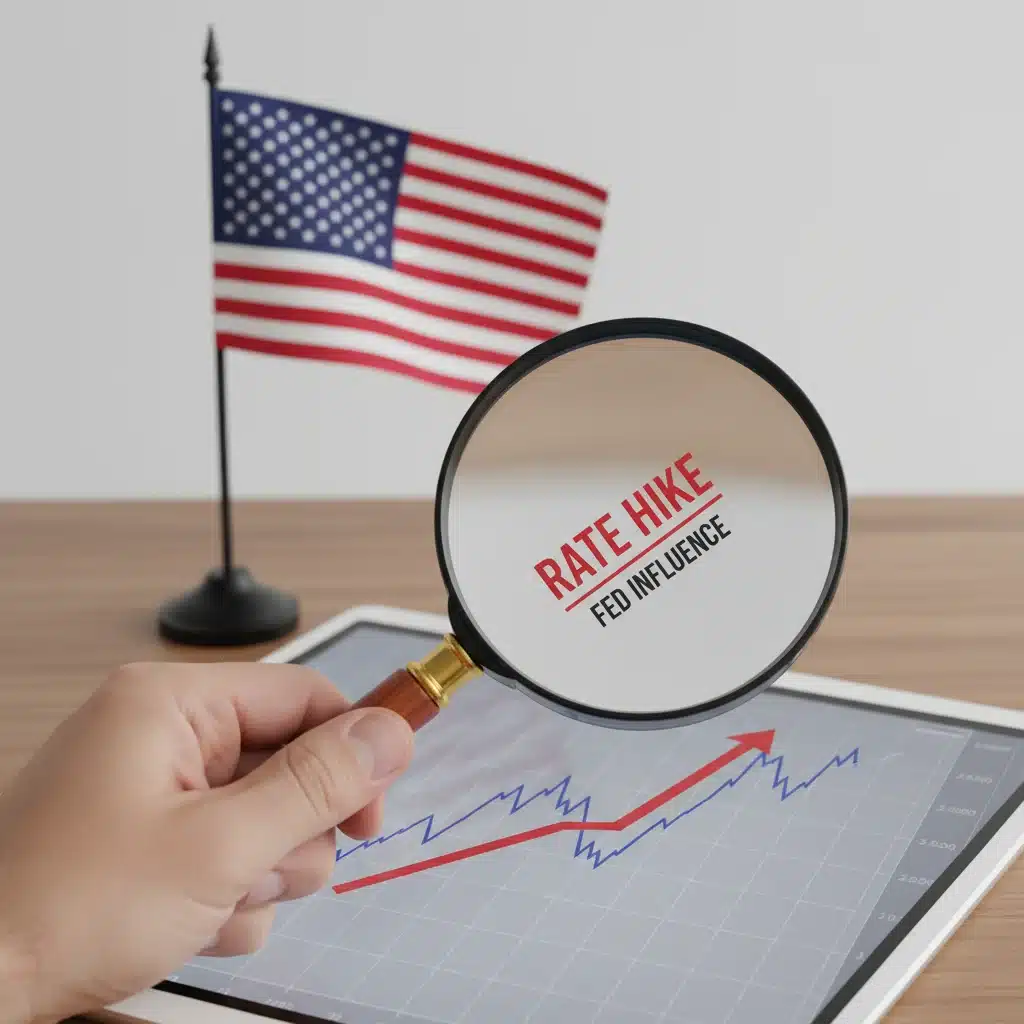
In the intricate dance of global economics, few institutions wield as much power and influence as the Federal Reserve. Its decisions reverberate through every facet of our financial lives, from the interest we pay on our mortgages to the returns we see on our savings accounts. Recently, the Federal Reserve announced another significant move: a Federal Reserve Rate Hike of 0.25%. While this might seem like a small number on the surface, its ripple effects are far-reaching and can profoundly impact your personal finances. Understanding what this means is not just for economists or financial analysts; it’s crucial for every individual looking to navigate the current economic landscape effectively.
This comprehensive guide aims to demystify the latest Federal Reserve Rate Hike. We’ll delve into the reasons behind such decisions, explore the immediate and long-term consequences for various aspects of your financial life, and provide actionable strategies to help you adapt and even thrive in this evolving environment. Whether you’re a homeowner, a saver, an investor, or someone simply trying to make sense of the news, this article will equip you with the knowledge you need to make informed financial decisions.
Understanding the Federal Reserve and Its Role
Before we dissect the impact of the latest Federal Reserve Rate Hike, it’s essential to grasp the fundamental role of the Federal Reserve (often called ‘the Fed’). Established in 1913, the Fed serves as the central bank of the United States. Its primary mandates are to foster maximum employment, maintain stable prices (i.e., control inflation), and moderate long-term interest rates. These objectives are often referred to as the ‘dual mandate’ and are critical to the nation’s economic impact.
How the Fed Influences the Economy
The Fed employs several tools to achieve its mandates, with the federal funds rate being one of the most prominent. The federal funds rate is the target rate for overnight lending between banks. While the Fed doesn’t directly set the rates consumers pay, changes to the federal funds rate influence other interest rates throughout the economy, including those for mortgages, credit cards, and savings accounts. When the Fed raises this rate, it generally makes borrowing more expensive and saving more attractive, and vice-versa when it lowers the rate.
Why the Fed Raises Rates: The Battle Against Inflation
A Federal Reserve Rate Hike typically occurs when the Fed aims to cool down an overheating economy and combat inflation. Inflation, the sustained increase in the general price level of goods and services, erodes purchasing power. When inflation is too high, the Fed steps in to make money more expensive to borrow, thereby reducing demand, slowing economic activity, and eventually bringing prices back down to a more stable level. The recent 0.25% hike is a continuation of this strategy, signaling the Fed’s ongoing commitment to reining in persistent inflationary pressures that have been a concern for consumers and businesses alike.
What the 0.25% Rate Hike Means for You
A 0.25% Federal Reserve Rate Hike might seem incremental, but its cumulative effect can be substantial. Let’s break down how this decision can touch various aspects of your financial life.
Mortgages: Higher Payments, Less Affordability
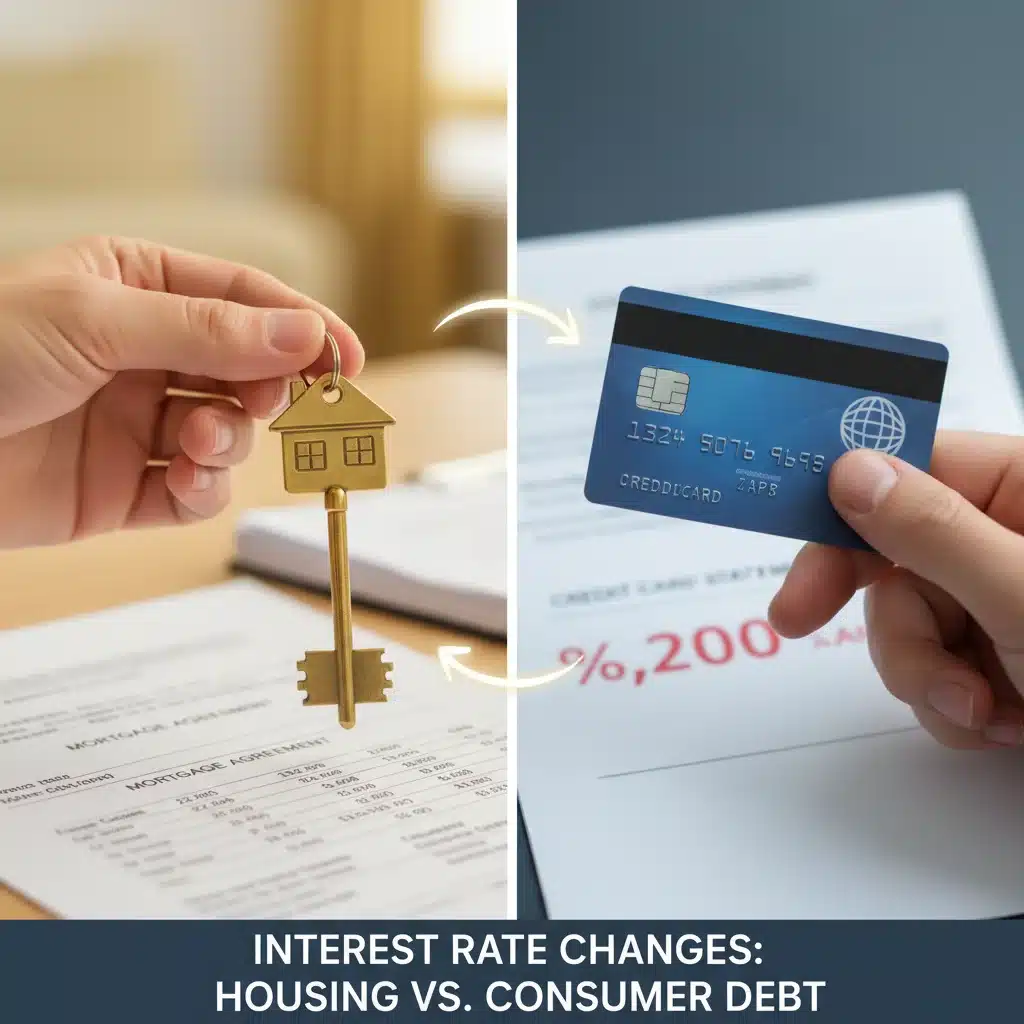
For homeowners and prospective buyers, the impact on mortgages is often the most immediate and noticeable. Mortgage rates, particularly for adjustable-rate mortgages (ARMs) and new fixed-rate mortgages, tend to move in tandem with the federal funds rate. If you have an ARM, your monthly payments are likely to increase with each hike, as the interest rate on your loan adjusts upward. For those looking to buy a home, the cost of borrowing has become more expensive, potentially reducing your purchasing power and increasing your monthly mortgage payments. This makes homeownership less accessible for some and adds financial strain for others.
Even if you have a fixed-rate mortgage, the broader economic implications can affect your home’s value or your ability to refinance in the future. The housing market often slows down as interest rates rise, leading to fewer sales and potentially moderating home price growth. This is a critical consideration for anyone with significant equity in their home or those planning to sell in the near future.
Credit Cards and Other Variable-Rate Loans: Increased Debt Burden
Another area significantly affected by a Federal Reserve Rate Hike is consumer debt. Credit card interest rates are almost always variable, meaning they are directly tied to the prime rate, which in turn is influenced by the federal funds rate. A 0.25% hike translates almost immediately into higher interest charges on your outstanding credit card balances. This can make it harder to pay down debt, as a larger portion of your monthly payment goes towards interest rather than the principal.
Similarly, other variable-rate loans, such as home equity lines of credit (HELOCs), personal loans with variable rates, and some student loans, will also see their interest rates increase. If you carry significant balances on these types of debt, it’s imperative to re-evaluate your budget and repayment strategies to mitigate the impact of higher interest costs. The cumulative effect of multiple rate hikes can quickly turn manageable debt into a significant financial burden.
Savings Accounts and Certificates of Deposit (CDs): A Silver Lining for Savers
While borrowers might feel the pinch, savers often find a silver lining in a Federal Reserve Rate Hike. Banks typically pass on some of these higher rates to their depositors in the form of increased interest rates on savings accounts, money market accounts, and Certificates of Deposit (CDs). This means your money can earn more interest, potentially boosting your savings growth.
However, it’s important to note that the increase in savings rates might not be as immediate or as substantial as the increase in borrowing rates. Banks often take their time to adjust deposit rates. Therefore, it’s wise to shop around for the best rates among different financial institutions. High-yield savings accounts and CDs, in particular, can become more attractive options for parking your emergency fund or short-term savings, offering a better return than traditional checking accounts.
Investments: Volatility and Opportunity
The stock market’s reaction to a Federal Reserve Rate Hike can be complex and often mixed. In the short term, higher interest rates can make borrowing more expensive for companies, potentially impacting their profitability and growth prospects. This can lead to increased market volatility and a potential slowdown in stock market performance, especially for growth stocks that rely heavily on future earnings. Bond markets also react; bond prices typically fall when interest rates rise, as newly issued bonds offer higher yields, making older, lower-yielding bonds less attractive.
However, for long-term investors, periods of market volatility can present opportunities. While some sectors might struggle, others, such as value stocks or dividend-paying companies, might become more appealing. Furthermore, higher interest rates generally mean better returns on fixed-income investments like new bonds or money market funds, which can be a good way to diversify a portfolio and generate income. It’s crucial for investors to review their portfolios, consider their risk tolerance, and potentially adjust their strategies in light of the new interest rate environment.
Broader Economic Implications of the Federal Reserve Rate Hike
Beyond individual finances, a Federal Reserve Rate Hike has significant implications for the broader economy. These effects can influence employment, business investment, and the overall economic growth trajectory.
Economic Growth and Employment
The Fed’s decision to raise rates is often a delicate balancing act. While it aims to curb inflation, a series of rate hikes can slow down economic growth too much, potentially leading to a recession and increased unemployment. As borrowing becomes more expensive, businesses might delay or cancel expansion plans, reduce hiring, or even lay off workers. This is why the Fed closely monitors economic data, including inflation figures, employment reports, and GDP growth, to determine its next steps. The goal is a ‘soft landing’ – bringing inflation down without triggering a severe economic downturn.
International Impact
The U.S. dollar often strengthens when the Federal Reserve raises interest rates. A stronger dollar makes U.S. exports more expensive for other countries and imports cheaper for American consumers. This can impact trade balances and global economic dynamics. For countries with dollar-denominated debt, a stronger dollar makes their repayments more expensive, potentially leading to financial instability in emerging markets. The global economy is interconnected, and the Fed’s actions send ripples across international borders.
Navigating the New Financial Landscape: Strategies for Success
Given the impact of the Federal Reserve Rate Hike, it’s more important than ever to be proactive and strategic with your finances. Here are some actionable steps you can take:
1. Prioritize High-Interest Debt Repayment
With credit card rates and other variable loan rates on the rise, focusing on paying down high-interest debt should be a top priority. Consider strategies like the ‘debt snowball’ or ‘debt avalanche’ method. The debt snowball focuses on paying off the smallest debts first for psychological wins, while the debt avalanche prioritizes debts with the highest interest rates to save the most money. Consolidating high-interest debt into a lower-interest personal loan or a balance transfer card (if you can secure a low introductory rate and pay it off before the promotional period ends) might also be an option, but be cautious of fees and terms.
2. Review Your Mortgage and Housing Situation
If you have an adjustable-rate mortgage (ARM), understand how often your rate adjusts and what your new payments will be. Explore options to refinance into a fixed-rate mortgage if current fixed rates are still manageable and you plan to stay in your home long-term. While rates are higher than they were, they might continue to rise, so locking in a fixed rate could provide stability. For prospective homebuyers, reassess your budget and affordability in light of higher interest rates. You might need to adjust your home price range or save for a larger down payment.
3. Optimize Your Savings
Don’t let your savings sit in accounts earning minimal interest. Shop around for high-yield savings accounts or Certificates of Deposit (CDs) that offer better returns. Compare rates from online banks, which often provide more competitive interest rates than traditional brick-and-mortar institutions due to lower overheads. Consider laddering CDs to take advantage of rising rates while maintaining some liquidity. This is one area where the Federal Reserve Rate Hike can directly benefit you.

4. Re-evaluate Your Investment Portfolio
This is a good time to review your investment strategy with a financial advisor. Assess your risk tolerance and ensure your portfolio is diversified across different asset classes. While higher rates can impact certain segments of the stock market, they can also make fixed-income investments more attractive. Consider whether your current asset allocation still aligns with your financial goals and the current economic outlook. Don’t make impulsive decisions based on short-term market fluctuations; focus on your long-term objectives.
5. Build or Bolster Your Emergency Fund
In times of economic disruption and rising costs, a robust emergency fund is more critical than ever. Aim for at least 3-6 months’ worth of living expenses saved in an easily accessible, high-yield savings account. This fund provides a financial safety net against unexpected job loss, medical emergencies, or other unforeseen expenses, reducing the need to take on high-interest debt.
6. Create a Detailed Budget and Track Expenses
With rising costs across the board, understanding where your money goes is paramount. Create a detailed budget that accounts for all your income and expenses. Identify areas where you can cut back, even small amounts, to free up funds for debt repayment or savings. Tools and apps can help you track your spending and stick to your budget, giving you greater control over your finances in a challenging economic climate.
7. Stay Informed and Adapt
The economic landscape is constantly changing. Stay informed about future Federal Reserve decisions, inflation trends, and other economic indicators. This knowledge will enable you to adapt your financial strategies as needed. Subscribing to reputable financial news sources and consulting with financial professionals can provide valuable insights and guidance.
The Future Outlook and What to Expect
The latest Federal Reserve Rate Hike is unlikely to be the last, as the Fed has indicated its commitment to bringing inflation down to its target of 2%. While the pace and magnitude of future hikes are uncertain, it’s reasonable to expect that interest rates will remain elevated for some time. This means continued pressure on borrowers and potential opportunities for savers.
The Fed’s decisions are data-dependent, meaning they will react to incoming economic reports. If inflation shows signs of cooling more rapidly, the Fed might slow the pace of hikes or even pause. Conversely, persistent inflation could lead to further aggressive actions. The key takeaway is that the era of ultra-low interest rates is likely behind us for the foreseeable future, and consumers and businesses must adjust to this new reality.
Economists and financial analysts are constantly debating the likelihood of a recession versus a ‘soft landing.’ While a recession is a possibility, many believe the Fed’s actions are necessary to prevent even greater economic instability down the line. Regardless of the exact economic trajectory, being prepared and financially resilient will be your best defense.
Conclusion: Empowering Your Financial Decisions
The recent 0.25% Federal Reserve Rate Hike is more than just a headline; it’s a critical economic development that demands your attention. Its impact on mortgages, credit cards, savings, and investments is real and tangible. By understanding the mechanisms behind the Fed’s decisions and proactively adjusting your financial strategies, you can mitigate potential negative effects and even uncover new opportunities.
This period of rising interest rates underscores the importance of sound financial planning, disciplined budgeting, and continuous learning. Take the time to review your personal financial situation, consult with experts if needed, and make informed choices that align with your long-term goals. While the economic environment may present challenges, with the right knowledge and strategy, you can navigate these waters successfully and strengthen your financial future.