The Blended Workforce: Integrating AI and Human Talent in US Companies

The Blended Workforce: How 40% of US Companies Are Integrating AI and Human Talent
The landscape of work is undergoing a profound transformation, driven by the relentless march of technological innovation. At the forefront of this evolution is the emergence of the blended workforce AI, a paradigm where artificial intelligence (AI) and human talent collaborate seamlessly to achieve unprecedented levels of productivity, innovation, and strategic advantage. Far from being a futuristic concept, this integration is already a tangible reality for a significant portion of the American corporate world. Recent studies indicate that approximately 40% of US companies are actively engaged in integrating AI into their workforce strategies, signaling a pivotal shift in how businesses operate and compete.
This article delves deep into the phenomenon of the blended workforce AI, exploring its multifaceted nature, the compelling reasons behind its rapid adoption, and the strategic implications for businesses across various sectors. We will examine the benefits, dissect the challenges, and outline the best practices for organizations looking to successfully navigate this transformative journey. Understanding this evolving dynamic is no longer optional; it is essential for any organization aiming to thrive in the modern economic climate.
Understanding the Blended Workforce: More Than Just Automation
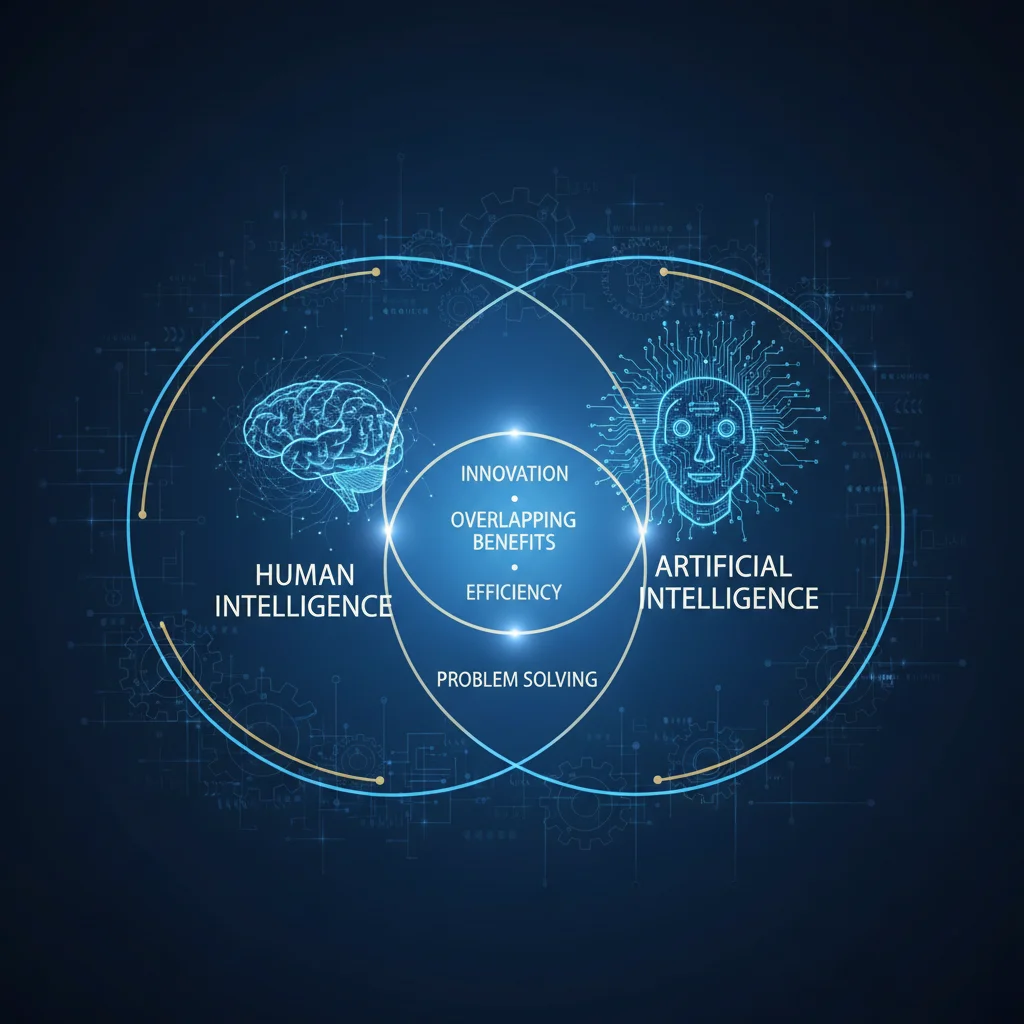
When we talk about a blended workforce AI, it’s crucial to move beyond the simplistic notion of AI merely replacing human jobs. Instead, it’s about a synergistic relationship where AI augments human capabilities, handles repetitive and data-intensive tasks, and provides insights that were previously unattainable. This allows human employees to focus on higher-value activities such as strategic thinking, creativity, complex problem-solving, and interpersonal interactions.
The 40% statistic isn’t just about companies piloting AI tools; it represents a more fundamental rethinking of organizational structures and processes. These companies are not just adopting technology; they are redesigning roles, investing in reskilling their employees, and fostering a culture of collaboration between humans and machines. This strategic integration is leading to a new definition of work itself, where the unique strengths of both intelligence types are leveraged to their fullest potential.
The Driving Forces Behind AI Integration
Several factors are propelling US companies towards a blended workforce AI model:
- Enhanced Efficiency and Productivity: AI excels at automating routine tasks, processing vast amounts of data, and optimizing workflows, freeing up human staff to concentrate on more complex and creative endeavors. This directly translates to significant gains in operational efficiency.
- Improved Decision-Making: AI-powered analytics can uncover patterns and insights from data that human analysts might miss, leading to more informed and strategic business decisions.
- Innovation and New Capabilities: AI opens doors to entirely new products, services, and business models. From personalized customer experiences to predictive maintenance, AI is a catalyst for innovation.
- Cost Reduction: While initial investment can be substantial, AI automation often leads to long-term cost savings by reducing labor costs for repetitive tasks and minimizing errors.
- Competitive Advantage: Early adopters of a sophisticated blended workforce AI gain a significant edge over competitors, allowing them to respond faster to market changes, deliver superior customer experiences, and innovate more rapidly.
- Addressing Talent Shortages: In industries facing skilled labor shortages, AI can fill gaps, augment existing teams, and make existing employees more productive.
Benefits of a Blended Workforce AI: A Deeper Dive
The advantages of successfully integrating AI into the workforce extend far beyond mere operational improvements. They touch upon every facet of an organization, from employee morale to market positioning.
Unlocking Human Potential and Fostering Innovation
One of the most significant benefits of the blended workforce AI is its ability to liberate human employees from mundane, repetitive tasks. Imagine customer service representatives no longer bogged down by simple queries, thanks to AI chatbots, allowing them to handle complex, emotionally nuanced customer issues. Or marketing professionals freed from manual data compilation, empowered by AI to focus on creative campaign development and strategic market analysis.
This shift allows employees to apply their uniquely human skills – empathy, critical thinking, creativity, and emotional intelligence – to challenges that truly require them. The result is often increased job satisfaction, greater engagement, and a more innovative workforce. When humans are empowered to do what they do best, and AI handles what it does best, the collective output is far greater than the sum of its parts.
Superior Data Analysis and Strategic Insights
AI’s capacity to process and analyze colossal datasets is unparalleled. In a blended workforce AI, this capability translates into a powerful engine for generating strategic insights. AI algorithms can identify trends, predict outcomes, and highlight anomalies that would be impossible for humans to detect manually. This is invaluable for:
- Market Forecasting: Predicting consumer behavior, market shifts, and demand fluctuations with greater accuracy.
- Risk Management: Identifying potential risks in supply chains, financial markets, or operational processes before they escalate.
- Personalized Experiences: Tailoring products, services, and communications to individual customer preferences at scale.
- Operational Optimization: Fine-tuning manufacturing processes, logistics, and resource allocation for maximum efficiency.
These data-driven insights empower leaders to make more informed decisions, react proactively to challenges, and seize new opportunities with confidence.
Enhanced Customer and Employee Experience
The impact of a blended workforce AI also extends to both external and internal stakeholders. For customers, AI can provide faster, more consistent service, 24/7 availability, and highly personalized interactions. Chatbots, virtual assistants, and AI-powered recommendation engines contribute to a smoother, more satisfying customer journey.
Internally, employees benefit from AI tools that simplify their work, provide immediate access to information, and automate administrative burdens. This not only boosts productivity but also contributes to a more positive work environment, where employees feel supported by technology rather than threatened by it. AI can also assist in HR functions, such as talent acquisition (screening resumes), onboarding, and even personalized learning and development paths for employees.
Challenges and Considerations in Building a Blended Workforce AI
While the benefits are compelling, the journey to a fully integrated blended workforce AI is not without its hurdles. Companies must proactively address several key challenges to ensure a successful and ethical transition.
Skill Gaps and Reskilling Initiatives
Perhaps the most significant challenge is the need to bridge the skill gap. As AI takes over certain tasks, new roles emerge that require different competencies. Employees need to be upskilled or reskilled to work alongside AI, manage AI systems, interpret AI outputs, and focus on uniquely human skills. This requires substantial investment in training programs, continuous learning initiatives, and a strategic approach to talent development.
Companies must identify which skills will be critical in an AI-driven future – data literacy, critical thinking, creativity, emotional intelligence, and complex problem-solving – and then design programs to cultivate these skills within their existing workforce. The success of a blended workforce AI hinges on the adaptability and continuous learning of its human component.
Ethical AI and Bias Mitigation
The ethical implications of AI are profound and cannot be overlooked. AI systems, particularly those trained on vast datasets, can inherit and amplify existing societal biases. If not carefully managed, this can lead to discriminatory outcomes in areas like hiring, lending, or even criminal justice. Companies must prioritize:
- Transparency: Understanding how AI algorithms make decisions.
- Fairness: Ensuring AI systems treat all individuals equitably.
- Accountability: Establishing clear lines of responsibility for AI system performance and impact.
- Privacy: Protecting sensitive data used by AI systems.
Developing and adhering to robust ethical AI guidelines is paramount for building trust and ensuring that the blended workforce AI serves the greater good.
Change Management and Employee Acceptance
Introducing AI into the workplace can evoke fear and resistance among employees, particularly concerns about job displacement. Effective change management is crucial to mitigate these anxieties and foster a positive attitude towards AI integration. This involves:
- Clear Communication: Explaining the ‘why’ behind AI adoption and how it will benefit employees and the organization.
- Employee Involvement: Engaging employees in the design and implementation of AI solutions.
- Demonstrating Value: Showcasing how AI can make employees’ jobs easier, more fulfilling, and more impactful.
- Leadership Buy-in: Ensuring leaders champion the AI initiative and model collaborative behavior.
A successful blended workforce AI is one where humans view AI as a partner and an enabler, not a threat.
Data Security and Governance
AI systems are heavily reliant on data. This necessitates robust data security measures and comprehensive data governance frameworks. Companies must ensure that data used by AI is accurate, secure, compliant with regulations (like GDPR or CCPA), and ethically sourced. Breaches in data security or misuse of data can have severe consequences, including reputational damage, financial penalties, and loss of customer trust.
Best Practices for Implementing a Blended Workforce AI Strategy
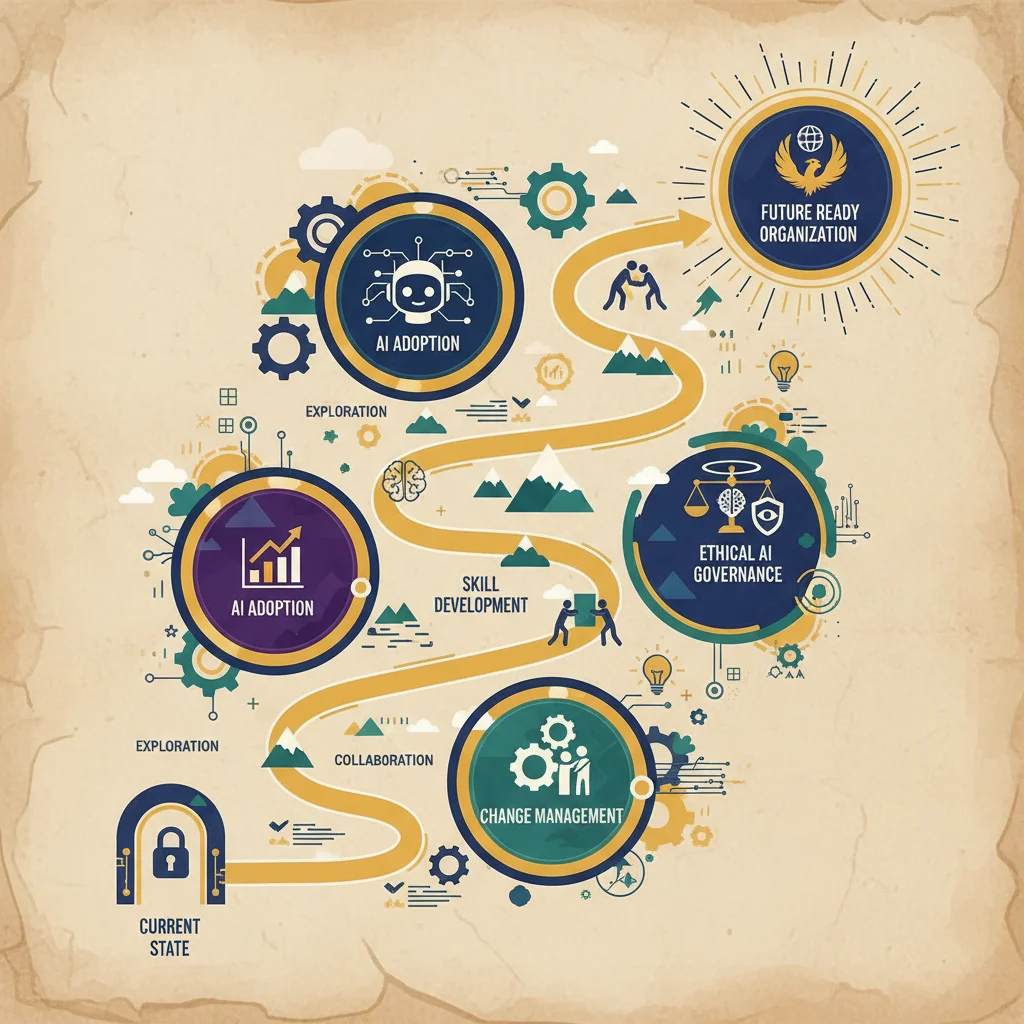
For the 40% of US companies successfully integrating AI, certain best practices stand out. These provide a roadmap for organizations looking to embark on or optimize their blended workforce AI journey.
Start Small, Think Big: Pilot Programs and Scalability
Instead of attempting a massive, organization-wide AI overhaul, successful companies often start with pilot programs. Identify specific pain points or areas where AI can deliver clear, measurable value quickly. This allows teams to learn, iterate, and demonstrate success before scaling up. A phased approach reduces risk, builds confidence, and provides valuable insights into what works and what doesn’t within your specific organizational context. The goal is to prove the concept of a blended workforce AI in a controlled environment before expanding its reach.
Invest in Continuous Learning and Development
As highlighted earlier, reskilling and upskilling are non-negotiable. Companies must proactively invest in continuous learning platforms, workshops, and certifications to equip their workforce with AI literacy, data analytics skills, and the ability to effectively collaborate with AI tools. This isn’t a one-time training event but an ongoing commitment to fostering a culture of lifelong learning. Empowering employees with the skills for a blended workforce AI is key to their adaptability and job security.
Foster a Culture of Experimentation and Collaboration
Successful AI integration requires an organizational culture that embraces experimentation, tolerates failure as a learning opportunity, and encourages collaboration between different departments and between humans and machines. Break down silos, encourage cross-functional teams to explore AI solutions, and create safe spaces for employees to experiment with new AI tools and workflows. This collaborative spirit is fundamental to maximizing the potential of a blended workforce AI.
Prioritize Ethical AI and Governance from Day One
Establish clear ethical guidelines and governance frameworks for AI development and deployment from the very beginning. This includes defining principles for data privacy, algorithmic fairness, transparency, and accountability. Regularly audit AI systems for bias, ensure compliance with relevant regulations, and involve diverse perspectives in the design and review of AI solutions. Ethical considerations are not an afterthought; they are foundational to building a responsible and sustainable blended workforce AI.
Measure Impact and Iterate
Like any strategic initiative, the impact of AI integration must be rigorously measured. Define clear KPIs (Key Performance Indicators) to track efficiency gains, cost savings, employee satisfaction, customer experience improvements, and innovation metrics. Use this data to continually evaluate the effectiveness of your blended workforce AI strategy, make necessary adjustments, and iterate on your approach. The world of AI is rapidly evolving, and your strategy must be agile enough to adapt.
The Future is Blended: AI as a Partner, Not a Replacement
The trend of a blended workforce AI is not just a passing fad; it is the definitive future of work. The 40% of US companies actively pursuing this integration are setting a precedent, demonstrating that AI is most powerful when it amplifies human capabilities rather than seeking to replace them entirely. This symbiotic relationship promises a future where work is more efficient, more innovative, and ultimately, more human.
As AI technologies continue to advance, the distinction between human and machine tasks will become increasingly blurred, leading to even more sophisticated forms of collaboration. Companies that embrace this shift, invest in their people, and navigate the ethical complexities will be the ones that lead the next wave of economic growth and societal progress. The journey towards a fully optimized blended workforce AI is ongoing, but the direction is clear: together, humans and AI can achieve extraordinary things.
Embracing the AI-Powered Future
The imperative for businesses today is not whether to adopt AI, but how to adopt it strategically and responsibly to create a thriving blended workforce AI. This means:
- Strategic Planning: Identifying specific business problems that AI can solve and aligning AI initiatives with broader organizational goals.
- Talent Development: Proactively investing in training and upskilling programs to prepare employees for new roles and responsibilities in an AI-augmented environment.
- Cultural Transformation: Fostering an organizational culture that embraces change, encourages collaboration between humans and AI, and values continuous learning.
- Ethical Frameworks: Developing and implementing robust ethical guidelines for AI usage, ensuring fairness, transparency, and accountability.
- Agile Implementation: Adopting an iterative approach to AI deployment, starting with pilot projects and scaling successful initiatives based on measurable outcomes.
The companies that master the art of the blended workforce AI will not only see significant improvements in their bottom line but will also cultivate a more engaged, innovative, and resilient workforce, ready to tackle the challenges and opportunities of tomorrow.