Autonomous Vehicle Milestones: US Forecast to 2028
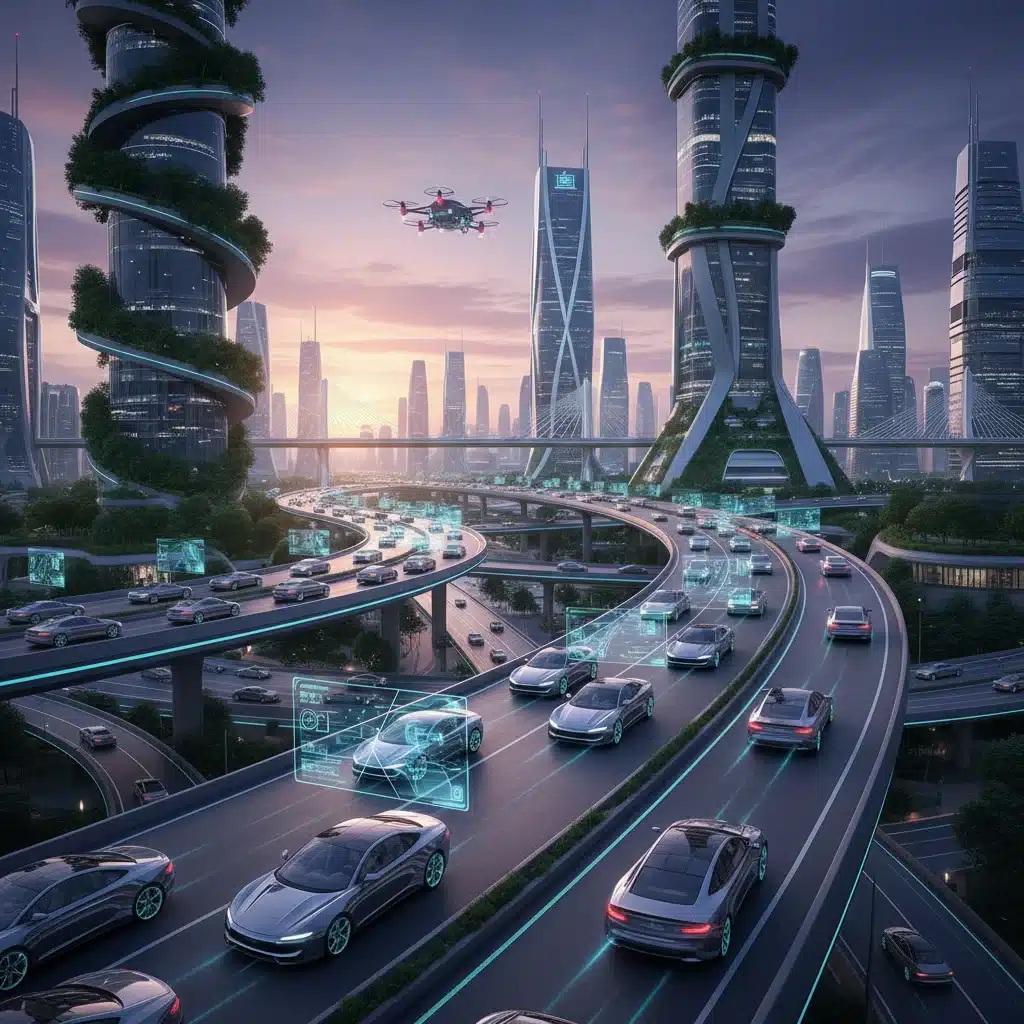
The landscape of transportation is on the cusp of a profound transformation, driven by the relentless march of autonomous vehicle technology. What once seemed like science fiction is rapidly becoming a tangible reality, with self-driving cars poised to redefine how we commute, travel, and interact with our urban environments. The United States, a hotbed of innovation and a significant market for automotive advancements, is at the forefront of this revolution. As we look towards 2028, several critical autonomous vehicle milestones are not just expected but are actively being pursued by industry leaders, researchers, and policymakers. These milestones will not only showcase technological prowess but also signify crucial shifts in regulatory frameworks, public acceptance, and infrastructure development.
The journey to fully autonomous vehicles is complex, fraught with technical challenges, ethical considerations, and significant societal implications. However, the potential benefits—reduced accidents, improved traffic flow, increased accessibility, and new economic opportunities—are too compelling to ignore. This article will delve into six pivotal autonomous vehicle milestones that are anticipated to materialize in the US by 2028, offering a comprehensive look at the future of transportation and the exciting developments on the horizon.
The Road Ahead: Understanding Autonomous Driving Levels
Before we explore the specific autonomous vehicle milestones, it’s essential to understand the different levels of autonomous driving as defined by the Society of Automotive Engineers (SAE). These levels provide a standardized classification from no automation to full automation:
- Level 0: No Automation – The human driver does everything.
- Level 1: Driver Assistance – The vehicle can sometimes assist with steering or braking/acceleration, but not simultaneously.
- Level 2: Partial Automation – The vehicle can control both steering and acceleration/deceleration in specific circumstances, but the driver must remain engaged and monitor the environment.
- Level 3: Conditional Automation – The vehicle can perform all driving tasks under certain conditions, but the human driver must be ready to take over when prompted.
- Level 4: High Automation – The vehicle can perform all driving tasks and monitor the driving environment under specific conditions (e.g., geofenced areas). The driver is not expected to take over.
- Level 5: Full Automation – The vehicle can perform all driving tasks under all conditions, human intervention is never required.
Most of the significant autonomous vehicle milestones we anticipate by 2028 will involve advancements within Level 3 and Level 4 capabilities, pushing the boundaries of what these systems can safely and reliably achieve in real-world scenarios.
Milestone 1: Widespread Commercial Deployment of Level 3 Systems
One of the most immediate and impactful autonomous vehicle milestones expected by 2028 is the widespread commercial deployment of Level 3 autonomous driving systems across a broader range of consumer vehicles in the US. While some manufacturers have already introduced limited Level 3 capabilities, such as Mercedes-Benz’s DRIVE PILOT in specific states, 2028 is expected to see this technology become more common, moving beyond luxury segments into more mainstream markets.
This milestone signifies a crucial shift where drivers can legally disengage from the driving task under specific conditions, such as on highways or in congested traffic. The technological advancements required for this include more robust sensor fusion (combining data from cameras, radar, LiDAR), enhanced AI decision-making algorithms, and sophisticated real-time mapping. The regulatory landscape will also need to evolve rapidly to accommodate these systems, with states developing clear guidelines for liability and operational parameters. The expansion of Level 3 will undoubtedly be a significant step in building public trust and familiarity with autonomous capabilities, paving the way for higher levels of automation. This isn’t just about a few cars having the tech; it’s about a significant portion of new vehicle sales offering it as a premium, yet accessible, feature.
The implications for daily commuting are vast. Imagine long stretches of highway where you can safely read, work, or relax while your car handles the driving. This increased productivity and reduced driver fatigue represent substantial quality-of-life improvements. Furthermore, as more Level 3 vehicles hit the road, the data collected will be invaluable for refining these systems and addressing edge cases, accelerating the development cycle for even more advanced autonomous capabilities. Overcoming the initial skepticism and demonstrating consistent reliability will be key to achieving this widespread adoption. Consumer education will play a critical role in ensuring drivers understand the limitations and responsibilities associated with Level 3 systems, particularly the need for human readiness to intervene when prompted.
Milestone 2: Significant Expansion of Level 4 Robotaxi Services in Geofenced Urban Areas
By 2028, another monumental autonomous vehicle milestones will be the substantial expansion of Level 4 robotaxi services beyond their current limited deployments. Companies like Waymo and Cruise have already demonstrated the viability of fully autonomous (Level 4) ride-hailing services in specific, geofenced areas in cities like Phoenix, San Francisco, and Austin. By 2028, we anticipate these services to not only expand their operational domains within existing cities but also launch in several new major US metropolitan areas.
This expansion will be driven by continued improvements in perception systems, predictive algorithms, and the ability of autonomous vehicles to handle complex urban scenarios, including unpredictable pedestrians, cyclists, and diverse weather conditions. The regulatory environment will play a critical role here, with city and state governments needing to establish clear permitting processes, safety standards, and operational guidelines for these driverless fleets. The economic model for these services will also mature, potentially leading to more competitive pricing and greater accessibility for the general public.
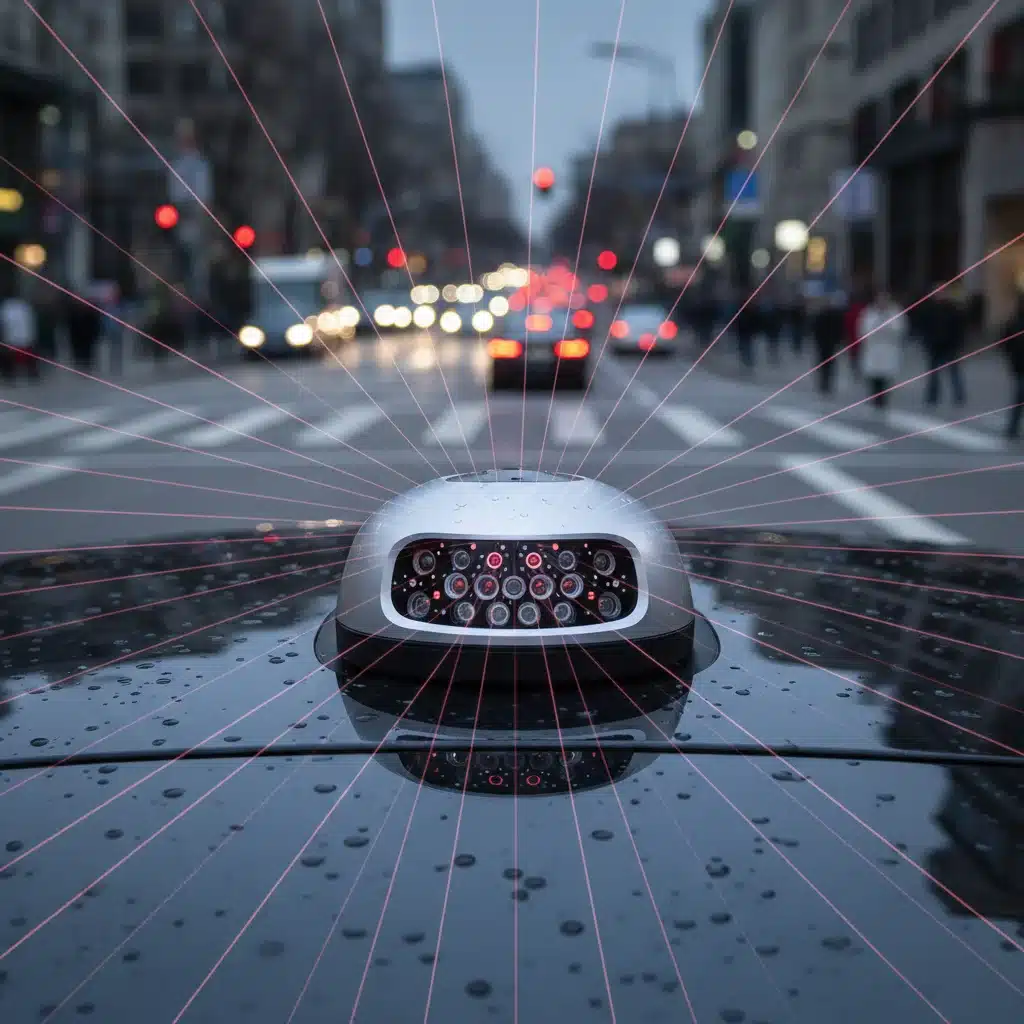
The impact of this milestone on urban mobility will be transformative. It could lead to reduced private car ownership, decreased traffic congestion, and improved air quality in cities. For many, robotaxis will offer a convenient, safe, and potentially more affordable alternative to traditional ride-hailing or public transport. Furthermore, the data generated by these expanded fleets will be immense, providing crucial insights for further technological refinement and regulatory adjustments. The challenge will be scaling these operations efficiently and ensuring consistent safety across diverse and dynamic urban environments. Public acceptance, driven by positive experiences and transparent safety reporting, will be paramount for widespread adoption. This expansion will also require robust infrastructure for charging, maintenance, and remote monitoring of these autonomous fleets, creating new job opportunities in the autonomous vehicle ecosystem.
Milestone 3: Advanced Sensor Fusion and AI for All-Weather Autonomy
A key technological autonomous vehicle milestone expected by 2028 is the significant advancement in sensor fusion and artificial intelligence (AI) to enable more reliable all-weather autonomous operation. Current autonomous systems often struggle with adverse weather conditions such as heavy rain, snow, fog, or blinding sunlight. These conditions can degrade the performance of individual sensors (cameras, radar, LiDAR), leading to reduced perception and increased safety risks.
By 2028, we anticipate breakthroughs in integrating and interpreting data from multiple sensor modalities, making autonomous vehicles more resilient to environmental challenges. This includes:
- Next-generation LiDAR: More robust to precipitation and capable of longer-range, higher-resolution mapping.
- High-resolution Radar: Providing detailed object classification and velocity estimation, even through fog and heavy rain.
- Thermal Imaging: Enhancing pedestrian and animal detection in low light and adverse weather.
- Advanced AI Algorithms: Capable of fusing disparate data streams, identifying anomalies, and making robust decisions even with partial or noisy sensor inputs.
- Predictive Modeling: AI systems that can anticipate changes in weather and road conditions, adjusting driving behavior accordingly.
Achieving this milestone is critical for expanding autonomous vehicle operations beyond fair-weather geofenced zones. It will unlock the potential for Level 4 and eventually Level 5 autonomy in regions that experience diverse climates, making autonomous transportation a truly universal solution. The development of self-cleaning sensors and improved heating/cooling mechanisms to prevent obstruction will also be part of this advancement. This will not only enhance safety but also improve the reliability and utility of autonomous services for consumers and logistics companies alike. The ability to operate consistently regardless of weather will significantly broaden the addressable market for autonomous vehicles and services, leading to greater economies of scale and further innovation.
Milestone 4: Commercialization of Autonomous Long-Haul Trucking in Dedicated Corridors
While consumer passenger vehicles often grab headlines, autonomous long-haul trucking represents another crucial autonomous vehicle milestone with immense economic implications. By 2028, we expect to see the commercialization and scaled deployment of Level 4 autonomous trucks operating on dedicated highway corridors in the US. Companies like TuSimple, Embark, and Aurora are already making significant progress in this sector, conducting pilot programs and demonstrating the feasibility of driverless freight transportation.
This milestone will likely involve a hub-to-hub model, where human drivers handle the initial and final legs of a journey in urban areas, while autonomous trucks take over for the long-distance highway portions. The benefits are substantial: increased efficiency, reduced operating costs (due to lower fuel consumption and optimized routing), and a solution to the persistent shortage of truck drivers. Furthermore, autonomous trucks can operate for longer hours than human drivers, potentially speeding up delivery times and improving supply chain resilience.
The regulatory framework for autonomous trucking will be a significant factor in achieving this milestone. Federal and state governments will need to establish clear rules for operation, licensing, and liability. The technology will require robust perception systems capable of handling high speeds, varying loads, and interaction with human-driven vehicles on highways. Cybersecurity will also be paramount to protect these critical logistical assets from malicious attacks. The successful implementation of autonomous trucking could fundamentally reshape the logistics industry, leading to more efficient goods movement and potentially lowering consumer costs. It also presents a unique opportunity to enhance road safety by reducing accidents caused by human error and fatigue in long-haul operations. The economic impact of this milestone is projected to be enormous, streamlining supply chains and fostering new types of logistics businesses.
Milestone 5: Standardized Communication Protocols and V2X Infrastructure Development
Another foundational autonomous vehicle milestone by 2028 will be the establishment of more standardized communication protocols and the initial rollout of Vehicle-to-Everything (V2X) infrastructure. While individual autonomous vehicles are highly capable, their true potential is unlocked when they can communicate seamlessly with each other (V2V), with roadside infrastructure (V2I), with pedestrians (V2P), and with the broader network (V2N).
By 2028, we anticipate significant progress in:
- Standardized Communication: Agreement on universal communication standards (e.g., C-V2X based on 5G) that allow vehicles from different manufacturers to exchange critical information reliably and securely.
- Smart Infrastructure: Deployment of smart traffic lights, road sensors, and communication nodes that can provide real-time data on traffic flow, road hazards, and construction zones directly to autonomous vehicles.
- Data Sharing Ecosystems: Development of secure platforms for sharing anonymized data between vehicles, infrastructure, and urban planning systems to optimize traffic management and enhance safety.
This milestone is crucial for enhancing the safety, efficiency, and overall intelligence of autonomous transportation systems. V2X communication can provide autonomous vehicles with a ‘sixth sense,’ allowing them to ‘see’ around corners, anticipate braking vehicles ahead, and receive warnings about hazards long before their on-board sensors detect them. This will lead to smoother traffic flow, fewer accidents, and more optimized route planning. The development of this infrastructure will require significant public and private investment, as well as collaboration between automotive companies, technology providers, and government agencies. Cybersecurity will, once again, be a paramount concern, ensuring the integrity and privacy of shared data. Without robust V2X, autonomous vehicles will always operate with some level of inherent limitation; its development marks a critical step towards a truly integrated and intelligent transportation network. This collaborative effort will also foster greater interoperability, ensuring that autonomous systems from various providers can coexist and cooperate effectively on shared roadways, further accelerating the adoption and benefits of the technology across the nation.
Milestone 6: Initial Deployment of Autonomous Public Transit Shuttles in Controlled Environments
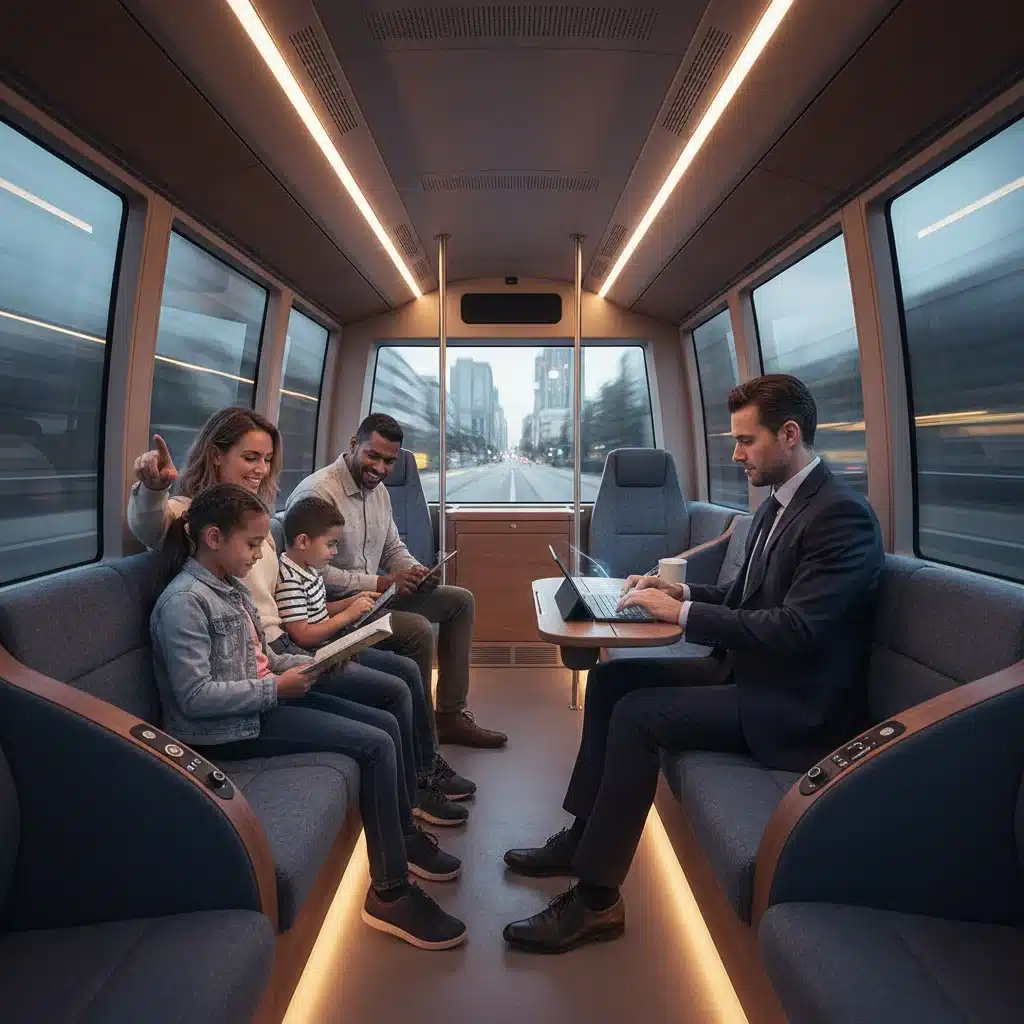
The final significant autonomous vehicle milestone we foresee by 2028 is the initial deployment and scaling of autonomous public transit shuttles in controlled environments. While not as flashy as robotaxis or self-driving cars, these shuttles represent a vital step towards more efficient and accessible public transportation, particularly for first-mile/last-mile solutions or within campuses, airports, and planned communities.
These Level 4 autonomous shuttles, often operating at lower speeds on predefined routes, can fill critical gaps in existing public transit networks. They can provide on-demand services, reduce operational costs for transit authorities, and improve connectivity for residents in areas not well-served by traditional bus or rail lines. Several pilot programs are already underway in various US cities and university campuses, demonstrating the potential of this technology.
By 2028, we expect to see these deployments move beyond pilot phases into more permanent, scaled operations. This will involve:
- Robust Software: Systems capable of handling dynamic passenger loading/unloading, wheelchair accessibility, and interaction with diverse public spaces.
- Safety Standards: Clearly defined safety protocols and certification processes for autonomous public transport.
- Public Acceptance: Building trust among passengers and local communities through reliable and safe operation.
- Integration with Existing Transit: Seamless integration with current public transport apps and payment systems.
The success of these autonomous shuttles will demonstrate the versatility of autonomous technology beyond private vehicles and long-haul trucking. It will highlight the potential for improved urban planning, reduced traffic congestion, and enhanced mobility for elderly and disabled populations. This milestone, while perhaps less visible than a fully driverless car in every driveway, is crucial for building a truly inclusive and efficient future transportation ecosystem. The data gathered from these deployments will be instrumental in refining the technology for broader applications, showcasing autonomous systems as a viable and beneficial component of a multi-modal transportation strategy. Moreover, these controlled deployments offer a safer, more manageable environment to test and validate the complex interactions between autonomous vehicles and human users in a public setting, gradually paving the way for wider acceptance and deployment of self-driving technology in more complex scenarios. The economic benefits for municipalities, through reduced operational costs and increased ridership, will also provide a strong incentive for further investment and expansion.
Challenges and Considerations for Achieving These Milestones
While the outlook for these autonomous vehicle milestones is optimistic, several significant challenges and considerations must be addressed:
- Regulatory Harmonization: The patchwork of state-level regulations in the US can hinder widespread deployment. A more harmonized federal framework is essential.
- Cybersecurity: Protecting autonomous systems from hacking and data breaches is paramount for safety and public trust.
- Ethical Dilemmas: Programming vehicles to make life-or-death decisions in unavoidable accident scenarios remains a complex philosophical and technical challenge.
- Public Acceptance: Overcoming public skepticism and fear through education, transparent communication, and consistent safety records is crucial.
- Infrastructure Investment: The development of V2X infrastructure and smart city technologies requires substantial and coordinated investment.
- Cost: The high cost of advanced sensor suites and computing power currently limits widespread adoption. Costs are expected to decrease, but affordability remains a factor.
- Data Management: The sheer volume of data generated by autonomous vehicles presents challenges in storage, processing, and privacy.
- Edge Cases: Dealing with unpredictable and rare ‘edge cases’ that current AI models may not have encountered is a continuous development hurdle.
- Workforce Transition: The impact on jobs in the trucking and taxi industries will require thoughtful planning and retraining programs.
Addressing these challenges will require ongoing collaboration between government, industry, academia, and the public. The pace at which these issues are resolved will directly influence the speed and success of achieving these critical autonomous vehicle milestones. The iterative process of testing, deployment, learning, and refinement will be continuous, ensuring that as technology advances, so too do the safety and reliability standards. Furthermore, the development of robust simulation environments will continue to be crucial for testing millions of scenarios, including edge cases, without putting real-world safety at risk. This combination of virtual and real-world testing will be fundamental to accelerating the maturity and trustworthiness of autonomous systems across all levels of automation.
The Broader Impact of Autonomous Vehicle Milestones
The achievement of these autonomous vehicle milestones by 2028 will extend far beyond just self-driving cars. It will catalyze a cascade of societal, economic, and environmental impacts:
- Enhanced Safety: A significant reduction in traffic accidents and fatalities, as human error is eliminated from the driving equation.
- Increased Accessibility: Greater mobility for the elderly, disabled, and those unable to drive, fostering more inclusive communities.
- Economic Growth: Creation of new industries, job roles in AI development, infrastructure, maintenance, and data management.
- Environmental Benefits: Optimized traffic flow and potentially electric autonomous fleets could lead to reduced emissions and fuel consumption.
- Urban Planning Transformation: Less need for vast parking spaces, allowing cities to repurpose land for parks, housing, or commercial development.
- Productivity Gains: Commuters can reclaim travel time for work, education, or leisure, boosting overall productivity.
- Supply Chain Efficiency: Streamlined logistics and reduced costs in freight transportation.
These transformations underscore why the pursuit of autonomous technology is not just about convenience but about fundamentally improving the quality of life and economic resilience. The shift from human-driven to autonomous vehicles represents one of the most significant technological paradigm shifts of our generation, comparable to the advent of the internet or the personal computer. Each milestone reached by 2028 will build upon the last, creating a cumulative effect that propels us towards a future where autonomous transportation is not just common, but a seamless and integrated part of daily life. The societal benefits, ranging from improved public health due to reduced pollution and accidents, to the economic revitalization of certain sectors, paint a compelling picture of why these milestones are so critical. Moreover, the data generated by these advanced systems will provide unprecedented insights into traffic patterns, urban planning effectiveness, and even human behavior, enabling smarter, more responsive infrastructure development and policy-making for decades to come.
Conclusion: A Future Driven by Innovation
The journey towards a fully autonomous transportation ecosystem is an intricate one, marked by continuous innovation, regulatory adaptation, and societal integration. The six autonomous vehicle milestones expected in the US by 2028—widespread Level 3 deployment, expanded Level 4 robotaxis, all-weather autonomy, autonomous long-haul trucking, standardized V2X infrastructure, and autonomous public transit shuttles—represent critical junctures in this evolution.
Achieving these milestones will not be without its hurdles, but the collective efforts of engineers, policymakers, and industry leaders are steadily paving the way. As we approach 2028, the vision of safer, more efficient, and more accessible transportation is moving closer to reality. These advancements promise to reshape our cities, economies, and daily lives in profound ways, ushering in an era where the act of driving is transformed, and the possibilities of mobility are dramatically expanded. The future of transportation is autonomous, and the next few years will be pivotal in defining its trajectory in the United States. The progress made in reaching these autonomous vehicle milestones will serve as a testament to human ingenuity and our collective drive to build a better, more connected, and safer world on wheels. The continuous cycle of research, development, and deployment, coupled with a commitment to addressing the ethical and societal implications, will ensure that the promise of autonomous vehicles is fully realized for the benefit of all. The next five years will truly be a defining period for autonomous technology, setting the stage for a revolution that will impact generations to come.