The Future of Work in the US: 5 Emerging AI-Driven Job Sectors by 2030

The Future of Work in the US: 5 Emerging AI-Driven Job Sectors by 2030
The dawn of artificial intelligence (AI) is not merely a technological advancement; it’s a seismic shift reshaping the very fabric of the global economy and, more specifically, the job market in the United States. As we hurtle towards 2030, the conventional understanding of ‘work’ is undergoing a profound metamorphosis. Automation, machine learning, and advanced analytics are not just optimizing existing processes; they are actively creating entirely new categories of employment, spawning a fresh wave of AI-driven job sectors. This comprehensive exploration delves into the top five emerging AI-driven job sectors that are projected to dominate the US employment landscape by the end of this decade, offering a critical lens into where the opportunities lie for the workforce of tomorrow.
For decades, science fiction has painted vivid, often dystopian, pictures of AI’s impact on human labor. However, the reality, while complex, is far more nuanced. While some repetitive tasks are undoubtedly being automated, the rise of AI is simultaneously generating a significant demand for human skills that complement these advanced technologies. This article aims to demystify these changes, providing clarity and actionable insights for individuals, educators, and policymakers alike. Understanding these emerging AI-driven job sectors is not just about predicting the future; it’s about actively preparing for it, ensuring a skilled and adaptable workforce capable of thriving in an AI-powered economy.
The AI Revolution: A Catalyst for New Opportunities
The ubiquity of AI is no longer a distant dream but a present reality. From predictive analytics in retail to sophisticated diagnostic tools in healthcare, AI is permeating every industry. This widespread adoption is the primary driver behind the emergence of new AI-driven job sectors. These aren’t just minor adjustments to existing roles; they represent entirely new domains requiring specialized knowledge and skills at the intersection of technology, data, and human ingenuity. The US, as a global leader in technological innovation, is particularly poised to experience and capitalize on these transformations.
The shift is not about AI replacing humans wholesale, but rather about AI augmenting human capabilities, creating a need for professionals who can design, deploy, manage, and ethically govern these intelligent systems. This symbiotic relationship between humans and AI is the cornerstone of these emerging job sectors. Furthermore, the ethical implications, societal impact, and regulatory frameworks surrounding AI will also create a plethora of new roles focused on ensuring responsible development and deployment. The economic impact of these new roles is expected to be substantial, driving growth and fostering innovation across various industries.
Understanding the "AI-Driven Job Sectors" Phenomenon
When we talk about AI-driven job sectors, we are referring to industries or specialized areas within industries where the core functions, services, or products are fundamentally powered, enabled, or created by artificial intelligence. This includes roles that directly develop AI, those that manage AI systems, and those that leverage AI to deliver new services or insights. The rapid evolution of AI technologies, such as deep learning, natural language processing, and computer vision, continues to expand the scope and complexity of these sectors, demanding a workforce equipped with cutting-edge skills. The demand for these skills is already outpacing supply, indicating a significant opportunity for those willing to adapt and learn.
1. AI Development and Engineering
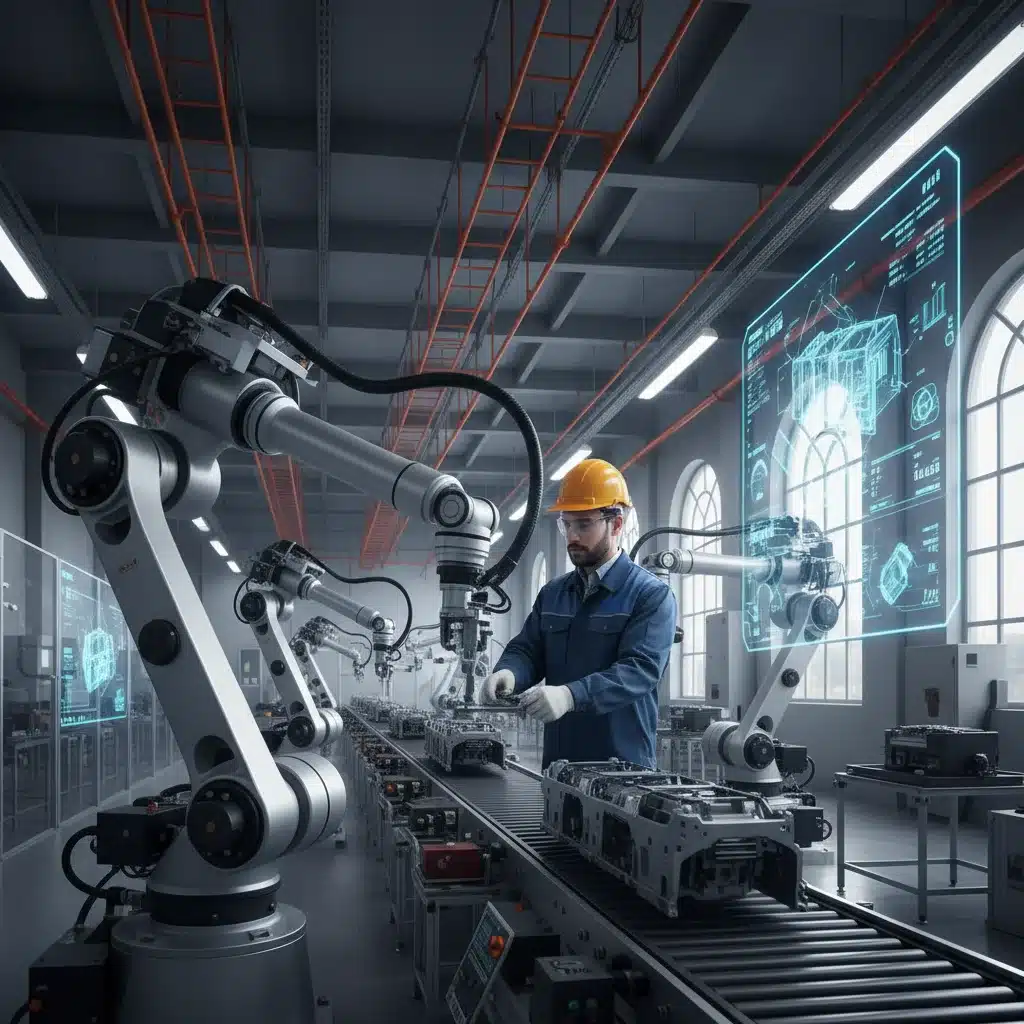
At the forefront of the AI-driven job sectors is the foundational area of AI development and engineering. This sector encompasses the creation, implementation, and maintenance of AI systems themselves. As AI becomes more sophisticated and integrated into various aspects of life and business, the demand for professionals who can build these complex systems will only intensify. This isn’t just about coding; it involves a deep understanding of machine learning algorithms, neural networks, data structures, and software architecture.
Key Roles and Skills in AI Development and Engineering:
- AI Engineers: These professionals are responsible for designing, developing, and deploying AI models and applications. They often possess strong programming skills (Python, R, Java), expertise in machine learning frameworks (TensorFlow, PyTorch), and a solid grasp of data science principles. Their work spans from building recommendation engines to developing autonomous systems.
- Machine Learning Engineers: Specializing in the algorithms that allow AI systems to learn from data, ML engineers are crucial for training, evaluating, and optimizing machine learning models. They need a strong foundation in statistics, probability, and advanced mathematics, alongside practical coding abilities.
- Deep Learning Specialists: A subset of machine learning, deep learning focuses on neural networks with multiple layers. Specialists in this area work on cutting-edge applications like image recognition, natural language understanding, and complex pattern detection, requiring expertise in specific deep learning architectures and libraries.
- AI Architects: These individuals design the overall structure and framework of AI systems, ensuring scalability, efficiency, and integration with existing infrastructure. They bridge the gap between high-level business requirements and technical implementation, requiring a holistic view of AI solutions.
The growth in this sector is fueled by the insatiable appetite for more intelligent, efficient, and autonomous systems across all industries. From smart cities to personalized medicine, the underlying AI infrastructure needs skilled hands to bring it to life and continuously improve it. Educational institutions and training programs are rapidly evolving to meet this demand, offering specialized degrees and certifications in AI and machine learning. Continuous learning will be paramount for professionals in this dynamic field.
2. AI Ethics, Governance, and Policy
As AI’s capabilities expand, so do the ethical considerations and societal implications. This has given rise to a critical new AI-driven job sector focused on ensuring that AI is developed and deployed responsibly, fairly, and transparently. The rapid advancement of AI technologies has outpaced the development of regulatory frameworks and ethical guidelines, creating an urgent need for professionals who can bridge this gap. This sector is not just about compliance; it’s about shaping the future of AI in a way that benefits humanity while mitigating potential risks.
Key Roles and Skills in AI Ethics, Governance, and Policy:
- AI Ethicists: These experts analyze the moral implications of AI systems, focusing on issues like bias, fairness, accountability, and privacy. They work to develop ethical guidelines and frameworks, often collaborating with engineers and policymakers to integrate ethical considerations into the AI development lifecycle.
- AI Policy Analysts/Advisors: Working with governments, NGOs, and corporations, these professionals help shape policies and regulations related to AI. They monitor technological advancements, assess societal impacts, and recommend legislative actions to ensure responsible AI development and deployment.
- AI Governance Specialists: Focused on establishing and enforcing rules, procedures, and oversight mechanisms for AI systems within organizations. This includes data governance, model risk management, and ensuring compliance with emerging AI regulations.
- Trust and Safety Engineers (for AI): These roles are emerging in technology companies, focusing on building AI systems that are safe, reliable, and trustworthy. They work on identifying and mitigating risks such as algorithmic bias, misuse of AI, and security vulnerabilities.
The importance of this sector cannot be overstated. Without a strong focus on ethics and governance, AI could exacerbate existing societal inequalities, infringe on privacy, or even pose existential risks. Professionals in this area will play a pivotal role in ensuring that AI serves as a force for good, requiring a unique blend of technical understanding, legal acumen, philosophical insight, and strong communication skills. Universities are beginning to offer interdisciplinary programs that combine computer science with ethics, law, and social sciences to cultivate talent for this crucial field.
3. AI-Powered Healthcare and Life Sciences
The healthcare and life sciences industries are being revolutionized by AI, making this one of the most impactful AI-driven job sectors. From accelerating drug discovery to personalizing patient care, AI offers unprecedented capabilities to improve human health. The ability of AI to process vast amounts of medical data, identify complex patterns, and assist in diagnostic and treatment decisions is transforming medical practice and research.
Key Roles and Skills in AI-Powered Healthcare and Life Sciences:
- Medical AI Specialists/Engineers: These professionals develop and implement AI solutions specifically for medical applications, such as image analysis for diagnostics, predictive models for disease outbreaks, and AI-assisted surgical tools. They need expertise in both AI and medical domain knowledge.
- Bioinformatics Scientists (with AI focus): Combining biology, computer science, and statistics, these scientists use AI to analyze complex biological data, including genomics, proteomics, and drug discovery data. Their work is critical for understanding diseases and developing new therapies.
- Clinical AI Integrators: These roles focus on integrating AI tools and systems into clinical workflows, ensuring seamless adoption by healthcare providers. They act as a bridge between technical AI teams and medical practitioners, requiring strong communication and project management skills.
- AI-Driven Drug Discovery Scientists: Utilizing AI and machine learning to accelerate the identification of new drug candidates, optimize molecular structures, and predict drug efficacy and toxicity. This field requires a strong background in chemistry, pharmacology, and AI.
The convergence of AI with medical science promises a future where diseases are diagnosed earlier, treatments are more effective, and healthcare is more accessible and personalized. However, this also necessitates careful consideration of data privacy, regulatory approvals, and the ethical use of AI in sensitive medical contexts. The demand for professionals who can navigate these complexities while pushing the boundaries of medical innovation will be immense.
4. AI-Enhanced Customer Experience and Marketing
The way businesses interact with customers and market their products is being profoundly reshaped by AI, establishing this as a rapidly growing AI-driven job sector. AI enables hyper-personalization, predictive customer service, and highly efficient marketing campaigns, leading to improved customer satisfaction and business growth. The ability of AI to analyze customer behavior, preferences, and feedback at scale provides an unparalleled advantage in competitive markets.
Key Roles and Skills in AI-Enhanced Customer Experience and Marketing:
- AI Marketing Strategists: These professionals design and implement marketing strategies that leverage AI tools for audience segmentation, content personalization, predictive analytics for campaign performance, and automated ad bidding. They need a blend of marketing acumen and AI literacy.
- Customer Experience (CX) AI Specialists: Focused on deploying AI-powered chatbots, virtual assistants, and predictive analytics to enhance customer service, personalize interactions, and anticipate customer needs. They ensure that AI systems contribute positively to the overall customer journey.
- Data Scientists (Marketing/CX focus): Applying data science techniques and machine learning to analyze customer data, identify trends, predict churn, and optimize customer lifetime value. Their insights drive targeted marketing efforts and product development.
- AI Content Generators/Optimizers: Utilizing natural language generation (NLG) AI to create personalized marketing copy, product descriptions, and even full articles, while also using AI to optimize existing content for SEO and engagement.
The future of customer engagement will be intrinsically linked to AI’s ability to create seamless, personalized, and proactive experiences. Businesses that fail to adopt AI in these areas risk falling behind. Professionals in this sector will need to understand both the technical capabilities of AI and the psychological nuances of consumer behavior to design truly impactful strategies. The ethical implications of data usage and privacy in marketing will also be a significant consideration, requiring a balanced approach to innovation and responsibility.
5. AI in Smart Infrastructure and Logistics
The development of smart cities, optimized supply chains, and advanced transportation systems represents another burgeoning AI-driven job sector. AI is crucial for managing the complexity of interconnected infrastructure, improving efficiency, reducing environmental impact, and enhancing safety in logistics and urban planning. From intelligent traffic management to predictive maintenance of utilities, AI is making our physical world smarter and more responsive.
Key Roles and Skills in AI in Smart Infrastructure and Logistics:
- Smart City AI Planners: These professionals use AI and data analytics to design and optimize urban systems, including traffic flow, public safety, energy consumption, and waste management. They work with urban planners, engineers, and government officials.
- Logistics and Supply Chain AI Analysts: Applying AI to optimize routing, inventory management, demand forecasting, and warehouse operations. Their goal is to create more efficient, resilient, and cost-effective supply chains.
- Autonomous Systems Engineers (Logistics/Transportation): Focused on developing AI for self-driving vehicles, drones for delivery, and automated warehouse robots. This requires expertise in robotics, computer vision, sensor fusion, and control systems.
- IoT and AI Integration Specialists: Bridging the gap between the Internet of Things (IoT) devices and AI platforms to collect, process, and analyze data from smart infrastructure components. They ensure data integrity and enable intelligent decision-making for urban and logistical systems.
As populations grow and global trade expands, the need for intelligent infrastructure and highly optimized logistics becomes paramount. AI provides the tools to manage this complexity, creating sustainable and efficient systems. Professionals in this sector will need a strong grasp of engineering principles, data science, and an understanding of urban development or logistical operations. The intersection of physical infrastructure with advanced digital intelligence will define the next generation of urban and global connectivity.
Preparing for the Future: Education and Adaptability
The emergence of these AI-driven job sectors underscores a critical need for adaptability and continuous learning. For individuals, this means embracing new skills, particularly in data science, programming, critical thinking, and ethical reasoning. Traditional educational pathways are evolving, with an increasing emphasis on interdisciplinary studies that combine technical prowess with humanities and social sciences.
Universities and vocational training programs are rapidly developing curricula tailored to these emerging fields. Online learning platforms offer accessible avenues for upskilling and reskilling, allowing professionals to acquire the necessary competencies without interrupting their careers. Government initiatives and corporate training programs also play a vital role in preparing the workforce for the AI era.
The Role of Soft Skills
While technical skills are undeniably crucial, the importance of ‘soft skills’ in these AI-driven job sectors cannot be overstated. Creativity, critical thinking, problem-solving, collaboration, and emotional intelligence will become even more valuable as AI handles routine and analytical tasks. The ability to innovate, to ask the right questions, and to work effectively in diverse, human-AI teams will differentiate successful professionals in the coming decade.
Ethical reasoning and a strong understanding of societal impacts are also becoming core competencies. As AI systems become more powerful and autonomous, the human element of judgment, empathy, and responsibility will be indispensable. Professionals who can navigate complex ethical dilemmas and advocate for responsible AI practices will be highly sought after.
Conclusion: Navigating the AI-Driven Future
The future of work in the US, profoundly shaped by the rise of AI-driven job sectors, presents both challenges and unparalleled opportunities. By 2030, the landscape of employment will look significantly different, with AI development and engineering, AI ethics and governance, AI-powered healthcare, AI-enhanced customer experience, and AI in smart infrastructure and logistics leading the charge.
Embracing this transformation requires foresight, investment in education, and a commitment to lifelong learning. For individuals, understanding these emerging sectors is the first step towards building a resilient and rewarding career. For businesses, it’s about strategizing for innovation and talent acquisition. For policymakers, it’s about creating an environment that fosters technological growth while ensuring equitable opportunities and ethical deployment.
The journey into an AI-powered future is not merely about adopting new technologies; it’s about reimagining what’s possible, fostering human potential, and collaboratively building a more intelligent, efficient, and responsible world. The AI-driven job sectors highlighted here are not just predictions; they are invitations to participate in shaping the next era of human endeavor.