Inflation Update: Why Consumer Prices Increased by 3.8% and What’s Next

Understanding the 3.8% Surge in Consumer Price Inflation: Causes and Future Outlook
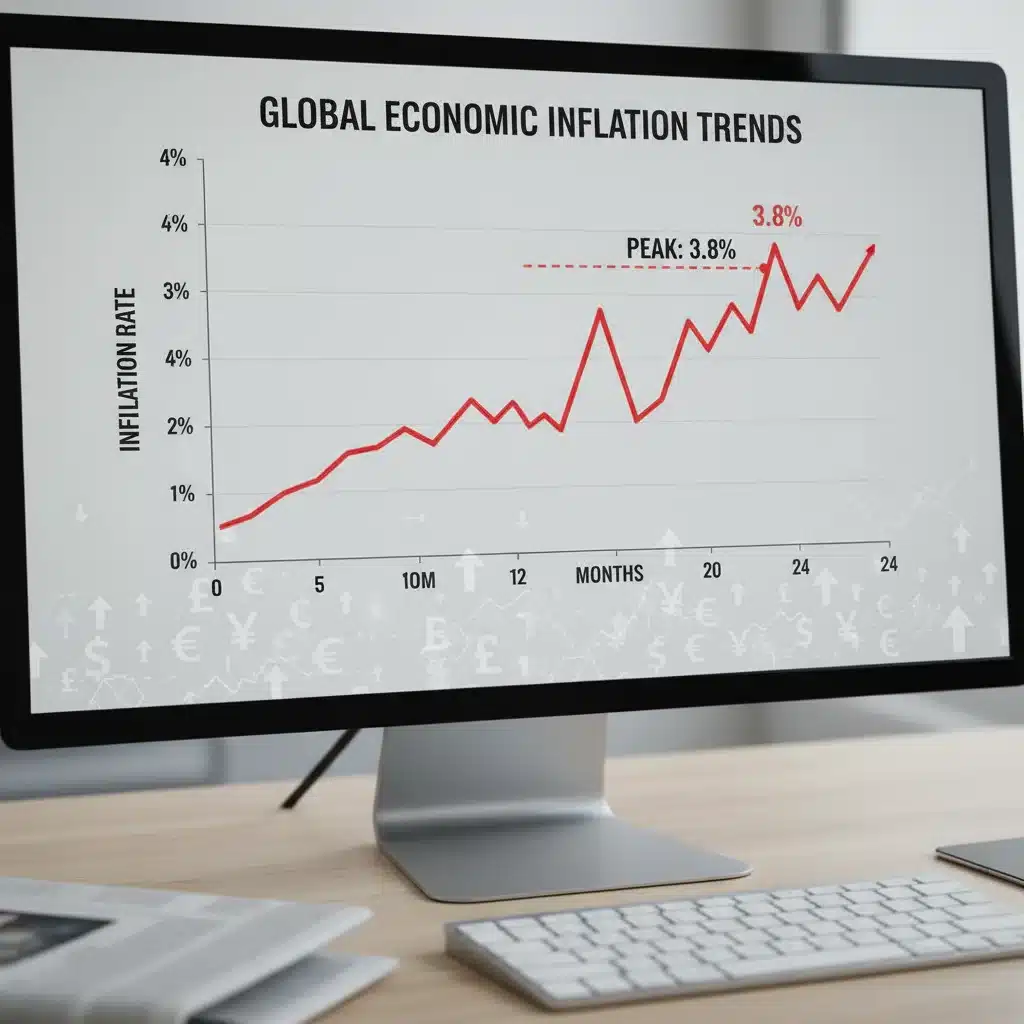
The economic landscape is constantly shifting, and one of the most critical indicators for both individuals and policymakers is inflation. Recently, the spotlight has been on the significant rise in consumer price inflation, with a notable 3.8% increase over the last 12 months. This figure isn’t just a statistic; it represents a tangible impact on household budgets, business operations, and the overall stability of the economy. Understanding the underlying causes of this surge and what it might mean for the future is paramount for navigating these uncertain financial waters. This comprehensive analysis will delve into the multifaceted factors contributing to the current inflation levels, explore the various sectors most affected, and provide insights into potential future trends and strategies for managing its effects.
When we talk about consumer price inflation, we are essentially referring to the rate at which the general level of prices for goods and services is rising, and consequently, the purchasing power of currency is falling. A 3.8% increase over a year signals a considerable erosion of purchasing power, meaning that the same amount of money buys less today than it did 12 months ago. This phenomenon affects everything from the cost of your daily cup of coffee to the price of a new car or a down payment on a house. For many, this rise translates directly into a tighter budget and difficult financial decisions.
The Primary Drivers Behind the 3.8% Consumer Price Inflation
Several interconnected factors have coalesced to push consumer price inflation to its current level. It’s rarely a single cause but rather a confluence of global and domestic economic forces. Disentangling these factors is crucial for forming an accurate picture of the economic environment.
Supply Chain Disruptions: A Lingering Legacy
One of the most persistent and impactful drivers of inflation has been the ongoing disruptions in global supply chains. The pandemic initially triggered widespread factory shutdowns, port congestion, and labor shortages. While some of these issues have eased, new challenges, such as geopolitical tensions and localized lockdowns, continue to strain the movement of goods. When goods are scarce or take longer to reach consumers, their prices naturally increase due to basic supply and demand principles. This affects a wide array of products, from electronics to apparel, contributing significantly to the overall consumer price inflation.
Energy Price Volatility: Fueling the Fire
Energy costs are a foundational component of almost every economic activity. Increases in the price of oil, natural gas, and electricity have a cascading effect throughout the economy. Higher fuel costs translate to more expensive transportation for goods, increased manufacturing expenses, and higher utility bills for households and businesses. Global events, such as conflicts in oil-producing regions or shifts in OPEC+ policies, can rapidly alter energy prices, creating significant upward pressure on consumer price inflation. The past year has seen considerable volatility in this sector, directly impacting the cost of living and doing business.
Robust Consumer Demand and Shifting Spending Patterns
Despite inflationary pressures, consumer demand in many sectors has remained remarkably strong. A combination of accumulated savings from earlier pandemic periods, fiscal stimulus measures, and a desire to resume pre-pandemic activities has fueled robust spending. When demand outstrips the available supply, businesses often raise prices. Furthermore, there has been a notable shift in spending patterns, with a greater emphasis on goods over services during certain periods, further straining supply chains for tangible products and contributing to their price increases. This strong demand acts as a significant contributor to the current levels of consumer price inflation.
Labor Market Dynamics and Wage Growth
A tight labor market, characterized by low unemployment rates and a high number of job openings, gives workers more leverage to demand higher wages. While wage growth is beneficial for individuals, businesses often pass these increased labor costs onto consumers through higher prices for their goods and services. This creates a potential wage-price spiral, where rising wages lead to higher prices, which in turn prompts demands for even higher wages. This dynamic is a key factor in understanding the persistence of consumer price inflation.
Government Fiscal Policies and Monetary Measures
Government spending and central bank monetary policies also play a crucial role. Expansionary fiscal policies, such as stimulus packages, inject more money into the economy, potentially increasing demand and contributing to inflation if supply cannot keep pace. Similarly, prolonged periods of low interest rates and quantitative easing by central banks can increase the money supply, making borrowing cheaper and stimulating economic activity, which can also lead to higher prices. The balancing act between stimulating growth and controlling inflation is a constant challenge for policymakers.
Sectors Most Affected by Rising Consumer Price Inflation
While consumer price inflation is a broad measure, its impact is not uniform across all sectors. Some areas of the economy feel the pinch more acutely than others, directly affecting household budgets and business profitability.
Food and Groceries: Everyday Impact
Perhaps the most visible and impactful area for consumers is the price of food and groceries. Rising costs for agricultural inputs (like fertilizer and fuel), labor, and transportation directly translate into higher prices at the supermarket. Families often notice these increases immediately, as food is a non-discretionary expense. The 3.8% overall increase in consumer price inflation includes significant contributions from this essential sector, making it harder for many households to maintain their standard of living.
Housing and Rent: A Significant Burden
Housing costs, including rent and homeownership expenses, represent a substantial portion of most household budgets. High demand, limited housing supply, and rising construction costs have pushed prices upward in many regions. For renters, lease renewals often come with significant increases, while prospective homebuyers face higher mortgage rates and elevated property values. This sustained pressure in the housing market is a major component of the overall consumer price inflation index.
Transportation: Fuel and Vehicle Costs
As mentioned earlier, energy prices directly affect transportation costs. Beyond fuel, the prices of new and used vehicles have also seen substantial increases due to supply chain issues (e.g., semiconductor shortages) and strong demand. Public transportation fares and ride-sharing services also tend to adjust their pricing in response to higher operational costs. For commuters and businesses relying on logistics, these increases add significant financial strain.
Services: Catching Up After the Pandemic
Initially, during the pandemic, inflation was primarily driven by goods. However, as economies reopened and people resumed activities, the demand for services surged. This includes everything from travel and hospitality to personal care and entertainment. Labor shortages in the service sector, coupled with strong demand, have led to higher prices for many services, contributing to the broader trend of consumer price inflation.
The Role of Expectations in Consumer Price Inflation
Inflationary expectations play a critical, albeit often overlooked, role in the actual trajectory of prices. If consumers and businesses expect prices to continue rising, they may adjust their behavior in ways that reinforce these expectations. Consumers might accelerate purchases to beat future price hikes, while businesses might raise prices pre-emptively or demand higher wages from their employers. This self-fulilling prophecy can make inflation more entrenched and harder to control. Central banks closely monitor these expectations as they formulate monetary policy, recognizing their power to influence future consumer price inflation.
Consumer Expectations and Spending Behavior
When consumers anticipate higher prices, they might decide to buy durable goods sooner rather than later, contributing to increased demand in the short term. This phenomenon, often seen with big-ticket items like cars or appliances, can temporarily boost economic activity but also puts upward pressure on prices. Conversely, if consumers expect prices to stabilize or even fall, they might delay purchases, which can dampen demand and help to cool inflationary pressures. Understanding these psychological aspects is vital for predicting the path of consumer price inflation.
Business Expectations and Pricing Strategies
Businesses, too, adjust their strategies based on inflation expectations. If a company anticipates that its input costs (raw materials, labor, energy) will rise, it will likely increase its own prices to maintain profit margins. This proactive pricing behavior, driven by expected future consumer price inflation, can contribute to the very inflation it anticipates. Furthermore, in wage negotiations, employees will seek higher pay increases if they expect their purchasing power to diminish due to rising costs, leading to a potential wage-price spiral.
What’s Next for Consumer Price Inflation? Future Outlook and Predictions
Predicting the future of consumer price inflation is a complex task, as it depends on a multitude of evolving factors. However, economists and financial analysts offer various perspectives on what the next 12-24 months might hold.
Potential for Moderation
Many experts believe that consumer price inflation will gradually moderate from its current levels. This outlook is based on several assumptions: the continued easing of supply chain constraints, a potential stabilization or decrease in energy prices, and the lagged effects of central bank monetary tightening. As interest rates rise, borrowing becomes more expensive, which can cool demand and reduce inflationary pressures. Furthermore, as the global economy adjusts to post-pandemic realities, some of the initial shocks that drove prices up may subside.
Persistent Inflationary Pressures
However, others argue that certain inflationary pressures might prove more persistent. Factors such as ongoing geopolitical instability, the global transition to green energy (which can be inflationary in the short term), and structural shifts in labor markets could keep consumer price inflation elevated for longer than anticipated. Additionally, the sheer amount of money injected into economies over the past few years could continue to circulate, maintaining strong demand and upward price pressure.
The Role of Central Banks
Central banks, like the Federal Reserve, are at the forefront of the battle against consumer price inflation. Their primary tool is adjusting interest rates. By raising rates, they aim to slow down economic activity, reduce demand, and bring inflation back to their target levels (typically around 2%). The challenge lies in achieving this ‘soft landing’ – curbing inflation without triggering a severe economic recession. The decisions made by these institutions will be critical in shaping the future trajectory of prices.
Strategies for Individuals and Businesses to Navigate Consumer Price Inflation
Living and operating in an environment of elevated consumer price inflation requires adaptation. Both individuals and businesses can implement strategies to mitigate its impact.
For Individuals:
- Budgeting and Tracking Expenses: More diligent budgeting becomes crucial. Identifying where money is going and cutting back on non-essential spending can help offset rising costs.
- Seeking Higher-Yield Savings Accounts: While inflation erodes purchasing power, higher-yield savings accounts or inflation-protected securities (like TIPS) can help preserve some of your capital’s value.
- Investing Wisely: Diversifying investments, potentially including real assets or stocks of companies with pricing power, can offer some protection against inflation. Consulting a financial advisor is recommended.
- Negotiating Wages: In a tight labor market, individuals may have more leverage to negotiate for higher wages or cost-of-living adjustments to keep pace with rising expenses.
- Reducing Debt: High-interest debt becomes even more burdensome during inflationary periods, especially if interest rates are rising. Prioritizing debt reduction can free up more disposable income.
For Businesses:
- Supply Chain Optimization: Diversifying suppliers, localizing production where feasible, and improving logistics can help reduce vulnerability to supply chain shocks and associated cost increases.
- Efficiency Improvements: Investing in technology and processes that increase productivity and reduce waste can help offset rising labor and input costs without solely relying on price increases.
- Strategic Pricing: Businesses need to carefully analyze their cost structures and market demand to implement strategic pricing that maintains profitability without alienating customers.
- Cost-Plus vs. Value-Based Pricing: While cost-plus pricing might seem intuitive, value-based pricing, focusing on the perceived value to the customer, can sometimes offer more flexibility in an inflationary environment.
- Hedging Against Input Costs: For businesses heavily reliant on commodities like energy or raw materials, hedging strategies can help lock in prices and provide more predictability.

The Global Context of Consumer Price Inflation
It’s important to remember that consumer price inflation is not a phenomenon isolated to one country. Many nations are grappling with similar challenges, driven by global supply chains, international energy markets, and synchronized monetary policy responses. The interconnectedness of the global economy means that inflation in one major economic bloc can have ripple effects elsewhere. Understanding this global context helps to paint a more complete picture of why prices are rising and the complexities involved in bringing them back under control. International cooperation and coordinated policy responses are sometimes necessary to address these widespread economic pressures effectively.
Impact on International Trade and Exchange Rates
High consumer price inflation can affect a country’s international trade balance and its currency’s exchange rate. If a country’s inflation rate is significantly higher than its trading partners’, its exports may become less competitive, and imports more attractive, potentially leading to a trade deficit. Furthermore, central bank responses to inflation, particularly interest rate hikes, can strengthen a country’s currency, making imports cheaper but exports more expensive. These dynamics add another layer of complexity for businesses operating internationally and for policymakers trying to manage economic stability.
Conclusion: Navigating the New Normal of Consumer Price Inflation
The 3.8% increase in consumer price inflation over the past 12 months is a clear signal of significant economic shifts. Driven by a combination of supply chain disruptions, energy price volatility, robust demand, and labor market dynamics, these rising costs are impacting households and businesses across the board. While some factors suggest a potential moderation in the future, others point to more persistent inflationary pressures. The actions of central banks will be crucial in steering economies through these turbulent times.
For individuals, proactive budgeting, smart investing, and careful financial planning are essential. For businesses, optimizing operations, strategic pricing, and risk management are key to maintaining resilience. Understanding the nuances of consumer price inflation and adapting to its effects will be vital for economic stability and personal financial well-being in the foreseeable future. As the global economy continues to evolve, staying informed and agile will be the best defense against the erosion of purchasing power and the challenges posed by a dynamic price environment.