Biotechnology Innovations: 5 Disruptive Health Technologies by 2029

Biotechnology Innovations: A Look at 5 Disruptive Health Technologies Launching by 2029
The landscape of healthcare is on the cusp of an extraordinary transformation, driven by relentless advancements in biotechnology. We are moving beyond conventional treatments into an era where diseases once deemed incurable may become manageable, and personalized medicine is not just a concept but a reality. The next few years promise a surge of biotechnology health innovations that will fundamentally alter how we diagnose, treat, and prevent illness. By 2029, we anticipate five disruptive health technologies to not only launch but also begin to integrate into mainstream medical practice, offering unprecedented hope and solutions.
This article delves into these groundbreaking biotechnology health innovations, exploring their potential impact, the science behind them, and the ethical considerations they raise. From rewriting our genetic code to intelligent nanobots navigating our bodies, prepare to witness the future of medicine unfold.
1. Precision Gene Editing Therapies (CRISPR 2.0 and Beyond)
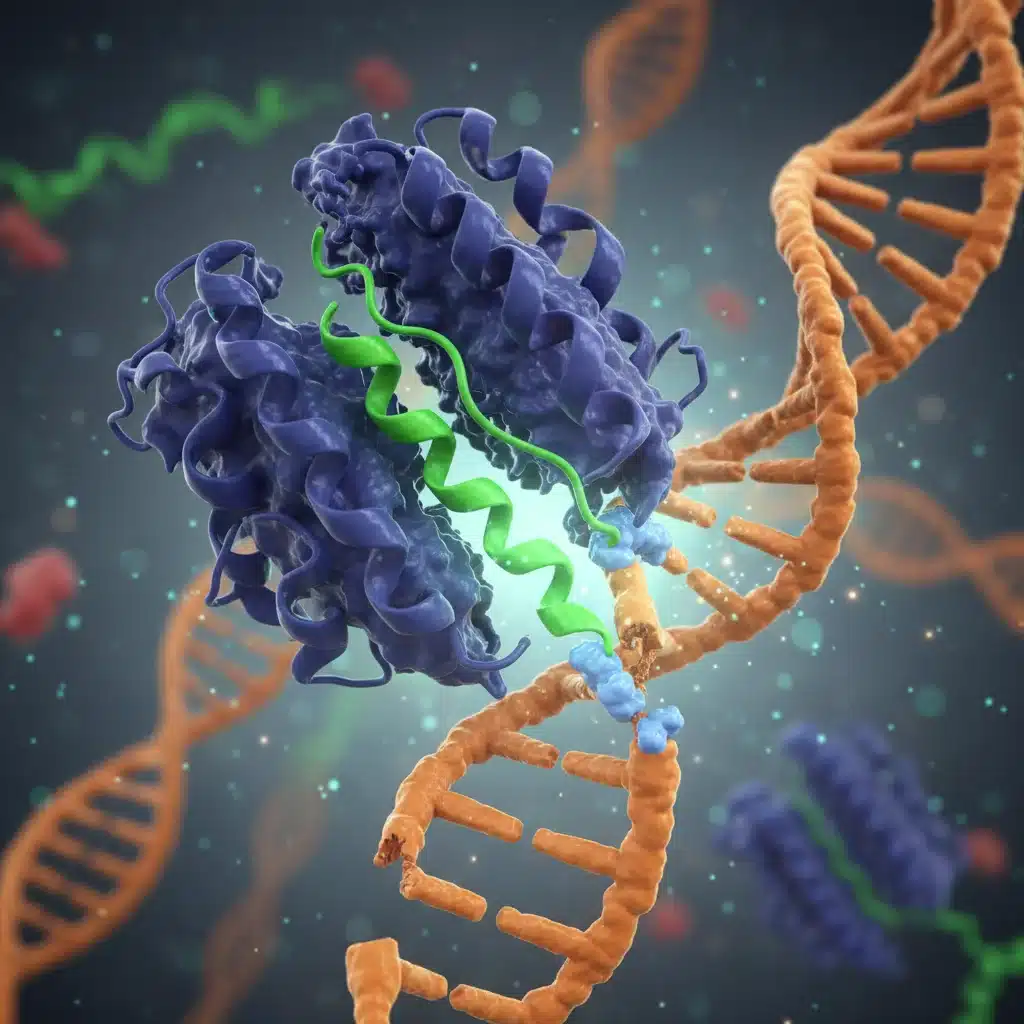
The advent of CRISPR-Cas9 technology revolutionized genetic research, offering a powerful tool to edit DNA with unprecedented precision. While initial applications focused on understanding gene function, the next five years will see a significant leap towards therapeutic applications, ushering in what many refer to as CRISPR 2.0. This new generation of gene editing therapies will move beyond simply cutting DNA to more sophisticated modifications, including base editing and prime editing, which allow for single-nucleotide changes or larger insertions/deletions without breaking the DNA double helix. These advancements promise to correct a wider range of genetic mutations responsible for diseases like cystic fibrosis, sickle cell anemia, Huntington’s disease, and even certain cancers.
By 2029, we expect to see several gene editing therapies gain regulatory approval and become available for specific patient populations. Clinical trials are already showing promising results for conditions such as beta-thalassemia and severe sickle cell disease, where gene-edited stem cells are used to correct the underlying genetic defect. The focus will shift from ex vivo (editing cells outside the body) to in vivo (editing directly within the body) approaches, making treatments more accessible and less invasive. This wave of biotechnology health innovations in gene editing will not only offer cures for monogenic disorders but also lay the groundwork for tackling more complex, polygenic diseases.
The implications are profound. Imagine a future where a genetic predisposition to a debilitating disease can be corrected at an early stage, or even pre-emptively. However, ethical considerations regarding germline editing (editing genes in embryos or reproductive cells, which would be heritable) remain a significant debate, and current research primarily focuses on somatic cell editing (editing non-reproductive cells). The development of safer, more efficient delivery mechanisms, such as engineered viral vectors or lipid nanoparticles, will be crucial for widespread adoption and the successful integration of these biotechnology health innovations into clinical practice.
2. AI-Powered Personalized Drug Discovery and Diagnostics
Artificial intelligence (AI) is no longer just a buzzword in healthcare; it’s becoming an indispensable tool, especially in drug discovery and diagnostics. By 2029, AI will be at the core of personalized medicine, accelerating the identification of novel drug targets, optimizing drug design, and predicting patient responses to therapies with remarkable accuracy. Machine learning algorithms can analyze vast datasets of genomic information, patient health records, proteomics, and real-world evidence to uncover patterns and insights that human researchers might miss.
In drug discovery, AI can rapidly screen millions of compounds, predict their efficacy and toxicity, and even design de novo molecules tailored to specific disease mechanisms. This dramatically reduces the time and cost associated with traditional drug development, bringing life-saving medications to patients faster. Companies are already leveraging AI to identify promising candidates for oncology, neurodegenerative diseases, and infectious diseases. This represents a significant shift in biotechnology health innovations, moving from a trial-and-error approach to a data-driven, predictive model.
For diagnostics, AI will power advanced imaging analysis, enabling earlier and more accurate detection of diseases like cancer, retinopathy, and neurological disorders. AI algorithms can detect subtle anomalies in medical scans (X-rays, MRIs, CTs) that might elude the human eye. Furthermore, AI-driven diagnostic platforms will integrate data from wearables, genetic tests, and electronic health records to create a holistic view of a patient’s health, allowing for highly personalized risk assessments and preventative strategies. This level of personalized insight is a cornerstone of future biotechnology health innovations, ensuring treatments are as unique as the individuals receiving them.
3. Advanced Regenerative Medicine and Organ Biofabrication
The promise of regenerative medicine—repairing or replacing damaged tissues and organs—is inching closer to reality. By 2029, significant strides will be made in organ biofabrication and advanced cell therapies, offering hope to millions suffering from organ failure or degenerative conditions. This area of biotechnology health innovations combines stem cell research, biomaterials science, and 3D bioprinting to create functional tissues and even whole organs.
3D bioprinting, in particular, is poised to revolutionize organ transplantation. Researchers are now capable of printing complex structures with multiple cell types, complete with vascular networks, which are crucial for tissue viability. While printing fully functional, transplantable organs like hearts or kidneys is still a long-term goal, by 2029, we expect to see clinical applications for simpler tissues such as skin grafts for burn victims, cartilage for joint repair, and even parts of organs for therapeutic testing or localized repair. The ability to create patient-specific tissues reduces the risk of immune rejection, a major hurdle in current transplantation methods. These biotechnology health innovations are not just about replacing organs; they are about restoring function and improving quality of life.
Beyond bioprinting, advanced cell therapies, including induced pluripotent stem cells (iPSCs) and mesenchymal stem cells (MSCs), will be increasingly used to treat a range of conditions. iPSCs, which can be reprogrammed from adult cells, offer an ethical and patient-specific source for various cell types needed for therapy, from neurons for Parkinson’s disease to cardiomyocytes for heart repair. The challenge lies in scaling up production and ensuring the safety and long-term efficacy of these cells. However, the rapid pace of research suggests that by 2029, these regenerative biotechnology health innovations will be moving from experimental stages to more widespread clinical use, offering alternatives to traditional treatments that merely manage symptoms.
4. Nanobots and Targeted Drug Delivery Systems
Imagine microscopic robots, no bigger than a few hundred nanometers, navigating your bloodstream, precisely delivering drugs to diseased cells, or even performing intricate surgical repairs at a cellular level. This vision of nanomedicine, once confined to science fiction, is rapidly becoming a tangible reality. By 2029, we anticipate significant advancements in nanobots and targeted drug delivery systems, marking a new frontier in biotechnology health innovations.
The primary application of nanobots in the near future will be highly specific drug delivery. Traditional chemotherapy, for instance, often harms healthy cells alongside cancerous ones, leading to severe side effects. Nanoparticles, engineered to recognize specific biomarkers on cancer cells, can encapsulate chemotherapy drugs and release them only at the tumor site, maximizing efficacy while minimizing collateral damage. This approach is already in clinical trials for various cancers, and by 2029, we can expect to see more sophisticated, autonomously guided nanobots capable of more precise targeting and controlled release mechanisms.
Beyond drug delivery, research is progressing on nanobots designed for diagnostic purposes, capable of detecting early signs of disease at the molecular level, or even performing minimally invasive microsurgeries. While fully autonomous nanobots performing complex tasks within the human body are still further down the line, the foundational technologies for controlled movement, sensing, and interaction at the nanoscale are maturing rapidly. These biotechnology health innovations promise to make treatments far more effective, less invasive, and with fewer side effects, fundamentally changing the patient experience and treatment outcomes across a spectrum of diseases.

5. Advanced Biosensors and Real-time Health Monitoring
The ability to continuously monitor our health in real-time, outside of a clinical setting, is a game-changer for preventative medicine and chronic disease management. By 2029, the integration of advanced biosensors with wearable technology and smart implants will provide an unprecedented level of insight into individual health, empowering both patients and healthcare providers. These biotechnology health innovations will move beyond simple step counting to sophisticated biochemical analysis.
Next-generation biosensors will be capable of continuously tracking a wide array of biomarkers, including glucose levels, lactate, cortisol, specific hormones, and even early indicators of inflammation or infection, all non-invasively or minimally invasively. Imagine contact lenses that monitor glucose levels for diabetics, smart patches that detect viral infections before symptoms appear, or implantable sensors that provide early warning signs of cardiovascular events. The data collected by these devices will be analyzed by AI, providing personalized health insights, flagging potential issues, and recommending interventions, often before a patient even feels unwell.
This constant stream of health data will facilitate truly proactive healthcare. Physicians will have access to longitudinal data, allowing for more informed decisions and personalized treatment plans, moving away from episodic care. For individuals managing chronic conditions, real-time monitoring will enable immediate adjustments to medication or lifestyle, significantly improving disease control and quality of life. The challenge lies in ensuring data privacy, security, and the interoperability of these diverse devices. However, the potential for these biotechnology health innovations to transform preventative care and chronic disease management is immense, fostering a more personalized and predictive approach to health.
The Broader Impact of Biotechnology Health Innovations
These five disruptive biotechnology health innovations are not isolated advancements; they represent interconnected facets of a larger revolution in healthcare. Precision gene editing, for example, will benefit from AI-driven insights into genetic mutations, while regenerative medicine will leverage advanced biosensors for monitoring tissue viability. The convergence of these technologies promises a future where diseases are not just treated but potentially eradicated, where treatments are tailored to the individual, and where health monitoring is continuous and predictive.
The ethical, regulatory, and societal implications of these advancements are profound. Questions around equitable access to these cutting-edge therapies, the cost of personalized medicine, and the responsible use of genetic information will need careful consideration. Public discourse, robust regulatory frameworks, and international collaboration will be essential to harness the full potential of these biotechnology health innovations responsibly and for the benefit of all humanity.
Investment in biotechnology research and development continues to surge, fueled by both public and private sectors recognizing the immense potential for improving human health. Companies are racing to bring these innovations from the lab bench to the patient bedside, creating a dynamic and competitive landscape. The next few years will undoubtedly be a period of rapid acceleration, with breakthroughs occurring at an unprecedented pace.
Challenges and Opportunities Ahead
While the promise of these biotechnology health innovations is immense, several challenges must be addressed for their successful widespread adoption. Regulatory approval processes need to adapt to the complexity and novelty of these therapies, ensuring both safety and efficacy without stifling innovation. The cost of developing and delivering highly personalized treatments, such as gene therapies, remains a significant hurdle, necessitating new reimbursement models and strategies to ensure equitable access. Furthermore, public education and acceptance will be crucial, as these technologies often involve complex scientific concepts and raise ethical questions that require open and informed dialogue.
However, the opportunities far outweigh the challenges. These innovations hold the potential to alleviate suffering on a global scale, extend healthy lifespans, and fundamentally redefine what is possible in medicine. From curing genetic diseases to preventing chronic conditions, the impact will be transformative. The integration of AI will streamline processes, making drug discovery more efficient and diagnostics more accurate. Regenerative medicine will offer new hope for organ failure, reducing the reliance on donor organs and improving outcomes.
The journey towards 2029 will be marked by continuous scientific discovery, technological refinement, and a collaborative effort across scientific disciplines, industry, and policy-making bodies. The convergence of biology, engineering, and artificial intelligence is creating a powerful synergy, pushing the boundaries of what we thought was possible in healthcare. As these biotechnology health innovations mature, they will not only change individual lives but also reshape public health strategies and medical practice worldwide.
Conclusion: A New Era of Health Driven by Biotechnology
The next five years will be pivotal for healthcare, with biotechnology health innovations leading the charge into an era of precision, personalization, and prevention. The five disruptive technologies discussed—precision gene editing, AI-powered drug discovery and diagnostics, advanced regenerative medicine, nanobots for targeted drug delivery, and advanced biosensors for real-time monitoring—represent just a glimpse of the transformative power of biotechnology. Each of these areas is poised to deliver significant breakthroughs that will not only treat existing conditions more effectively but also fundamentally change our understanding of health and disease.
As we approach 2029, we can anticipate a healthcare system that is more proactive, personalized, and predictive, driven by a deeper understanding of human biology at the molecular level. While challenges remain, the relentless pursuit of scientific excellence and the collaborative spirit of the global scientific community will undoubtedly pave the way for these remarkable biotechnology health innovations to move from the laboratory to the clinic, offering new hope and a healthier future for all.
Staying informed about these developments is crucial for healthcare professionals, policymakers, and the general public alike. The future of health is being written today, and biotechnology is the pen.