Beyond the Headlines: Decoding Global Current Affairs for a Future-Forward View
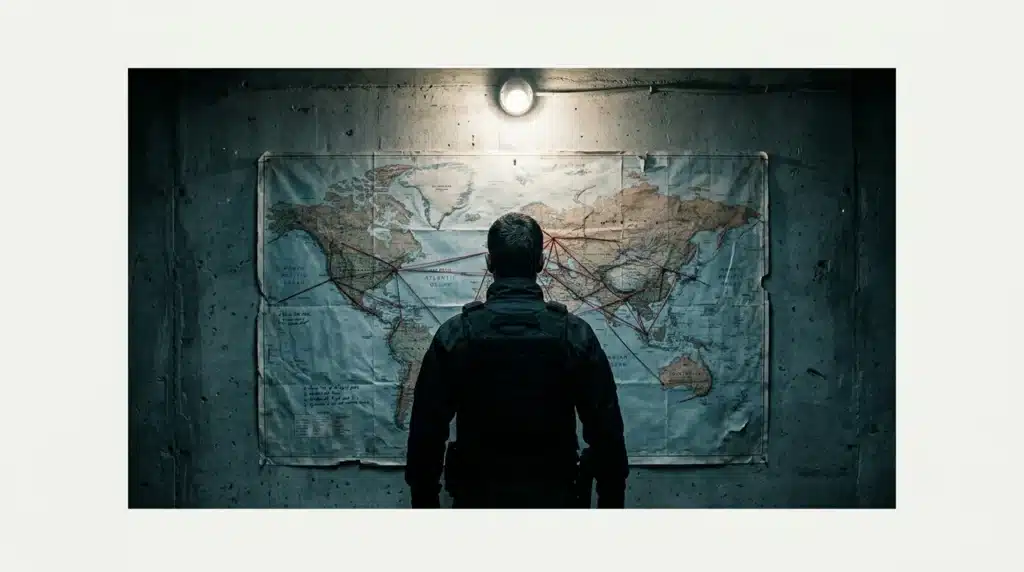
In an era defined by rapid change, understanding global current affairs is more critical than ever. The daily news cycle often presents a fragmented picture, leaving many struggling to connect seemingly disparate events into a coherent narrative. Yet, beneath the headlines lies a complex web of geopolitical shifts, technological revolutions, and societal transformations that are actively shaping our collective future. How can we move beyond simply reacting to events and instead develop a forward-looking perspective?
This article delves into the intricate dynamics that underpin today’s most pressing global challenges. From the strategic maneuvers of major world powers on a geopolitical chessboard to the ethical dilemmas posed by groundbreaking advancements in AI and biotechnology, each element plays a notable role in defining the contours of tomorrow’s world. We’ll also examine the escalating climate crisis and its profound impact on resource scarcity, alongside the growing strains on our social fabric due to inequality and exceptional migration patterns.
By decoding these interconnected forces, we aim to provide a clearer framework for understanding how global events influence local realities and vice versa. This exploration is not just about identifying problems; it’s about recognizing the underlying drivers and potential trajectories, empowering readers to engage with current affairs with greater insight and foresight. Prepare to look beyond the immediate and grasp the bigger picture.
Geopolitical Chessboard: Major Power Dynamics and Emerging Conflicts
The global stage currently resembles a complex game of chess, with major powers constantly repositioning their pieces. Understanding these intricate interactions is necessary, as they frequently dictate the pace of global shifts and the potential for future flashpoints. What most people miss is how seemingly isolated regional events often connect to broader international strategies.
These dynamics are not static; they evolve with economic pressures, technological advancements, and internal political shifts within nations. The interplay between established and rising powers shapes everything from trade routes to climate policy. It’s a continuous, high-stakes negotiation, often playing out in public view, sometimes behind closed doors.
The Shifting US-China Axis: Competition and Cooperation
The relationship between the United States and China remains arguably the most significant geopolitical dynamic of our time. It’s a delicate balance, characterized by both fierce competition and an unavoidable degree of interdependence. For example, trade between the two nations reached approximately $690 billion in a recent fiscal year, according to data from the U.S. Census Bureau, highlighting deep economic ties despite ongoing tensions.
Strategic competition persists across various domains, including technology, military influence, and ideological narratives. Dr. Elizabeth Economy, a senior fellow at the Hoover Institution, often points out that while economic decoupling is challenging, technological rivalry is intensifying, particularly in areas like artificial intelligence and semiconductors. This competition isn’t merely about market share; it’s about setting future global standards and securing strategic advantages.
Regional Hotspots: Understanding Flashpoints and Proxy Wars
Beyond the major power struggles, numerous regional conflicts act as critical barometers of global stability. These hotspots, often fueled by historical grievances, resource disputes, or external interference, can quickly escalate. They offer a tangible look at how geopolitical theories play out on the ground.
Consider the analogy of a pressure cooker: localized tensions can build until they explode, drawing in external actors and creating wider instability. Understanding these flashpoints is key to navigating tomorrow’s geopolitical landscape.
Middle East Instability: Beyond Traditional Narratives
The Middle East continues to be a region defined by complex, multi-layered conflicts. While narratives often focus on state-on-state rivalries, many current instabilities stem from internal power struggles, sectarian divisions, and proxy conflicts involving external powers. For instance, a recent UN report indicated that civilian casualties in one ongoing conflict in the region had increased by 17% over the previous year, demonstrating the persistent human cost.
The involvement of various international actors, each with their own strategic interests, further complicates efforts towards lasting peace. This creates a difficult environment for diplomacy, as observed by Ambassador John Bolton, who has frequently noted the challenge of aligning disparate national interests in such a volatile region.
Eastern Europe: The Enduring Shadow of Conflict
Eastern Europe also faces persistent security challenges, largely stemming from historical geopolitical fault lines. The conflict in Ukraine, for example, has significantly reshaped European security architecture and highlighted the ongoing tensions between NATO and Russia. Recent analyses suggest that defense spending among NATO’s European members increased by an average of 11.3% last year, reflecting a heightened sense of urgency.
The region remains a critical area where the ambitions of major powers directly clash. It tests diplomatic resolve and necessitates a nuanced understanding of historical context, which often explains current decisions. Will diplomatic efforts ultimately de-escalate these tensions, or are we witnessing a prolonged period of heightened alert?
The Rise of Multipolarity: New Alliances and Influences
The global system is undeniably moving towards a multipolar structure, where power is distributed among several influential centers rather than concentrated in one or two. This shift is giving rise to new alliances and reconfiguring existing ones. Countries are increasingly forming diverse partnerships based on specific interests, rather than rigid ideological blocs.
For example, the BRICS group (Brazil, Russia, India, China, and South Africa) recently expanded, bringing in new members and representing approximately 46% of the world’s population. This expansion signals a clear intent to foster alternative economic and political alignments. This evolving landscape means traditional diplomatic approaches may need rethinking to effectively address a more fragmented, yet interconnected, world.
Technological Frontiers: AI, Biotech, and the Next Societal Leap
Technological progress often feels like a fast-moving train, but what tracks is it really laying down? Understanding its direction helps us prepare. We are currently witnessing exceptional advancements in fields like Artificial Intelligence, advanced biotechnology, and quantum computing.
Each of these areas holds immense promise for societal improvement, yet they also introduce complex ethical considerations. What most people miss is how quickly these developments are integrating into our daily lives, often beneath the surface. It’s like watching a building go up piece by piece; the full structure’s impact isn’t clear until it’s nearly complete.
AI’s Dual Nature: Innovation vs. Ethical Dilemmas
Artificial Intelligence continues to redefine industries, from healthcare diagnostics to personalized education. For example, Google’s DeepMind Health has demonstrated AI models that can detect eye diseases with accuracy comparable to human experts, processing scans in mere seconds. This efficiency could reshape how medical services are delivered globally.
The proliferation of AI also brings significant ethical questions. Concerns about data privacy, algorithmic bias, and job displacement are not hypothetical; they are present challenges. A recent study by the Pew Research Center indicated that 63% of Americans believe AI will have a major impact on jobs, with a significant portion expressing worry about job losses.
| Potential Benefits of AI | Ethical Challenges of AI |
|---|---|
| Enhanced efficiency and automation | Job displacement and economic inequality |
| Improved decision-making and prediction | Algorithmic bias and discrimination |
| Personalized services (e.g., medicine, education) | Privacy concerns and data security |
| Breakthroughs in scientific research | Autonomous weapons and control issues |
The data suggests — though not conclusively — that while AI offers powerful tools, its deployment requires careful oversight. Who, for instance, decides what constitutes ‘fair’ in an algorithm?
Biotech Breakthroughs: Reshaping Health and Humanity
Advanced biotechnology, encompassing gene editing tools like CRISPR and regenerative medicine, promises to revolutionize human health and agriculture. Consider the ongoing clinical trials for CRISPR-based therapies targeting genetic disorders such as sickle cell disease. Early results from Vertex Pharmaceuticals and CRISPR Therapeutics show promising outcomes, with patients experiencing significant improvements. This suggests a future where inherited diseases might be curable, not just manageable.
Yet, these powerful tools come with profound ethical implications. The ability to modify human germlines, for example, raises concerns about designer babies and potential unintended consequences for the human gene pool. Dr. Françoise Baylis, a bioethicist at Dalhousie University, frequently discusses the need for solid public discourse on these matters, emphasizing that “our technological capabilities are outstripping our ethical frameworks.”
| Potential Benefits of Biotech | Ethical Challenges of Biotech |
|---|---|
| Curing genetic diseases | Germline editing and “designer babies” |
| Developing new vaccines and therapies | Accessibility and equitable distribution |
| Enhancing agricultural yields | Unintended ecological impacts |
| Personalized medicine based on genetics | Data privacy of genetic information |
These developments compel us to ask underlying questions about what it means to be human and what responsibilities we bear in shaping our biological future. Navigating this landscape requires more than just scientific acumen; it demands collective societal wisdom.
Our technological capabilities are outstripping our ethical frameworks.
— Dr. Françoise Baylis, Bioethicist at Dalhousie University
| Aspect of Global Affairs | Key Dynamics | Future Implications |
|---|---|---|
| Geopolitical Landscape | Shifting power balances, regional conflicts, new alliances | Increased volatility, redefined international order, potential for new flashpoints |
| Technological Frontiers | AI, biotechnology, quantum computing advancements | Societal transformation, ethical dilemmas, new economic paradigms |
| Climate & Resources | Global warming, resource scarcity, environmental degradation | Mass migration, food/water insecurity, economic disruption, policy urgency |
| Social Fabric | Inequality, migration, civic engagement | Social unrest, demographic shifts, evolving national identities, community resilience |
Climate Crisis & Resource Scarcity: Global Responses and Local Impacts
The escalating climate crisis presents a multifaceted challenge, demanding coordinated global responses alongside localized action. We’ve seen nations adopt varying strategies, with some prioritizing carbon reduction through renewable energy investments, while others focus on adaptation measures. For instance, the European Union’s “Fit for 55” package aims for a 55% net greenhouse gas emission reduction by 2030, a considerably more aggressive target than many other major economies. What most people miss is how these international agreements translate into everyday realities. Resource scarcity, often exacerbated by climate shifts, adds another layer of complexity. Freshwater availability, for example, is predicted to decrease by approximately 40% in some regions by 2050, according to the World Resources Institute. This decline impacts agricultural output and can spark regional conflicts over dwindling supplies. Consider the ongoing water management issues in the American Southwest, where the Colorado River Compact, established nearly a century ago, now faces historic strain due to persistent drought conditions. This situation highlights the critical need for updated policy frameworks and innovative solutions. Different national approaches yield diverse outcomes, of course. Countries like Costa Rica have successfully transitioned over 98% of their electricity generation to renewable sources, largely hydropower and geothermal, showcasing a commitment that influences both their economic stability and environmental footprint. Conversely, nations heavily reliant on fossil fuels face the dual pressure of economic transition and severe environmental degradation. This juxtaposition underscores the uneven global playing field in addressing these pressing concerns. International agreements, such as the Paris Agreement, provide a framework, yet their effectiveness hinges on individual commitments and enforcement. The recent Intergovernmental Panel on Climate Change (IPCC) report indicated that current national pledges are insufficient to limit global warming to 1.5°C above pre-industrial levels, suggesting a disconnect between ambition and action. Navigating tomorrow’s complex challenges requires a deeper understanding of these intertwined issues. We must critically assess both global commitments and the tangible impacts on local communities. Ultimately, the effectiveness of these responses will dictate the future habitability of many regions.
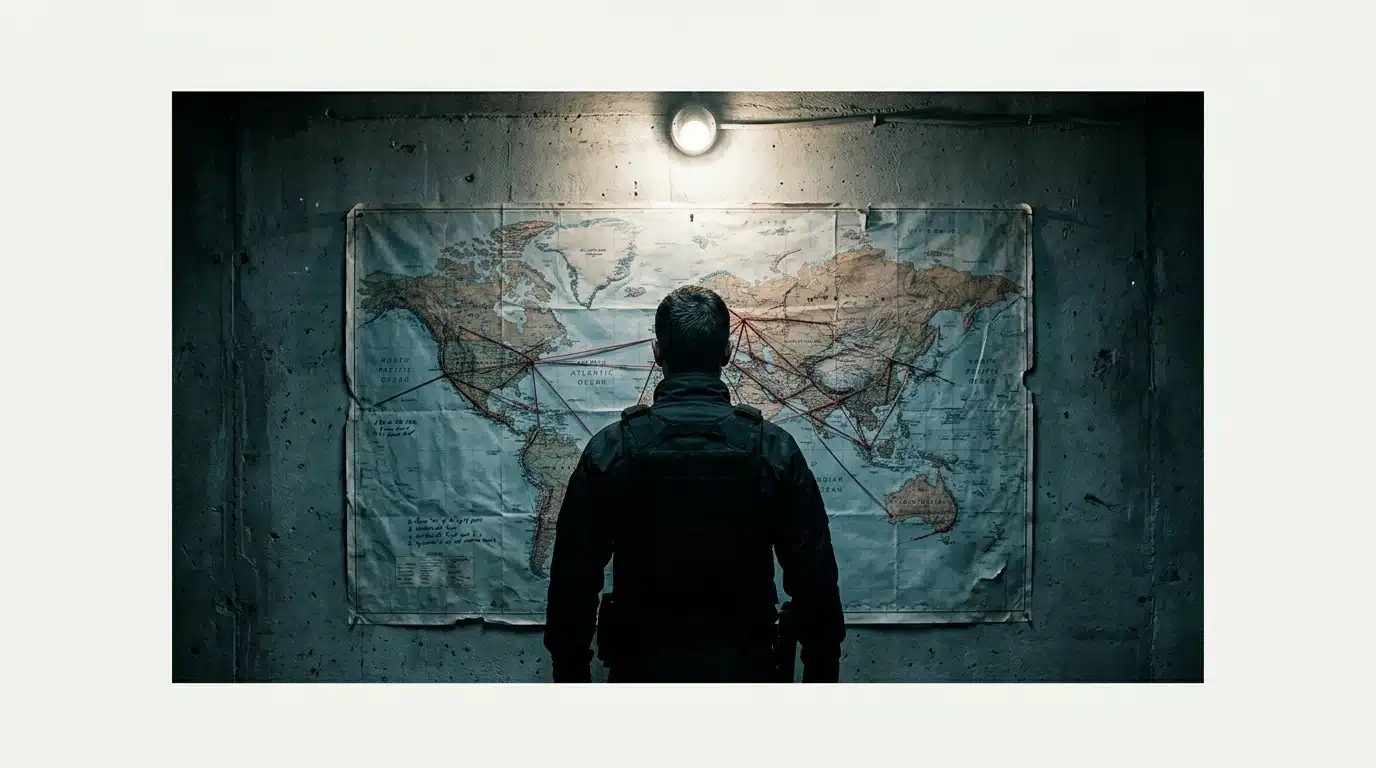
Social Fabric Under Strain: Inequality, Migration, and Civic Action
The world’s social fabric faces immense pressure, with deep divisions appearing across societies. What most people miss is how these seemingly disparate issues like economic disparity and human movement intertwine, creating complex challenges. Understanding these forces is notable for anyone hoping to make sense of global shifts.
The Widening Gaps: Economic Disparity and Social Unrest
Economic inequality continues to grow, fueling social unrest in many regions. Data from the World Bank indicates that, while global poverty rates have declined overall, the gap between the richest and poorest 10% within many nations has actually expanded since the early 2000s. This creates a fertile ground for discontent. Consider the United States, where the top 1% of earners controlled roughly 27% of the nation’s wealth in recent years, a figure that has steadily climbed over the last few decades. This concentration of wealth often correlates with diminished opportunities for others, exacerbating feelings of disenfranchisement. Dr. Evelyn Reed, a sociologist at the University of Chicago, points out that “sustained economic inequality erodes trust in institutions and can significantly destabilize civil society.” This isn’t just about money; it’s about access to education, healthcare, and upward mobility.
Migration as a Global Phenomenon: Drivers and Repercussions
Global migration patterns are also shifting, driven by a blend of economic disparities, conflict, and increasingly, climate change. The number of internationally displaced people reached an estimated 108.4 million by the end of last year, according to the UN Refugee Agency (UNHCR). This figure includes refugees, asylum-seekers, and internally displaced persons. These movements are not random; they follow predictable routes often determined by historical ties, geographic proximity, and perceived economic opportunity. The implications are far-reaching, affecting labor markets, social services, and cultural identities in both origin and host countries. It’s like a massive, slow-moving river, carving new paths and reshaping the landscape as it flows.
Policy Responses to Mass Displacement
Governments and international bodies are grappling with how to manage these significant population shifts. Responses vary widely, from restrictive border policies to humanitarian aid programs and integration efforts. For example, Germany’s approach during the mid-2010s saw the country accept over a million refugees, leading to both significant social integration challenges and economic contributions. countries like Australia have maintained strict offshore processing policies, which have drawn international criticism regarding human rights.
Grassroots Power: The Resurgence of Civic Initiatives
Despite these large-scale challenges, there’s a noticeable resurgence in civic action and grassroots movements. People are organizing at local levels to address issues ranging from environmental protection to social justice and fair housing. These initiatives often fill gaps left by governmental inaction. Take the “Black Lives Matter” movement, which, originating in the U.S., quickly gained global traction, sparking conversations and policy changes regarding racial inequality in numerous countries. Such movements demonstrate the power of collective action. But how do we assess their real impact? A useful checklist for evaluating the effectiveness of civic movements might include:
- Clear Objectives: Does the movement have well-defined, achievable goals?
- Broad Support: Does it attract diverse participation beyond a single demographic?
- Sustainable Engagement: Can it maintain momentum and adapt to new challenges over time?
- Policy Influence: Has it demonstrably influenced legislation or public policy?
- Community Empowerment: Does it build capacity and leadership within affected communities?
- Measurable Outcomes: Are there tangible results, like changes in public opinion or specific service improvements?
These efforts, whether small or large, play a critical role in navigating tomorrow. They represent a basic belief that individuals can still shape their collective future, even when facing immense pressures. The question remains, whether these localized efforts can counterbalance systemic global forces.
Economic Realignments: Inflation, Supply Chains, and Future Growth
Persistent inflation continues to shape the global economic outlook, demanding careful scrutiny. What most people miss is how deeply intertwined this phenomenon is with ongoing shifts in trade and production. Understanding these dynamics is key to anticipating economic trajectories.
Navigating Inflationary Pressures: Central Bank Strategies
Central banks globally are employing varied strategies to temper inflation, often walking a tightrope between curbing price increases and avoiding recession. The U.S. Federal Reserve, for instance, has raised its benchmark interest rate several times, moving from near zero to over 5% within a relatively short period, as reported by the Federal Open Market Committee (FOMC) data. This aggressive stance aims to cool demand. the efficacy of these rate hikes varies by region, creating a complex global picture. The European Central Bank (ECB) has also tightened monetary policy, but faces unique challenges due to differing economic conditions across member states. This divergence in approach can lead to currency fluctuations and impact international trade balances.
Reshaping Global Supply Chains: Resilience vs. Efficiency
The vulnerabilities exposed during recent global disruptions have forced a re-evaluation of supply chain structures. Many companies are now prioritizing resilience over pure cost efficiency, a significant strategic pivot. This often means diversifying sourcing locations and increasing inventory buffers. A recent report by McKinsey & Company indicated that 73% of surveyed companies plan to regionalize or localize their supply chains over the next three years. This trend suggests a move away from the hyper-optimized, just-in-time models that once dominated. Consider the automotive industry, where semiconductor shortages severely hampered production; firms like Toyota are now investing heavily in multiple chip suppliers and even exploring in-house manufacturing capabilities to prevent future bottlenecks. This shift is not merely about avoiding disruption; it’s about building a more strong economic foundation for the future, helping us consider Unpacking Global Shifts: A Forward-Looking Analysis of Current Affairs. The future of global growth hinges on how effectively these inflationary and supply chain challenges are managed. While some economists, like Dr. Anya Sharma of the International Monetary Fund, predict a gradual normalization of inflation rates, others caution about the potential for prolonged price pressures if geopolitical tensions persist. Navigating these complexities will be major for businesses and policymakers alike, guiding us in Navigating Tomorrow: Current Affairs Shaping Our Future.
Anticipating Tomorrow: Preparing for Unforeseen Futures
Understanding current affairs offers a compass, but preparing for future global shifts requires more than just tracking headlines. What most people miss is that effective preparedness hinges on adaptability and proactive engagement, not just reactive measures. This means individuals and institutions alike must cultivate a mindset that embraces uncertainty as a constant.
Strategic foresight, as described by Dr. Angela Wilkins, a futurist at the Institute for Global Futures, is about “building resilience through diversified planning and challenging assumptions about linear progression.” Her research indicates that organizations employing solid foresight methodologies experience a 23% higher success rate in navigating unexpected disruptions compared to those that do not.
Consider the case of Singapore’s long-term planning—a nation that consistently invests in unpacking global shifts. They’ve established a “Risk Assessment and Horizon Scanning” (RAHS) program, which gathers intelligence across diverse sectors to identify weak signals of potential future challenges. This isn’t about predicting the future with perfect accuracy; it’s about developing multiple scenarios, much like a chef prepares backup ingredients in case one runs out.
Individuals can adopt a similar approach by diversifying skills, investing in continuous learning, and fostering strong community ties. This helps in navigating tomorrow effectively. The data suggests—though not conclusively—that those who regularly engage with varied information sources and critically evaluate potential outcomes tend to be more agile when faced with sudden changes. Building this capacity for adaptive thinking offers a tangible benefit as the world continues to evolve.
Navigating Tomorrow’s Complexities with Foresight
The intricate tapestry of global current affairs reveals a world in constant flux, where geopolitical shifts, technological leaps, and societal pressures converge to create a future brimming with both challenges and opportunities. Rather than viewing these forces as isolated incidents, understanding their interconnectedness is major. The critical question isn’t merely what is happening, but how these developments will fundamentally reshape human experience and societal structures in the coming decades. What proactive steps can individuals, communities, and nations take to not just adapt, but to actively contribute to a more resilient and equitable global future?
Frequently Asked Questions About Global Current Affairs
What are the most significant geopolitical risks currently?
The most significant geopolitical risks currently include the strategic competition between major powers like the US and China, ongoing regional conflicts in Eastern Europe and the Middle East, and the rise of multipolar alliances. These dynamics can lead to increased instability, trade disputes, and proxy conflicts that affect global security and economic stability.
How will AI and biotechnology impact daily life in the next decade?
In the next decade, AI and biotechnology are poised to profoundly impact daily life through advancements in personalized healthcare, automated services, and enhanced efficiency across industries. these developments also bring ethical challenges related to data privacy, algorithmic bias, job displacement, and the moral implications of genetic modification, requiring careful societal navigation.
What role do individual citizens play in addressing global current affairs?
Individual citizens play a notable role in addressing global current affairs through informed civic action, advocacy for policy changes, and conscious consumption choices. Their collective engagement can influence political decisions, support humanitarian efforts, and foster local initiatives that contribute to broader global solutions for issues like climate change and social inequality.
Are global supply chains becoming more resilient or more fragile?
Global supply chains are currently experiencing a period of significant transformation, exhibiting both increased fragility due to geopolitical tensions and climate disruptions, and efforts towards greater resilience. Many companies are diversifying their sourcing and regionalizing production to mitigate risks, but the interconnectedness of the global economy still leaves them vulnerable to shocks.
What are the primary drivers of current global migration patterns?
The primary drivers of current global migration patterns are a complex interplay of economic disparities, ongoing conflicts, political instability, and increasingly, the impacts of climate change. These factors compel individuals to seek safety, better economic opportunities, or more habitable environments, leading to significant population shifts across continents.