Bio-Engineering Ethics: Navigating Future Dilemmas in US Society
The Rise of Bio-Engineering: 5 Ethical Dilemmas for US Society in the Next Decade
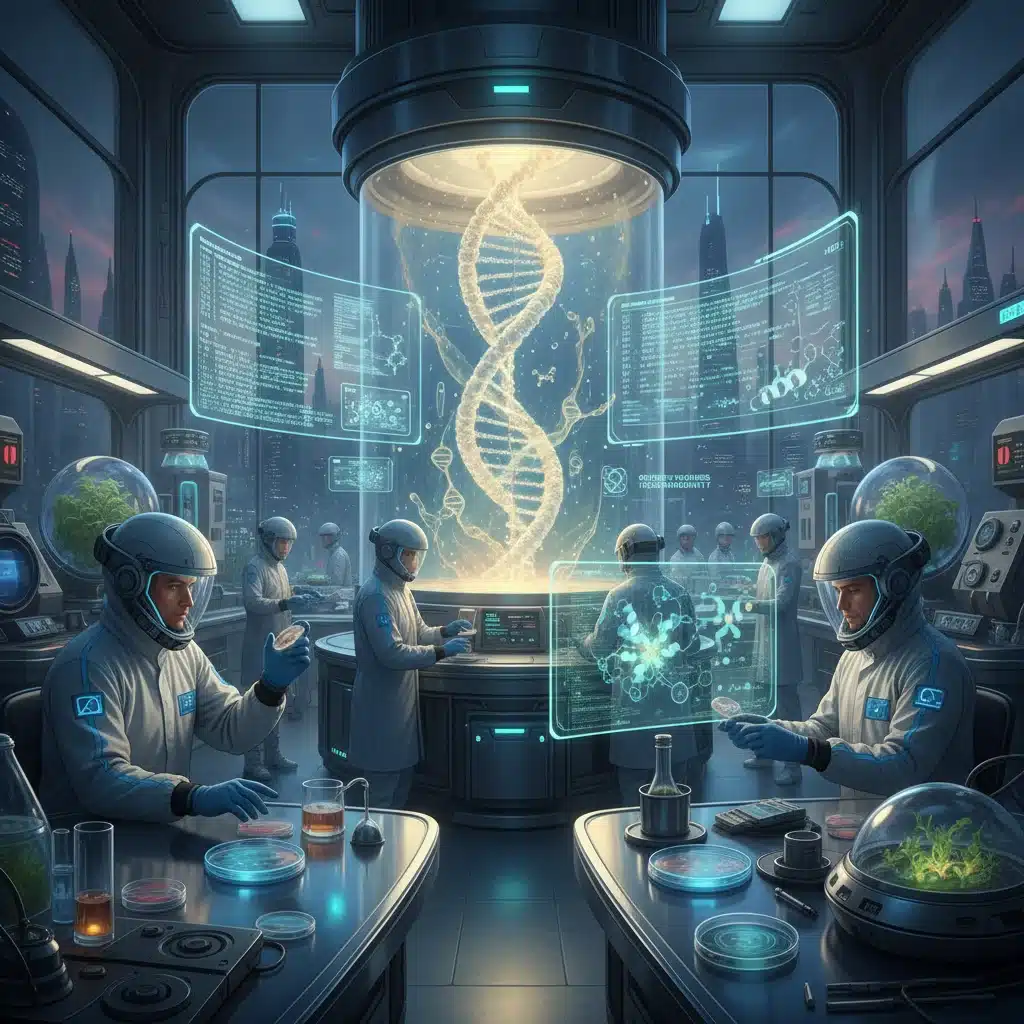
The dawn of the 21st century has ushered in an era of unprecedented scientific advancement, particularly in the field of bio-engineering. What was once the realm of science fiction is rapidly becoming scientific fact, with technologies like CRISPR, synthetic biology, and advanced prosthetics pushing the boundaries of what’s possible. These innovations promise cures for intractable diseases, enhanced human capabilities, and solutions to global challenges like climate change and food scarcity. However, with great power comes great responsibility, and the rapid rise of bio-engineering also brings forth a complex web of ethical dilemmas that US society must confront in the coming decade. As we stand at the precipice of a biological revolution, it is imperative to engage in thoughtful discourse, establish robust regulatory frameworks, and consider the profound societal implications of these emerging technologies. This article will delve into five critical ethical dilemmas that will define the bio-engineering landscape in the United States over the next ten years, exploring their potential impacts and the urgent need for proactive engagement.
Dilemma 1: The Ethics of Germline Editing and Designer Babies
One of the most profound and contentious areas within bio-engineering ethics is germline editing. Unlike somatic gene editing, which modifies genes in non-reproductive cells and whose effects are not passed down to future generations, germline editing alters the DNA in reproductive cells (sperm, eggs, or early embryos). These changes are heritable, meaning they would be passed on to all subsequent generations. The potential benefits are immense: eradicating inherited diseases like cystic fibrosis, Huntington’s disease, or Tay-Sachs from entire family lines. Imagine a world free from the suffering caused by these devastating conditions.
However, the ethical questions are equally immense and deeply troubling. The concept of ‘designer babies’ immediately springs to mind. If we can edit out disease-causing genes, what prevents us from editing in genes for desired traits like intelligence, athletic prowess, or even aesthetic features? This opens a Pandora’s Box of concerns about exacerbating existing social inequalities. Access to such technologies would likely be expensive, creating a genetic divide between those who can afford to ‘enhance’ their offspring and those who cannot. This could lead to a new form of eugenics, where certain genetic profiles are deemed superior, and others are marginalized, fundamentally altering the fabric of human diversity and social justice.
Furthermore, there are significant safety concerns. While CRISPR technology has revolutionized gene editing with its precision, it is not infallible. Off-target edits, where changes occur at unintended locations in the genome, are a risk. The long-term consequences of germline edits on human development, health, and evolution are largely unknown. Are we prepared to make irreversible changes to the human germline without a complete understanding of the potential cascade effects? The scientific community itself is divided, with many advocating for a moratorium on germline editing for reproductive purposes until more research can ensure safety and a broad societal consensus is reached.
The debate also touches upon the very definition of humanity and parental responsibility. Is it ethical to make permanent, heritable changes to a child’s genetic makeup without their consent? What are the psychological and social impacts on individuals who know they have been ‘designed’? These are not merely scientific questions but deeply philosophical and societal ones that demand careful consideration and widespread public engagement. The US will need to grapple with establishing clear red lines, robust oversight mechanisms, and equitable access policies to prevent a dystopian future where genetic privilege reigns supreme.
Dilemma 2: Human Enhancement and the Definition of ‘Normal’
Beyond correcting genetic defects, bio-engineering holds the promise of human enhancement. This broad category includes interventions aimed at improving human capabilities beyond typical levels, such as cognitive augmentation, physical strength or endurance enhancements, and even extending lifespan. Imagine pharmaceuticals that boost memory and focus, genetic therapies that prevent age-related decline, or prosthetic limbs that outperform natural ones. The appeal of transcending current human limitations is powerful, but the ethical implications are complex.
One primary concern is the slippery slope argument. Where do we draw the line between therapy and enhancement? Is treating a debilitating memory condition the same as enhancing a healthy individual’s cognitive abilities to genius levels? The distinction is often blurry and culturally dependent. If enhancements become widely available, they could create immense pressure on individuals to undergo them to remain competitive in education, employment, and even social spheres. This could erode the concept of ‘normal’ human functioning and create new forms of discrimination against those who choose not to, or cannot afford to, enhance themselves.
The issue of equitable access is paramount here as well. If certain enhancements confer significant advantages, who gets to benefit? If only the wealthy can afford them, it risks creating a biologically stratified society where a ‘super-class’ of enhanced humans emerges, further entrenching existing socio-economic disparities. This raises fundamental questions about fairness, justice, and the kind of society we wish to build.
Furthermore, there are concerns about unintended consequences and the impact on human identity. What does it mean to be human if our biological nature is increasingly malleable? Will these enhancements alter our emotional experiences, our capacity for empathy, or our sense of self? The long-term psychological and social effects of widespread human enhancement are largely unknown. The US needs to foster a robust public debate about the values we want to uphold and the boundaries we believe should not be crossed in the pursuit of human improvement. This dilemma challenges us to reconsider our fundamental understanding of human potential and the ethical limits of technological intervention.
Dilemma 3: The Commodification of Life and Bio-Patents
As bio-engineering advances, the ability to isolate, manipulate, and even create biological components—from specific genes and proteins to entire organisms—raises significant questions about ownership and the commodification of life. The patenting of genes, cell lines, and genetically modified organisms has been a contentious issue for decades, but the pace of innovation is intensifying these debates.
On one hand, proponents argue that patents are essential incentives for research and development. The enormous financial investment required to bring new bio-engineered therapies or products to market necessitates intellectual property protection to ensure a return on investment. Without patents, they contend, innovation would slow, and fewer life-saving technologies would emerge. Pharmaceutical companies, for example, rely on patents to protect their drug discoveries.
However, critics argue that patenting life forms or fundamental biological processes is ethically problematic. They contend that life, in its various forms, should not be treated as mere invention or property. Patenting genes can restrict access to diagnostic tests and therapies, making them unaffordable for many, thus hindering public health and exacerbating health disparities. The landmark Supreme Court case Association for Molecular Pathology v. Myriad Genetics (2013) ruled that naturally occurring DNA segments cannot be patented, but synthetic DNA (cDNA) can. This distinction, while important, doesn’t fully resolve the broader ethical questions about the commercialization of biological knowledge.
The rise of synthetic biology, where scientists can design and construct novel biological systems and organisms from scratch, further complicates this dilemma. If an entirely new microorganism is created, can it be fully owned and controlled? What are the implications for biodiversity, ecological balance, and global food security if fundamental biological components become proprietary? The potential for corporate control over essential biological resources raises concerns about monopolies and equitable distribution. The US legal and ethical frameworks must evolve to address these complex issues, balancing the need for innovation with the imperative to protect the common good and prevent the excessive commodification of life itself.
Dilemma 4: Biosecurity Risks and Dual-Use Technologies
Many bio-engineering technologies are ‘dual-use,’ meaning they can be employed for beneficial purposes (e.g., developing vaccines, curing diseases) but also for malicious ones (e.g., creating bioweapons, enhancing pathogens). The increasing accessibility and sophistication of tools like CRISPR, coupled with the growing understanding of pathogen genomics, present significant biosecurity risks that US society must urgently address.
The democratization of bio-engineering tools, while fostering innovation, also means that the ability to manipulate biological systems is no longer confined to highly secure, state-funded laboratories. ‘DIY bio’ communities and individual researchers can now perform experiments that were once impossible outside of specialized institutions. While most of these endeavors are benign and aimed at scientific discovery, the potential for accidental release of dangerous organisms or deliberate misuse by malevolent actors is a serious concern. A genetically modified pathogen, designed to be more virulent or resistant to existing treatments, could unleash a global pandemic with catastrophic consequences.
Furthermore, the development of technologies for enhancing human capabilities (Dilemma 2) could also be weaponized. Imagine genetically engineered super-soldiers or pathogens designed for targeted ethnic attacks. These scenarios, while currently speculative, underscore the urgent need for robust biosecurity measures, international cooperation, and ethical guidelines for research. The US government and scientific community must work together to implement effective oversight, develop rapid response capabilities, and foster a culture of responsible conduct within the bio-engineering field.
This dilemma requires a delicate balance: promoting open scientific inquiry and innovation while simultaneously safeguarding against potential harm. It necessitates discussions about responsible research practices, export controls for sensitive biological agents and technologies, and intelligence gathering to monitor potential threats. The challenge lies in creating a regulatory environment that is agile enough to keep pace with rapid scientific advancements without stifling legitimate research that could benefit humanity. The ethical imperative is to prevent bio-engineering from becoming a tool for destruction, ensuring its power is harnessed solely for good.
Dilemma 5: Data Privacy, Genetic Information, and Discrimination
The advent of affordable whole-genome sequencing and the proliferation of direct-to-consumer genetic testing services have led to an explosion of genetic data. This wealth of information holds immense promise for personalized medicine, disease prevention, and understanding human health. However, it also creates profound ethical dilemmas regarding data privacy, security, and the potential for discrimination.
Your genetic code is perhaps the most personal and immutable form of data. It contains information not only about your health predispositions but also about your family, ancestry, and even future health risks. Who owns this data? How should it be stored, shared, and protected? Current regulations, such as the Genetic Information Nondiscrimination Act (GINA) in the US, provide some protection against genetic discrimination in health insurance and employment. However, GINA does not cover other areas like life insurance, long-term care insurance, or disability insurance, leaving individuals vulnerable.
The potential for misuse of genetic information is vast. Imagine a scenario where employers use genetic data to screen out job applicants predisposed to certain conditions, even if those conditions may never manifest. Or where insurance companies deny coverage or charge exorbitant premiums based on genetic risk factors. Even seemingly innocuous uses, such as targeted marketing based on genetic predispositions (e.g., advertising specific diets to those genetically prone to obesity), raise concerns about privacy and manipulation.
Furthermore, the security of large genetic databases is a critical concern. A data breach could expose highly sensitive personal information to malicious actors, leading to identity theft or other forms of exploitation. The aggregation of genetic data with other personal information (e.g., medical records, social media profiles) could create incredibly detailed and potentially exploitable profiles of individuals.
US society must develop more comprehensive and robust legal and ethical frameworks to govern the collection, storage, use, and sharing of genetic information. This includes strengthening privacy protections, expanding anti-discrimination laws, and ensuring transparency in how genetic data is utilized by corporations and researchers. Public education about the implications of genetic testing and data sharing is also crucial. The challenge is to harness the immense potential of genetic data for health and well-being while rigorously protecting individual rights and preventing the creation of a ‘genetic underclass’ based on inherited predispositions.
Navigating the Future of Bio-Engineering Ethics
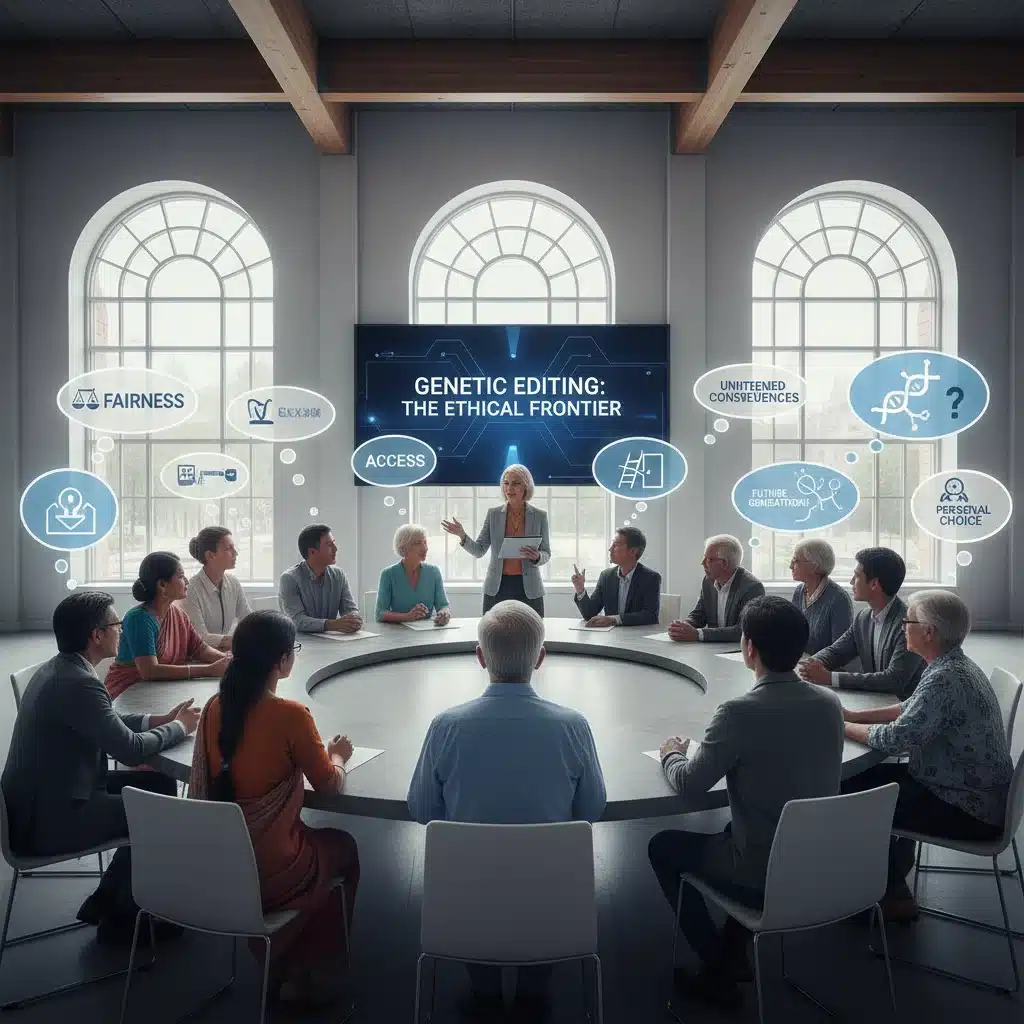
The five ethical dilemmas outlined above—germline editing, human enhancement, commodification of life, biosecurity risks, and genetic data privacy—are not isolated issues but interconnected challenges that will collectively shape the trajectory of bio-engineering in the US over the next decade. Each presents a unique set of moral quandaries, demanding careful consideration, robust public discourse, and proactive policy-making.
The rapidity of scientific advancement means that ethical frameworks and regulatory bodies often struggle to keep pace. This creates a critical need for anticipatory governance, where potential ethical issues are identified and addressed before technologies are widely deployed. This requires collaboration among scientists, ethicists, policymakers, legal experts, and the public. Open and inclusive dialogue is essential to ensure that the development and application of bio-engineering technologies align with societal values and promote the common good.
Key strategies for navigating these complex issues include:
- Establishing Clear Ethical Guidelines: Developing consensus-based ethical guidelines that inform research, development, and application of bio-engineered products and therapies.
- Strengthening Regulatory Frameworks: Updating and creating new laws and regulations that address the unique challenges posed by bio-engineering, particularly concerning germline editing, human enhancement, and genetic data.
- Promoting Public Engagement and Education: Fostering informed public debate through educational initiatives and accessible information about the science and ethics of bio-engineering.
- Ensuring Equitable Access: Implementing policies that aim to prevent the exacerbation of social inequalities and ensure that the benefits of bio-engineering are accessible to all, not just a privileged few.
- Investing in Biosecurity and Responsible Innovation: Developing robust biosecurity measures and promoting a culture of responsible research to mitigate dual-use risks.
- International Cooperation: Recognizing that bio-engineering challenges transcend national borders, fostering international collaboration on ethical norms, regulatory standards, and biosecurity protocols.
The future of bio-engineering in the US holds immense promise, offering the potential to alleviate suffering, enhance human well-being, and solve some of humanity’s most pressing problems. However, realizing this potential responsibly hinges on our collective ability to thoughtfully confront and resolve the profound ethical dilemmas that lie ahead. The next decade will be a crucible for these discussions, and the decisions made today will reverberate for generations to come, shaping not only our technologies but also our very understanding of what it means to be human.