Future of Work: 60% US Jobs by 2035 – Analysis & Prediction

Predicting the Future of Work: What 60% of US Jobs Will Look Like by 2035
The American workforce stands at the precipice of an unprecedented transformation. As we gaze into the not-so-distant future, specifically towards 2035, the landscape of US jobs is projected to undergo monumental shifts, with a staggering 60% of current roles facing significant evolution or outright displacement. This isn’t merely a speculative forecast; it’s a culmination of accelerating technological advancements, demographic changes, and evolving economic paradigms. The advent of artificial intelligence (AI), advanced automation, and sophisticated robotics is not just enhancing human capabilities but fundamentally redefining the very essence of work. This comprehensive analysis delves deep into these impending changes, exploring the sectors most affected, the skills that will be paramount, and the proactive measures individuals and institutions must undertake to navigate this transformative era successfully.
The Unstoppable March of Automation and AI
The primary driver behind the projected transformation of future US jobs is the relentless progression of automation and artificial intelligence. Historically, technological revolutions have always reshaped labor markets, from the agricultural revolution to the industrial age and the digital era. However, the current wave of AI and automation presents a unique challenge and opportunity. Unlike previous industrial shifts that primarily automated manual, repetitive tasks, modern AI can perform cognitive functions, analyze vast datasets, make decisions, and even learn from experience. This capability extends its impact far beyond traditional manufacturing, reaching into white-collar professions, service industries, and creative fields.
By 2035, we anticipate that tasks currently performed by humans, particularly those that are routine, predictable, and data-intensive, will be increasingly handled by intelligent machines and algorithms. This doesn’t necessarily mean a wholesale replacement of human workers but rather a significant augmentation and redefinition of their roles. For instance, in sectors like finance, AI is already streamlining data analysis, fraud detection, and even personalized investment advice. In healthcare, AI assists in diagnostics, drug discovery, and patient management. The efficiency gains are undeniable, but so is the imperative for human workers to adapt and acquire new competencies.
The pace of this change is accelerating. What once took decades to permeate industries now takes years, sometimes even months. The exponential growth in computing power, coupled with breakthroughs in machine learning algorithms, ensures that the impact of AI on the future US jobs market will be profound and pervasive. Understanding this foundational shift is crucial for anyone looking to prepare for the workforce of tomorrow.
Sectors on the Brink of Radical Change
While automation and AI will touch virtually every industry, some sectors are expected to experience more radical transformations by 2035. Identifying these areas provides critical insight into where the future US jobs landscape will see the most significant disruption and innovation.
Manufacturing and Logistics
These sectors have already been at the forefront of automation for decades. However, the next wave will go beyond simple robotic arms. Advanced robotics, coupled with AI-driven predictive maintenance, smart warehousing, and autonomous logistics, will create highly efficient, interconnected supply chains. Human roles will shift from manual labor to overseeing, maintaining, programming, and innovating these complex systems. The demand for engineers, data scientists specializing in logistics, and robotics technicians will surge.
Administrative and Office Support
Many routine administrative tasks, such as scheduling, data entry, report generation, and basic customer service inquiries, are prime candidates for AI automation. Virtual assistants, intelligent chatbots, and sophisticated software will handle a significant portion of these duties. This shift will necessitate a move for human administrative staff towards roles that require complex problem-solving, strategic thinking, interpersonal communication, and emotional intelligence – tasks that AI still struggles with.
Finance and Accounting
The financial industry is heavily reliant on data and rule-based processes, making it highly susceptible to AI disruption. Algorithmic trading, automated financial advising, fraud detection, and compliance monitoring are already commonplace. By 2035, many entry-level and repetitive accounting and financial analysis roles may be automated. The future US jobs in this sector will lean towards roles involving complex financial modeling, ethical AI oversight, client relationship management, and strategic financial planning that requires human nuance.
Transportation
Autonomous vehicles, from self-driving cars and trucks to drones for delivery, are poised to revolutionize transportation. While the full societal adoption might take time, the impact on professional drivers, logistics coordinators, and even urban planners will be substantial. New jobs will emerge in the development, maintenance, regulation, and ethical considerations of these autonomous systems.
Retail and Customer Service
E-commerce and AI-powered customer service are already transforming retail. By 2035, physical retail may focus more on experiential shopping, personalized recommendations driven by AI, and seamless checkout processes. Customer service will evolve, with AI handling basic queries and human agents focusing on complex issues, empathy-driven interactions, and building brand loyalty.
Emerging Roles and In-Demand Skills for Future US Jobs
Amidst the disruption, new opportunities will flourish. The transformation of 60% of future US jobs by 2035 will not solely be about displacement but also about the creation of entirely new roles and the elevation of uniquely human skills. Preparing for this future means understanding what competencies will be most valued.
Technological Literacy and Data Fluency
A foundational understanding of AI, machine learning, data analytics, and cybersecurity will become almost as essential as basic literacy. Workers across all sectors will need to interact with intelligent systems, interpret data insights, and understand the ethical implications of technology. This isn’t about becoming a programmer, but about being a savvy user and collaborator with technology.
Critical Thinking and Complex Problem-Solving
As routine tasks are automated, the demand for individuals who can tackle novel, unstructured problems will skyrocket. The ability to analyze situations, synthesize information from various sources, and devise innovative solutions will be paramount. AI can process data, but human ingenuity often sparks true innovation.
Creativity and Innovation
While AI can generate content, true creativity – the ability to conceive entirely new ideas, artistic expressions, or strategic visions – remains a human domain. Roles requiring imagination, design thinking, and artistic flair will likely see increased value. This includes fields from product design and content creation to scientific research and strategic planning.
Emotional Intelligence and Interpersonal Skills
AI still struggles with understanding and responding to complex human emotions, empathy, and nuanced social interactions. Therefore, roles that heavily rely on emotional intelligence, such as therapy, counseling, teaching, human resources, sales, and leadership, will become even more critical. The ability to collaborate effectively, negotiate, mentor, and build strong relationships will be indispensable for future US jobs.
Adaptability and Lifelong Learning
Perhaps the most crucial skill for the workforce of 2035 will be adaptability. The pace of change means that skills acquired today may be obsolete tomorrow. A mindset of continuous learning, curiosity, and willingness to reskill or upskill throughout one’s career will be essential for navigating the evolving job market. Education systems and employers alike will need to foster this culture of perpetual development.
The ‘Human-in-the-Loop’ and Augmented Work
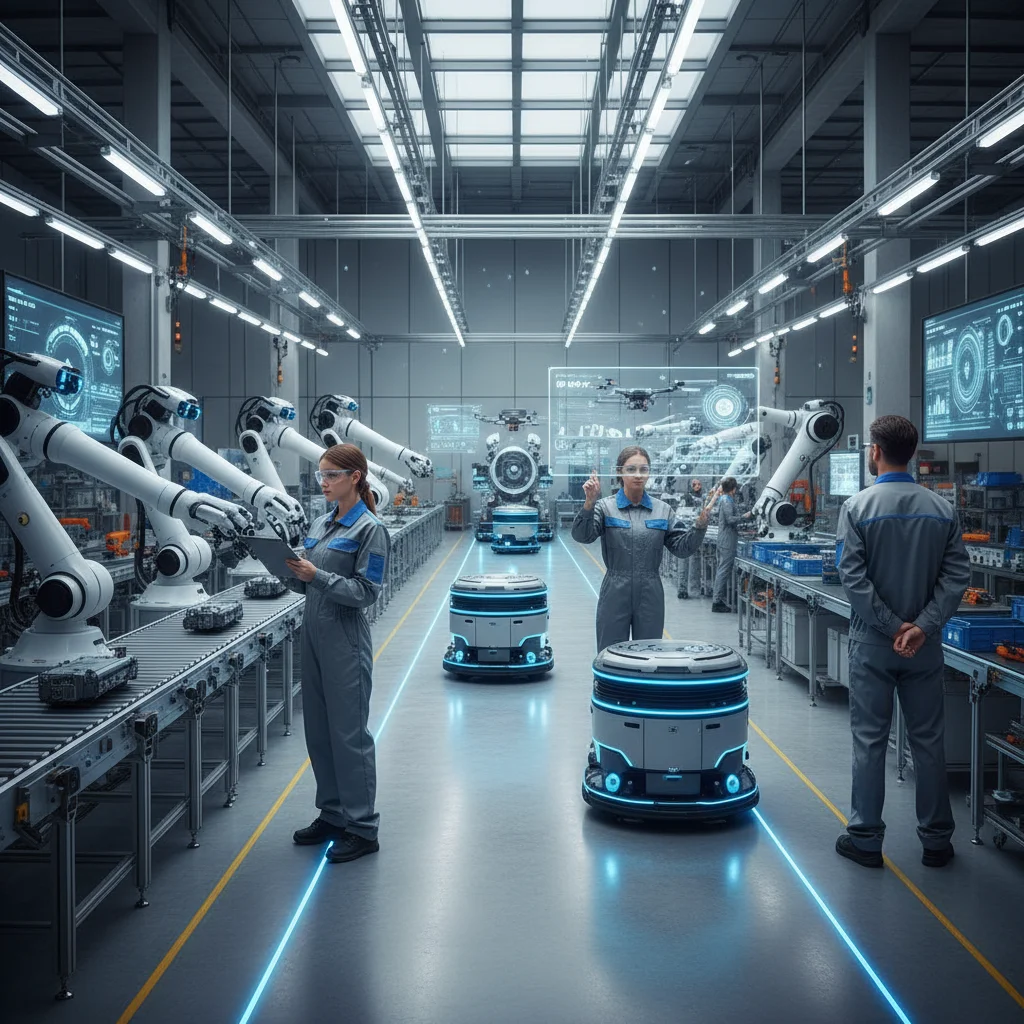
A common misconception about the future of work is that automation leads to a wholesale replacement of humans. While some roles will undoubtedly diminish, a more prevalent scenario for future US jobs is ‘augmentation’ – where AI and automation enhance human capabilities rather than replacing them entirely. This concept is often referred to as ‘human-in-the-loop’ systems.
Consider a doctor using AI to analyze medical images with greater accuracy and speed, or a lawyer leveraging AI to sift through vast legal documents to find relevant precedents. In these scenarios, the AI acts as a powerful tool, extending human capacity and allowing professionals to focus on higher-level tasks requiring judgment, empathy, and complex reasoning. The human remains central to the decision-making process, ensuring ethical considerations, contextual understanding, and a nuanced approach that machines currently lack.
This synergistic relationship will be a hallmark of future US jobs. Workers will need to learn how to effectively collaborate with intelligent systems, understanding their strengths and limitations. This requires a shift from viewing technology as a competitor to seeing it as a partner, allowing humans to elevate their roles and contribute more strategically. The focus will be on tasks that leverage uniquely human attributes, while repetitive or data-intensive processes are offloaded to machines.
The implications for training and education are significant. Future curricula must prepare individuals not just to operate technology, but to manage, interpret, and ethically guide intelligent systems. This blend of technical proficiency and human-centric skills will define success in the augmented workforce of 2035.
Challenges and Opportunities for the Workforce
The transformation of 60% of future US jobs by 2035 presents both significant challenges and unparalleled opportunities. Navigating this period successfully will require proactive strategies from individuals, businesses, and governments.
The Challenge of Job Displacement and Inequality
While new jobs will emerge, there’s a legitimate concern about the transitional period and potential job displacement, particularly for workers in roles highly susceptible to automation. This could exacerbate existing economic inequalities if not managed carefully. Without adequate reskilling initiatives and social safety nets, a significant portion of the workforce could be left behind.
The Opportunity for Higher-Value Work
For those who can adapt, the future offers the opportunity to engage in more stimulating, creative, and higher-value work. By offloading mundane tasks to AI, humans can focus on innovation, strategic thinking, complex problem-solving, and building meaningful relationships – aspects of work that are often more fulfilling and impactful.
Redefining Education and Training
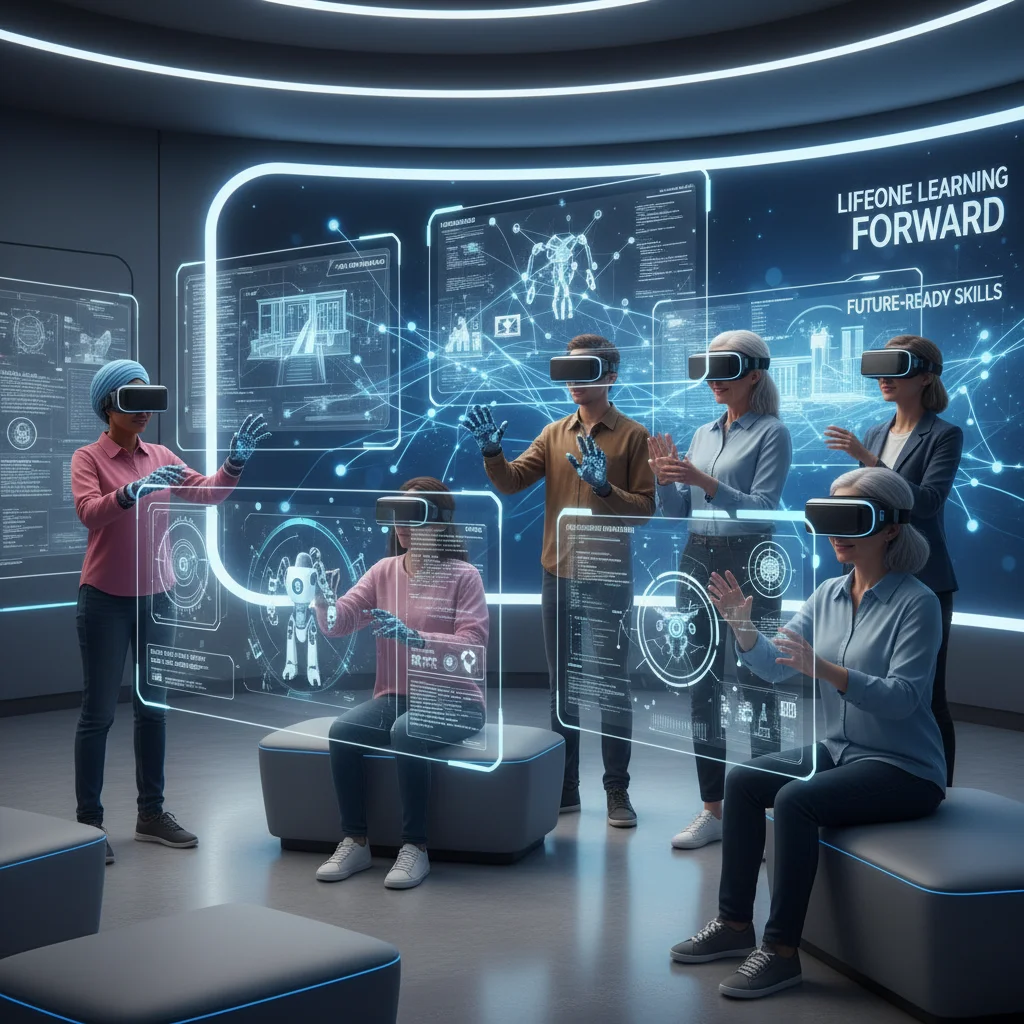
Traditional education models are often too slow to keep pace with technological change. There’s an urgent need for lifelong learning ecosystems, micro-credentialing, vocational training programs, and employer-led upskilling initiatives. Education must shift its focus from rote memorization to fostering critical thinking, creativity, and adaptability, preparing students for jobs that may not even exist yet.
The Rise of the Gig Economy and Flexible Work
The future US jobs market may see an even greater proliferation of flexible work arrangements, including freelancing, contract work, and the gig economy. While offering autonomy, this also raises questions about benefits, job security, and worker protections that will need to be addressed by policy makers.
Policy and Societal Implications
The scale of change projected for future US jobs by 2035 necessitates a robust policy response and a societal conversation about the nature of work, income, and welfare. Ignoring these shifts would be detrimental to economic stability and social cohesion.
Investment in Reskilling and Workforce Development
Governments, in collaboration with businesses and educational institutions, must invest heavily in comprehensive reskilling and upskilling programs. These programs should be accessible, affordable, and tailored to the needs of specific industries and demographics. The goal is to facilitate smooth transitions for workers from declining sectors to growing ones.
Rethinking Social Safety Nets
As the nature of work evolves, so too must our social safety nets. Discussions around universal basic income (UBI), portable benefits (benefits that follow the worker, not the employer), and enhanced unemployment insurance will become increasingly relevant. These measures could provide a crucial buffer during periods of transition and support individuals in pursuing new training and entrepreneurial ventures.
Ethical AI Development and Regulation
The widespread adoption of AI in future US jobs raises significant ethical questions. Who is accountable when an AI makes a mistake? How do we ensure fairness and prevent bias in AI algorithms that influence hiring or performance evaluations? Robust regulatory frameworks will be necessary to guide the responsible development and deployment of AI, ensuring it serves humanity rather than undermining it.
Promoting Entrepreneurship and Innovation
Creating an environment that fosters entrepreneurship and innovation will be vital for generating new industries and jobs. Policies that support startups, encourage research and development, and reduce barriers to entry for new businesses can help offset job losses in traditional sectors and drive economic growth.
Personal Strategies for Thriving in 2035
For individuals, the prospect of 60% of future US jobs changing by 2035 can seem daunting. However, adopting a proactive and adaptable mindset can transform potential challenges into opportunities for growth and career advancement. Here are key personal strategies:
- Embrace Lifelong Learning: Make continuous learning a core part of your professional life. This means regularly acquiring new skills, whether through formal education, online courses, certifications, or even self-directed learning. Stay curious about emerging technologies and their applications in your field.
- Develop ‘Soft’ Skills: While technical skills are important, focus on honing uniquely human attributes like critical thinking, problem-solving, creativity, emotional intelligence, communication, and collaboration. These are the skills least likely to be automated and will be highly valued in future US jobs.
- Become ‘AI-Literate’: You don’t need to be an AI developer, but understanding how AI works, its capabilities, and its limitations will be crucial. Learn how to effectively use AI tools to augment your own productivity and decision-making.
- Build a Diverse Skill Set: Specialization is good, but a broader range of skills makes you more adaptable. Consider developing capabilities in adjacent fields or interdisciplinary areas that combine your core expertise with new technologies.
- Network and Collaborate: Strong professional networks and the ability to collaborate effectively with diverse teams will be more important than ever. Many future US jobs will involve working in hybrid teams of humans and AI.
- Cultivate Adaptability and Resilience: The future will be characterized by constant change. Develop the mental fortitude to embrace new challenges, pivot when necessary, and view setbacks as learning opportunities.
- Focus on Value Creation: Instead of focusing on tasks, think about the value you create. How can you leverage technology to deliver more impactful outcomes? This forward-thinking approach will make you indispensable.